
According to Plato, Socrates once declared something to the effect of “I know that all I know is that I do not know anything.”
The Danish philosopher Søren Kierkegaard, whose masterpiece, “Fear and Trembling,” centered on the binding of Isaac, argued that the examination of such logically self-contradictory statements – or paradoxes – may lead to critical insight into life’s great mysteries.
Perhaps true, but it can also lead to a giant headache. Consider, for example, one of the more famous paradoxes: “This statement is false.” Nothing like trying to make sense of infinite regress to keep one up at night!
Then there is Joseph Heller’s classic observation that attempting to get out of military service by claiming insanity proves that you are, in fact, sane. His contribution to the popular vernacular, “Catch-22,” lives on. And for millennia, people have been uncomfortably musing on statements such as this brain teaser from the Greek philosopher Heraclitus: “The only constant is change.”
When I taught economics, I used paradoxes to help illustrate fundamental points. On the macro side, there is John Maynard Keynes’ Paradox of Thrift: while it is commendable for someone to replace spending with savings in order to prepare better for retirement, if we all did that, economic growth would slow and each of us would end up saving less than before. On the micro side, there is Adam Smith’s Diamond-Water Paradox: water is essential to life and diamonds are not, yet diamonds are expensive and water is virtually free. Why? Because diamonds are scarce and water is plentiful.
While these examples demonstrate basic principles of economics, paradoxes in the Torah and in the liturgy teach us much more important truths.
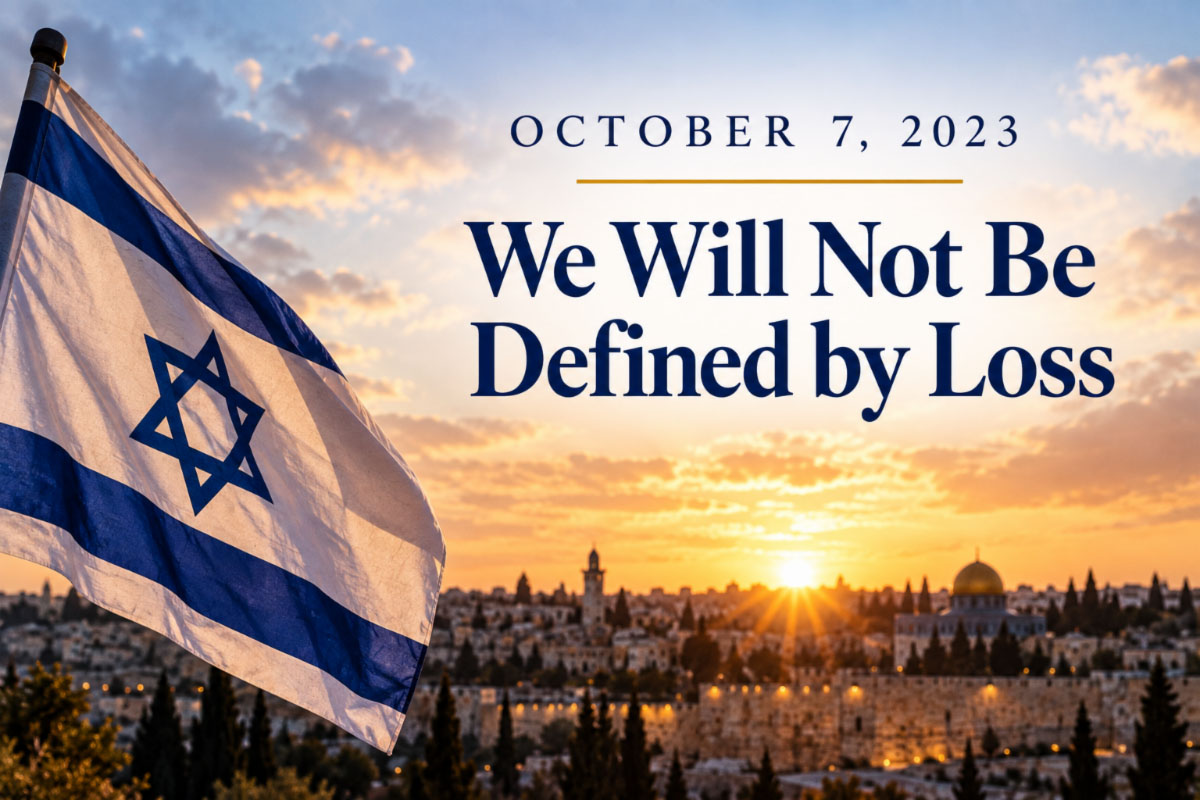
“Remember what Amalek did to you on your journey, after you left Egypt … you should blot out the memory of Amalek from under heaven. Do not forget!” (Deuteronomy 25:17-19). Erase the memory, but don’t forget it. I reflect on that one whenever I fall into a funk thinking about the savagery of Hamas and how the world moved against the Jewish people following the Oct. 7, 2023 massacre.
Should we pretend that horrible day never happened? No. But neither should we relive it over and over again in a Groundhog Day sort of nightmare, especially if our anguish immobilizes us. Rabbi Jay Levy explained to me that Torah scribes have a brilliant way to deal with this passage’s dichotomy. Before commencing work on a Torah scroll, they write the name Amalek on a scrap of paper or parchment and then blot it out, thereby remembering history, without allowing past traumas to paralyze them from moving forward.
And there is the enigma of the haunting Kol Nidre prayer chanted at the start of Yom Kippur. With our lives hanging in the balance, it is reasonable to ask for forgiveness for unfulfilled vows and promises. But note that we are asking to be absolved for future promises, not for the sins of the past. Of course, there is a massive amount of scholarly commentary on this, but I have an explanation that works for me – if you believe you will eventually be forgiven for falling short, you might as well set as lofty goals as possible.
As Kierkegaard envisioned, paradoxes such as these reveal truths that more logical statements may not.
Grappling with the seemingly inexplicable is something to keep in mind as we resolve to improve ourselves in the days ahead. I bet that many of us are vowing to become more thoughtful, more compassionate and more productively engaged. But even if we were to make meaningful progress toward achieving those aspirations, let’s recall one of the most notable of all paradoxes, attributed to Zeno, the ancient Greek philosopher. According to Zeno’s Paradox, if you get halfway to an end point, and then halfway again and again and again, you will still never reach it.
But don’t despair. During their 40-year trek, the Jewish people not only received the Torah, they gained a resilience that has served us well to this day.
It’s widely known that the journey matters as much as the destination. Now that’s a paradox with which we can easily relate.
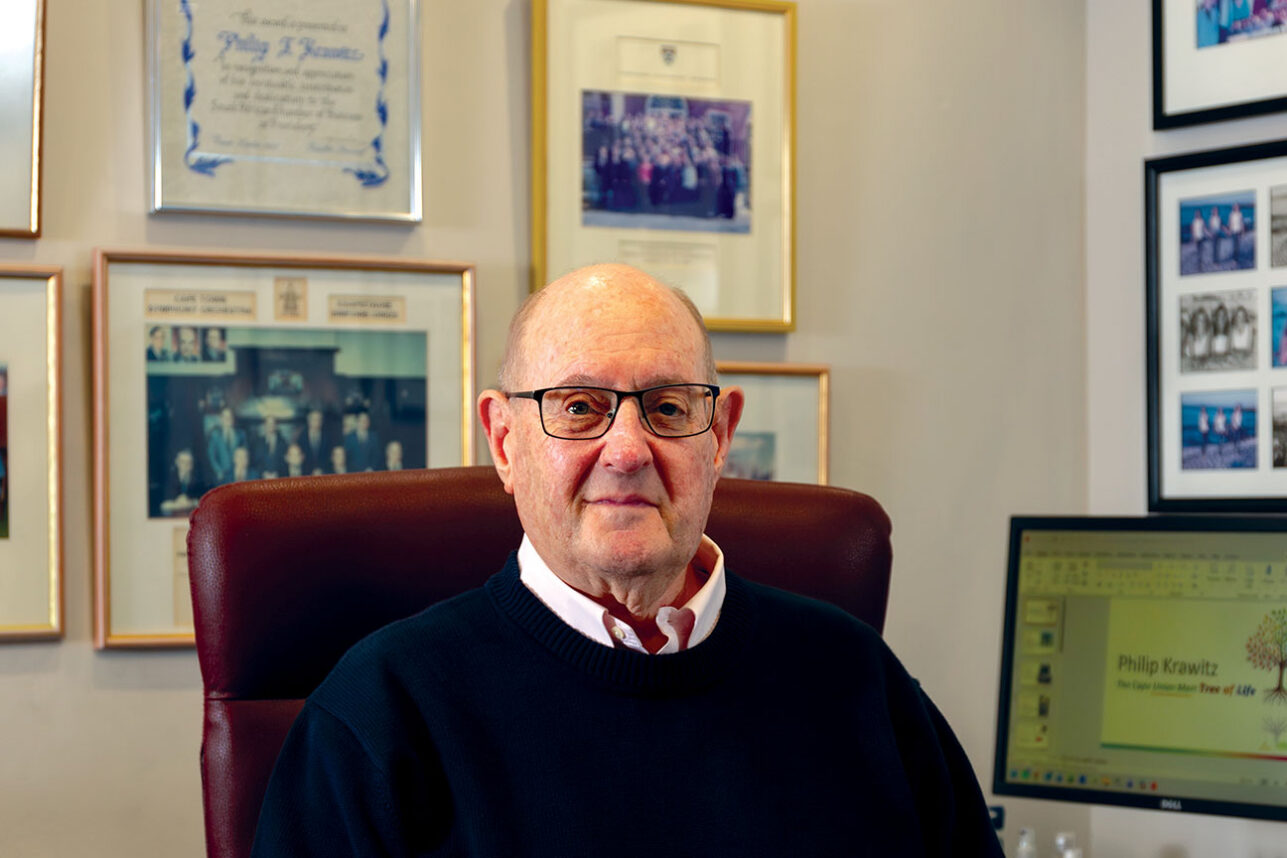
Morton Schapiro served for more than 22 years as President of Northwestern University and Williams College. He taught almost 7,000 undergraduates over his more than 40 years as an economics professor.