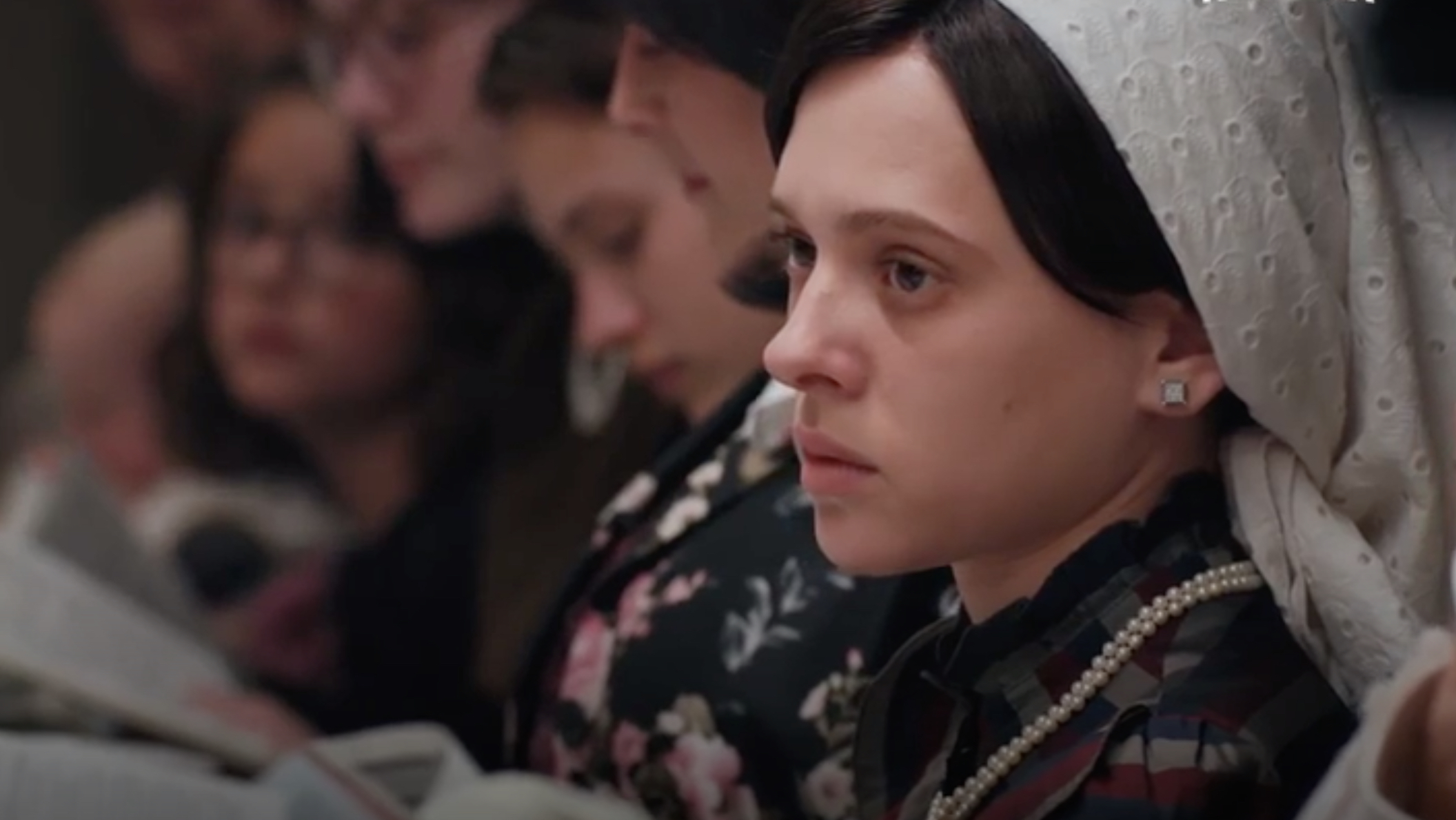
Many watched Netflix’s television miniseries “Unorthodox” with a sense of intrigue and cultural voyeurism, as if they were opening a window to peek into the mysterious world of the ultra-Orthodox. For those removed from tradition, it kindled a kind of nostalgia. Like anthropologists studying a strange culture, Americans, many of them Jews, watched “Unorthodox” with a certainty that this was an authentic look inside, a true account.
There is only one problem: It isn’t.
Many of the scenarios are completely false. There are no enforcers who seek out dissident Chasidim in Europe. Rape is an anathema to Judaism. Marital intimacy is practiced unclothed, naturally. There is no eruv (legal boundary that allows one to carry outside on Shabbat) in Williamsburg, N.Y., and people don’t wear only black. Many are well-dressed and stylish.
Deborah Feldman’s memoir, “Unorthodox: The Scandalous Rejection of My Hasidic Roots,” was the inspiration for the drama and main character, Esty. However, Feldman’s father was not a drunk; he was mentally ill. Her grandparents and extended relatives stepped in to raise her when her family fell apart. Sadly, Feldman experienced family dysfunction. It is her tragic story, not the collective experience of the whole community.
Viewers come away thinking religious life is dark, foreboding and depressing; a repressed society with little or no individuality. Everyone seems obligated to look, think and act certain ways. The set purposely conveyed a dark tone, as costume designer Justine Seymour told British Vogue, “I stuck to a muted ’70s palette so that life in the Jewish community looks as if no sunlight can come through the window.”
Viewers come away thinking religious life is dark, foreboding and depressing.
Intentionally absent is the richness of Jewish tradition, the joy of life that permeates the Chasidic community. In a time of a thousand friends on Facebook but no real relationships, the Chasidic community stands out for its strong social bonds and vibrant family life. The Satmar Chasidim, the group in the series, is renowned for its remarkable acts of chesed (kindness). Visit any hospital in New York and you’ll find a kitchen stocked with kosher food, available free of charge.
Then there is the blinding contrast of Berlin — a city portrayed as wonderful and upbeat, where creativity flows, music is played and the sun always shines. Like a Utopia on Earth where in minutes, a penniless refugee from Brooklyn finds a music scholarship, opening her soul to modern culture and freeing her from the shackles of fundamentalism that have held her in bondage since her birth.
Here lies the biggest falsehood in the series. There is no Utopia in Brooklyn and there is none in Berlin. Both are places where people live their lives, where there is both good and not so good.
In Brooklyn, Chasidim believe in the values of Torah and aspire to emulate them. It is their moral compass that helps them navigate the complexities of life. Life is not black and white; it is full of challenges, blessings and some people who are stable and loving, and some who are not or who struggle with human deficiencies. In Berlin, the choices people make are based on self-determined morality, good or bad. At its very core, there are no limits — just choices. And there is no acknowledgement that not every choice justified by how you feel is the correct one.
The series is dishonest. It takes the story of one person’s family problems and besmirches an entire community. It mocks the values of those Jews who attempt to live productive and good lives while using Jewish values as a guide. It provides a quaint nostalgia that includes an inner denigration of Jews who follow tradition.
“Unorthodox” doesn’t deserve an Emmy. If such a series had been made about any other ethnic group, the cancel culture would be up in arms. Maybe Chasidic Jews are used to being misunderstood, mocked and fetishized and have thick skins. But if anyone in Hollywood has a modicum of self-respect, they will find a better series to reward.
Rabbi David Eliezrie is the president of the Rabbinical Council of Orange County. rabbi@ocjewish.com