
















A Lost Sheep

How Israeli Academics Are Being Shut Out of the International Academic World

The pause isn’t the absence of action; it’s a sanctuary in time.

It is a challenge for which various solutions have already been tried and failed. Most of all, it is a challenge that doesn’t seem to have any prospect of being addressed anytime soon in a way that leads to a final resolution.
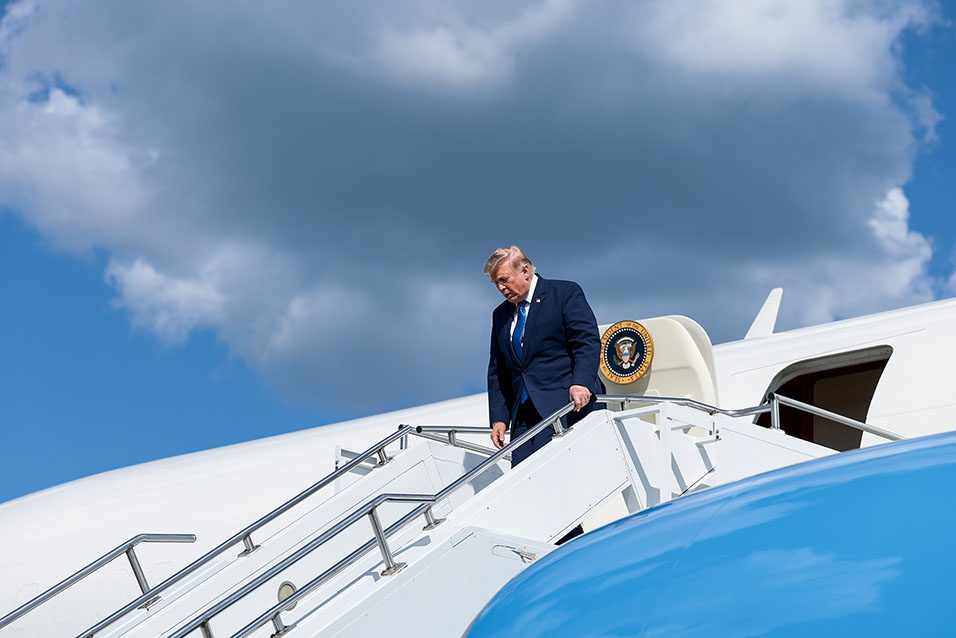
Presidential security machinations, like presidential vacation time and decorating budgets, often serve as partisan Rorschach tests: rivals mock, while supporters defend.
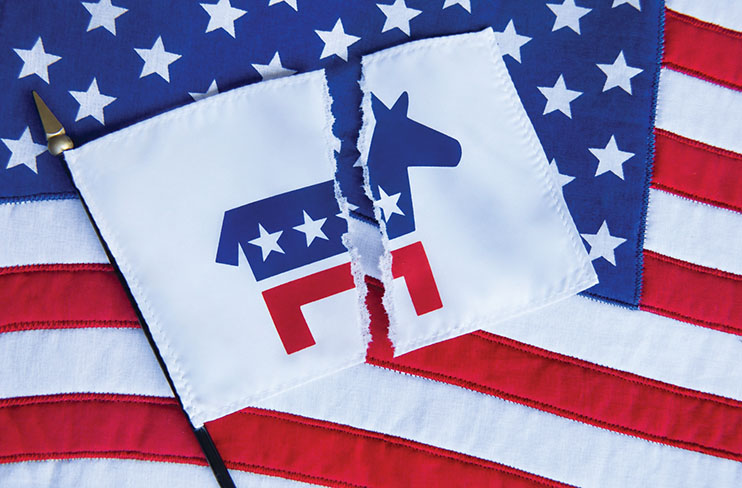
It is about refusing to allow partisan loyalty to make us silent when our own community is threatened.
Nowhere is it written you have to agree with every position taken by every candidate running as a member of your party.

America needs the Jews as much as the Jews need America.
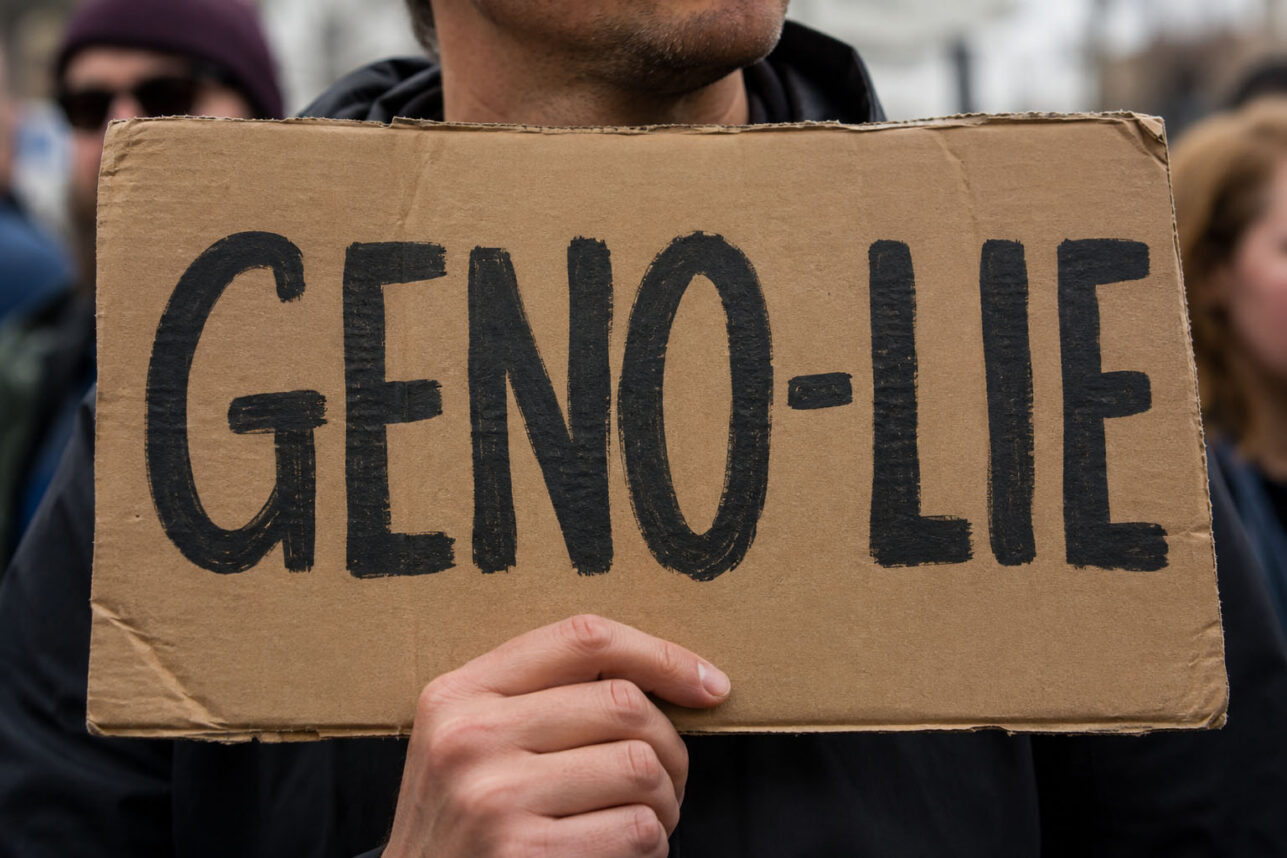
Investigative journalist and bestselling author Gerald Posner offers a primer to debunk the “genocide” libel against Israel.

Maximizing Jewish life, learning, practice and belonging remains nonnegotiable. However, when a halakhic ruling fails to achieve its purpose, we must reexamine the ruling.


Every morning I convince myself that if I could just find the right system, the right schedule, everything would finally balance.
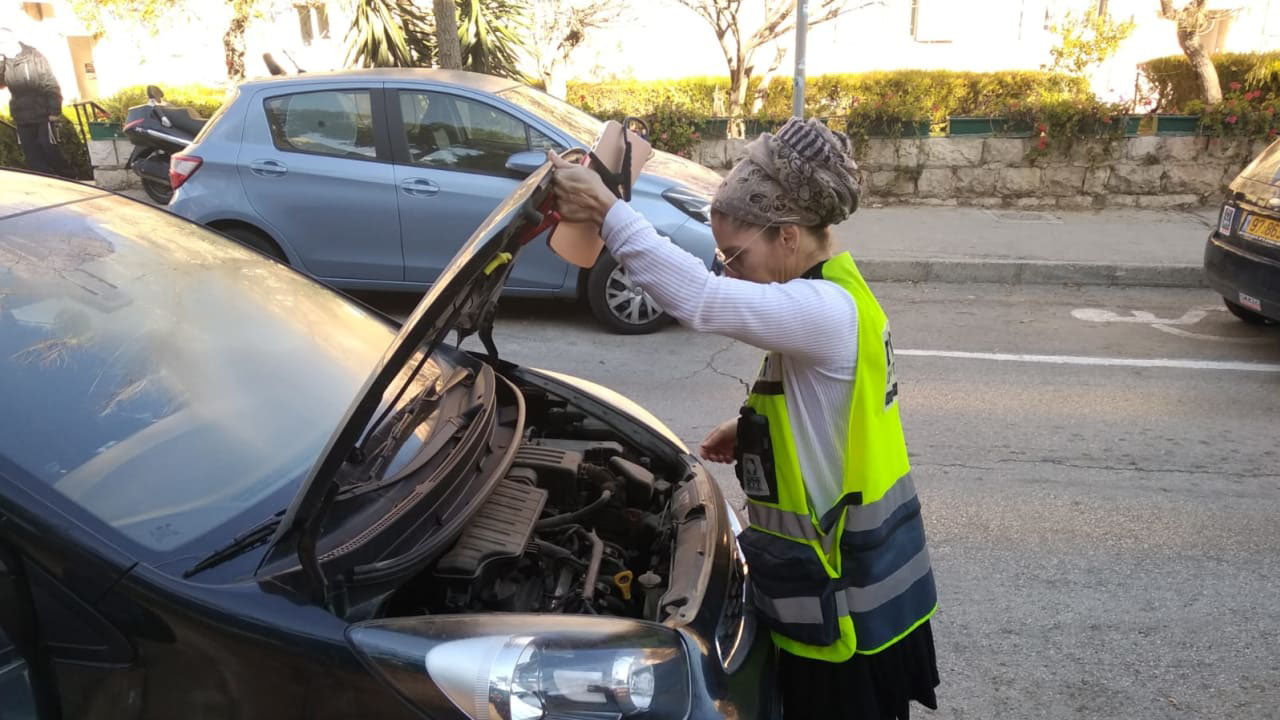
The minyan included mechanics, replete with the mandatory oil-stained hands and grime beneath their fingernails.

Trump’s administration has been conducting a multi-front war against America’s oldest university, freezing previously approved federal research grants, restricting international student visas, and targeting the school’s tax-exempt status.

MSF’s governing structure has been manipulated by individuals who refashioned MSF into a vehicle for anti-Israel, anti-Western, and often antisemitic propaganda.
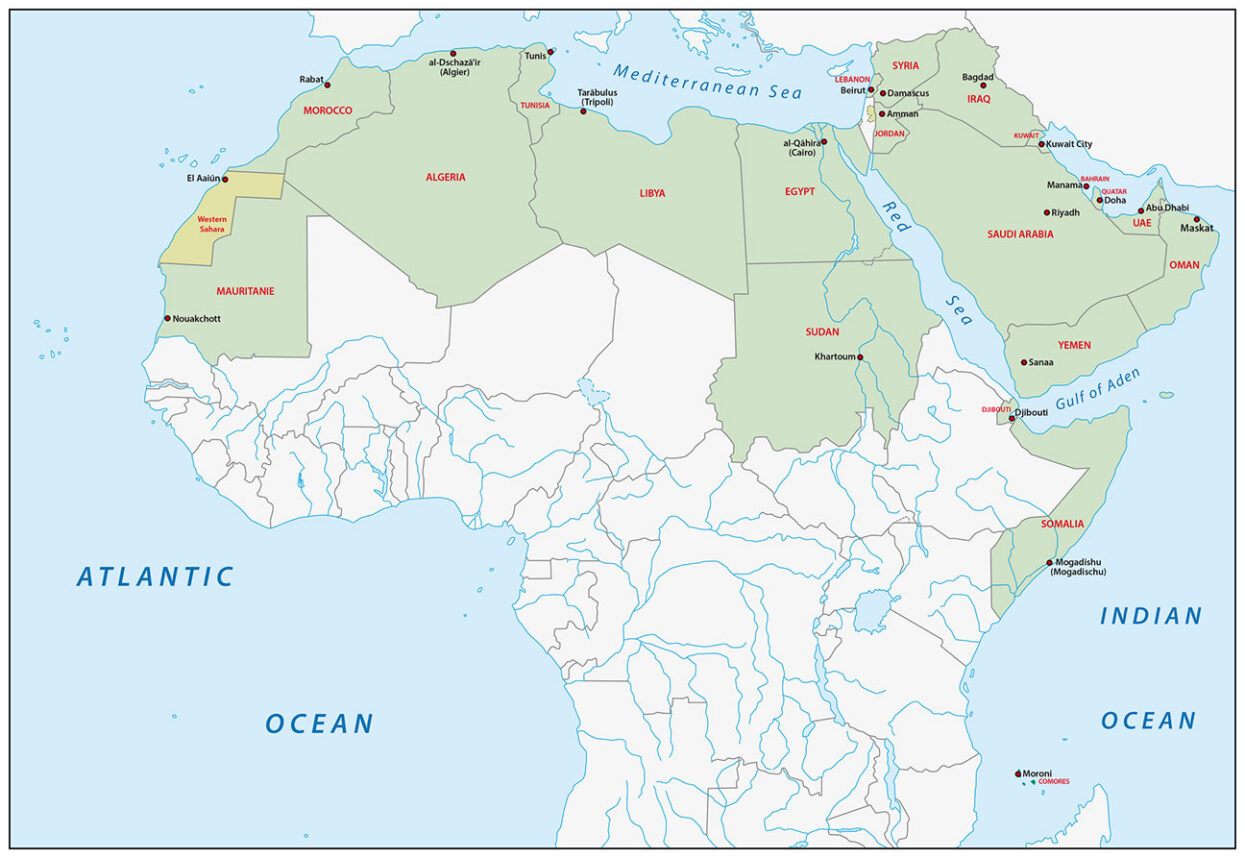
SWANA is not a description of a region’s peoples. It is a membership test, and the price of admission is agreement on Jews and Israel.

The Global Conference for Israel will both celebrate the organization’s 125-year milestone and highlight discussions regarding what lies ahead for it, as well as for Israel’s future.

Many political animals behave like animals when it comes to making their opinions known—regardless of party.

This is not a call for endless war. It is a call for realism.

Be fair, judges…