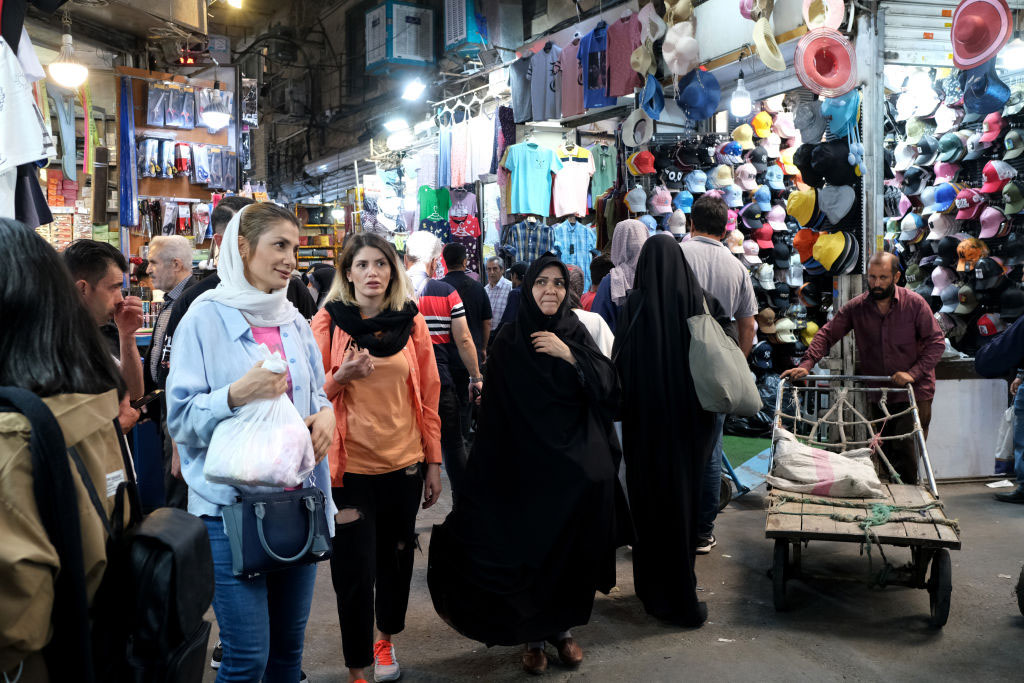
Iran: How Did We Get Here?
The outcome is no longer certain — but for the first time in years, the balance has clearly shifted.


The outcome is no longer certain — but for the first time in years, the balance has clearly shifted.
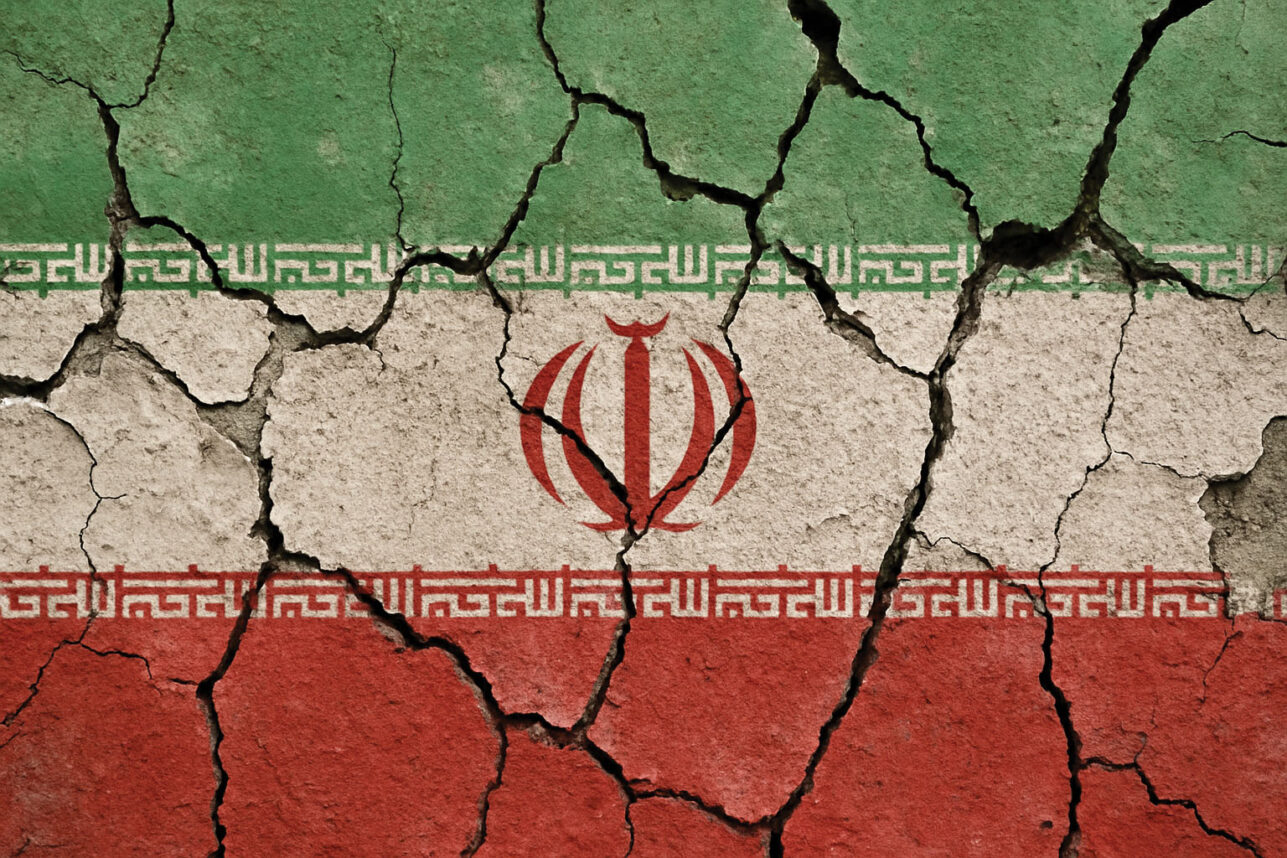
The Tehran Chamber of Commerce has reported a persistent decline in new investments over the past decade. At the same time, large-scale capital flight has been reported—signaling deep economic instability and widespread impoverishment.
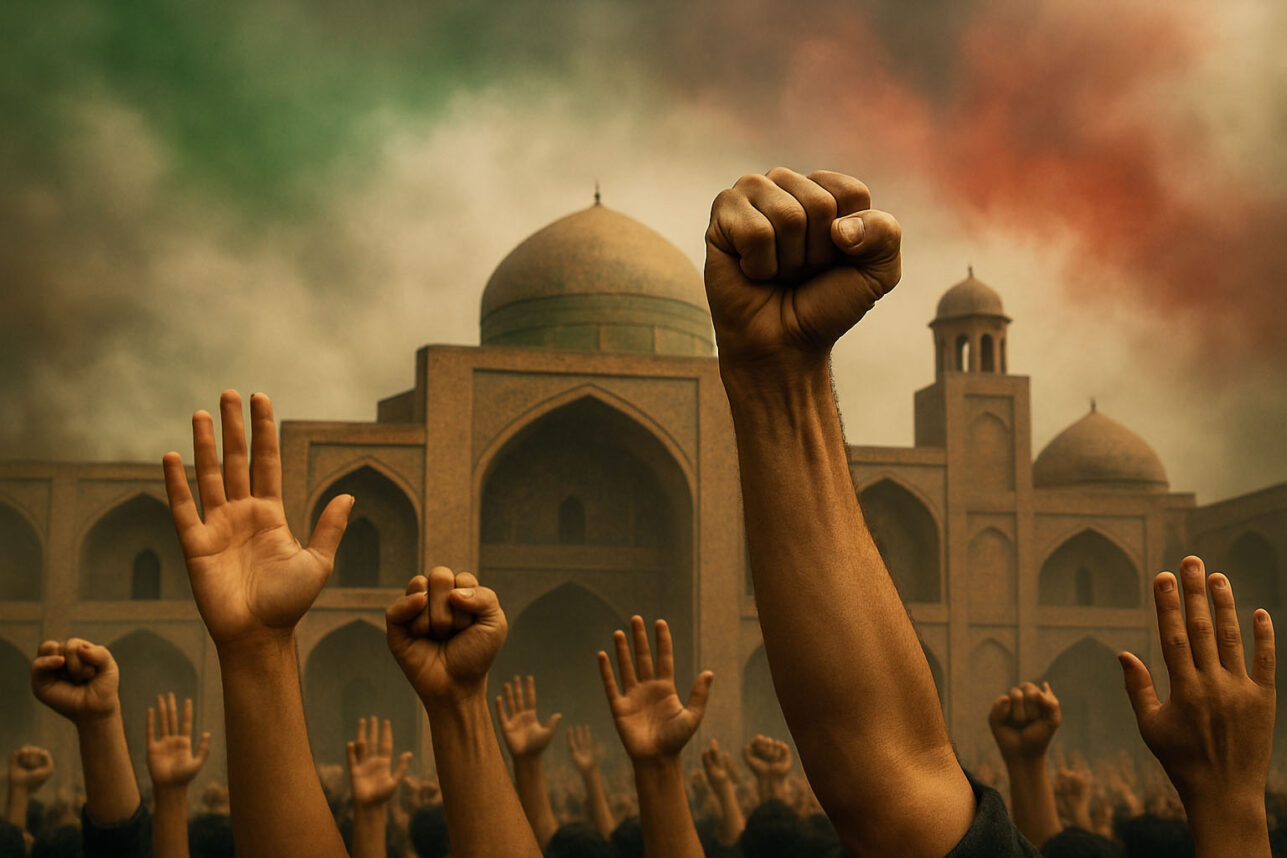
This war has made one thing clear: Military action is no substitute for meaningful change.
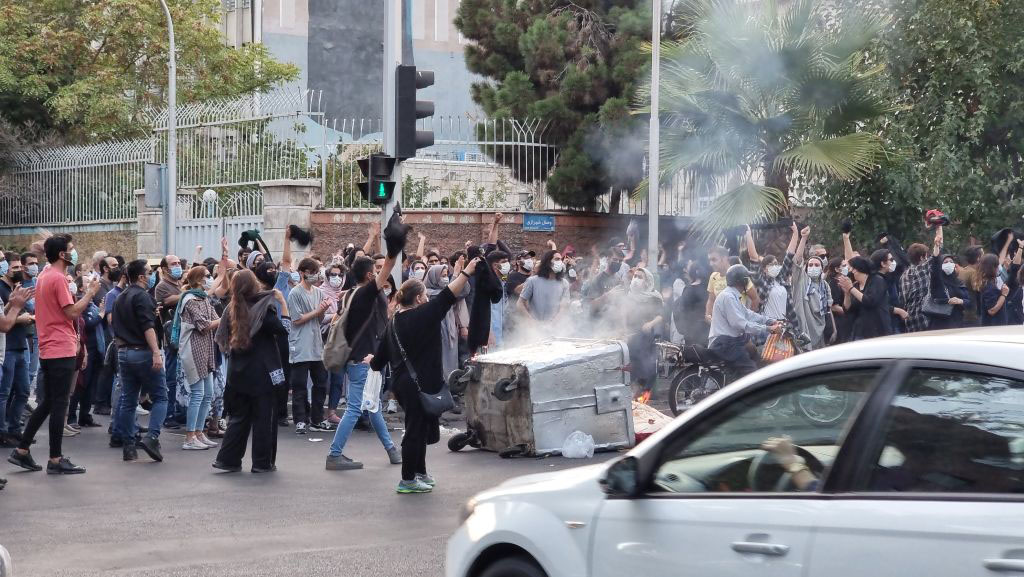
Although Iran’s nuclear program often dominates headlines, at its core, the conflict is between the people and a tyrannical theocracy.
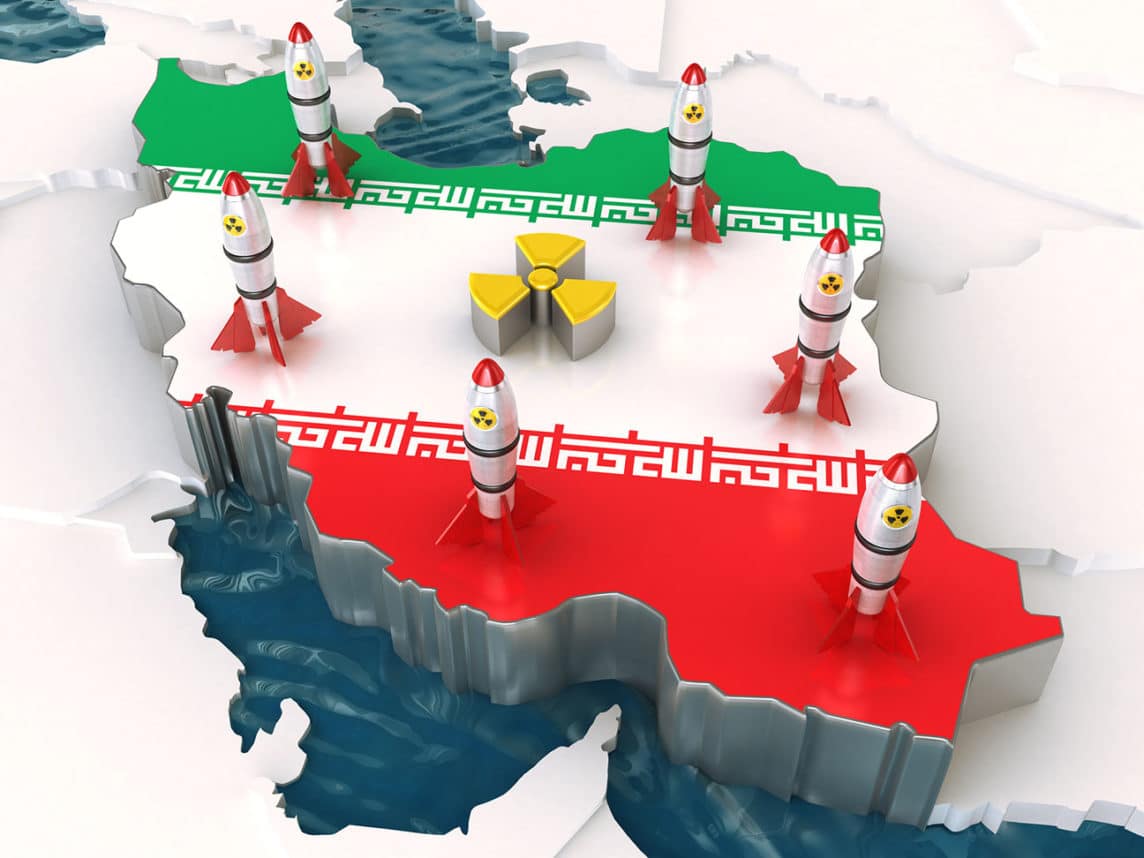
The revelation of an undeclared nuclear site east of Tehran has sent shockwaves through the ruling clergy of Iran.
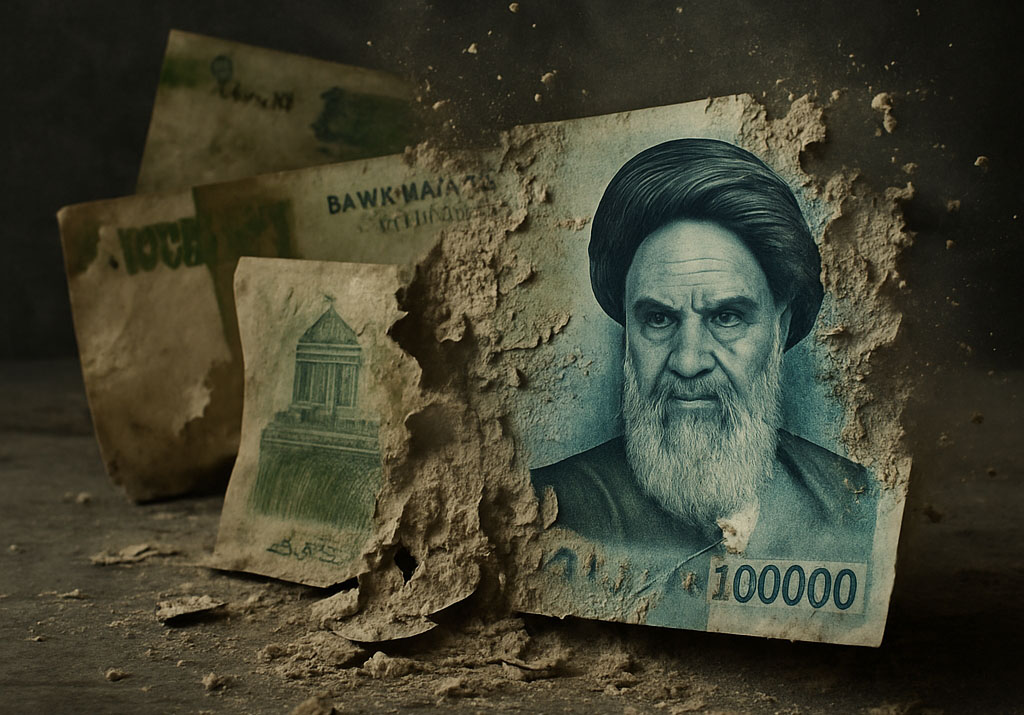
Can the Islamic Republic survive the anger of a people broken by more than forty years of repression, massacres and misery?

History has proven that no government can survive while simultaneously waging wars abroad, destroying its economy, and driving its people into hunger and thirst.

A progressive movement that seeks to overthrow a religious dictatorship must also confront its reactionary ideology, which is rooted in gender discrimination.
The Iranian society resembles a powder keg, ready to explode at any moment.
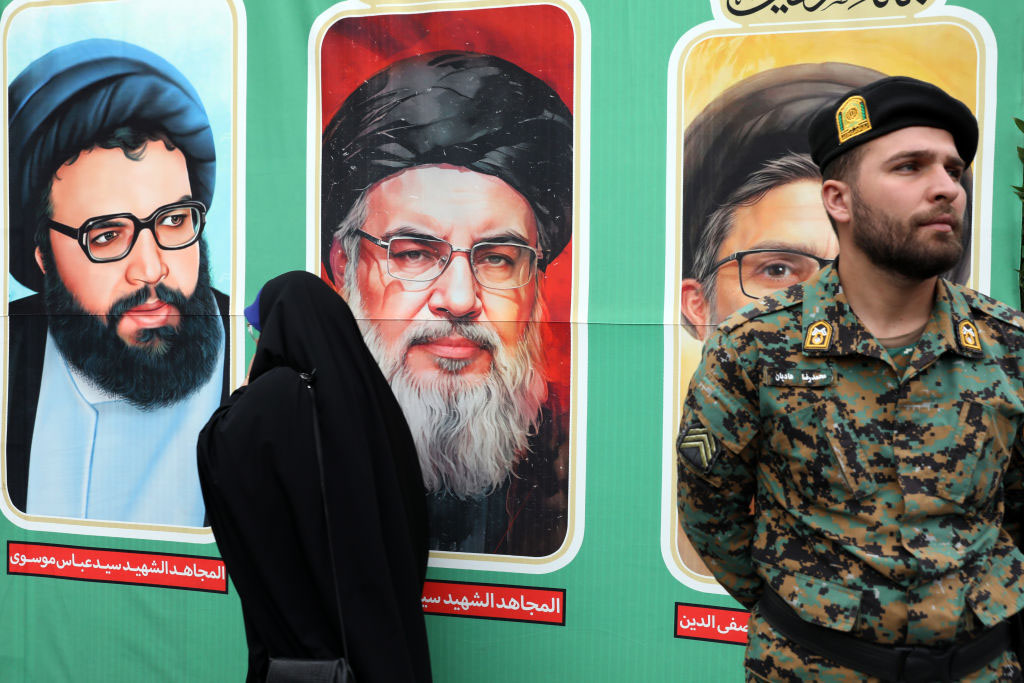
The Iranian resistance does not ask the international community to take responsibility for change but simply to recognize the Iranian people’s right to resist the regime.