Palestinian Authority President Mahmoud Abbas told Jewish leaders that his U.N. speech would address showing greater sensitivity to Jewish claims to Israel.
Meeting Monday evening with about 10 Jewish leaders, Abbas also endorsed Alan Dershowitz's formula for returning to talks with Israel, participants said.
The meeting was under the auspices of the Center for Middle East Peace. Top Jewish organizational leaders declined, reportedly at the request of the office of Prime Minister Benjamin Netanyahu, who has discouraged Jewish meetings with Abbas until he gives up demanding a settlement freeze as a precondition for returning to talks.
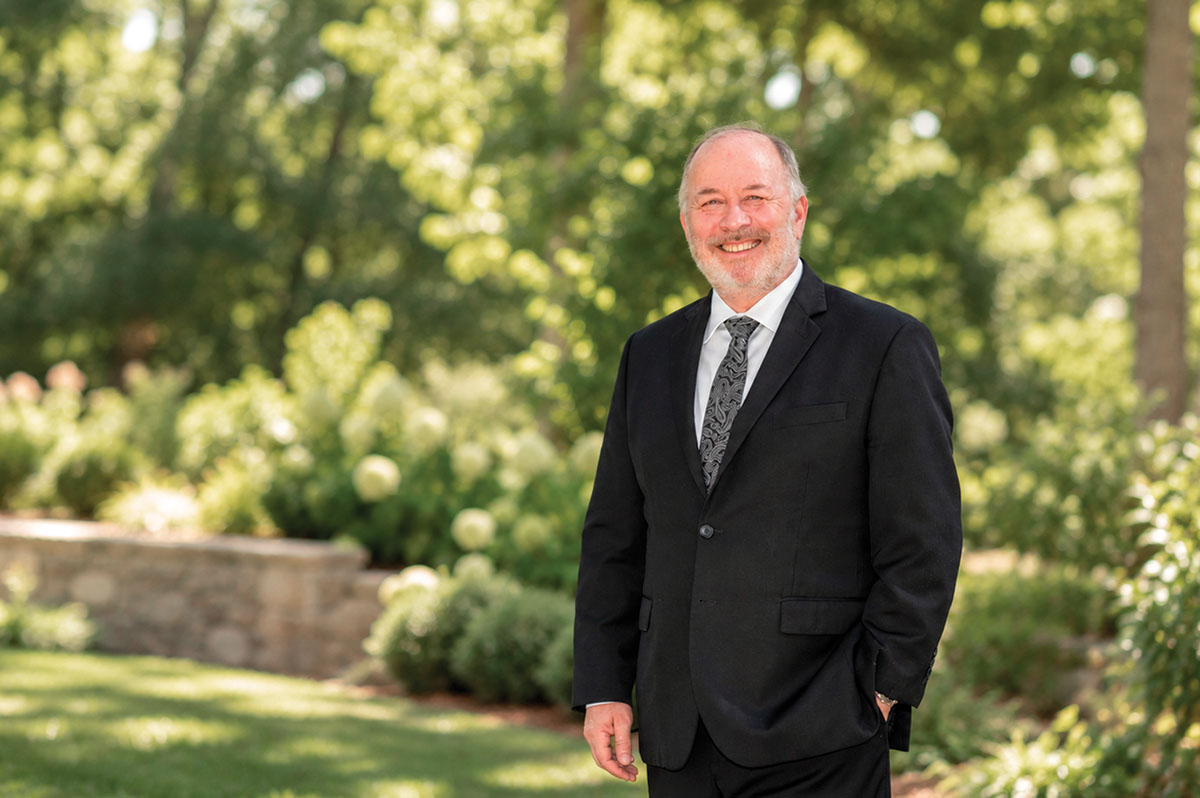
Among those who did attend were Dershowitz, the Harvard legal scholar and a leading defender of Israel; Robert Wexler, the CMEP director and a top Jewish surrogate for President Obama; and Peter Joseph, who heads the Israel Policy Forum.
Participants described Abbas as emphasizing what he said was the urgent need to return to talks with Israel because of protests and fighting roiling the Arab world and because of increased tensions with Iran. He asked his Jewish interlocutors why Israel was demanding that he recognize Israel as a Jewish state when he had repeatedly recognized its legitimacy.
He was told that insensitivity to Jewish claims helped fuel the demand, and was reminded that last year in his speech to the U.N. General Assembly, he noted only Muslim and Christian claims.
Abbas told the group to watch for his speech to the General Assembly, scheduled for Thursday at noon, saying that he would also note Jewish claims.
The office of the Palestinian representative in Washington would only confirm that the meeting with the Jewish leaders took place and that aspects of what was discussed would be featured in Abbas' speech
Abbas and his senior negotiator, Saeb Erekat, also reacted with keen interest to a proposal that Dershowitz first made in January — that Abbas agree to resume negotiations as long as Israel freezes settlements once the talks start.
Abbas signed a copy of the proposal, and Dershowitz said he would make the case again to Israel that it should agree to its terms.
The formula helps untangle a sequencing problem; the last time Israel suspended settlement building for 10 months in 2010, it took Abbas nine months to return to talks, and he left as soon as the freeze was over.
Under Dershowitz's formula, Abbas would be obliged to be at the table as soon as the freeze began.
Among the Jewish leaders who declined to attend, representatives of the Conference of Presidents of Major American Jewish Organizations, the Anti-Defamation League and the American Jewish Committee either did not return requests for comment or declined comment.
The Israeli Embassy did not return a request for comment.