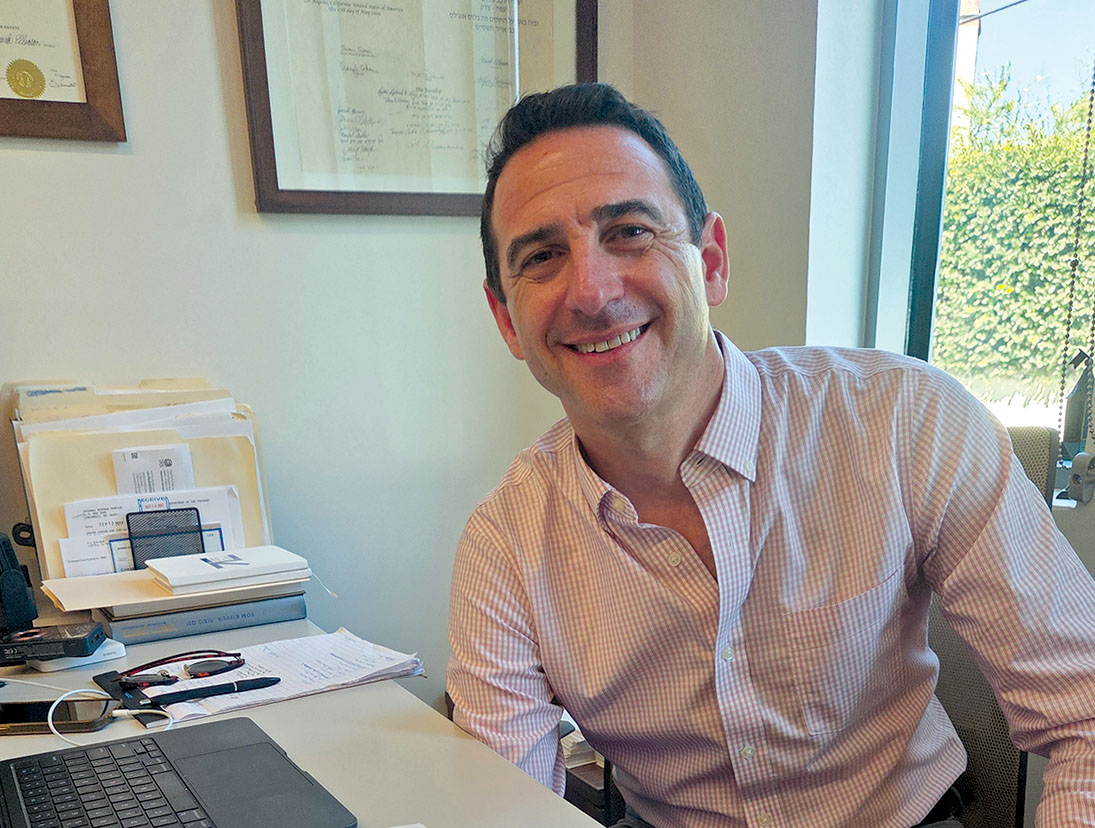
Saudi Arabia still won’t permit churches and prevents Christian proselytizing via capital punishment, but Leonard Swidler’s presence there is a start. He is the first Christian scholar invited to speak with the faculty at Al Imam Muhammed bin Saud Islamic University in Riyadh.
From the Christian Science Monitor:
Dr. Swidler’s visit in late June underscores a shift toward greater openness in some official Saudi religious institutions, which previously had been leery of contact with outsiders of different faiths.
“Maybe it’s not exciting for some people, but it’s a very big change in Saudi Arabia,” says Fahad al-Alhomoudi, a faculty member at Al Imam who helped arrange Swidler’s visit.
Swidler called his meetings at Al Imam campus “kind of a breakthrough” during an interview here. “The opportunity to meet with 40 Saudi professors in the area of interreligious dialogue for me was quite extraordinary,” he says. Ten of the 40 were women, who participated via videoconferencing.
“I would say that we are experiencing a tipping point right now in relations in the field of religion between the West … and Islam,” added Swidler, a world-recognized expert in interreligious dialogue. “I mean, you can’t get more ‘heartland’ than Saudi Arabia, as far as Islam is concerned.”
I hope the community didn’t give Swidler the Reuven-Firestone-in-Egypt treatment.