The Nation covered an analysis last week of the ascent of The New Atheists, four bestselling, unbelieving authors—Sam Harris, Richard Hawkins, Daniel Dennett and Christopher Hitchens—who “each sees himself as breaking a taboo.”
The most remarkable fact is not their books themselves—blunt, no-holds-barred attacks on religion in different registers—but that they have succeeded in reaching mainstream readers and in becoming bestsellers. Is this because Americans are beginning to get fed up with the religiosity of the past several years? It would be comforting if we could explain this as a cultural signal of the end of the right-wing/evangelical ascendancy. Such speculations are probably wishful thinking—book buyers are such a small slice of the population that few sociologists would stake their careers on claiming that book buyers’ preferences reflect anything like a national mood.
The success of the New Atheists may, however, reflect something significant among their audience.
In fact, it seems the taboo that is being broken is not by the book writers but book readers. As I wrote about in November, more and more non-theistic Americans are “coming out of the closet,” speaking confidently about their lack of faith and mobilizing politically. In March, U.S. Rep. Peter Stark, D-CA, became the first member of Congress to out himself as an atheist.
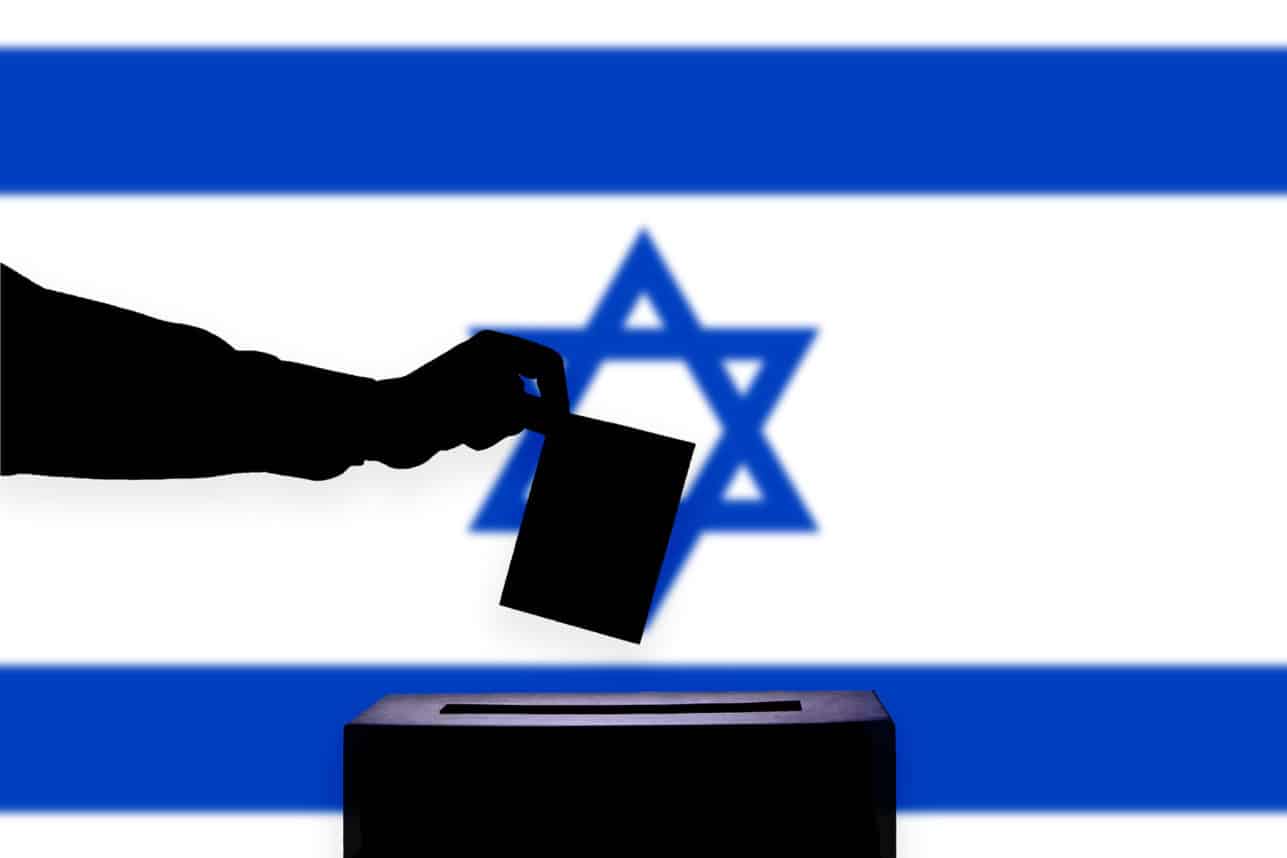
While atheists remain the most reviled of socio-religious groups—according to a 1999 Gallup poll, only 49 percent of Americans would be willing to vote for an atheist president, 40 percentage points lower than for a Catholic, Jew or African-American and 10 points lower than for a gay candidate—The New Atheists and their followers are trying to change that.
“People tend to think of religiosity or being involved in religion as something that is a proxy for being a good person, being a moral person, being a trustworthy person and being a good citizen,” said Penny Edgell, University of Minnesota associate professor of sociology and the study’s lead researcher.
“Most people don’t even know an atheist. It becomes this label that people respond to that doesn’t say much about the group in question but says a lot about people’s assumptions.”