
Repentance requires re-creation;
the fact it’s possible implies
that within every person lies
the power of his liberation.
The shofar sounds reflect the fact
that all of us are free to be
what we should be, our jubilee
occurring every time we act
with the freedom we are given,
teqiah and shevarim-truah
proclaiming that when we’re truer
to ourselves we’ll be forgiven.
Turning into mulligans the errors
that we have made, teshuvah re-
creates them with repentance, free
of unetanneh toqeph terrors,
just like the vows in Kol Nidrei
Jews may replay, as God did, too,
not punishing the sinners who
a golden calf chose to obey.
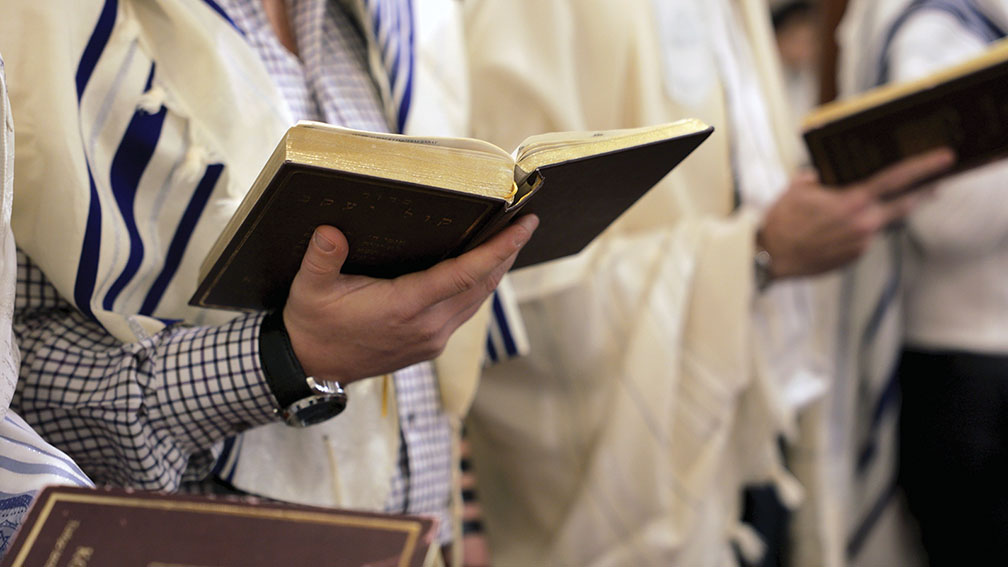
Rabbi J.B. Soloveitchik, in Halakhic Man, discussing teshuvah, which is commonly translated as “repentance,” claims that “repentance, according to the halakhic view, is an act of creation – self-creation.” Rabbi Jonathan Sacks pointed out that the rationale for the recitation of Kol Nidrei, a legal formula recited immediately before Yom Kippur begins, allowing the revocation of past and future oaths, is because it is by means of such a revocation of an oath that God Himself “repented” of His decision to destroy Israel after the sin of the golden calf, (Exod. R. 43:4, discussing Exod. 32:11). I think that this is also why God accepted the “repentance” of the inhabitants of Nineveh in Jonah 3:4-10, described in the book of Jonah, which we read on Yom Kippur afternoon, about twenty hours after hearing Kol Nidrei.
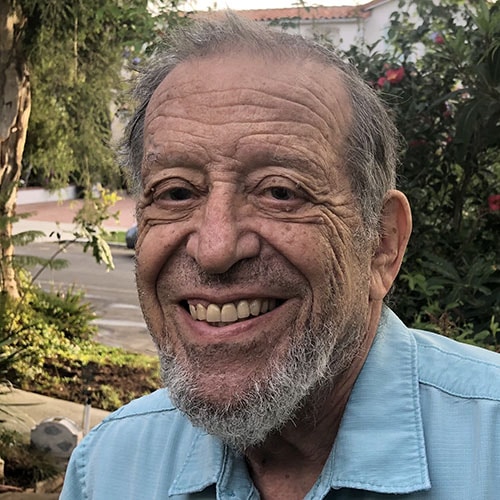
Gershon Hepner is a poet who has written over 25,000 poems on subjects ranging from music to literature, politics to Torah. He grew up in England and moved to Los Angeles in 1976. Using his varied interests and experiences, he has authored dozens of papers in medical and academic journals, and authored “Legal Friction: Law, Narrative, and Identity Politics in Biblical Israel.” He can be reached at gershonhepner@gmail.com.