
In a valley not far from Jerusalem, called Gehenna,
a place where atrocities committed there once made it hell
on earth, they found a copy of the blessing written by a priestly penner,
who copied words from Numbers which record the splendid spell
which priests are all commanded to recite in order to bestow
a blessing on their fellows. That a copy of this priestly text
was found close to Jerusalem in a valley known as hell, should blow
the mind not just of lovers of the Bible but by everyone who’s vexed
by the tragic transformation of parts of the promised land into
a hell on earth, as was Gehenna where the priestly text was found.
Peace is the priestly holy blessing’s bottom line, and its date is well past due,
all seekers of its spell compelled to wait, by thoughts of it spellbound.
In the 5/28/21 New York Times, Rabbi David Wolpe writes “The Jewish History of Israel Is Over 3,000 Years Old. That’s Why It’s Complicated”:
In 1979, archaeologists began excavating in the area that is believed to be ancient Gehenna. Not far from the walls of the Old City of Jerusalem, they found what is considered to be one of the oldest bits of scripture that exists in the world, more than 400 years older than the Dead Sea Scrolls. It dates from the time just before the destruction of the First Temple, the Temple of Solomon, in 586 B.C. The scorched ground yielded two rolled-up silver amulets that are on display to this day in the Israel Museum. When painstakingly unfurled, the text was almost verbatim to the Bible verses:
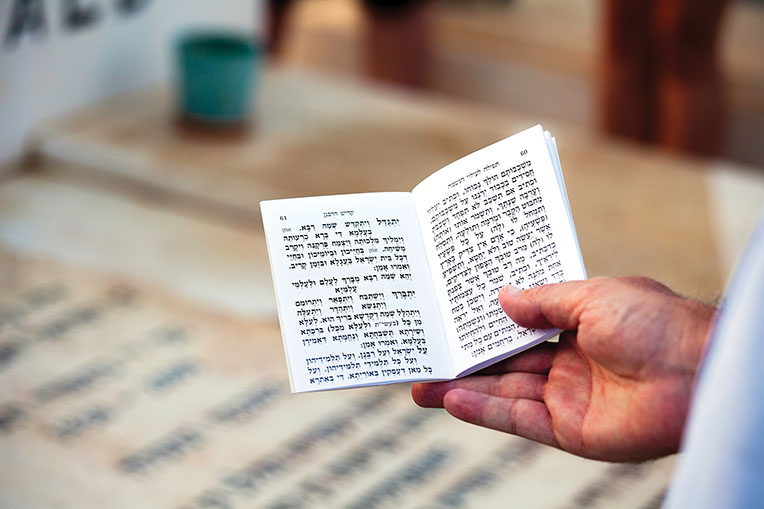
“May God bless you and keep you.
May God’s face shine upon you and be gracious to you.
May God turn His face toward you and give you peace.” (Numbers 6:24-26)
This is the priestly blessing, one parents recite for their children each Friday night, a fervent prayer for the future. In other words, the oldest bit of scripture that exists in the world is a blessing of peace that was snatched from hell. In that beleaguered and beautiful land, the prayer endures.
Gershon Hepner is a poet who has written over 25,000 poems on subjects ranging from music to literature, politics to Torah. He grew up in England and moved to Los Angeles in 1976. Using his varied interests and experiences, he has authored dozens of papers in medical and academic journals, and authored “Legal Friction: Law, Narrative, and Identity Politics in Biblical Israel.” He can be reached at gershonhepner@gmail.com.