
fbpx
[additional-authors]
March 28, 2018

In every generation
Each of us must learn
How to look at a stranger
And see the beloved.

In every generation
Each of us must find
The invisible security gate
Guarding our heart
And break it.

And so in every generation
We drink teardrops
From curls of parsley,
Teaching ourselves to taste
Our secret sorrows.

We burn our tongues raw
With bitter herbs, learning
To taste the suffering
Of our neighbor.

We break the matzo in two
And across its surface,
Broad and tan as the desert
Seen from above, we spread
Charoset to remind us
That only together can we be
Liberated: strangers, neighbors,
Our own hidden selves, mixing
Together the bitter and the sweet,
Spoonfuls of chopped-up apples
And walnuts on our tongues,
The cinnamon scent of freedom
Filling the desert at last.


Did you enjoy this article?
You'll love our roundtable.

Editor's Picks

Latest Articles

The Joy Within

Sukkot asks us to receive the harvest that has actually come in—not the one we imagined or wished for.

A Bisl Sukkot ~ Don’t Be Afraid, Go Outside

The sukkah reminds us to go out into the world, especially when the comforts of insularity beckon us closer—to explore paths we have yet to take and seek journeys ready for wandering.

A Harira Hug in the Sukkah

I love making soup for this holiday because even if the days are still warm, the cooler evenings make you start craving something warm and comforting.

The Beat Goes On

While so much of the world seems obsessed with and consumed by its hatred of Israel and Jews, Israelis continue to build, create, work, celebrate, argue, raise families, and plan for the future.

Viral AI Video Targets Jewish Comedian

“The biggest concern is that people now have a pathway to shut down Jewish voices through complete falsities that people will believe. … For the future of Jewish entertainment, it’s very scary.”

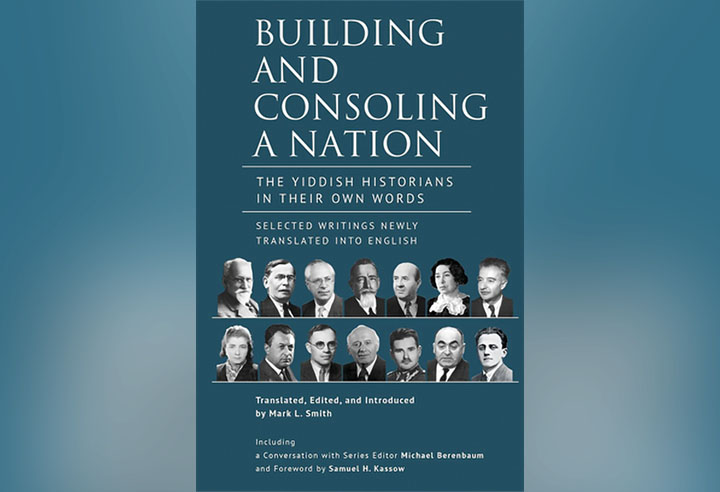
Yiddish Historians: Writing in Their Own Language for Their Own People

Mark Smith has compiled an important anthology of Jewish history using 49 works by Yiddish historians to recreate or at least open the door to a world of Jewish thought that was once almost mainstream, but which no longer exists, except in the minds of too few specialists.

The Everlasting Melody

Most Jews who have sung “Eitz Chaim” over the past half-century probably never knew Portnoy. They did not know when he wrote the melody or how young he was when he composed it. They simply knew the song.

More news and opinions than at a Shabbat dinner, right in your inbox.