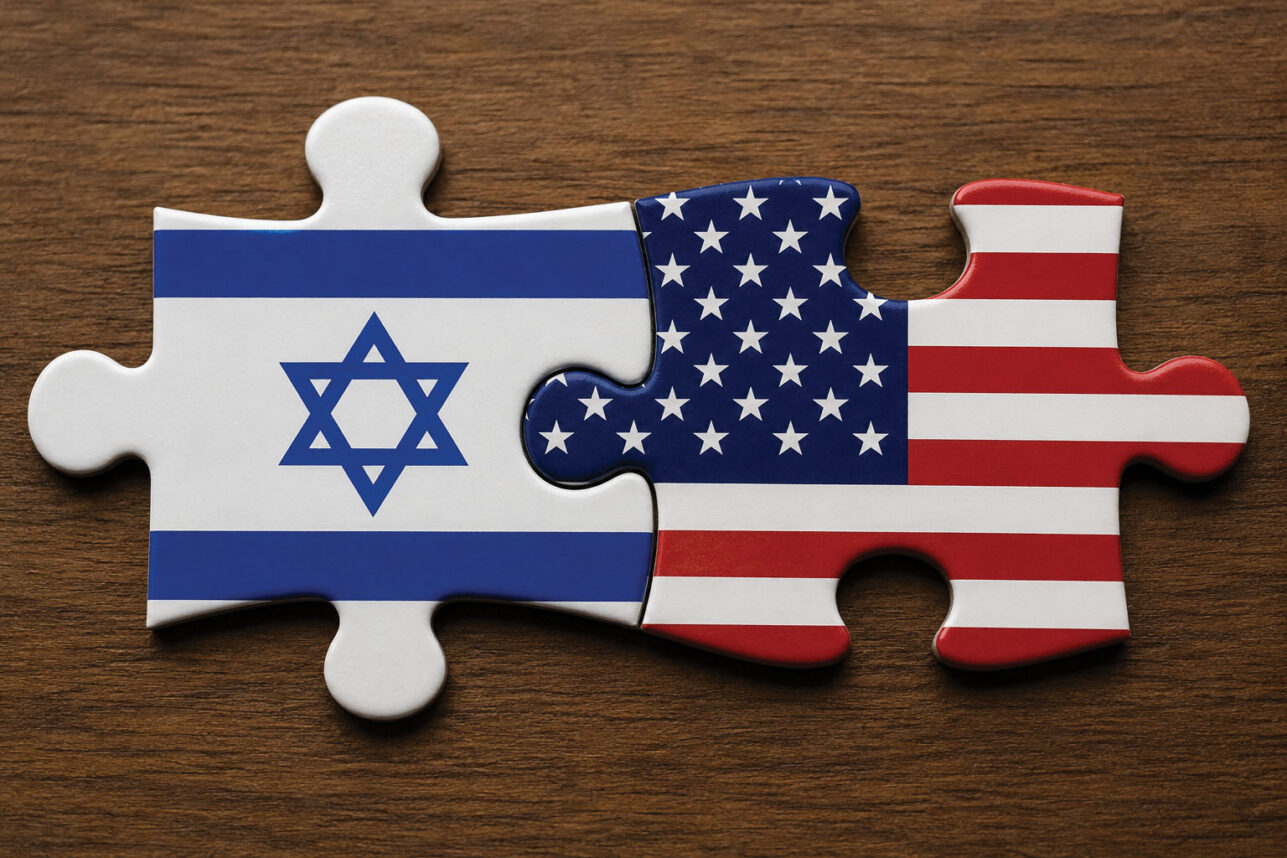
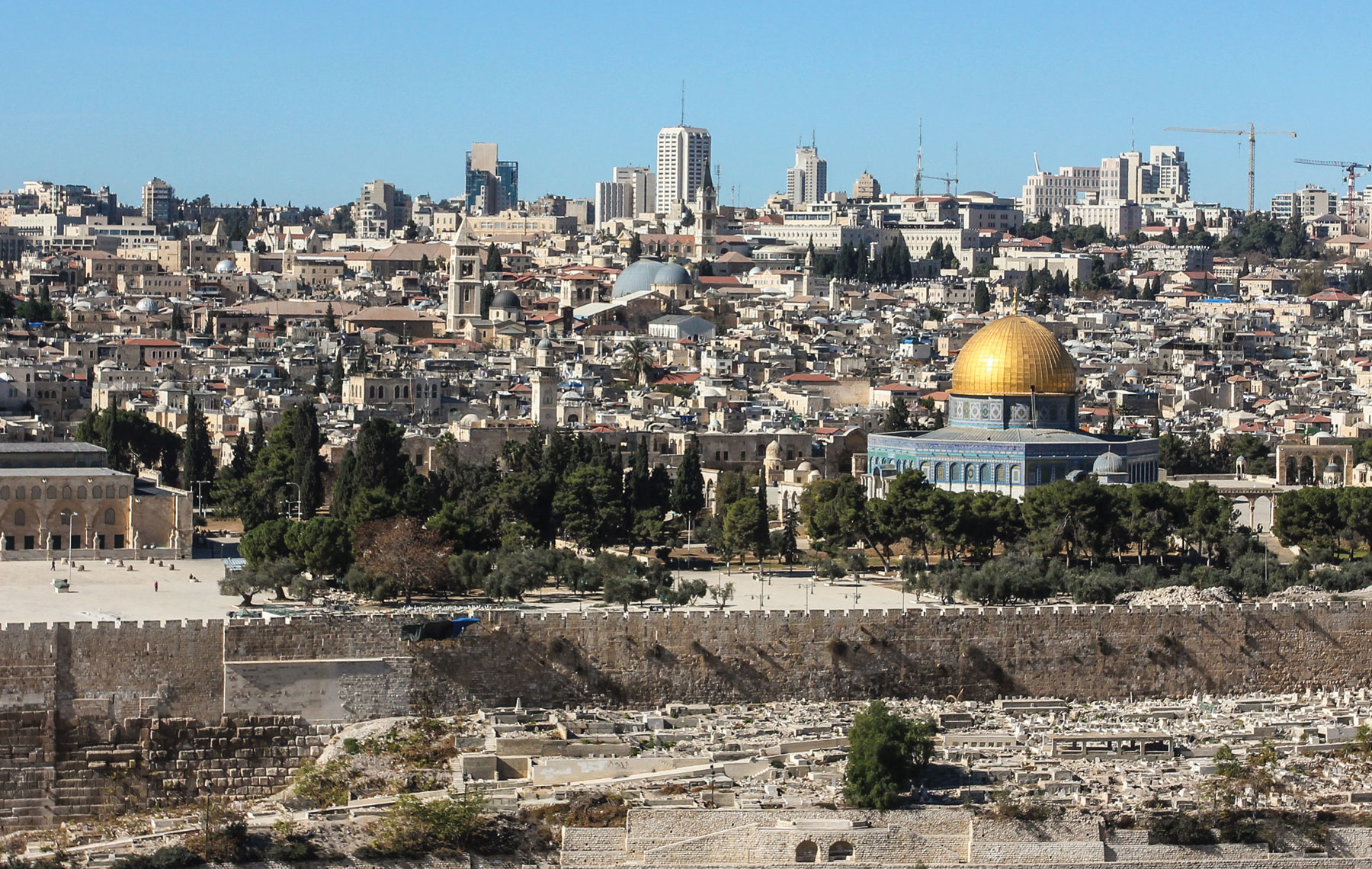
Try connecting three separate yet related events: President Donald Trump recognizes Jerusalem as the capital of Israel and moves the United States Embassy to the city.
Donald Trump cuts $200 million in U.S. aid to the Palestinians. Donald Trump freezes $300 million in annual funding for the United Nations Relief and Works Agency (UNRWA) for Palestinian refugees.
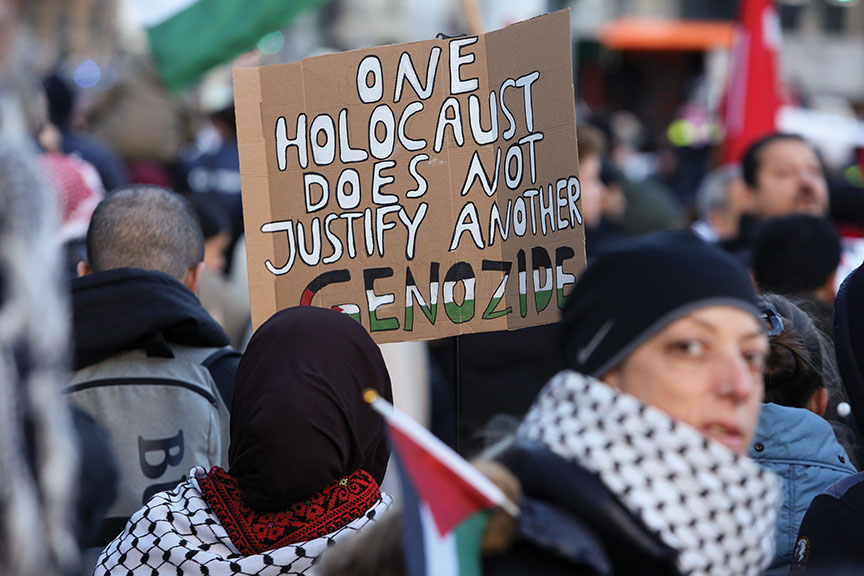
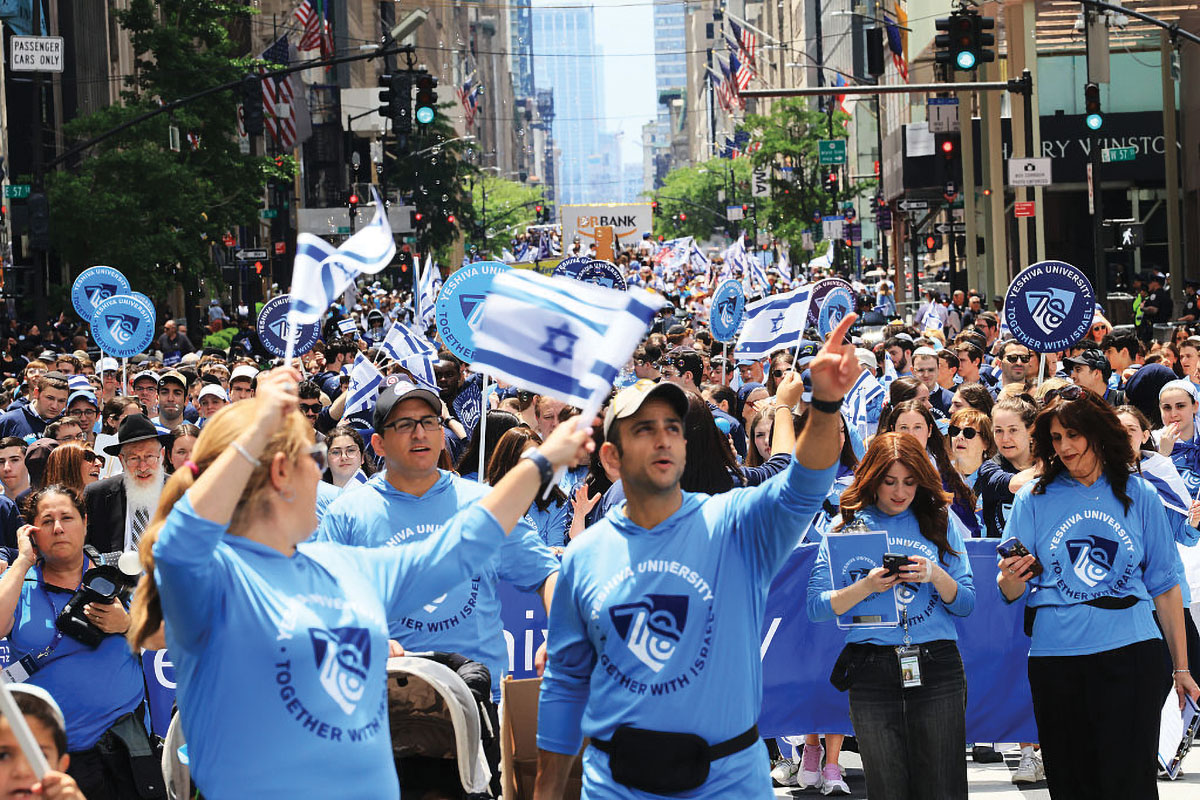
What’s similar? That’s easy. All of these moves concern the Israeli-Palestinian theater. All of them raise the fury of Palestinians. All of them are destabilizing moves. All of them signal an alteration of policy. What’s different? The first step — recognizing Jerusalem — is accepted with Israeli delight. The other two steps seem to foster mixed feelings for Israelis.
Why?
Israel does not see a way forward that can lead to a reliable peace deal with the Palestinians. Not now. Not for a long time. Not before the Palestinians have new leadership that is willing to be more realistic. While we wait for these things to happen, two contradictory interests make it difficult to navigate the conflict.
On the one hand, since this is going to take awhile, Israel hopes for stability. If it is not necessary, it will not launch an operation in Gaza. If it is politically possible, it will ease the lives of ordinary Palestinians to keep them away from being desperate.
On the other hand, since this is going to require a change of attitudes, Israel needs the boat to rock. It needs the Palestinians to realize that hoping for Israel to abandon Jerusalem is a lost cause. It needs them to relinquish the ridiculous U.N.-facilitated façade of fourth-and fifth-generation refugees.
Stability is convenient in the short term. No one wants war, violence, terrorism. Instability is less convenient but maybe necessary — if Israel desires its message to get through.
Enter Trump. Think what you think of him, stability is not the game he plays. Maybe that’s because he believes that in negotiations, one must shake the tree. Maybe that’s because he has such personality, and all other explanations are no more than rationalizations of a feverish and irrational behavior. No matter the reason, the effect is similar. As the president explained last week, “If there’s ever going to be peace … with the Palestinians, it was a good thing to have done because we took it off the table, because every time there were peace talks, they never got past Jerusalem becoming their capital. So I said let’s take it off the table.” Translation: The Palestinians were entertaining a pipe dream about Jerusalem and couldn’t get past it. So, the U.S. took Jerusalem off the table and now negotiations can resume under more realistic expectations.
The matter of the U.N. agency for Palestinian refugees is no different. The Palestinians still do not accept that a right of return for millions of grandchildren of refugees from 1948 is a killer of any hope for a settlement of peace. Trump recognizes the obstacle and signals that Jerusalem was not the last stop on reality road, that there is more to come. Next stop: UNRWA.
But on the way to this stop, the train encounters an unexpected obstacle. Well, it is not really an obstruction, more a lack of excitement. Some senior Israelis are having doubts about getting more of this sweet reality-check medicine. High-ranking defense of cials warned government agencies that a sudden cut in UNRWA’s budget could make Gazans more dependent on Hamas. Other officials expressed a fear that bold moves made by the U.S. administration would ignite violence. They see danger. The cause of keeping stability is disturbed by the cause of injecting reality.
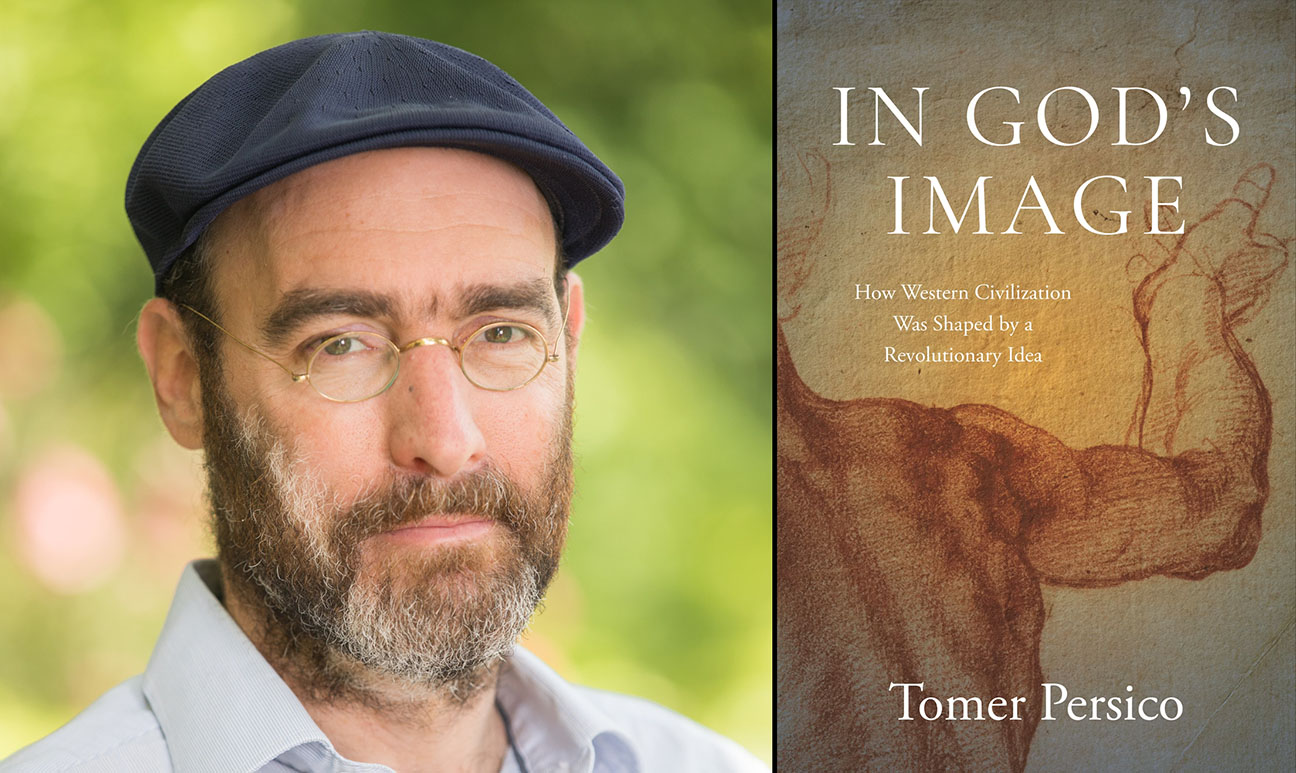
Shmuel Rosner is senior political editor. For more analysis of Israeli and international politics, visit Rosner’s Domain.