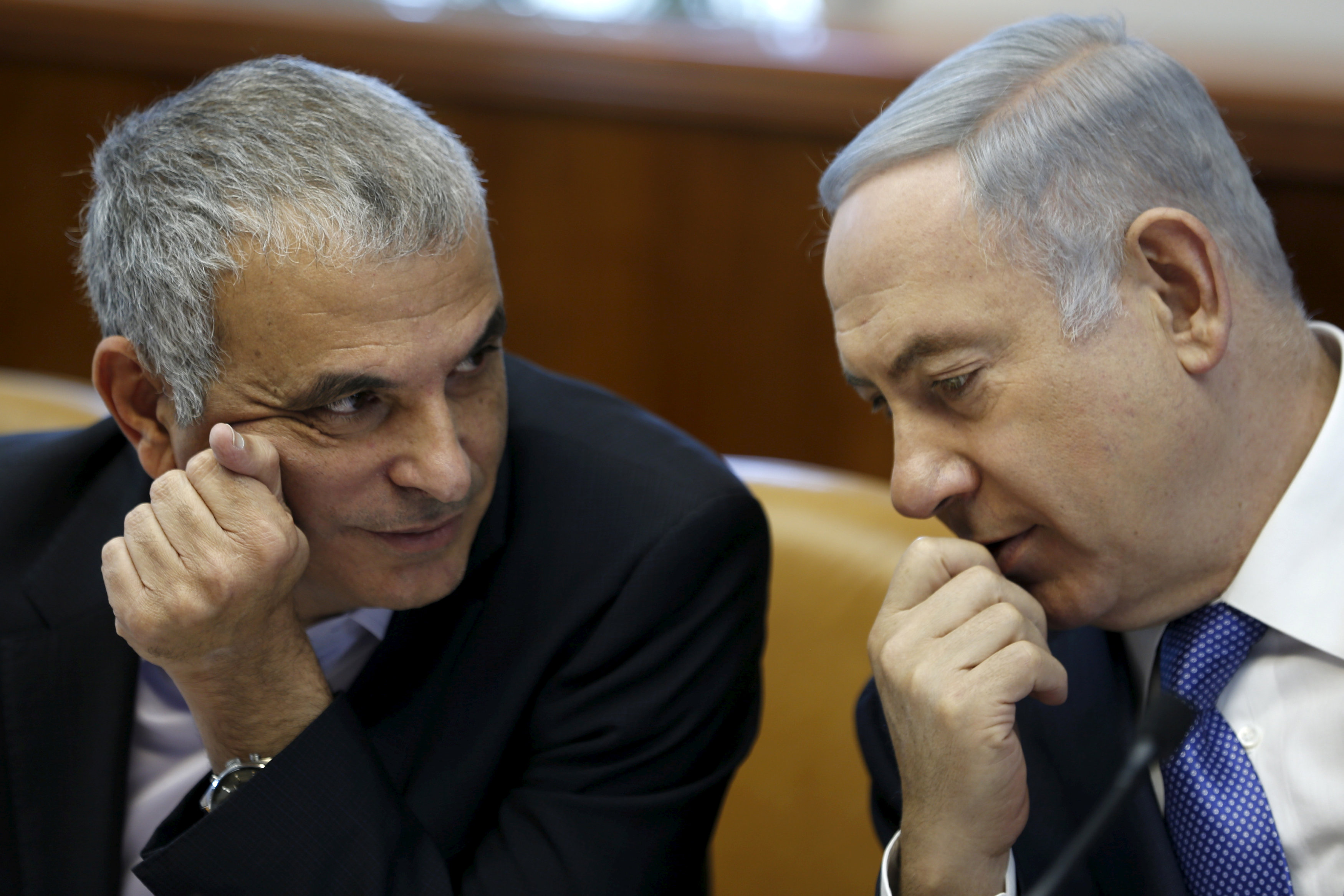
We should begin by saying it is not very likely that Israel is about to have another election because of a childish dispute over public broadcasting. The prime minister’s threats and the finance minister’s counterthreats – one would like to roll back a reform in public broadcasting, one would like it to continue – seemed serious for two or three days. But now it seems as if both politicians, Netanyahu and Kahlon, are looking for ways to climb down the election ladder.
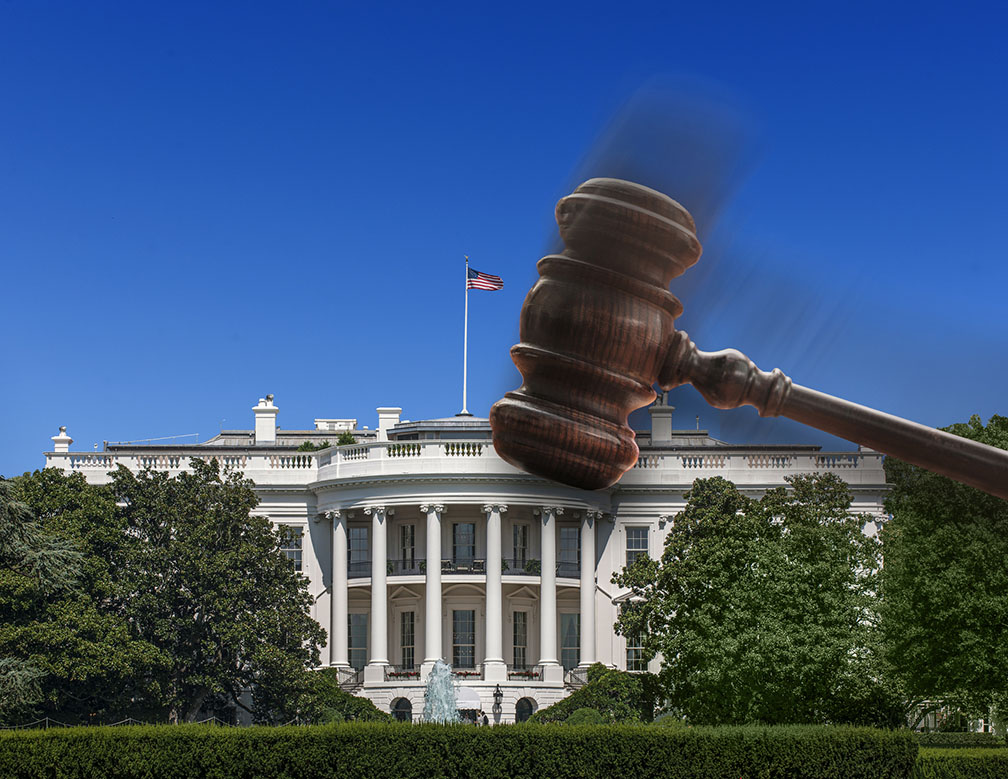
The nature of the dispute is almost ridiculous: Israel decided to dismantle its public broadcasting authority – an antiquated, inefficient, unimportant body – and create in its stead a new public broadcasting company. Netanyahu went along with the change and then he suddenly realized that the new body is about to become a new media entity that tilts politically leftward – or so he thinks. So he decided to reverse the decision, to which the finance minister objected. Hence the threat of elections. And if you think this is nuts – join the club. This is what most Israelis think.
But a few things are worth noting when the dust settles down on yet another coalition battle.
A. The prime minister is obsessed with the media, and his obsession is becoming a distraction. True – he dislikes the media for many good reasons and is justified in feeling that a lot of it is instinctively against him. On the other hand: he is the prime minister. He has been the prime minister for quite a long time. The media, as hurtful as it might be, did not prevent him from becoming the leader of Israel. It should not distract him from investing his time in leading Israel.
B. Finance Minister Kahlon has very few political bullets in his gun. He can make a threat, but when the prime minister decides to put his foot down, it will become obvious that the threat is hollow. Kahlon has few achievements to show for if elections are called. His voters might not come back. He might not come back. So yes, the last round of battle with Netanyahu turned him even more bitter and made him even less of a Netanyahu enthusiast. But it also taught him a lesson. Netanyahu still has most of the cards. And from time to time he feels a need to remind his junior partners how strong he is.
C. No one within the coalition has interest in holding elections. That’s why it isn’t likely that we’ll see them in the near future. Likud would likely lose seats, Kulanu could disappear, Lieberman would not necessarily get the defense ministry when the cards are reshuffled. The Haredi parties are enjoying the most convenient coalition they’ve had in a long time. The only party that could gain some power is Habayit Hayehudi. Their number of seats would likely grow, and they would possibly get a better coalition deal as a result. But what if the next coalition is a center-right coalition? In that case, they are also the party most likely to get benched. That is a significant risk for a probable insignificant gain.
D. It is not just Kahlon that was puzzled by Netanyahu’s behavior. Many of his coalition partners believe that he has lost it this time, many of them really dislike him, many of them would like to see him replaced. Netanyahu has in his coalition few admirers and a lot of rivals awaiting his downfall.
E. Public broadcasting is a nice idea that politicians tend to ruin. Since it is, by definition, an organization controlled by the public; and since the representatives of the public are politicians; and since politicians have nothing to gain from having yet another watchdog sniffing for scandals; and since the politicians have the power to tame this watchdog, the result of having public broadcasting can be one of two: either it is not significant enough to bother the politicians, or it becomes significant and then is tamed by them. It cannot be both significant and untamed. And if it can’t, the question becomes why it is needed at all.
F. What happens if elections are called in the next few months? The polls make it clear that an alternative to the current coalition will not be an easy one to assemble. That is, unless all the leaders of other parties who feel that it is time for Netanyahu to go agree to join a coalition for this purpose. That might be a short-lived coalition, but it would achieve its main objective – to get rid of the current PM and clear the field for other candidates to enter.