












Maybe we are fighting the wrong battle.
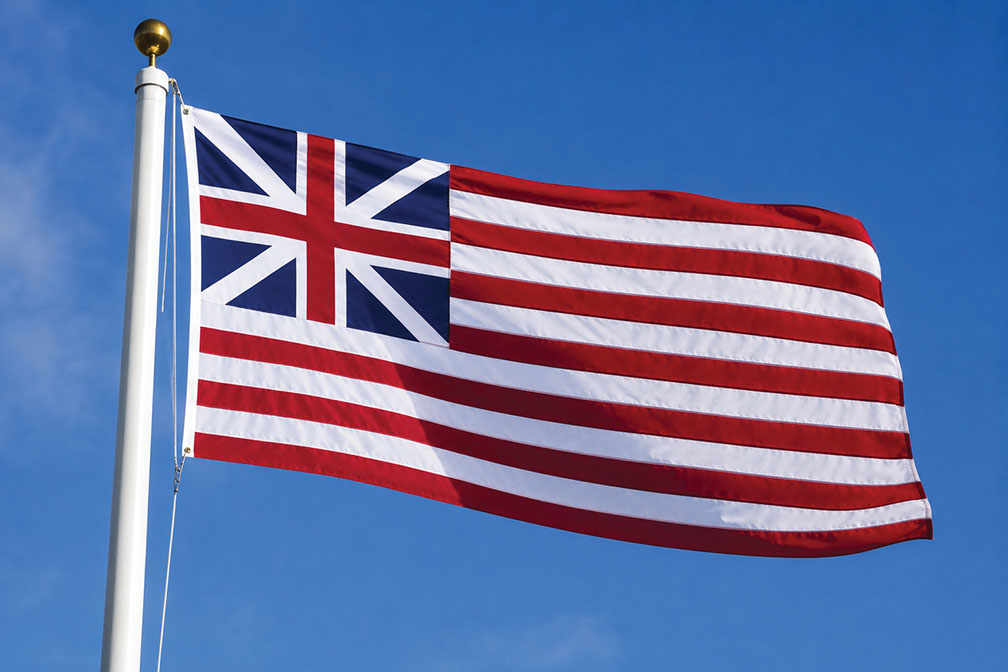
The Continental Union Flag deserves to be remembered as a window into the political process of independence, as in the time of biblical Israel.
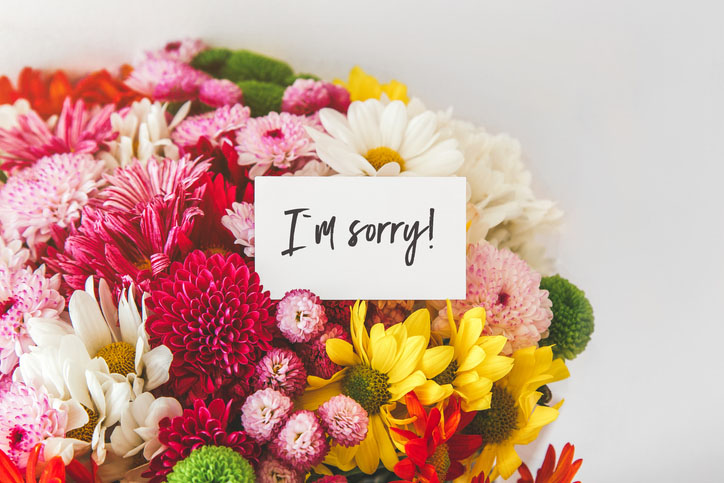
The classic case of a “nonapology” apology is when the allegedly contrite offender says something to the effect of “I’m so sorry that you’re upset.” Note that the speaker doesn’t actually acknowledge doing anything wrong.
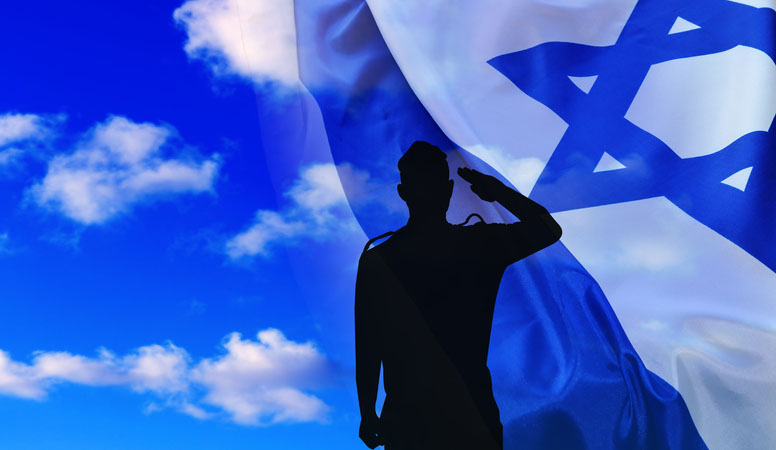
Most nations honor their fallen, but Israel does something more. We make a covenant with them.
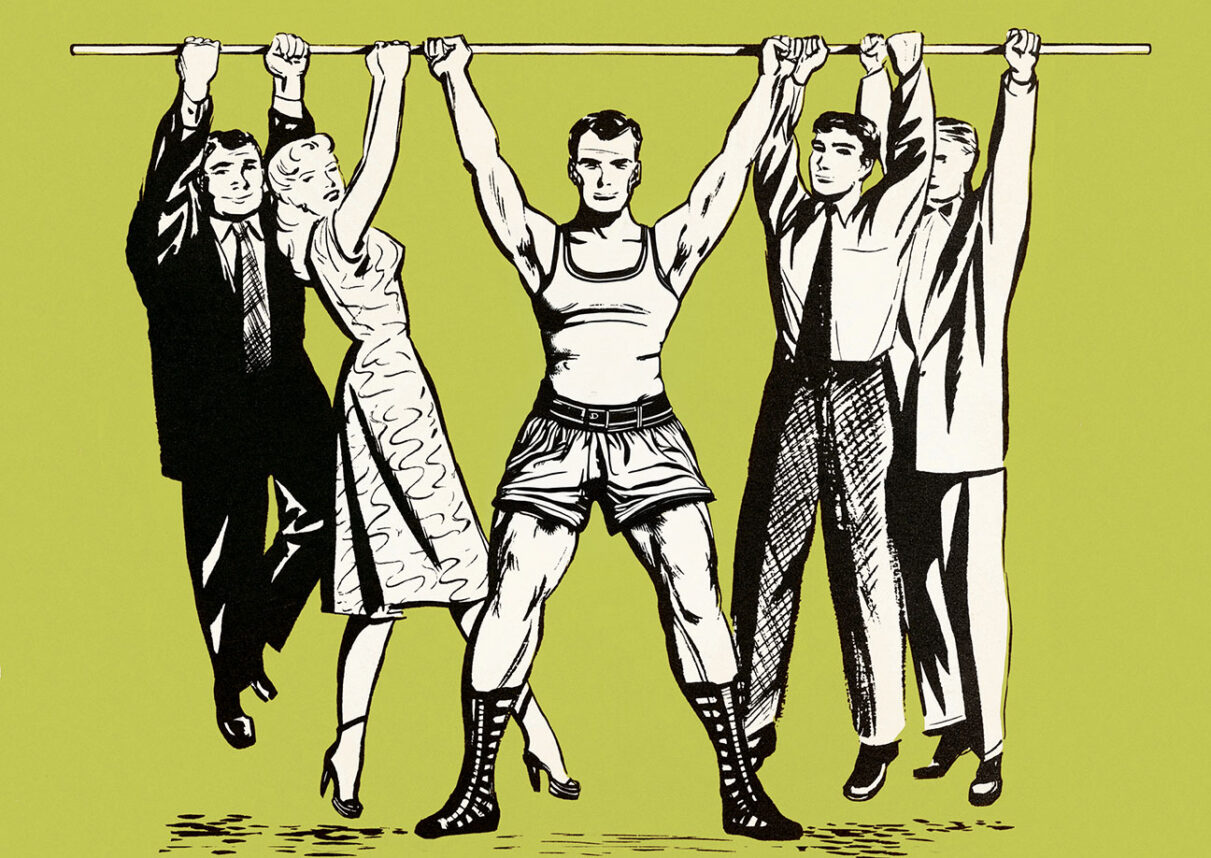
Without noticing it, my body has gone from a shiny new Audi to a dented rent-a-wreck. I went from “Let me get it” to “Just give me two minutes to catch my breath.”
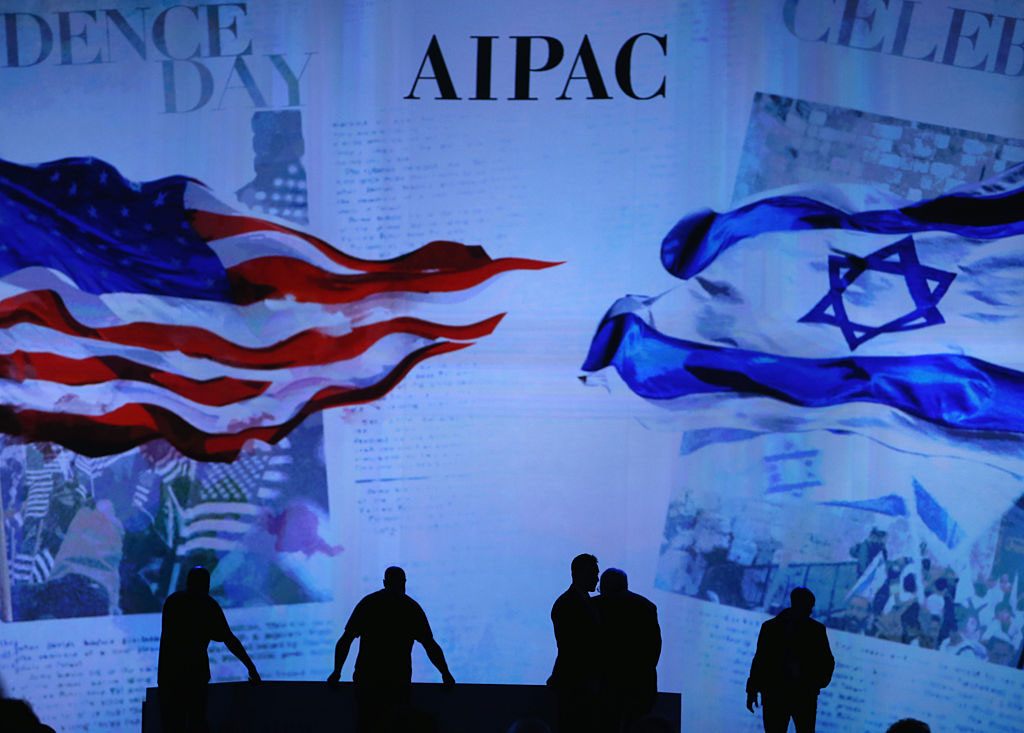
AIPAC’s leaders face fundamental strategic questions unlike those they have confronted in the modern era.… Their ability to adapt to these new circumstances will define not only their future, but that of the U.S.-Israel relationship in this uncertain era.
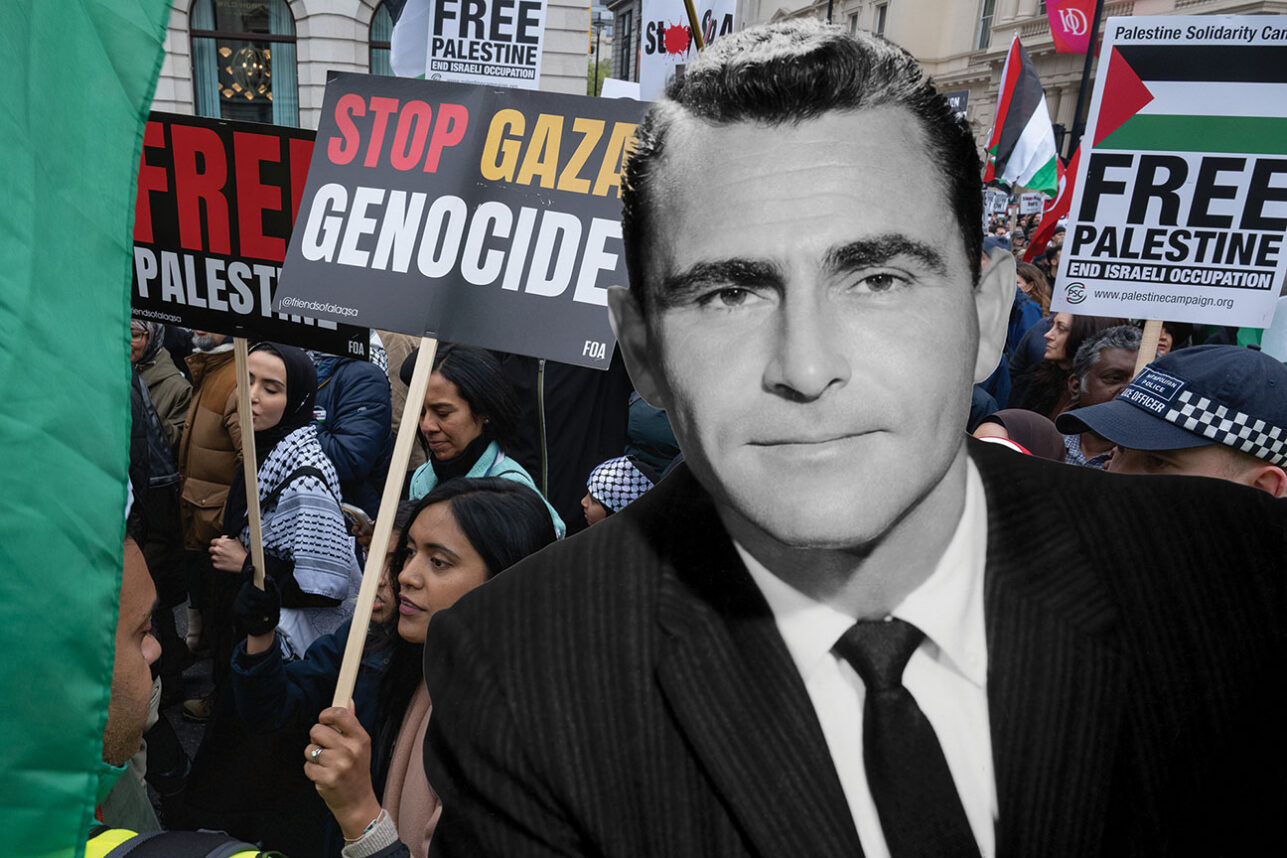
Once an accusation this explosive becomes accepted as fact, it changes the moral status of the accused. Israelis become genocidaires. Zionists become supporters of genocide. Jews who support Israel become apologists for genocide.

Jews must attack the lies with the same fervor our enemies spew them.
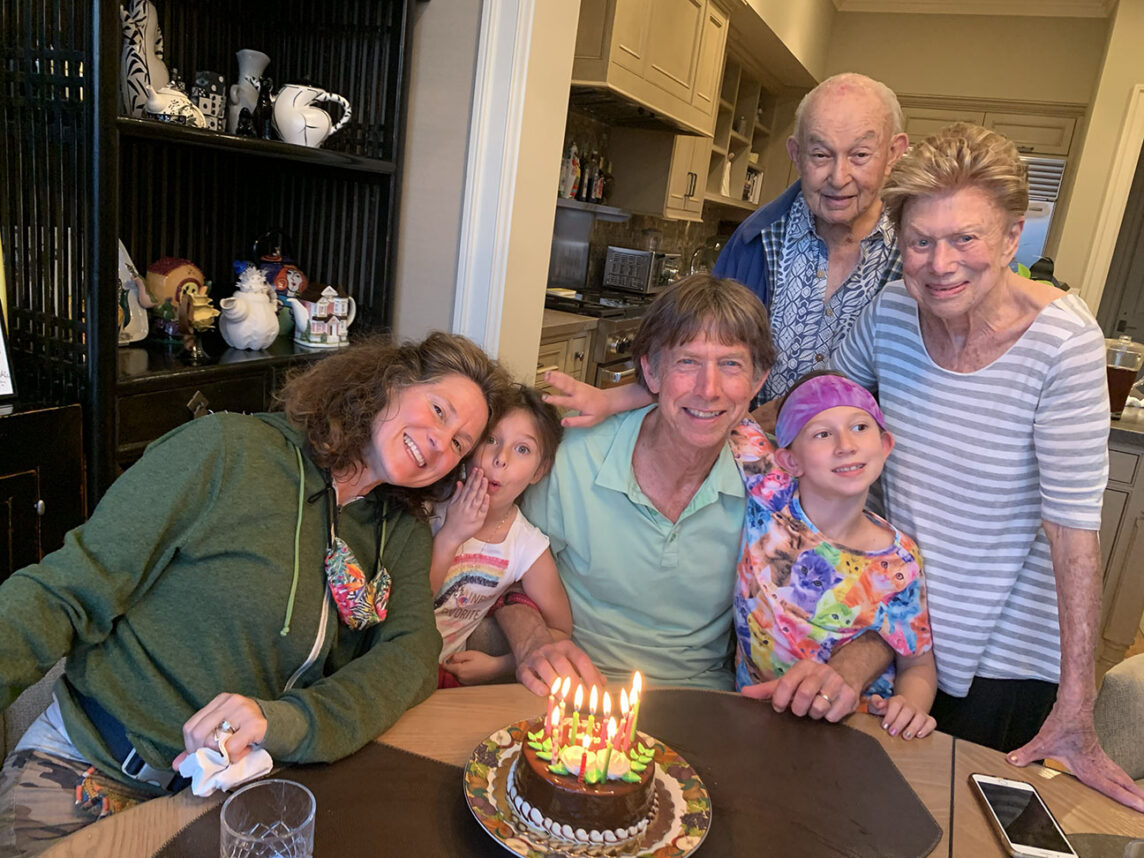
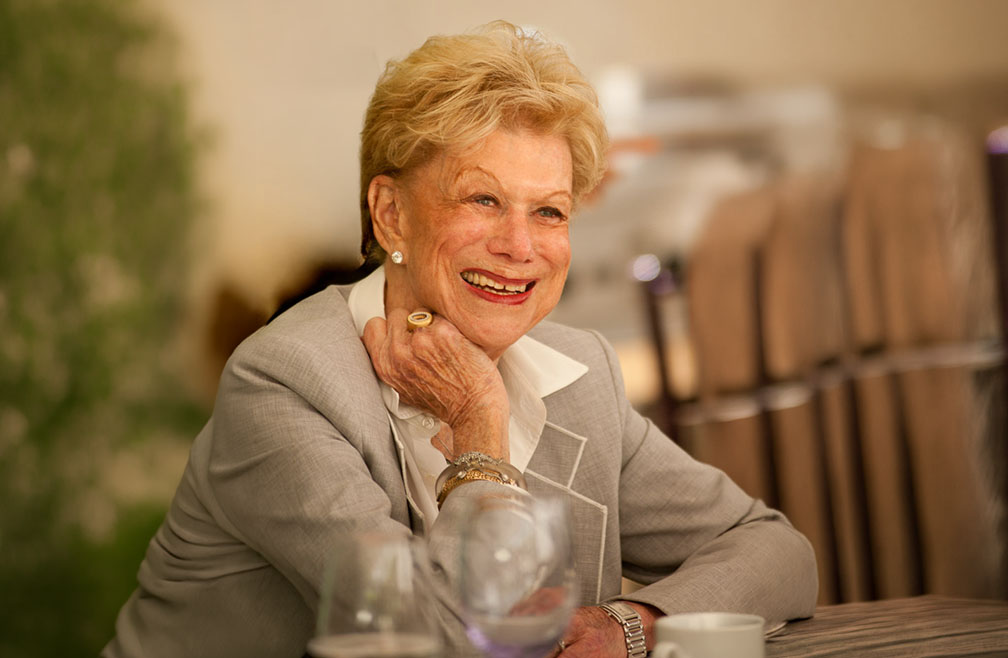
Maintaining a positive disposition so consistently is difficult to pull off. I know I can’t.
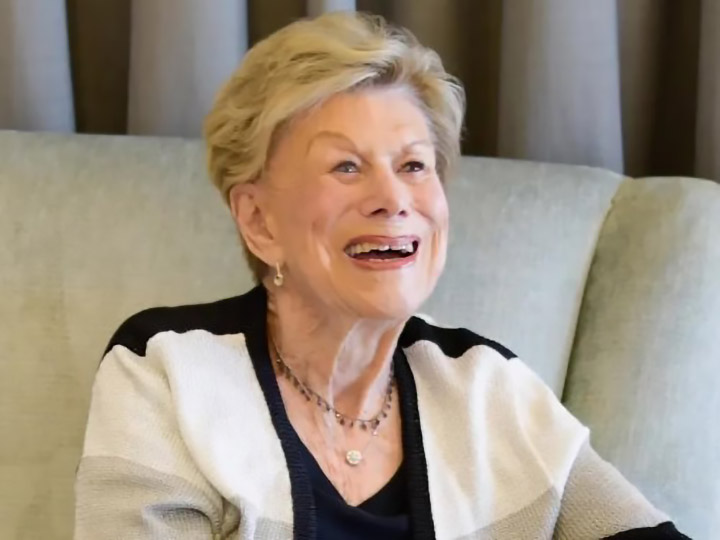
In Loving Memory, 1930–2026
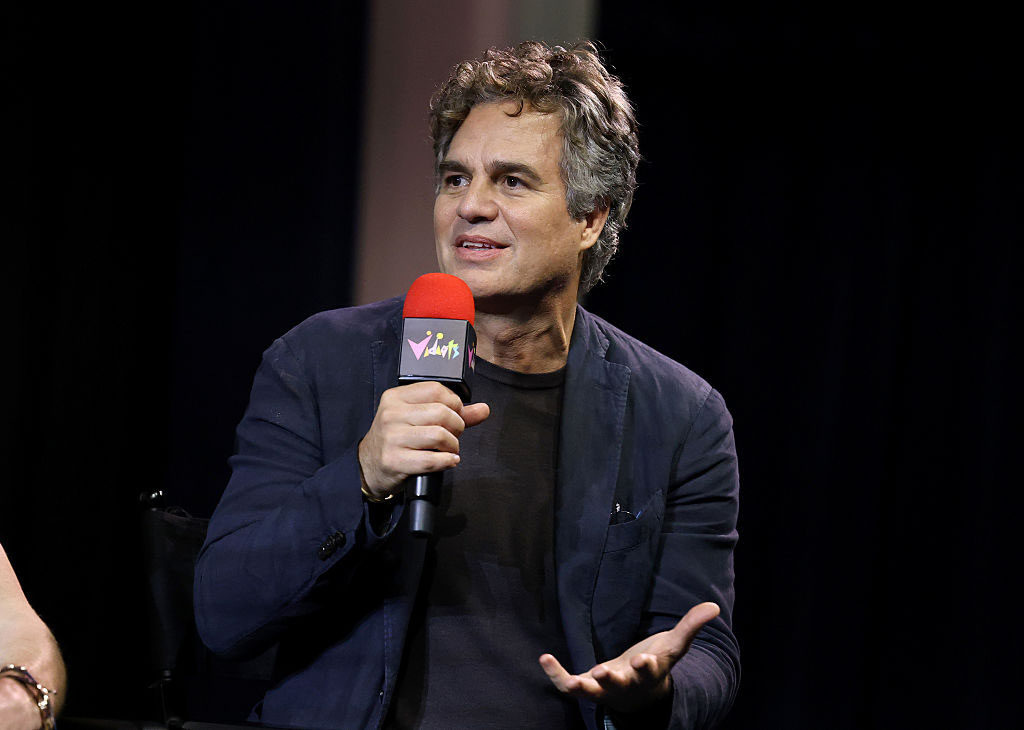
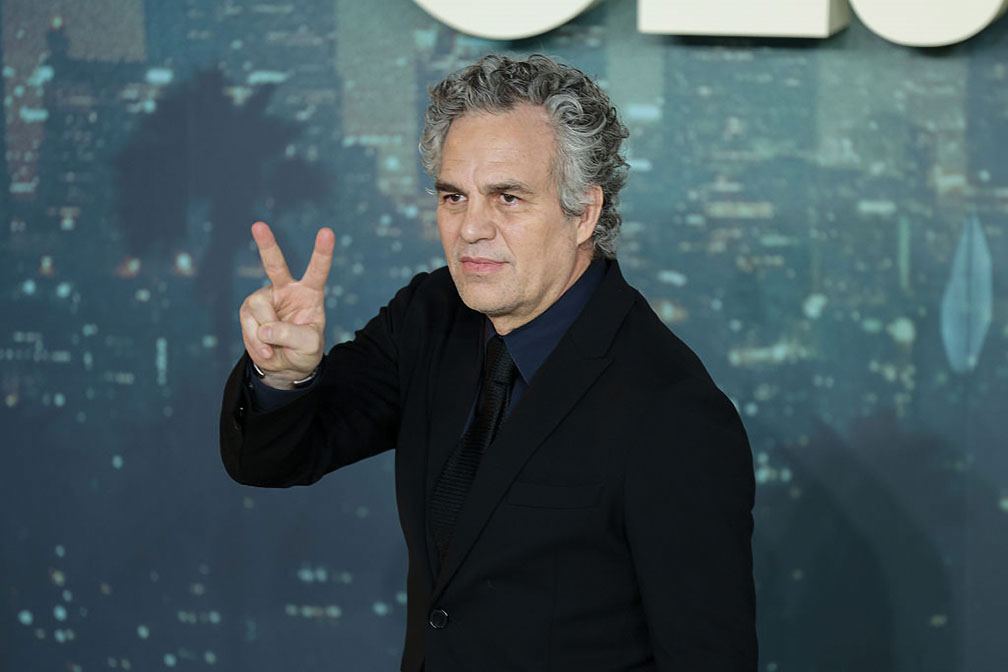
The most devastating rebuttal to Mark Ruffalo in 2026 comes from Mark Ruffalo himself in 2021.

What Ruffalo actually did was take a family’s business decision, an American company buying an American media conglomerate, and launder it through Israel to try and make it seem sinister.
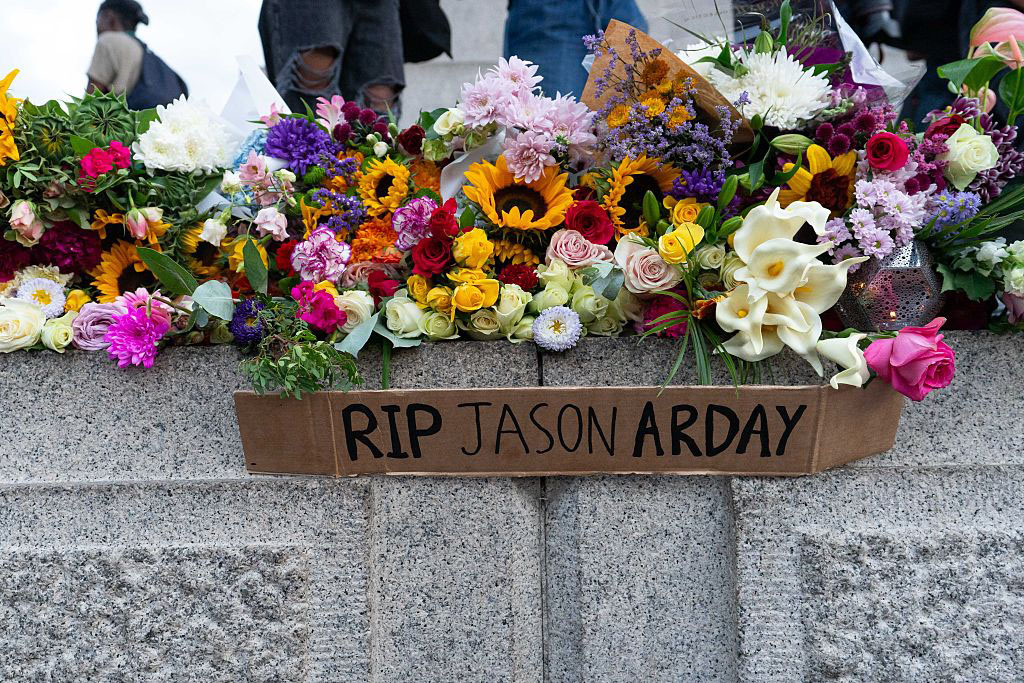
It’s racist to hand someone a job based on skin color alone. They will be doomed to fail because representing one’s identity is not the same thing as mastering a profession.

On Monday, the council will vote on a motion to cut ties with Israel.
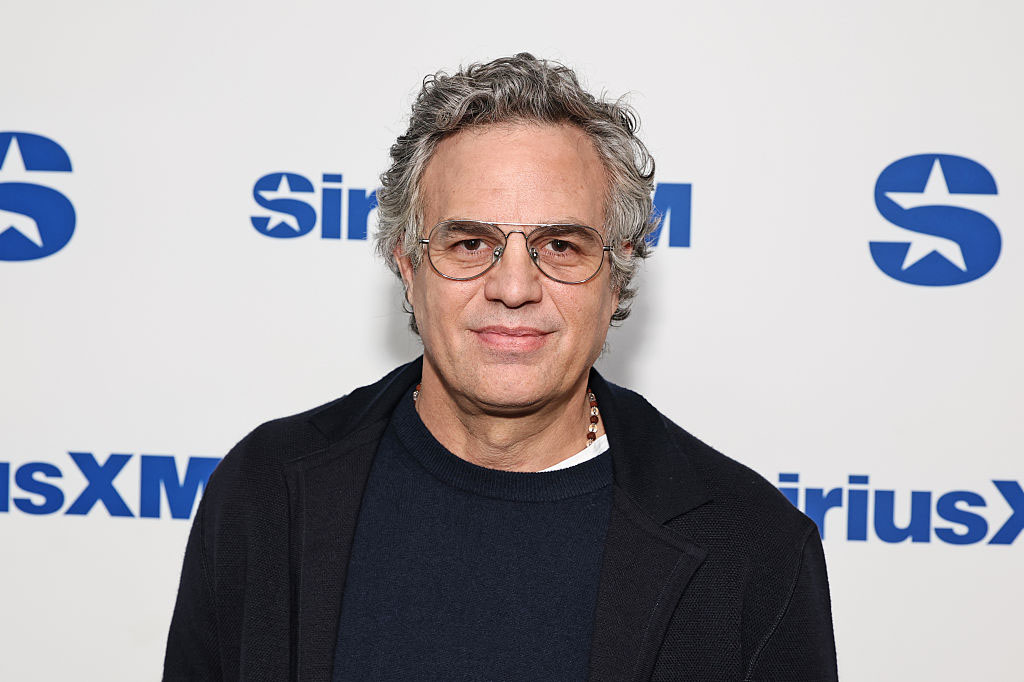
The entertainment-industry organization said Ruffalo fused criticism of Israel with conspiratorial themes involving Jewish wealth, media ownership and concentrated power. Ruffalo called the antisemitism allegation “fundamentally dishonest.”
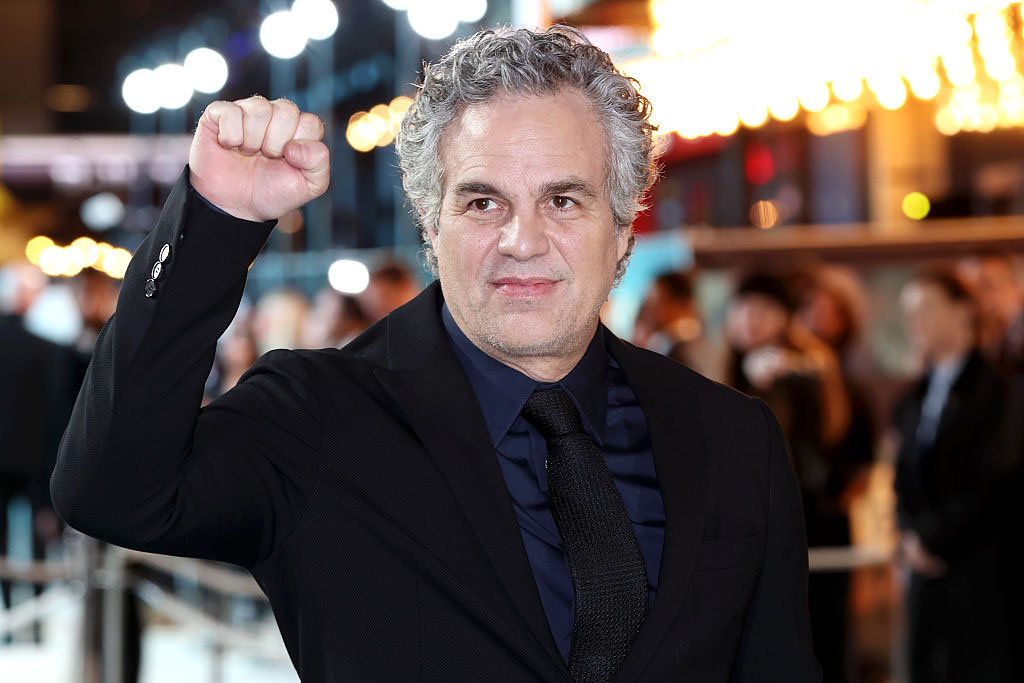
Ruffalo made the Ellisons’ relationship with Israel—and the nationality of an Oracle executive—a core part of his indictment of the Warner Bros. Discovery deal.
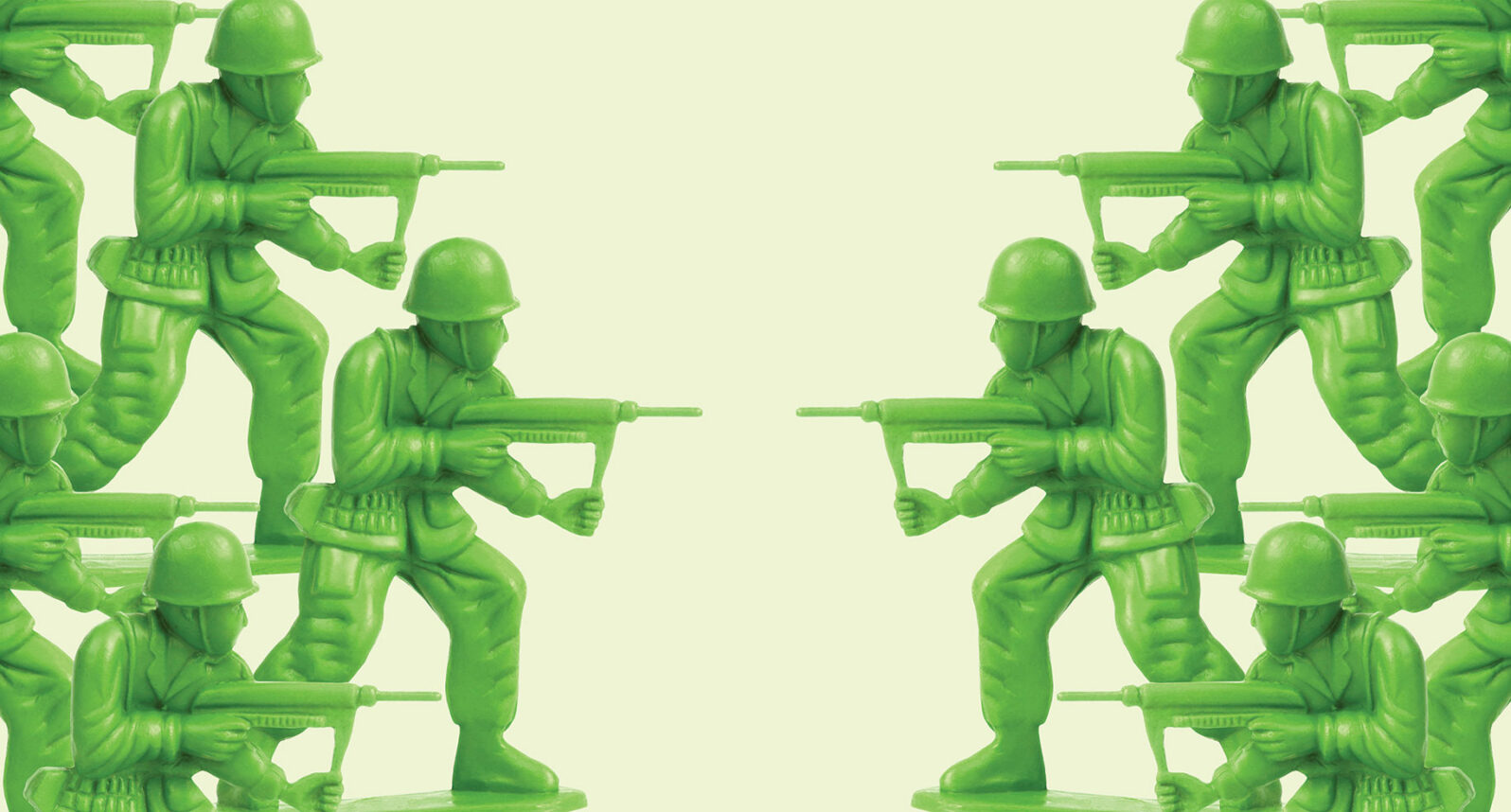
When you go out to war, be nice.
Chosen Links by Boaz spotlight