fbpx

Rosner’s Torah-Talk: Parashat Shelach with Rabbi Debra Newman Kamin

[additional-authors]
June 12, 2015

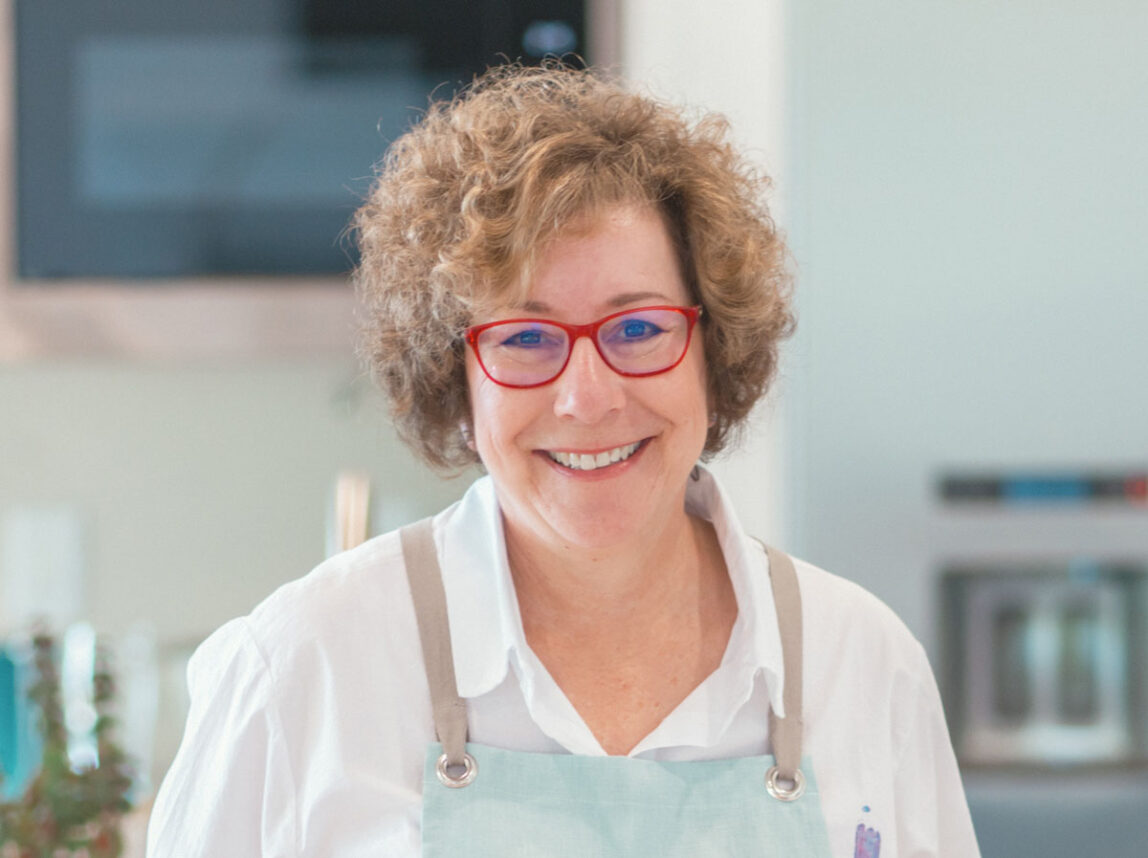
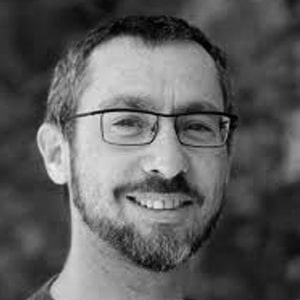
Our guest this week is Rabbi Debra Newman Kamin, leader of the Am Yisrael congregation in Northfield, Illinois. Rabbi Newman Kamin came to Am Yisrael in 1990 to serve as the congregation’s Assistant Rabbi. In 1994 she became the Congregation’s sole Rabbi. At that time Am Yisrael became the first congregation in the Chicago metropolitan area to be headed by a woman, and for many years was the largest Conservative congregation in the country to have that honour. Rabbi Newman Kamin serves on the Chancellor’s Cabinet of the Jewish Theological Seminary. She is also a member of The Executive Council of the Rabbinical Assembly and was President of the Chicago chapter of the Rabbinical Assembly (2004-06). She currently serves as the Financial Secretary of the national Rabbinical Assembly and was selected to participate in the prestigious Hartman Institute program. Rabbi Newman Kamin is the 2005 recipient of the Jewish Theological Seminary’s Rabbi Simon Greenberg Rabbinic Achievement Award.

This week's Torah Portion – Parashat Shelach (Numbers 13:1- 15:41) – features the famous story of the twelve spies sent to examine the land of Canaan. It tells about how the people of Israel cry and grumble against Moses and Aaron, asking to go back to Egypt, and about God’s declaration that they will spend 40 years in the wilderness. The parasha ends with a set of commandments concerning offerings to God and with a curious story about a man who is stoned for picking up sticks on Shabbat. Our discussion focuses on the psychological state of the people of Israel in the desert.

Our previous talks about Parashat Shelach:

Rabbi Jeffrey Arnovitz on Joshua’s model of leadership

Michael Melchior on the identity of the spies sent to Canaan

Did you enjoy this article?
You'll love our roundtable.

Editor's Picks

Latest Articles

Post-Passover Pasta and Pizza

What carbs do you miss the most during Passover? Do you go for the sweet stuff, like cookies and cakes, or heartier items like breads and pasta?

Freedom, This Year

There is something deeply cyclical about Judaism and our holidays. We return to the same story—the same words, the same questions—but we are not the same people telling it. And that changes everything.

A Diary Amidst Division and the Fight for Freedom

Emma’s diary represents testimony of an America, and an American Jewish community, torn asunder during America’s strenuous effort to manifest its founding ideal of the equality of all people who were created in the image of God.

More than Names

On Yom HaShoah, we speak of six million who were murdered. But I also remember the nine million who lived. Nine million Jews who got up every morning, took their children to school, and strove every day to survive, because they believed in life.

Gratitude

Gratitude is greatly emphasized in much of Jewish observance, from blessings before and after meals, the celebration of holidays such as Passover, a festival that celebrates liberation from slavery, and in the psalms.

Freedom’s Unfinished Journey

The seder table itself is a model of radical welcome: we are told explicitly to invite the stranger, to make room for those who ask questions and for those who do not yet know how to ask.

Thoughts on Security

For students at Jewish schools, armed guards, security gates, and ID checks are now woven into the rhythm of daily life.

Can Playgrounds Defeat Antisemitism?

The playground in Jerusalem didn’t stop antisemitism, and renovating playgrounds in New York City is not likely to stop it there, either — because antisemitism in America today is not rooted in a lack of slides or swings.

More news and opinions than at a Shabbat dinner, right in your inbox.