
















Sibling Rivalry

The book casts its net far and wide, from debates within the field of research itself to the analysis of genocidal events across the past century.

For an Israeli observer of the American elections, there is a double cause for concern.

Over the last few weeks, Americans and Israelis voted in elections that are consequential to the characters of both countries. For many, these elections represent inflection points, where the outcome signals the directions their respective societies will take moving forward.

The future of the U.S.-Israel relationship will not be secured by winning one more primary. It will depend on whether Americans understand why Israel matters, why Jewish self-determination is legitimate, and why the alliance benefits both nations.

Everyone is entitled to choose how to live, but the state is not obliged to finance every choice. Those who do not complete secondary education, do not serve in the military, and do not work should not receive state support to maintain that way of life.

Carroll, having helped swing Maryland toward independence, was elected to Congress on July 4, and signed the Declaration in August, the only Catholic among the signers and the only one to add his estate to his name.

Trump said Prime Minister Benjamin Netanyahu had agreed to the change and argued that Israel no longer needed the funding.

It is easy to be proudly Jewish when our identity is celebrated. It is harder when Jewish solidarity demands disagreeing with one’s friends or political party.

The parsha begins with a direct statement: “This is the story of Isaac, son of Abraham.”

The organization will be bringing together eight Jewish adoptees of color to be in community over a seven-month period.

Rabbi Kushner provides a path for elevating our humanity, appreciating the wisdom of Jewish tradition and practice, and experiencing the divinity residing within all humans, even those who do not yet acknowledge God’s presence.

When Eli Beer ecently learned that Eli Cohen’s widow, Nadia, was still alive at 91, he knew he wanted her to be the guest of honor at United Hatzalah’s annual gala in Los Angeles.

The results will bring the number of Jewish governors to seven in January 2027. The incoming U.S. Senate will have 10 Jewish members, including nine Democrats and one independent.
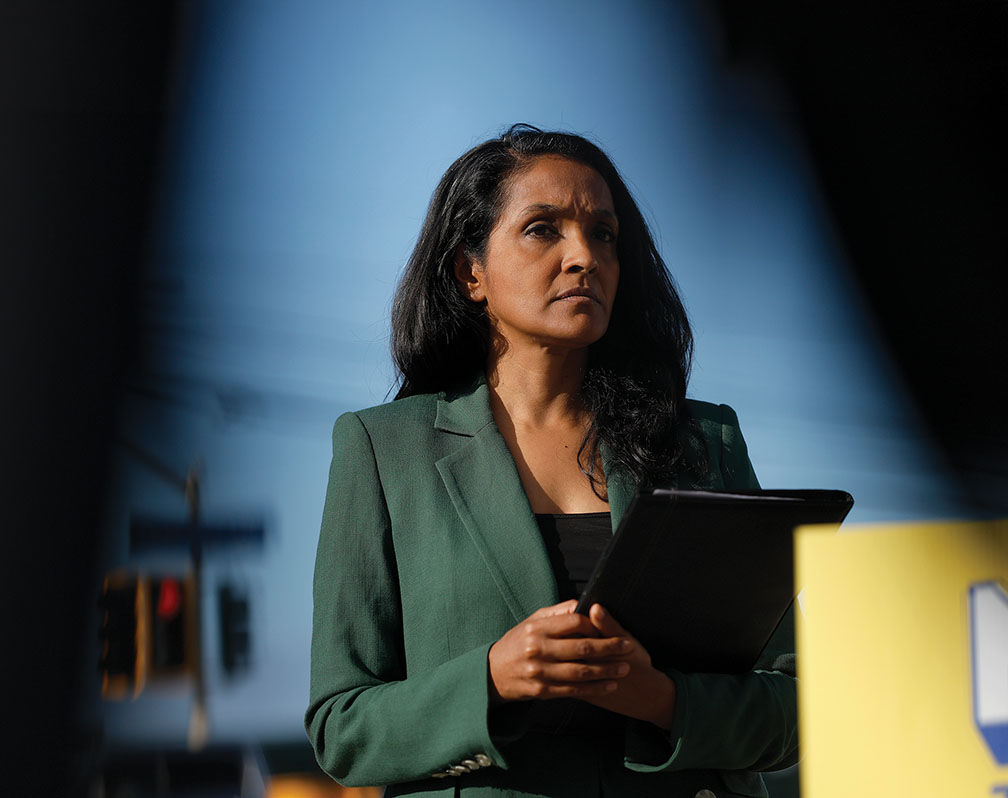
Raman has called BDS a legitimate form of protest, while her campaign says a boycott of Israel will not be part of her agenda as mayor. I take her at her word, and I will hold her to it.

What’s most troubling is that, much like what happened in Germany on that horrible night, the participants in the bike ride were normal people, your friends and neighbors.

We might vow to distance ourselves from those who do evil, but when it involves friends and family, it can be excruciating to do so.

The term “f-bomb” has become obsolete. The one-time shocker is so common that it’s more of an f-firecracker.

When I reunite with my parents, I imagine it will go something like this.
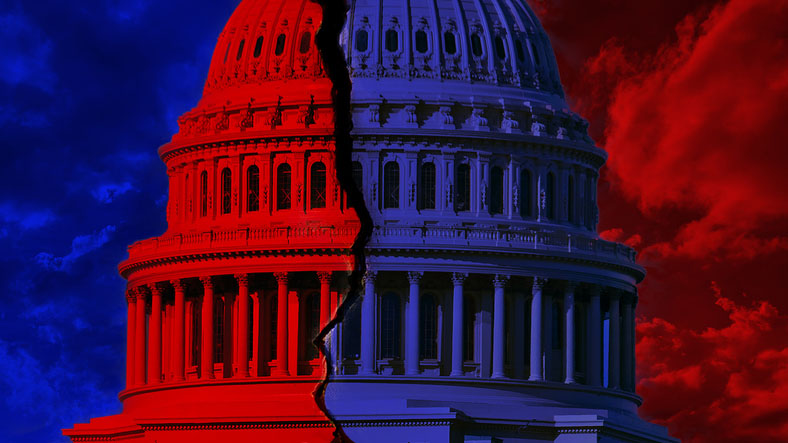
If neither of the nation’s two dominant political parties is willing to commit to us, then we are under no obligation to commit to them.
