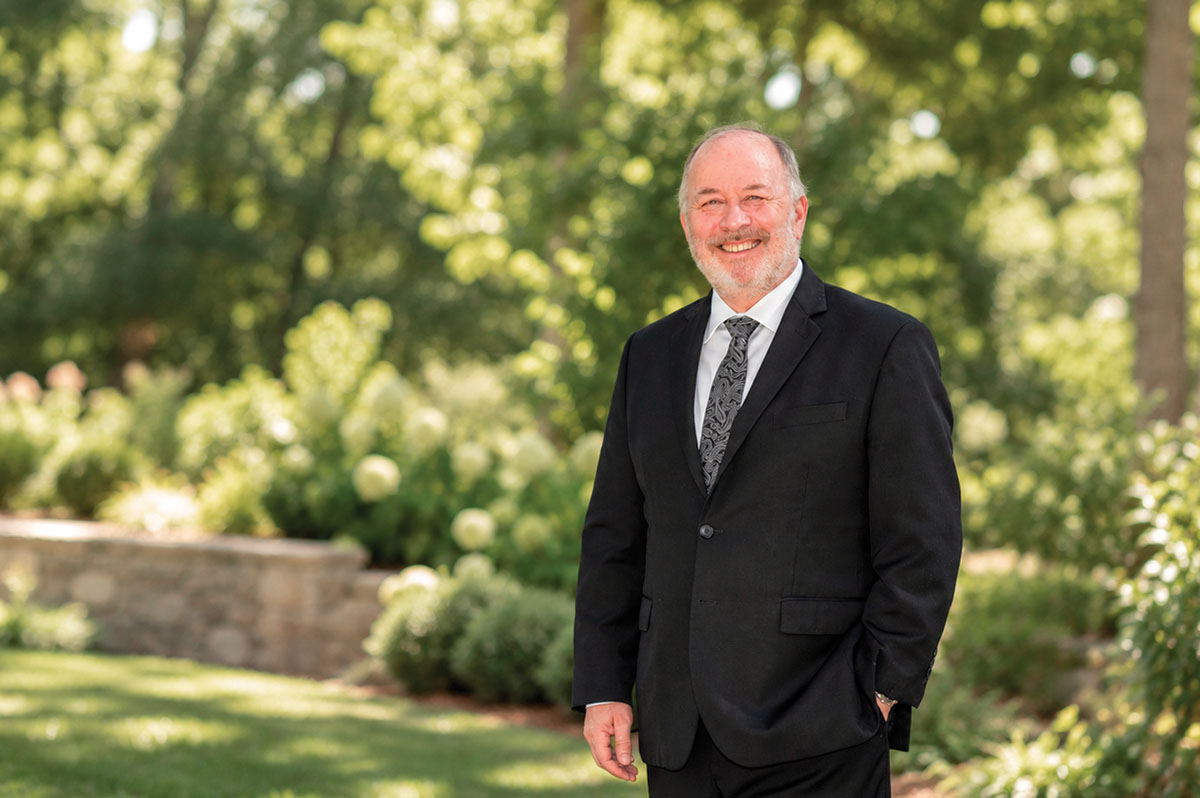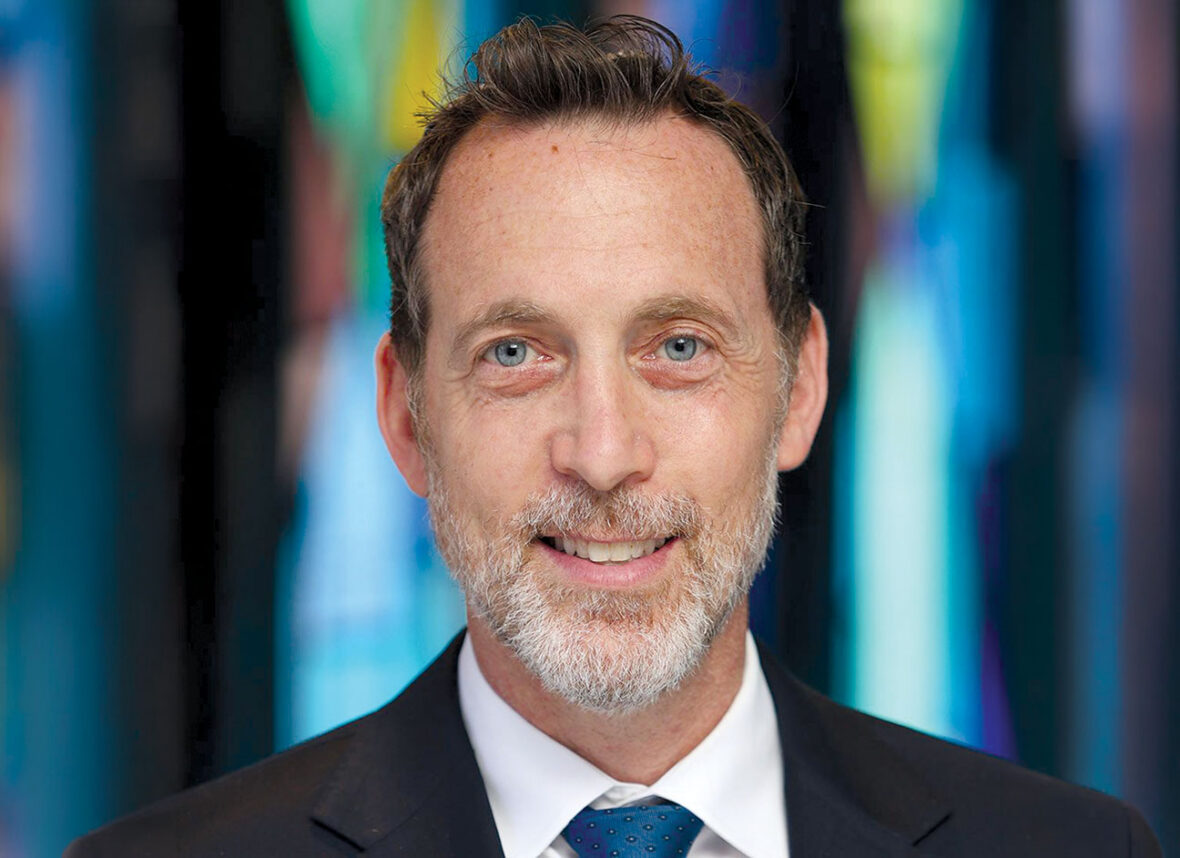
In advance of the publication of “Thanks, Obama. My Hopey, Changey White House Years,” we conducted an iMessage interview with former White House speechwriter David Litt on Monday. This interview has been edited and condensed for clarity.
[This interview originally appeared on jewishinsider.com]
JI: In the book, you write “if something kishke-related came up (at the White House), I was the go-to guy.” How did you become that guy?
Litt: In 2011, President Obama delivered a speech at the Union of Reform Judaism’s annual meeting. I had this moment where I was like “As a kid, I did eight years of Hebrew school and never knew why. This is why!” After that speech if something was going to be delivered to the American Jewish community, I generally handled it.
JI: How was teaching Hebrew to the President?
Litt: It was great, except for the hard ‘CH’ sounds. Those didn’t go so well. People could be pretty hard on him if he didn’t get a “Chag Sameach” right, but I write in the book about how he gave it plenty of tries. And it’s not like he grew up with that sound. As we all know, it’s a tough one!
JI: In 2012, you were in the storm path of one Harvey Weinstein. How did that happen?
Litt: Maybe it’s best to let people read the whole story in the book!
JI: You mention your great-grandparents from Eastern Europe several times in the book. If they were still with us, what do you think they would be most surprised to read?
Litt: Honestly, I think they’d be stunned that I ended up in the White House just a few generations after they arrived here with almost nothing, in many cases not even speaking English. That’s such a typical American story, but we shouldn’t lose sight of how remarkable that typical-ness is. And I like to think they’d understand that in it’s own way, the fact that I got serve under America’s first black president is part of that story too. This is a country that at its best is always expanding its definition of what’s possible, and my family got to be part of that.
JI: Not to spoil the ending to a chapter about the legendary Correspondents’ Dinner speeches, but what did you have to tell the President after he asked what happened to using a photoshopped picture he liked of him and Bibi Netanyahu in 2013?
Litt: “I’m sorry, Mr. President, we just couldn’t use that picture. You kind of looked like Hitler in it.” Like you said, it’s a long story.
The book is available now on Amazon for $18.29 (hardcover)