
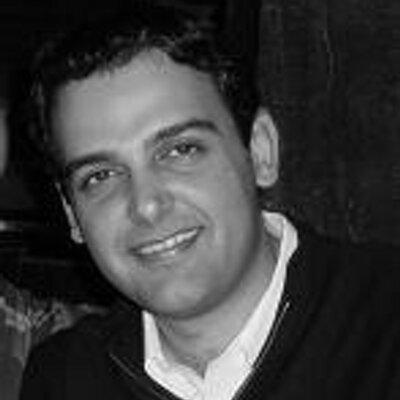
This year I had the special honor of interviewing Frank Nikbakht, an Iranian Jewish activist and head of the Committee for Minority Rights in Iran based in Los Angeles after he was recognized by the Jewish Journal as a mensch. For nearly two decades he has volunteered his time and energy into exposing the human rights violations committed by the Iranian regime against Jews, Christians, Zoroastrians, Baha’is, and even Sunni Muslims living in Iran. He still volunteers nearly 20 hours per week for this worthy cause and has never sought the limelight. The following is a portion of my recent conversation with him:
In 2000 13 Jews living in the city of Shiraz in Iran were arrested on trumped up charges of spying for Israel and were facing imminent execution. Can you please shed light on why you decided to join a group of Iranian Jewish activists to go public with this case in the media?
We realized that the Iranian Jewish leadership outside of Iran’s traditional view of keeping the community silent regardless of the discrimination and executions facing Jews in Iran was wrong. We believed that silence would only encourage the persecutors because we knew what silence had done before during the holocaust to the Jews in the previous decades, so we wanted to break that cycle. We also believe that the Iranian regime needed international pressure in order to stop persecution of Iranian Jews and the Shiraz 13. We were fighting for the dignity of the Jews who did not speak out against their persecutions. Eventually the Iranian regime backed away from the espionage charges and the executions and the Shiraz 13 were released.
Why is it important to you to expose the anti-Semitism and discrimination of the Iranian regime against religious minorities in that country today?
A fanatic religious government has taken away our country, they have taken away our civil rights by demoting me and people I knew into second and third class citizens. By us not opposing the policies and practices of this regime in Iran we are only encouraging them and even allowing them to export the same policies abroad to the Iranian émigré communities. The world is now smaller than it used to be and fanatic ideas spread as much as other ideas. In order to save lives and the dignity of the religious minorities as whole in Iran we must continue to speak out against this regime in Iran. It’s more important for me to speak out because those people who have been assigned to lead the Iranian Jewish community as well as other religious communities have always refrained to speak out against the discriminations and the atrocities of the Iranian regime.
A 57 year old married Iranian Jewish woman was recently murdered in the Iranian city of Isfahan. Why do the approximately 10,000 to 20,000 Jews still continue to live in Iran today despite the potential threats they face from the regime?
First of all it is very difficult for more traditional people in Iran whether they are Jewish or non-Jewish to leave the country because it’s their homeland . It is also very difficult for elderly Jews to leave because they are sick or just set in their ways– and a lot of Jews believe that they can just outlast the regime. After all, Jews have been living in the ‘Jewbareh’ or Jewish ghetto in Isfahan since the time of Cyrus the Great for more than 2,500 years and believe they can continue living there. The life value of a Jew, Christian or Zoroastrian, who are recognized second class dhimmis by Iranian Islamic laws, is worth 1/12 the life of a Muslim in blood money and they can receive this monetary payment from the family of the Muslim murderer. But non-recognized dhimmis or ‘infidels’ have no blood money retribution. A Muslim who murders an ‘infidel’, such as a person who is a Communist or from the Bahai faith has no blood money. So the Muslim murderer can get away with the crime by simply stating to the court that the victim ‘deserved to be killed’ since he was an infidel according to the Islamic laws of the land.
































