

On Rosh Hashana it is written and on Yom Kippur it is sealed: How many shall pass away, how many shall be born; who shall live and who shall die…
These words of the Unetaneh Tokef are meant to illicit shivers. If our fate for the coming year is decided during the days beginning with Rosh Hashana and concluding with Yom Kippur, these are the most unsettling words in the High Holy Day machzor (prayerbook).
It comes to teach us that the ten day period known as the Ten days of Repentance, starting with Rosh Hashanah and concluding with Yom Kippur, is an elevated block of time.
Do you believe it? Do you believe God decides your fate for the coming year during these days? It’s frequently suggested we not to take the words literally. I suggest otherwise.
The reading concludes:
But repentance, prayer and charity, avert the severity of the decree.
I posit the question again. Do you believe it? Do you believe that with repentance, prayer and deeds of kindness during these ten days, you can affect the severity of the decree?
Not one of us can know for certain. Yet it is precisely that uncertainty that speaks to the power of the Unetaneh Tokef. I suggest that during these ten days, we assume our fate is decided and therefore we should act as if engaging in repentance, prayer and charity during these days will determine our fate.
From our actions during those days, we can learn a great deal about our capabilities. Consider the following analogy. Many of us have successfully dieted. While the weight we worked so hard to shed often returns, we learned a valuable lesson. We are capable of dieting.
Imagine during the days from Rosh Hashana to Yom Kippur we engaged in repentance, prayer and charity (and other acts of goodness) with greater frequency. What if during these ten days we chose our words more carefully, gossiped less, prayed more frequently, were more charitable, more watchful of the kosher laws and Shabbat. In short, imagine that during the Ten Days of Repentance we elevated our ethical and ritual behavior and became better Jews.
We would discover that we are capable of living at a higher standard and we might continue to live this way throughout the year. That is why the High Holy Days can be life changing.
If we want our High Holy Days to have deeper meaning, I suggest during the Rosh Hashana services, we set goals for the next ten days and consider that our actions during those days may shape our future.
On Rosh Hashana it is written and on Yom Kippur it is sealed. Ten Days that may have the power to influence God, but most certainly have the power to influence us.
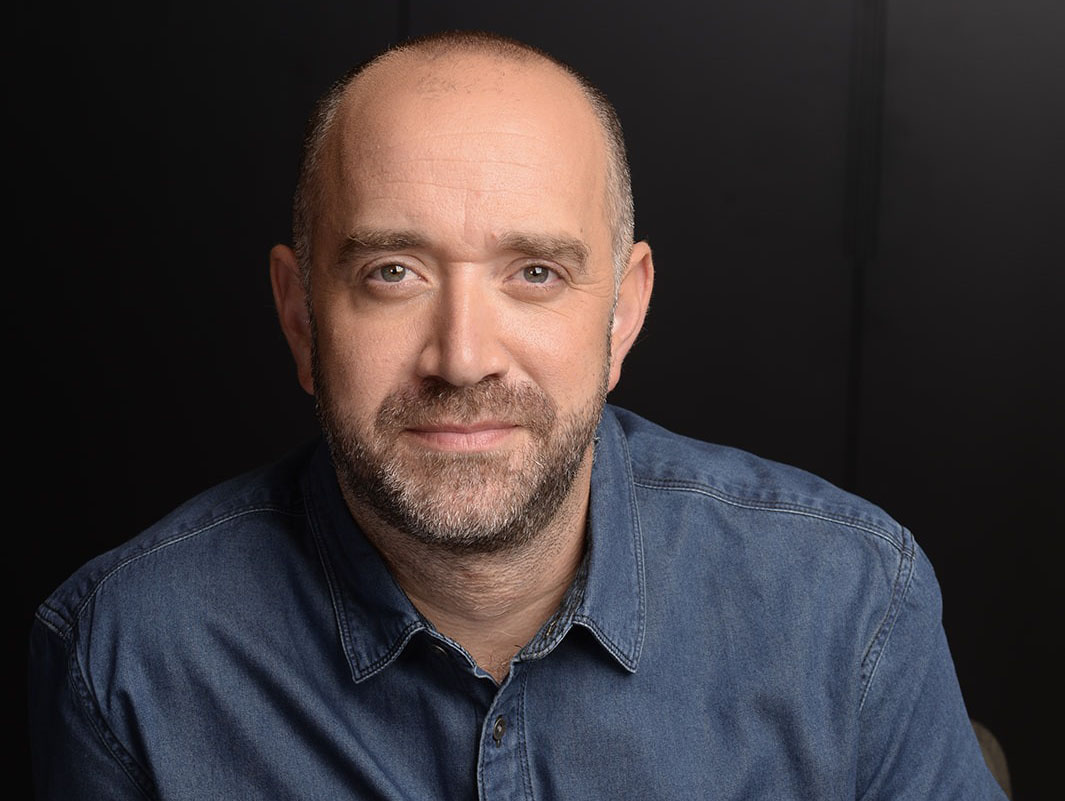
David Woznica is rabbi at Stephen Wise Temple in Los Angeles.










 More news and opinions than at a Shabbat dinner, right in your inbox.