This week’s portion B’midbar (lit. “In the desert”) always precedes the festival of Shavuot that begins on Tuesday evening. Parashat B’midbar is not just a marker that reminds us when Shavuot occurs each year, its juxtaposition joins the season’s themes of wandering, covenant, transcendence, and love.
These themes are amplified in the Haftarah portion from the prophet Hosea. Betrayed by his wife’s promiscuity as another man’s concubine, the prophet perceives in his own tragic personal biography a parallel to the Israelite’s betrayal of God during the period of wandering.
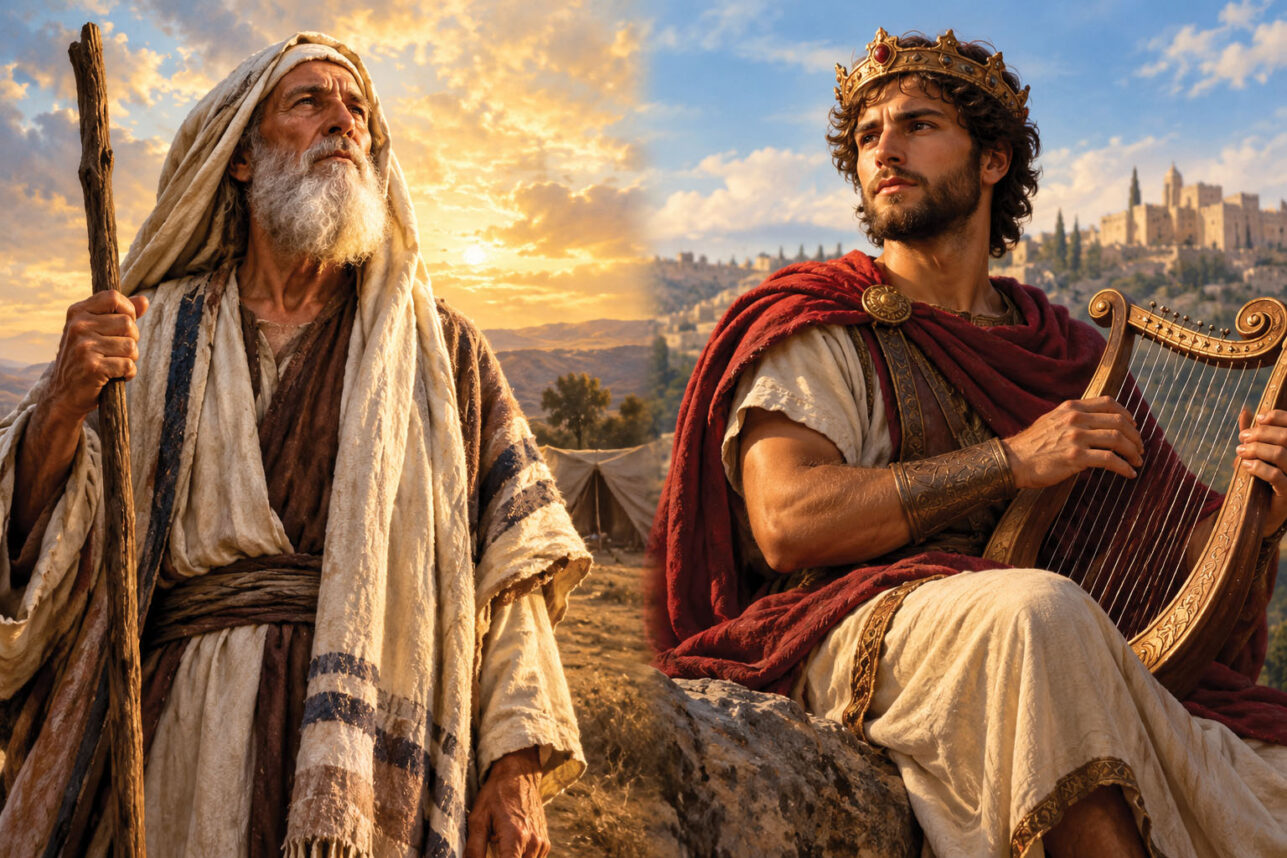
Hosea was a star-filled romantic. He so wanted to forgive his wife her infidelities and welcome her back into his bosom. He prayed not only for personal reconciliation with her but also that God would forgive His own wayward lover, the people of Israel, and reaffirm with them the Covenant they once forged together at Sinai.
The prophet proclaims: V’e-ras-tich li l’o-lam b’tze-dek, u-v’mish’pat, u-v’che-sed, u-v’ra-cha-mim (Hosea 2:21-22) – “I betroth you to me forever; I betroth you to me with steadfast love and compassion; I betroth you to me in faithfulness…”
Love for God, one man’s yearning for his bride, one woman’s passion for her lover, the longing of the soul for the Ein Sof (God), all are joined in B’midbar, Hosea, and Shavuot.
In a wonderful volume called “We – Understanding the Psychology of Romantic Love,” the Jungian analyst Dr. Robert A. Johnson explores these themes as they played themselves out in the medieval myth of the hero Tristan and his beloved Iseult the Fair. This is a complicated, moving, beautiful, and tragic tale from 12th century Europe from which “Romeo and Juliet” and other great romantic love tales have sprung.
The story focuses upon the emotional and spiritual journeys of two protagonist lovers, and Dr. Johnson explores what came to be called “Courtly Love:”
“The model of courtly love is the brave knight who worshiped a fair lady as his inspiration, the symbol of all beauty and perfection, the ideal that moved him to be noble, spiritual, refined, and high-minded. In our time we have mixed courtly love into our sexual relationships and marriages, but we still hold the medieval belief that true love has to be the ecstatic adoration of a man or woman who carries, for us, the image of perfection.“
Dr. Johnson explains that when lovers fall “in love” they feel a sense of completion as though a missing part of themselves had been returned to them. They are uplifted as though suddenly raised above the ordinary. They feel spiritualized and transformed into new, better and whole human beings.
The connection of theme in the mythic romantic love tale “Tristan and Isault” and the Revelation at Sinai should now be clear. Dr. Johnson writes:
“Here we are confronted with a paradox that baffles us, yet we should not be surprised to discover that romantic love is connected with spiritual aspiration – even with our religious instinct – for we already know that courtly love, at its very beginning so many centuries ago, was conceived of as a spiritual love, a way of loving that spiritualized the knight and his lady, and raised them above the ordinary and the gross to an experience of another world, an experience of soul and spirit.”
“Tristan and Iseult” is a story describing the yearning of the soul. So too is that great and singular event that Shavuot commemorates. Indeed, the wilderness of Sinai stripped the people of pretense. They were more vulnerable than they had ever known, and in that the expansive uninhabited landscape of quietude they opened their hearts and souls in awe and wonder to God.
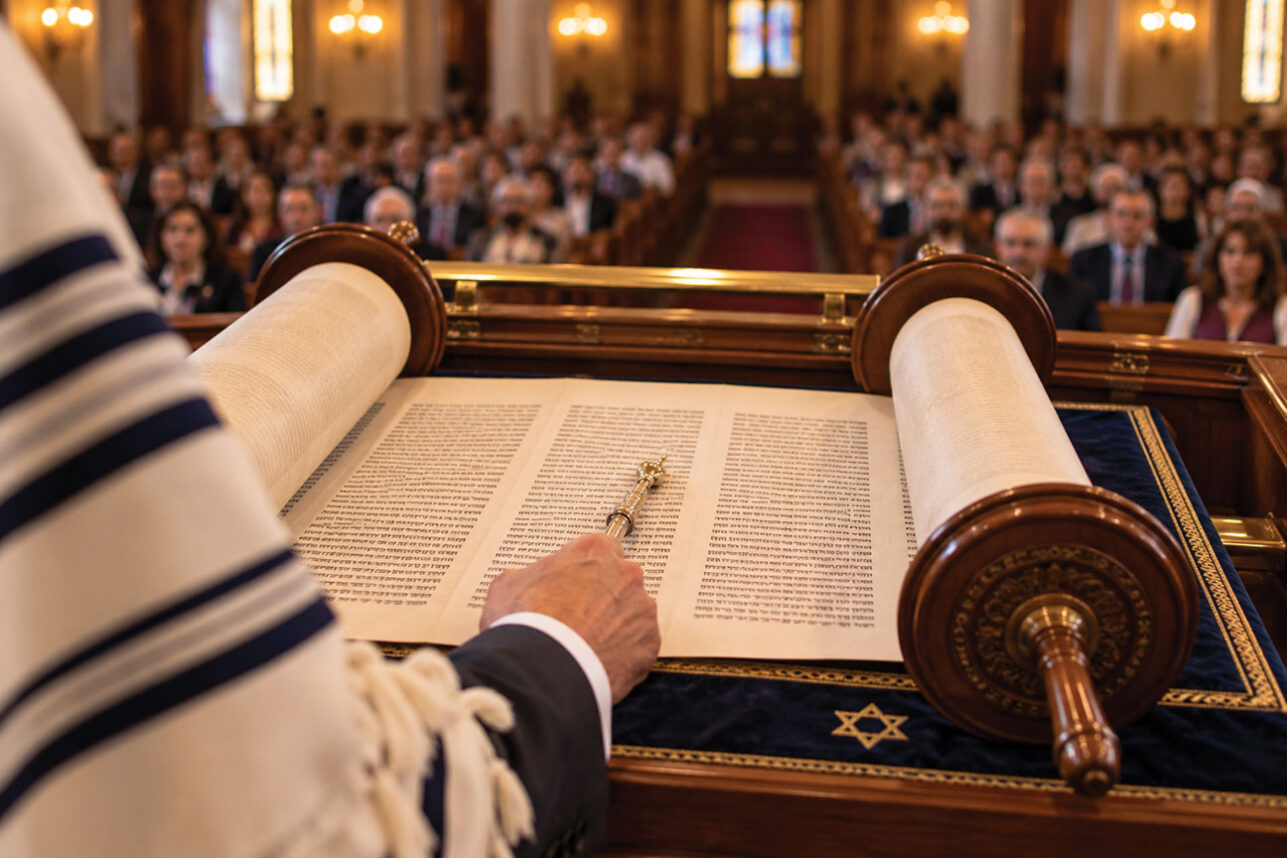
It was there that Torah was given and received. It was there that God and the people of Israel, even if but for a moment, were One.
Shabbat shalom and Hag sameach!