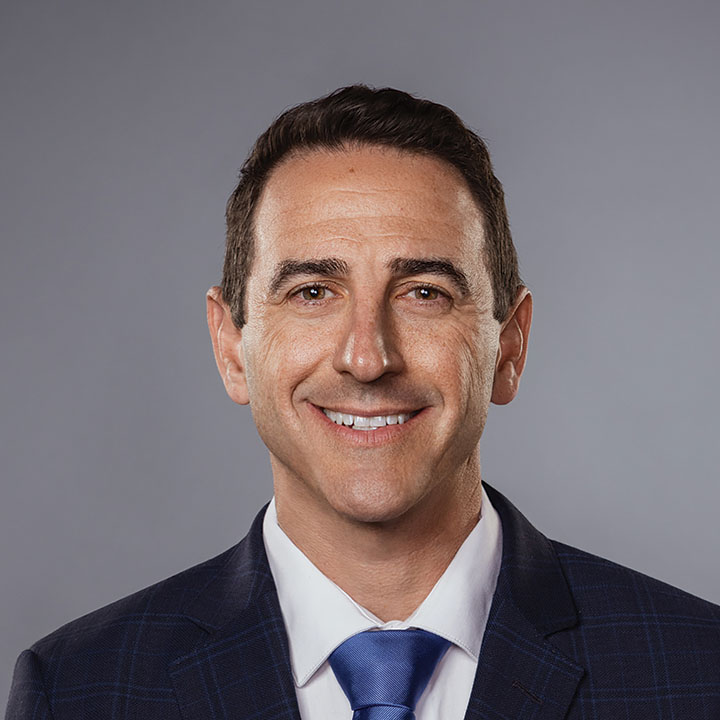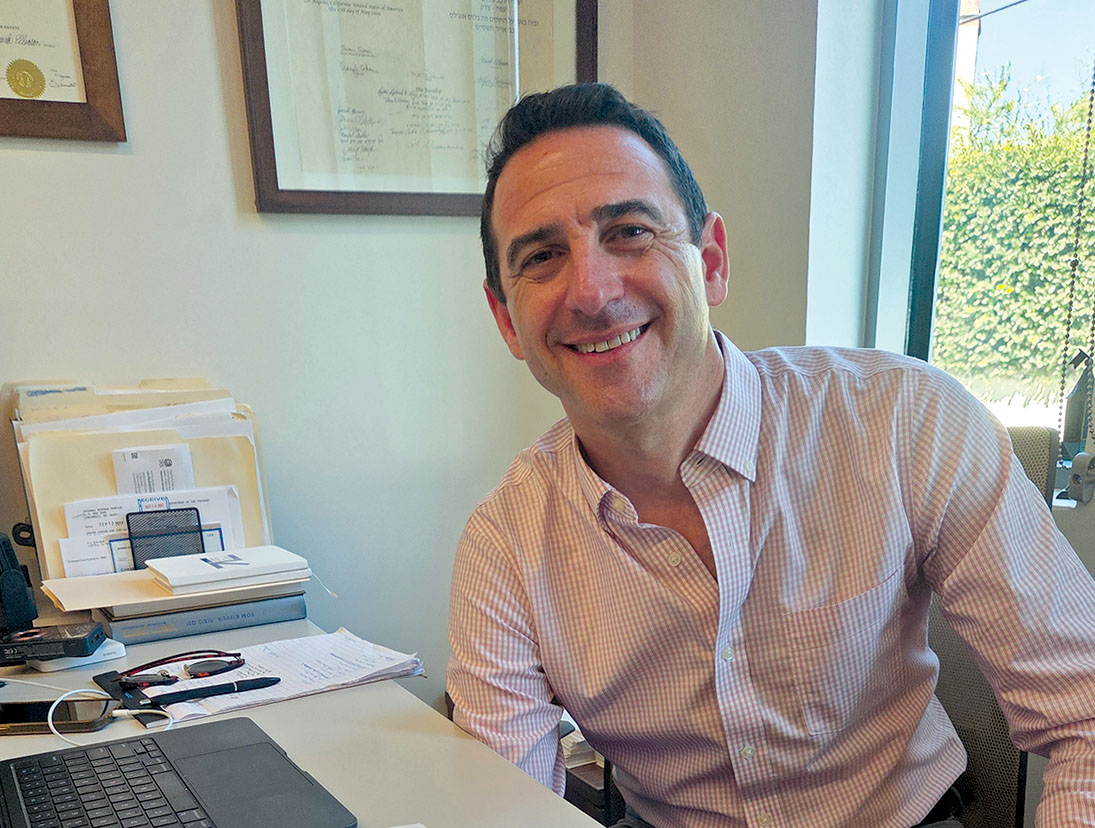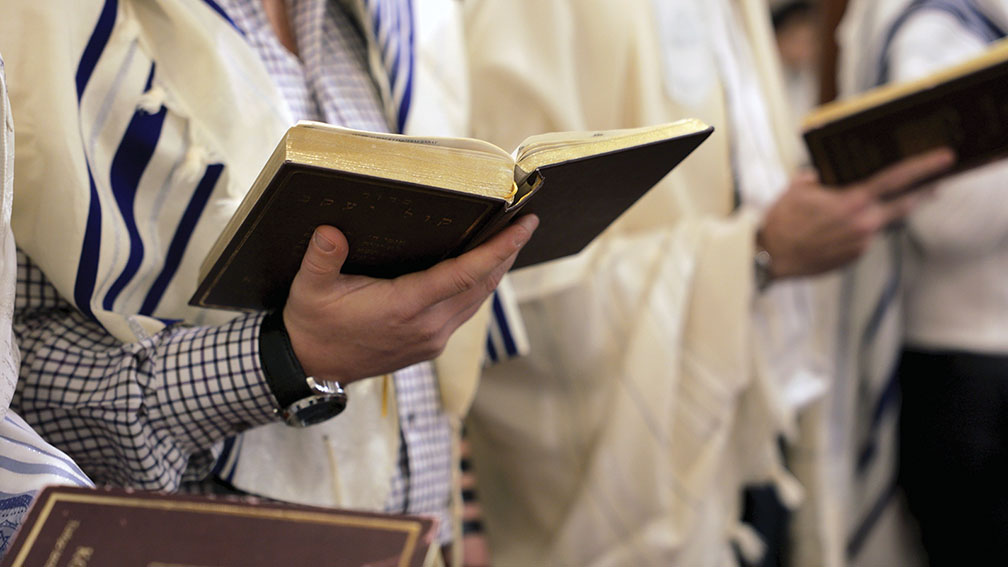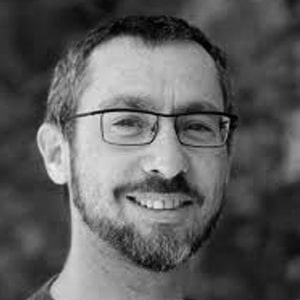
Our special guest today is Rabbi Brad Hirschfield, President of Clal–The National Jewish Center for Learning and Leadership, a leadership training institute, think tank and resource center committed to religious pluralism and the healthier use of religion in American public life. Rabbi Hirschfield, an Orthodox Rabbi who received his M.A. and M. Phil from the Jewish Theological Seminary, is the author of 'You Don't Have To Be Wrong For Me To Be Right: Finding Faith Without Fanaticism' (Harmony, Jan. 2008), as well as of countless articles and opinion pieces about religion and public life in America. His many media appearances include CNN, PBS, MTV, and NPR. His blog, Windows & Doors, appears on Beliefnet.com. He also writes for the Washington Post/Newsweek—On Faith online column, and is often quoted in the press.
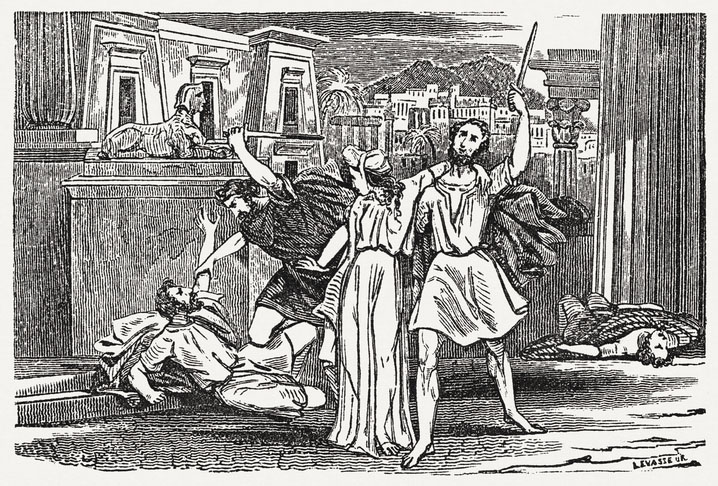
In this Week's Torah Portion- Parashat Eikev (Deuteronomy 7:12-11:25)- Moses continues his address to the people of Israel, promising them that they will prosper in the land of Israel if they obey God's commandments. He reminds them of their sins- including the Golden Calf affair, the Korach rebellion, and the sin of the spies- but stresses God's forgiveness. Moses describes the land of Israel to the people (as 'a land of milk and honey'), demands that they destroy the idols of its former dwellers, and warns them of thinking that their power and might, rather than the lord, have gotten them their wealth.