Holocaust Museum LA Names Honorary Director, Skirball Sunset Concerts Continues with Innovative Rockers
Holocaust Museum LA, the anchor institution of the Goldrich Cultural Center, has added international tech executive Omar Mir to its honorary board of directors while announcing Mir’s support to expand the museum’s “Testimony of Truth” experience.
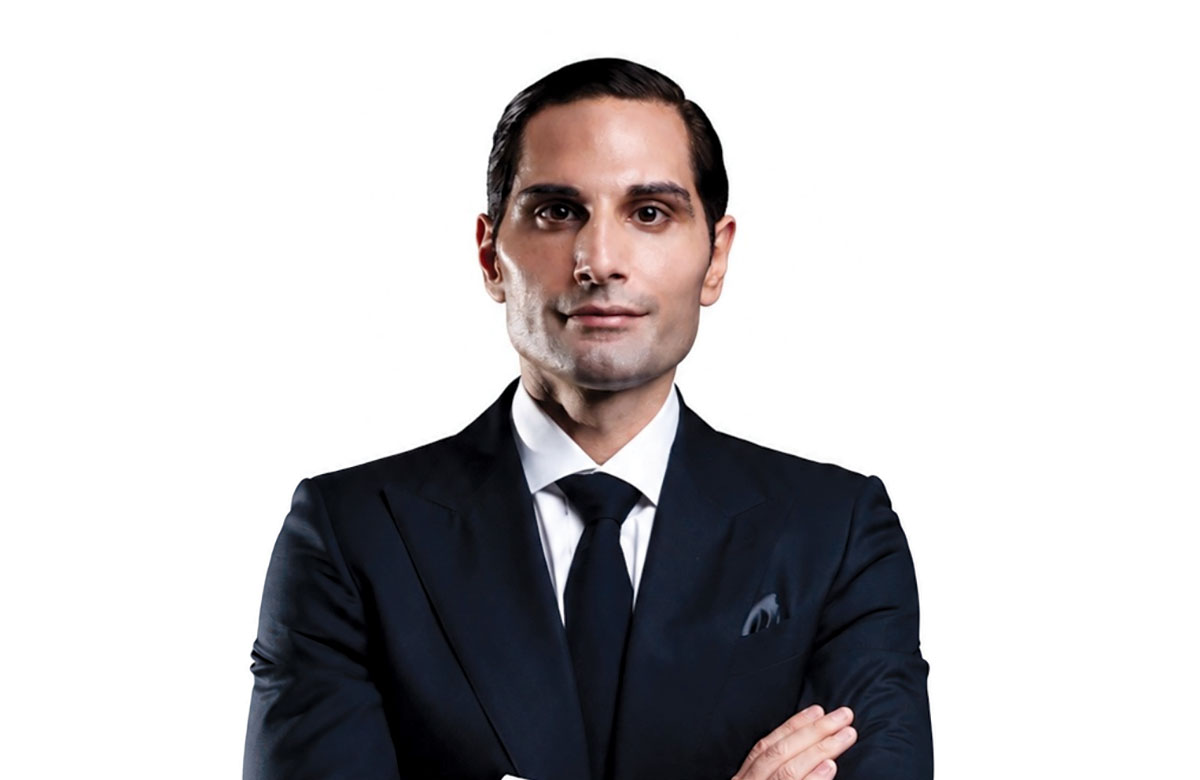
“We are very appreciative to Dr. Omar Mir for his partnership with Holocaust Museum LA at The Goldrich Cultural Center,” Goldrich Center CEO Beth Kean said. “Omar’s leadership in international technology coupled with his commitment to promote education that inspires positive action in confronting and combating hate align with Holocaust Museum LA at The Goldrich and its mission. With his expertise and support for the ‘Testimony of Truth Virtual Experience,’ students and visitors will be able to hear powerful firsthand accounts and continue to dialogue with Holocaust survivors, even in a post survivor world.”
“Testimony of Truth” is an exhibit at the Pan Pacific Park-based museum and cultural center that enables visitors to have interactive conversations in real time with virtual Holocaust survivors and survivors of other genocides. It features a new 60-seat state-of-the-art theater dedicated to virtual survivor conversations. Utilizing groundbreaking holographic and voice recognition technologies created by the Steven Spielberg-founded USC Shoah Foundation, the virtual survivor experience provides visitors with the real-time opportunity to have an interactive conversation with Holocaust survivor Renée Firestone. It will also have access to the USC Shoah Foundation’s entire library, which features survivors from different countries and backgrounds.
A July 22 announcement from the museum says Mir is joining Holocaust Museum LA’s honorary board of directors as a technology advisor while also providing transformational support to advance the museum’s modernization efforts and technological ambitions. Based in the U.K., he is the international board member of World Wide Technology and a leader in advanced technology and innovation, known for his work at the forefront of immersive technologies and digital transformation.
“There is a profound intersection between technology and memory. We aren’t just digitizing data—we are creating a way for the human spirit and the truth of these testimonies to endure,” Mir said. “It takes a deep commitment to authenticity to ensure these stories are passed down with their integrity intact.”
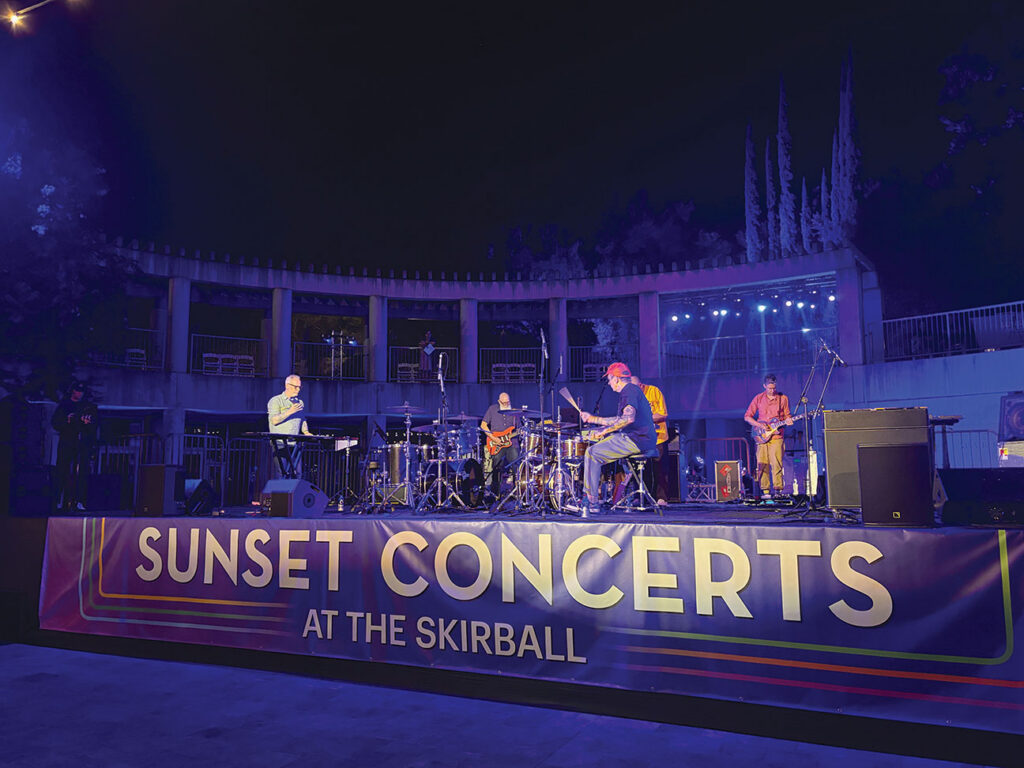
A July 30 concert at the Skirball Cultural Center — part of the Skirball’s ongoing Sunset Concerts Series — featured post-rockers Tortoise.
Among those in attendance was Skirball CEO and President Jessie Kornberg, who introduced the band by saying its commitment to exploration and experimentation resonated with the museum’s Jewish-informed mission of celebrating freedom, multicultural expression and the fostering of human connection.
As Tortoise, a five-member band, performed on Thursday night, hundreds of guests gathered in the Skirball courtyard enjoyed wine, beer, hot dogs and the feeling of community. Many bobbed their heads or even danced while others appeared entranced by the instrumental quintet’s unusual time signatures. The group, which doesn’t have a singer, creates atmospheric, layered sounds, where electric guitars and keyboards collide with dueling drummers and xylophones.
Considered pioneers of “post-rock,” which avoids traditional rock-and-roll or blues structures – verse-chorus-verse – in favor of instrumental soundscapes that build slowly toward emotional peaks, Tortoise performed for nearly an hour before returning for a much-deserved encore.
Drummer and producer Kassa Overall served as the evening’s opening act. The evening also included DJ sets.
The free concert summer concert series at the Skirball is sponsored by the Bilger family. This year marks the 29th season of Sunset Concerts at the Skirball, which features a series of outdoor concerts on Thursday nights during the summer.
The longstanding concert series kicked off just a year after the Skirball Center opened to the public in 1996. What began as a monthly dinnertime concert held inside the museum’s restaurant soon transformed into a full-fledged series that has featured the likes of Sierra Leone’s Refugee All Stars; Israeli singer-songwriter Yasmin Levy; and the New York City-based Klezmatics.
The July 30 program with Tortoise was the third concert in this year’s series, which wrapped up on Aug. 6 with performances by Annie and the Caldwells, a disco-soul outfit from Mississippi, and gospel group the Campbell Brothers.