fbpx

April 13, 2020

In Bernie Sanders’ Endorsement of Joe Biden, Foreign Policy — and Israel — Go Unmentioned

Bernie Sanders joined his old friend Joe Biden in a live webcast to endorse him on Monday, and the two candidates left standing in the Democratic primaries emphasized that they agree on more than what they disagree on.

“Today I am asking all Americans, I am asking every Democrat, I am asking every independent, I’m asking a lot of Republicans to come together in this campaign to support your candidacy which I endorse to make certain that we defeat somebody who I believe, and I’m speaking just for myself, now is the most dangerous president in the modern history of this country,” Sanders said.

Biden audibly sighed with gratitude.

“Your endorsement means a great deal, it means a great deal to me,” he said.

Israel and foreign policy weren’t mentioned in the 36-minute exchange even though Sanders, the first Jewish candidate to be the front-runner in a major-party nominating contest, has worked to move the Democratic Party’s views on the Jewish state to the left.

Sanders has sharply criticized the Israeli government of Prime Minister Benjamin Netanyahu, calling the longtime Israeli leader racist. He has also said that he would leverage aid to Israel to influence the country’s policy and has aligned with pro-Palestinian figures, including some who have made statements seen as anti-Semitic.

Instead, Biden asked Sanders to talk about the issues that Sanders believed to be most urgent. Biden accepted Sanders’ demand for a $15 minimum wage, forgiving student debt and free community colleges, although the candidates seemingly still differed over a key Sanders demand, free universal health care. Biden said he would endeavor to make health care more affordable and available.

They also spoke of their long friendship and joked about playing chess online together.

“We’ll bore everybody for a few hours,” Sanders said.

In Bernie Sanders’ Endorsement of Joe Biden, Foreign Policy — and Israel — Go Unmentioned Read More »

Sunny-Side Up: Egg Recipes Packed With Sephardic Flavor

Moroccan megina, Tunisian ma’akoud, Spanish tortilla, Persian ku’kuu, Iraqi aj’a, frittata. Whatever you call it, there’s nothing more delicious than eggs enhanced with sautéed onions, bright green herbs and fresh vegetables.

The soufflé de patata calls for sautéed onions, parsley and mashed potatoes. Some cooks add peas and chopped carrots. This dish is common to the cuisine of North African Sephardic communities, where it is variously called megina or ma’akoud.
Ku’kuu and a’ja are omelets that include sautéed onion and fresh herbs, like parsley cilantro, basil and tarragon. They are common in the cuisine of the Middle East. Adding broccoli and spinach make these yummy omelets an even richer source of antioxidants and nutrition.

On Shabbat, there can be nothing more delightful than a sumptuously lazy lunch in a sunny backyard. These delicious and nutritious dishes fit the menu perfectly because they can be served warm or cold. Just add a cool pitcher of fruity sangria, a freshly baked challah and a green salad for culinary perfection.

Sharon’s Frittata

1 large onion, finely diced
1 purple onion, finely diced
1/2 teaspoon sugar
2 leeks, finely sliced
10 eggs
1/2 teaspoon turmeric
1/2 teaspoon garlic powder
Salt and freshly ground black pepper, to taste
1 bunch fresh Italian parsley, finely chopped
2 plum tomatoes, finely chopped
1 cup broccoli, finely chopped
1 cup baby spinach, finely chopped
Safflower oil for frying

Caramelize onions with sugar, set aside to cool.
Sauté leeks and add to onions.
In large bowl, beat eggs, then add spices and seasonings.
Combine eggs with parsley, tomatoes, broccoli, spinach and onion-leek mixture.
In large frying pan, heat oil.

Pour in mixture to make 1 large frittata or 2 medium omelets.

Serves 10.

Tortilla de Patata

1 large onion, finely diced
8  large Russet potatoes, peeled and quartered
1 dozen eggs
1 bunch fresh Italian parsley, finely chopped
1 tablespoon turmeric
Salt and freshly ground pepper, to taste
1/2 cup vegetable oil, for frying

Squeeze of lemon, for serving

Boil potatoes and coarsely  mash, leaving a few chunks.

Preheat oven to 400 F.
Sauté onions till golden, set aside.
In large bowl, lightly beat eggs, then add parsley and seasonings.
Add warm mashed potatoes and combine all ingredients.
In deep, heavy frying pan, heat oil and pour mixture into pan.
When it is sizzling, lower flame, cover and cook for 30 minutes.
Wrap pan handle in foil and bake until top turns golden brown.
Cool for 20 minutes, then flip onto serving dish.

Serve with a squeeze of lemon.

Serves 10-12.


Rachel Sheff’s family roots are Spanish Moroccan. Sharon Gomperts’ family hails from Baghdad and El Azair in Iraq. Known as the Sephardic Spice Girls, they have  collaborated on the Sephardic Educational Center’s projects,  SEC Food Group and  community cooking classes. Join them on Facebook at SEC FOOD.

Sunny-Side Up: Egg Recipes Packed With Sephardic Flavor Read More »

Israeli Space Agency Chair Says Israel Is in ‘Final Stages’ of Coronavirus Pandemic

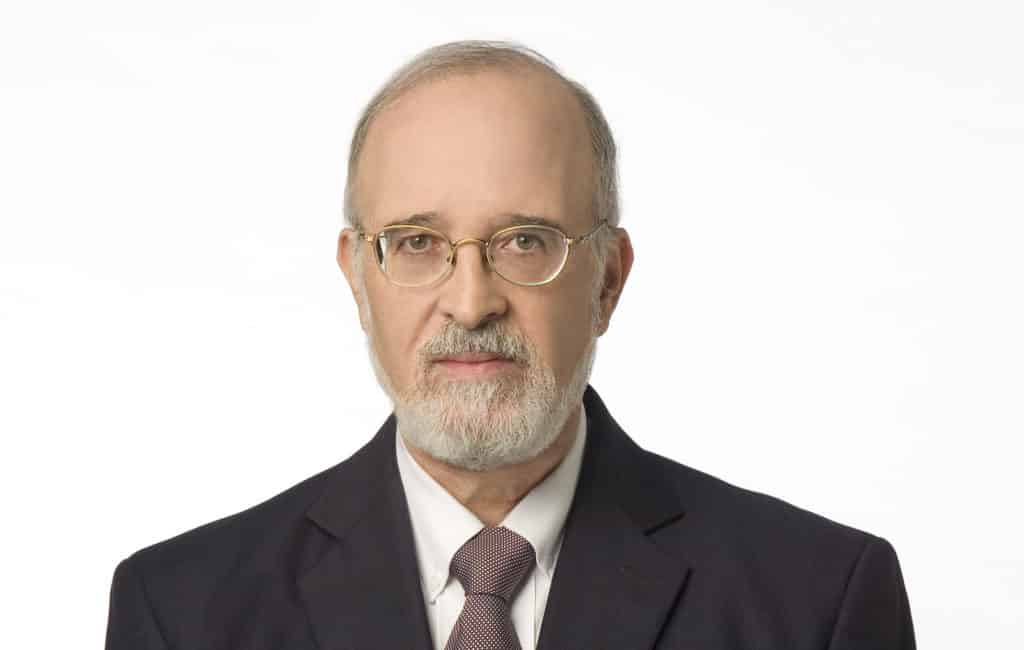
On April 13, Israeli Space Agency chairman Isaac Ben-Israel told Israeli media outlet Arutz Sheva that he thinks Israel is close to getting through the COVID-19 pandemic.

Ben-Israel, who also heads the Ministry of Science and Technology’s National Council for Research and Development and the Security Studies program at Tel Aviv University, argued that global data shows the coronavirus has a six- to eight-week life cycle and this appears to be the case in Israel, too.

“As of the sixth week, the increase in the number of patients has been moderate, peaking in the sixth week at 700 patients per day,” he said. “Since then, it has been declining, and today, there are only 300 new patients.”

Ben-Israel added, “This is how it is all over the world. Both in countries where they have taken closure steps, like Italy, and in countries that have not had closures, like Taiwan or Singapore. In such and such countries, there is an increase until the fourth to sixth week, and immediately thereafter, moderation until during the eighth week, it disappears.”

He called for the Israeli government’s restrictions to be lifted at the end of the week, although he suggested individuals still take precautionary measures “like wearing masks and keeping our distance from person to person and banning crowds.”

Ben-Israel also expressed concern about the economic damage from the pandemic, arguing it “has implications for health. We will pay with more human lives with our health system in the current state.”

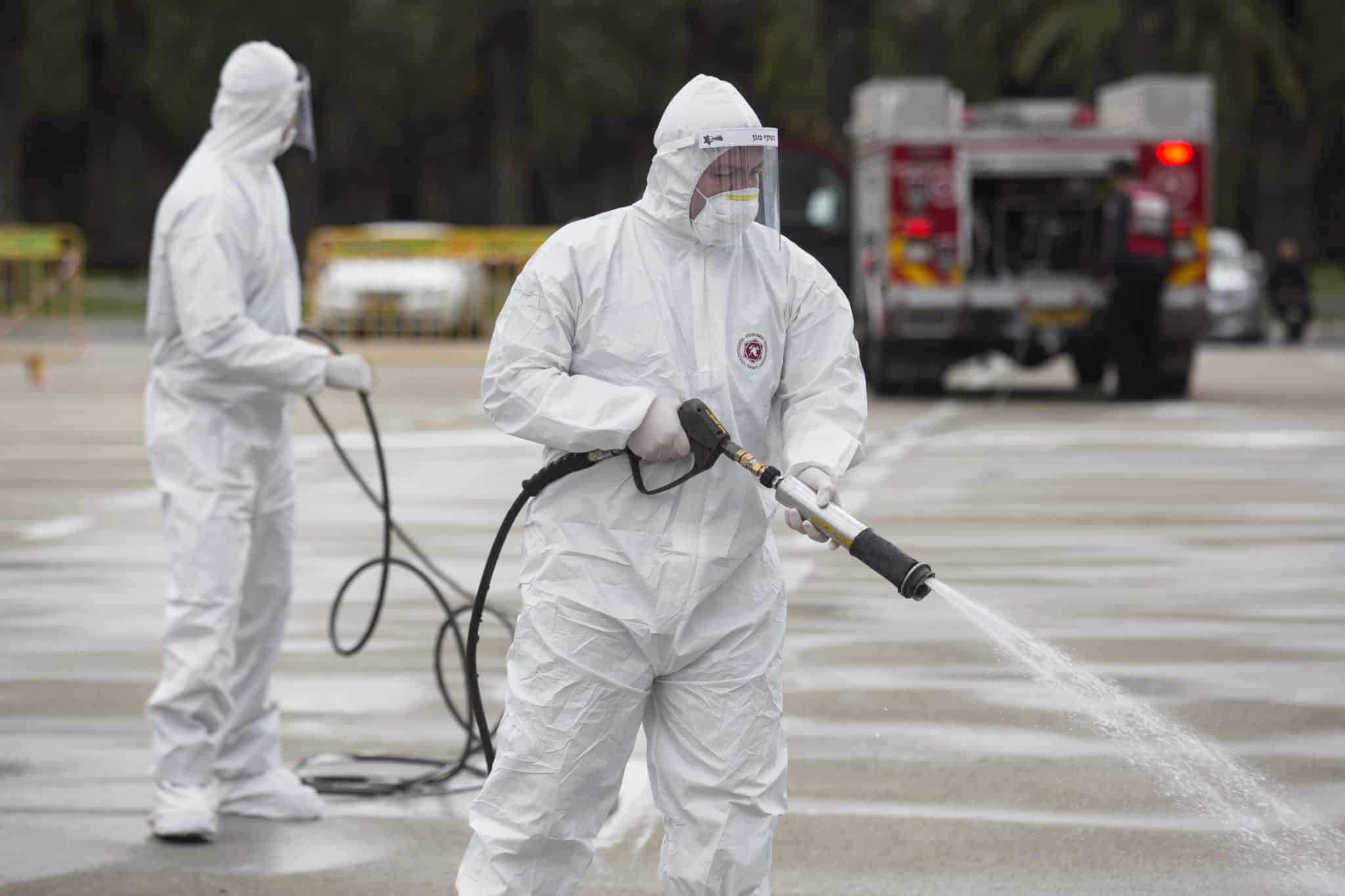
TEL AVIV, ISRAEL – MARCH 20: Israeli Fire Department crew spray disinfctants as they sanitize a drive trough site on March 20, 2020 in Tel Aviv, Israel. Number of coronavirus in Israel continues to jump, after over 200 new cases have been diagnosed with COVID-19 in the past 24 hours. (Photo by Amir Levy/Getty Images)

On April 12, Ben-Israel wrote in an article cited by The New York Times that Israel’s “peak expansion rate has been behind us for about two weeks now, and will probably wane almost completely within two weeks.”

Ran Namerode, who heads the Redworth Capital Group investment firm and the Israel-based Mennen Medical Group, had a similar observation in a March 23 Jerusalem Post op-ed examining global data. He cited South Korea as an example.

“Dozens of daily new cases started to appear around February 20. By March 3, the daily rate had reached a peak of approximately 850 new cases,” Namerode wrote. “Since then, it has been declining, and on March 15, it stabilized back at less than 100 new cases per day (with only two exceptions). Essentially, within five weeks, the significant level of the epidemic in Korea was suppressed and reached a daily rate that no longer presents a major challenge to the health system.”

He wrote that the pattern was similar in Italy, France, China, Iran and Israel based on data at the time, although he acknowledged there were limitations in such data, especially in Iran and China. Regardless, Namerode concluded the virus will only last several weeks and that at the end of the month, Israel will only have “a few new cases per day.”

“We might be seeing that there is a light at the end of the tunnel,” he wrote.

However, Health Ministry Director Professor Gabi Barbash disputed Ben-Israel’s argument, telling Israel’s Channel 12 that Israel needed to take strict lockdown measures to avoid having its healthcare system overwhelmed. He also argued that it will take another year before coronavirus dissipates.

“I strongly urge that we not let mathematicians, who know nothing about biology, determine when we lift the lockdown,” Barbash said.

As of this writing, Israel has 11,586 confirmed cases and 116 deaths from the virus. Israeli Prime Minister Benjamin Netanyahu said on April 13 that the cabinet will have a plan ready to start re-opening the economy at the end of the week.

Israel currently has a 25.8% unemployment rate.

Israeli Space Agency Chair Says Israel Is in ‘Final Stages’ of Coronavirus Pandemic Read More »

I Did Something Incredible Yesterday. I Drove.

Like pretty much everyone I know, I’ve been staying at home during these pandemic times, week after week after week.

I guess when you stay at home for so long, you develop habits. One of the habits I’ve picked up is to take short walks throughout the day to clear my head. By now, I know every crack on the sidewalks, and I’ve gained a renewed appreciation for the splendor of trees.

In between the walks, it’s been work, work, work. Being in journalism right now is a non-stop affair. We just launched a new website. I have my morning podcast. The stories come in hard and fast. This is the biggest story on the planet, and it occupies much of my time.

When I take breaks at home, it’s usually for phone calls. With the social distancing of the lockdown, I find that I crave the sound of human voices. I’ll call friends for no reason other than to chat and commiserate.

Yesterday, while chatting on the phone with a friend, I heard about an activity that had totally escaped me. Her family went for a long drive.

A what?

Oh yes, that is what I used to do with my car. I had forgotten about that part of my life.

Day after day, I’ve been walking past my car parked in the driveway as if it were another crack in the sidewalk that I never noticed. Maybe I got so used to the “stay at home” mantra it never occurred to me I can actually go for… a drive!

So, on a whim, I got the keys, brought my sanitizer and disinfectant, got in the car and relearned how to drive.

What I learned from my drive up the beautiful Pacific coast is that it feels really, really good to have nowhere to go.

Within minutes, I was flying down the Santa Monica Freeway listening to the Beatles. It was late afternoon. Very few cars were around me. If this is normally Sunday beach “rush hour,” it was giving me a nice rush.

Because I had no real destination or schedule, I began to relax and pay special attention to the music.

First song: “Instant Karma.”

Second song: “I Want to Hold Your Hand.”

Third song: “Yesterday.”

And so on. I started connecting every Beatles song to the times we are in. I didn’t know whether to be happy or sad about that. After all, I was trying to get away from my pandemic worries, right?

Music and pandemic thoughts aside, what I learned from my drive up the beautiful Pacific coast is that it feels really, really good to have nowhere to go.

None of these questions entered my mind: Am I on time? Am I appropriately dressed? Should I have brought a gift? Will I know anyone? How can I avoid this traffic? Should I even be going to this?

My destination, my purpose, was the drive itself. Time became a source of joy rather than a source of stress. I wasn’t striving for anything. I was just driving up the coast. And to clear my mind even further, I switched from the Beatles to disco.

Looks like I may have picked up another habit.

I Did Something Incredible Yesterday. I Drove. Read More »

L.A. Announces Fewest New Coronavirus Cases in Nearly Three Weeks

Los Angeles County health officials announced on April 13 that the number of new COVID-19 cases that day was the lowest since March 26.

KTLA reported that there were 239 newly confirmed cases on April 13, putting the total in the county at 9,420. There were 25 coronavirus deaths on April 13, bringing the death toll to 320 deaths.

Health officials cautioned that the lower number of new cases could be because of a lag in testing over the weekend.

“I want to be only cautiously optimistic because, always on Mondays, we have a lag because of the lab reporting issues and lack of testing that happens over the weekends,” County Public Health Director Dr. Barbara Ferrer said.

She also pointed out that the county hasn’t been able to conduct as much testing as it would like, so it will take more time determine if the number of new cases has truly peaked in the county.

“This will be a critical week again to see if we maintain a steady number,” Ferrer said.

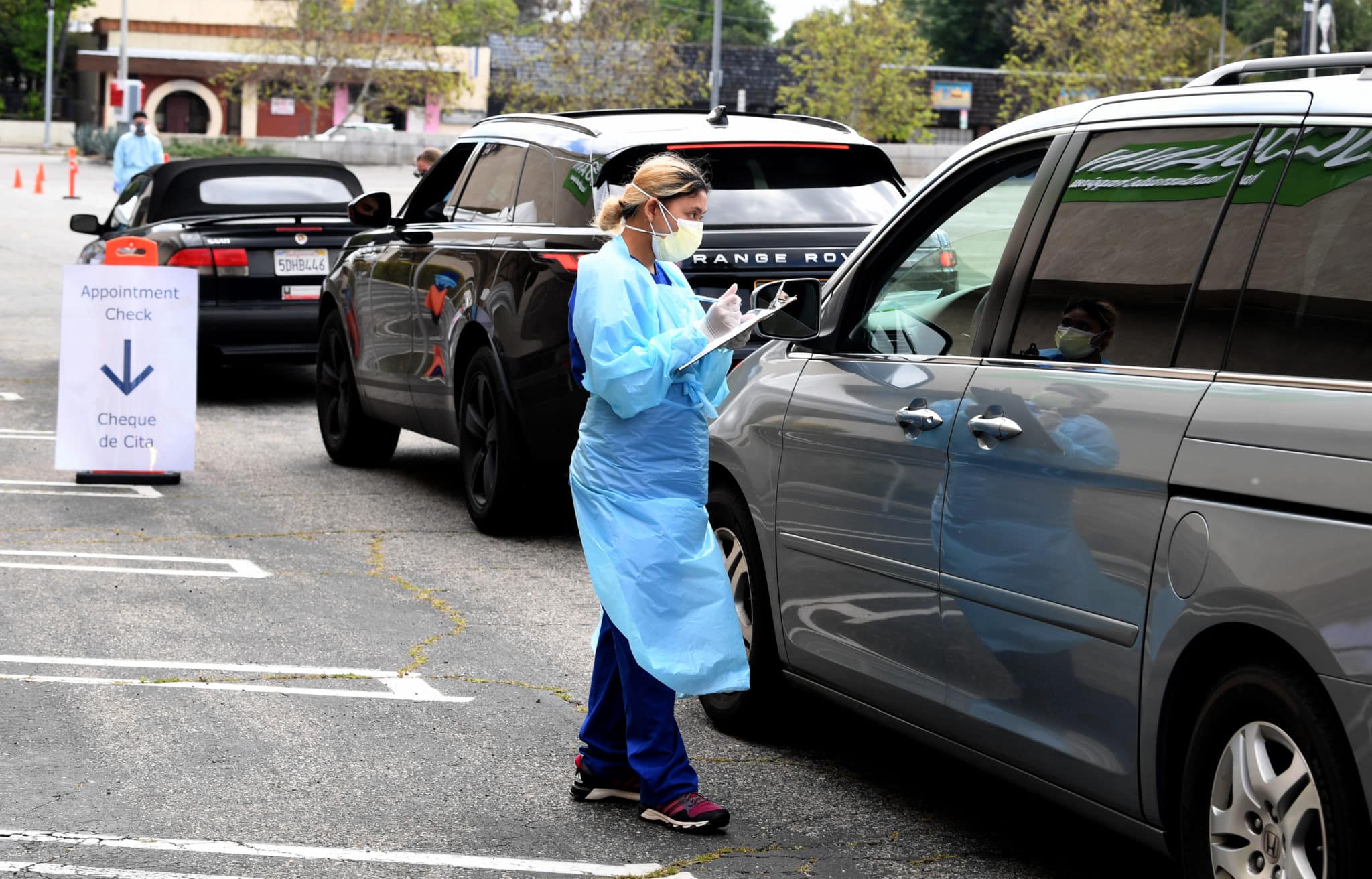
LOS ANGELES, CA – APRIL 13: A worker wearing personal protective equipment gathers the tests administered from a car as Mend Urgent Care hosts a drive-thru testing for the COVID-19 virus at the Westfield Fashion Square on April 13, 2020 in the Sherman Oaks neighborhood of Los Angeles, California. Los Angeles County ‘safer at home’ orders remain in effect through May 15 to stop the spread of coronavirus during the worldwide pandemic. (Photo by Kevin Winter/Getty Images)

The county currently conducts 5,000 to 6,000 tests a day, according to KTLA. The city of West Hollywood announced on April 13 that it is opening a drive-through testing site. Those who are eligible to be tested include people who are age 65 and older, have underlying health conditions and those who were potentially exposed to COVID-19 over the past seven days.

“West Hollywood is doing everything we can to get more test kits and more testing locations into the community,” Mayor John D’Amico said in a statement. “We’re sending a huge thank you to the healthcare workers, first responders, and essential workers caring for those in our community and are showing our support of their commitment by lighting the lanterns above Santa Monica Boulevard blue in their honor.”

The county also has started conducting tests for antibodies in six locations as part of a pilot test program to see if people already had COVID-19 but never were tested. A thousand people at random were selected to take part in the trial.

According to ABC7, the program is aimed at determining “how widely the virus has spread in the population, the mortality rate and potential immunity.” Additionally, antibodies from those who recovered from COVID-19 can be used to treat those who are critically ill with the disease.

“Five patients who had COVID and who are on ventilators have the most severe form of the disease,” USC Sol Price School of Public Policy Dr. Neeraj Sood, who is working with the county on the trial, told ABC7. “They took antibodies from the blood of people who had recovered from COVID and then they injected these antibodies into these five patients. These five patients saw a remarkable improvement in their clinical trials.”

L.A. Announces Fewest New Coronavirus Cases in Nearly Three Weeks Read More »

The Man Who Prints 3-D PPE

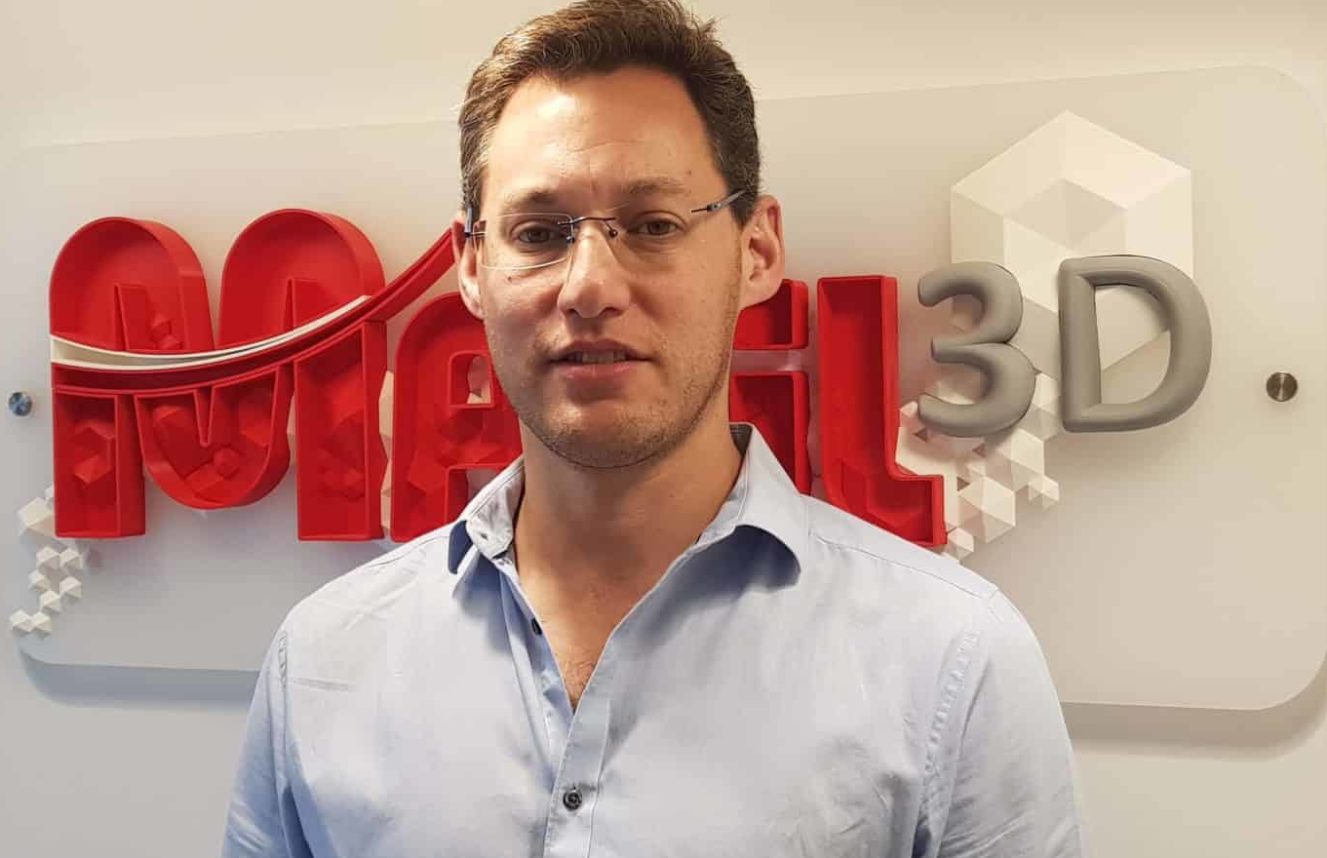
Acute shortage of medical equipment is one of the chief problems facing countries around the world in fighting the coronavirus pandemic. Manufacturers simply cannot keep up with the demand. In Israel, one man helping to ameliorate the crisis is Andrés Ideses, director of 3-D printing at the Center for Innovation at Mafil, one of the largest IT companies in Israel.

Eight years ago, Ideses founded Easy3D Model, which specializes in the sale of 3-D devices and provides 3-D-printing services. In 2018, Mafil bought the company, which has become one of Israel’s largest importers of 3D equipment. When the coronavirus outbreak hit Israel in early March, Ideses knew he couldn’t sit back and do nothing.

“The [3-D] printers were just standing there, looking pretty and waiting for us to show them to potential customers,” he said. But there were no potential customers because the country gradually was heading into lockdown.

Ideses, an immigrant from Argentina, reluctantly joined a WhatsApp group of 3D-printer aficionados in Israel. He realized his preconceived notions were wrong: This wasn’t a group of charlatans; these were industry leaders with major sway in Israel’s security and defense establishment as well as its healthcare system. The group quickly worked to secure the relevant permits from the Health Ministry to print medical equipment. Ideses told his colleagues in the WhatsApp group, “All of our equipment is at your service.”

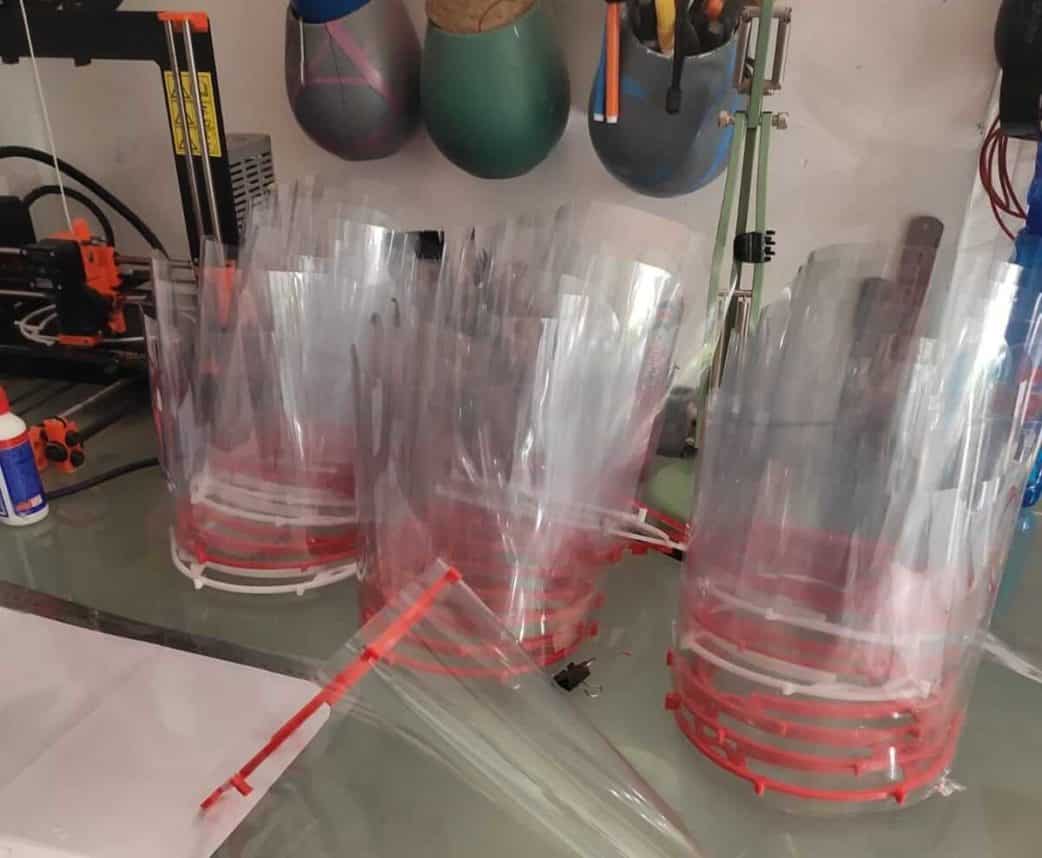
The beauty of 3-D-printing technology is that it easily can be adapted for emergency situations. As Ideses explained, when borders began closing at alarming rates, procuring key parts for medical equipment became a nightmare. For example, take face-mask valves. The valves control oxygen flow from respirators to the patient but cannot be reused. Medical-device manufacturers can’t produce and ship the pieces fast enough, but Ideses’ department has the ability to create a digital file and print hundreds of valves in a matter of hours. The same goes for ventilator parts and testing kits.

“The amount of patients with corona[virus] is increasing every day, and unfortunately, this is not going to change soon,” Ideses said.

Medical staff also are at risk because of their exposure to COVID-19 patients. 3D printing has become a stopgap for medical masks and other personal protective equipment (PPE).

Ideses also offered solutions for other manufacturers deemed “essential services” in the pandemic, including the food industry. “If some piece on a production line breaks at a ‘critical’ factory, for example, it could end in disaster,” he said.

As of Passover eve, Mafil had printed approximately 800 medical-related items, including protective face masks and parts for medical devices, despite only obtaining the necessary permits a week prior. Neither Ideses nor Mafil is making a penny from it. “If we can help, we will, and with all our heart,” Ideses said.

The Man Who Prints 3-D PPE Read More »

The Spring We Were Afraid of Everything 

There it sat, on the kitchen floor near the entrance to our home. From seemingly every corner of it an air of danger oozed. Approaching it would mean playing Russian roulette but without a bullet, only the merciless spread of pestilence.

For three days I tried to avoid it. It was a dangerous portal to something terrible — something potentially disease-ridden.

And inside, it contained a delightful pack of Play-Doh.

Before the spread of COVID-19, I couldn’t wait for the arrival of Amazon packages and relished opening them. Those days are over. Now I treat every delivery box as if it contains toxic waste.

After the cardboard box arrived at our door, I put it on the kitchen floor, then proceeded to wash my hands like a doctor prepping for surgery. No one in our household was allowed to touch it because I was terrified it might have had traces of the coronavirus on its surface, whether from the Amazon warehouse or the delivery woman.

Keeping our children away from the box would have been impossible, especially if they’d known that Play-Doh was inside, so I told them the package contained cockroach poison.

But I soon found our 2-year-old pretending to sleep on the kitchen floor, his face melted into the package. I screamed like a wounded moose.

There’s a term for all this: moral fatigue.

In a May 2018 article in the Quarterly Journal of Experimental Psychology titled “Moral Fatigue: The Effects of Cognitive Fatigue on Moral Reasoning,” Shane Timmons and Ruth M.J. Byrne assert that “moral fatigue effect occurs when people make a judgment that focuses on a harmful action.” A March 2020 Rolling Stone story titled “The Reason You’re Exhausted is ‘Moral Fatigue’ ” puts it more clearly: “Every small decision feels like it carries the weight of life and death — and it’s starting to take a toll.” The article captures the burden of our anxiety-ridden actions:

“Even the most mundane activities have turned into moral dilemmas. Whether it’s trying to decide if you should visit a sick family member, order delivery, take public transit, or take a trip to the grocery store, we now have to think through the potential implications of many of our totally normal, everyday actions and decisions in a way we never had to before, because of how they could affect others. This is called ‘moral fatigue,’ and it’s exhausting.”

I’m tired of treating every trip to the supermarket as a visit to a leper colony.

Yes, I’m tired. I think we’re all tired.

I’m tired of treating every trip to the supermarket as a visit to a leper colony (leprosy isn’t even that contagious); tired of swearing I can feel the potentially infectious breath of a passerby on my pores from 7 feet away; and tired of not being able to scratch my face without a deep sense of regret.

I feel like a crazy person. A morally fatigued crazy person.

And worst of all, our kids are beginning to mimic me.

Last week, during a chilly day’s walk, our youngest son dropped his knit hat on the pavement and screamed “No!” as if it’d fallen into a cauldron of manure. “Mama! It’s dirty! It’s dirty!” he sobbed. This is the same boy who, before COVID-19, enjoyed spending time on our balcony eating handfuls of dirt out of my potted plants.

And then, during an afternoon walk, our oldest son asked why everyone in the street was wearing a mask. I told him that this year, some people had forgotten to get a flu shot and needed to be extra careful. When we ran into my father, my sons’ beloved “Babachi,” on the street, wearing a bright green mask and gloves, our son scolded his grandfather for not having had the “courage” to have gotten his annual flu shot. “Babachi,” he said, “I got my shot. It’s important to … to … to protect your body.”

And then, in a telling reminder that not all safety precautions need to make one feel crazy or fatigued, our 4-year-old, who cries at the sight of a needle, asked when he can get his next flu shot.


Tabby Refael is a Los Angeles-based writer, speaker, and activist. 

The Spring We Were Afraid of Everything  Read More »

Eliyahu Bakshi-Doron, Former Chief Rabbi of Israel, Dies of COVID-19 at 79

JERUSALEM (JTA) — Rabbi Eliyahu Bakshi-Doron, who served as Israel’s chief Sephardic rabbi for a decade beginning in 1993, died April 12 after being admitted to the hospital for treatment of COVID-19. He was 79.

“Rabbi Bakshi-Doron was a teacher for all Jewish communities in Israel and around the world,” Prime Minister Benjamin Netanyahu said in a statement. “I met him many times and was always struck by his warm personality. For him the Torah was a guide for life. His essence was understanding, tolerance and love for the people and the state.”

President Reuven Rivlin praised Bakshi-Doron for his “deep sense of responsibility for all Israel.”

Rabbi Yisrael Meir Lau, who served as Ashkenazi chief rabbi during Bakshi-Doron’s tenure, called him as a “great genius,” The Times of Israel reported. “There was nobody as honest as you.”

Born in Jerusalem to immigrants from Iran and Syria, Bakshi-Doron became a communal rabbi in Bat Yam in 1970, rising to become the city’s chief rabbi two years later. He became chief rabbi of Haifa in 1975.

In 2017, Bakshi-Doron was convicted of issuing fake rabbinic credentials to 1,500 police and security services employees, who used them to apply for pay raises. He was found guilty in Jerusalem District Court and sentenced to probation. He also was ordered to pay a fine of 2.5 million shekels (about $700,000).

Bakshi-Doron also angered non-Orthodox Jews in 1997 when he attempted to block the appointment of non-Orthodox Jews to local religious councils. He rejected a proposed compromise in which Conservative and Reform rabbis would be able to participate in the selection and education of conversion candidates, but only Orthodox rabbis would actually perform the conversions.

The previous year, Reform leaders harshly criticized the chief rabbi after he gave a sermon that some had interpreted as calling for the murder of members of their denomination. In his talk, delivered in a Jerusalem synagogue, Bakshi-Doron compared the biblical figure Zimri to Reform Jews and praised Pinchas, the man who murdered Zimri for having sexual relations with a non-Jewish woman.

Despite his criticism of other Jewish denominations, Bakshi-Doron could also be liberal in his religious positions. He expressed support for efforts to ease the Orthodox Chief Rabbinate’s monopoly over Jewish marriages and allow marriages to be performed in Israel outside the framework of Jewish law.

“Israel has lost an important voice that was both part of the religious establishment while understanding that established religion must have its limits,” Rachel Stomel of the Center for Women’s Justice told the Jewish Telegraphic Agency. “Notably, Rabbi Bakshi-Doron advocated for civil marriage as an alternative to the state-mandated religious marriage currently in place. His stance, which earned him much backlash from the ultra-Orthodox world, was pragmatic.”

In 1993, Bakshi-Doron made waves when he ruled that women could be deciders of Jewish religious law. He later clarified that he was not endorsing granting rabbinic titles to women.

Bakshi-Doron also engaged in interfaith efforts, meeting with the Turkish cleric Fethullah Gulen in 1998 and Pope John Paul II during his visit to Jerusalem in 2000.

Bakshi-Doron is survived by 10 children. His wife, Esther, died in 2005. He was buried April 13 at Jerusalem’s Har Hamenuhot cemetery.

Eliyahu Bakshi-Doron, Former Chief Rabbi of Israel, Dies of COVID-19 at 79 Read More »

Rapper Kosha Dillz Creates Virtual Music Festival for Unique Passover Experience

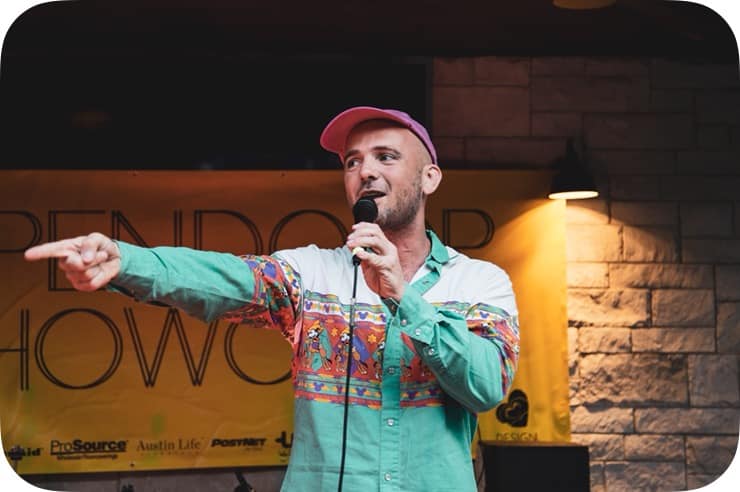
Jewish rapper Kosha Dillz (Rami Matan Even-Esh) was supposed to attend Coachella this past weekend to celebrate with fans and reprise his famous seder event “Matzahchella.” But then the biggest music festival in the country was postponed because of the coronavirus pandemic.

But that didn’t stop Kosha Dillz and Bay-area nonprofit Value Culture —a group that specializes in curated Jewish events at giant public gatherings including the Sundance Film Festival and SXSW. In less than a week they created Seder Stream, a one-stop streaming Facebook page where Jews of all observances can find meaningful virtual seders including a Passover-themed music festival.

Kicking off April 14, the nine-hour festival will feature an array of artists who will perform live from their social media pages. To date, Seder Stream has more than 1,000 members and continues to grow.

“I love being Jewish on Passover. It’s a very symbolic holiday. It reminds me of my life and what I’ve been through,” Kosha Dillz told the Journal over the phone. “This is a great way to create awareness for nonprofits, for artists to make extra money and for people to discover new music.”

Photo courtesy of Seder Stream

Seder Stream Music Festival will feature a handful of artists Jewish as well as non-Jewish artists, including Grammy-nominated Southern Avenue, Howi Spangler of Ballyhoo!, L.A. pop star Flavia, L.A.-based hip-hop artists Verbs and Devmo, Mikey Pauker, Hip Hop Haggadah Seder, San Francisco-based singer Bud. E. Luv, Ray Goren, Uruguayan DJ Vala Nirenberg, Black Crystal Wolf Kids and of course Kosha Dillz himself.

Kosha Dillz also created a Spotify playlist for fans ahead of the festival. Tracks include his latest collaborations with Matisyahu and Grammy-nominated electronic producer Kaskade.

Kosha Dillz isn’t just invested in enriching Jewish life through music. He also wants to support artists whose tours and festival gigs were canceled. Each act will raise money for a specific cause of their choice in addition to taking donations from fans.

“Everyone is suffering during these times,” Kosha Dillz said. “Artists can’t perform, now there is zero live music. Now is the time to give to a musician, an artist. I’m trying to make the best of it. I want to be remembered during this time as someone that was doing creative stuff and helping other people and not just checking out completely.”

Seder Stream Music Festival takes place on April 14 from 12 p.m.-9 p.m. PT. Click here for more updates on the festival.

Rapper Kosha Dillz Creates Virtual Music Festival for Unique Passover Experience Read More »

How I – As A Rabbi – Ran My Zoom Seder

Passover is a big deal in my house. The second seder is my big night. I plan for weeks, working off spreadsheets that get updated every year. I clear out my living room, rent tables and chairs, methodically shop and cook, revise the haggadah, plot out the guest list. It is a huge production. Normally, there are about 30 to 34 people around the table, limited only by the size of my house, and there sometimes is fierce competition for a seat.

This year was different. No furniture was ordered, no big shopping trips were undertaken, and merely a small portion of the cooking happened. I set the table for two, with a sense of sadness and loss. I missed the high-pitched frenzy of the preparations and the feeling of joy that arrives annually with the intersection of Passover and the emergence of the first spring blossoms.

My daughter got stuck in Berkeley and couldn’t get home for Passover, which made the prospect of Passover even gloomier. But she insisted we go ahead with seder plans, convincing me that planning this virtual seder together was the next best thing to being together in person, and we invited our regular attendees to a Zoom seder. We realized that one benefit this Zoom seder offered was that we could include people who wouldn’t normally be able to attend.

We knew it was going to be chaotic, but it turned out to be surprisingly manageable. We used the Zoom polling feature to enable people to learn a little bit about who was gathered with us, since it included relatives and friends from different parts of our lives, as well as some of their friends and relatives.

“Although we didn’t get to share the same meals, we did have a shared and deep experience together.”

To engage in meaningful conversations, we used the breakout-room feature, which meant that people who didn’t know one another had a few minutes to discuss a question we posed: What narrow place do you need to leave this year? That question seemed particularly timely, and from all reports, people jumped right into serious conversations.

At the conclusion of the night, I realized we had had a real and meaningful seder experience. It might have been through a screen, but there was nothing virtual about it. We moved through all 14 steps of the seder; read poetry alongside the traditional liturgy; drank our wine and ate our karpas, matzo and maror; and argued and explained and sang together.

It felt like, well, a Passover seder.

Some traditions, such as beating one another with scallions, didn’t seem translatable for a digital seder, so we left them out, but some worked very well on Zoom. Elijah even logged on at one point and honestly, I still don’t know which clever participant managed that. Moreover, as is our family tradition, when it was time to open the door for Elijah, my son threw on a disguise, added a surgical mask and showed up on screen to drink from Elijah’s cup.

As Jews, we have gone through much worse and still managed to celebrate Passover as best we could, so why not now? We laughed; we argued about purity versus cleanliness; we discussed the symbolism of the items on the seder plate; we marked the losses of loved ones since last Passover; we heard the Four Questions beautifully sung by the youngest on the screen.

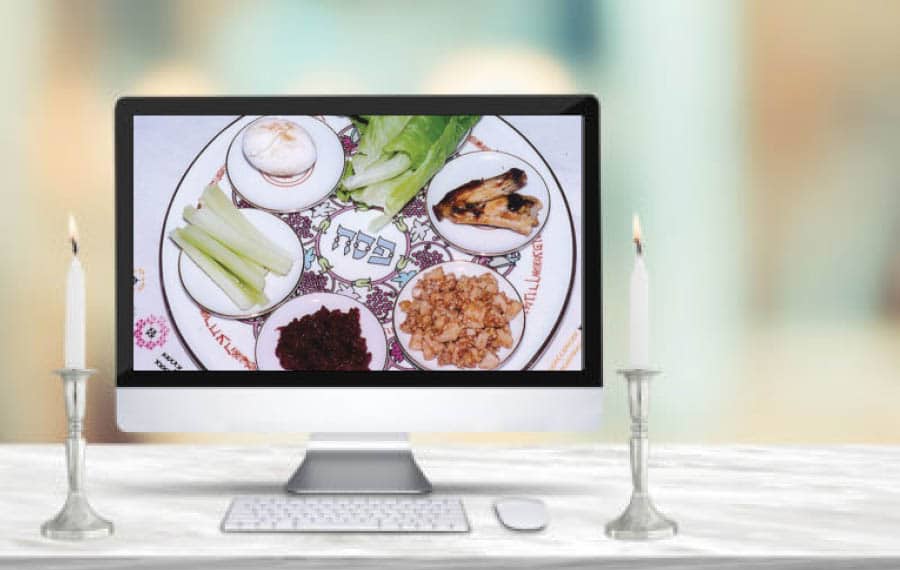
My daughter had sent out a brief note ahead of time instructing people what to prepare for their own seder plates, and I realized as we were moving along in the haggadah that for many of our guests, it was the first time they had ever prepared their own seder plates. She asked them to take photos and send them to us. How moving it was to see the seder plates from coast to coast, to note what they had in common and how they differed by what substitutions or additions were made by necessity or by choice. It was, in the end, an unexpectedly profound experience of resilience, history and tradition.


Rabbi Hara EPerson is a writer and editor of books for adults and children.

How I – As A Rabbi – Ran My Zoom Seder Read More »