fbpx

August 7, 2019

Israeli Religious Soldier Stabbed to Death

An 18-year-old Israeli soldier was found dead with multiple stab wounds in the Gush Etzion region on the morning of August 8.

The Israel Defense Forces (IDF) tweeted that the soldier, who has not been publicly identified, “was a student in a Yeshiva.”

According to the Jerusalem Post, the victim was in the IDF’s Hesder program, where he could study Yeshiva while serving in the military.

Rabbi Shlomo Wilk, the principal of the Yeshiva that the soldier was studying at, told Army Radio that the soldier “went to Jerusalem to buy gifts for his rabbis” on August 7 “and on the way back there was an attack. He was found clutching the books that he’d bought.”

IDF Spokesperson Brig. Gen. Ronen Manelis told the Post that the soldier was likely on his own and called the stabbing “a serious terror attack.”

The IDF is still searching for the murderer.

Israeli Religious Soldier Stabbed to Death Read More »

UK Man Shoves Baby Stroller, Calls Family ‘Dirty Jews’

A man reportedly shoved a stroller with a baby inside and called the baby’s family “dirty Jews” in northern London on August 4.

The UK Independent reports that a 30-year-old man identifying himself as Michael said that he was sitting outside a coffee shop in St. Albans with his family when the man “aggressively” shoved the stroller. The man said he did it because the family consisted of “dirty Jews.”

Michael then took the following video, where the man can be seen throwing an advertising billboard at the family and repeating his “dirty Jews” slur:

The police have reportedly identified the suspect in the video.

Michael told the Independent that anti-Semitism is on the rise in the Britain, and he blamed it on Labour Party leader Jeremy Corbyn.

“We all know that there is anti-Semitism in one of the largest political parties in the UK and when anti-Semitism is accepted by a leading political figure and not tackled properly it means that people on the street sometimes think they can get away with it,” Michael said.

The Jewish community in Britain as well members of the Labour Party have criticized Corbyn for failing to confront anti-Semitism in his party. Corbyn tweeted on August 7, “A Jewish family was attacked and subjected to anti-Semitic abuse in the street. This is a vile anti-Semitic attack, part of a disturbing rise in antisemitism in the UK and abroad. We must confront this racist bigotry wherever it rears its ugly head.”

StandWithUs Co-Founder and CEO Roz Rothstein tweeted regarding the suspect in the video, “Disgusting guy. Now everyone knows your face. Be ashamed, whoever you are.”

UK Man Shoves Baby Stroller, Calls Family ‘Dirty Jews’ Read More »

What’s Happening: Tisha b’Av and Tu b’Av Events, Shabbat Outdoors

FRI AUG 9

“Shabbat by the Shore”
A seaside sunset with prayer and music highlight Stephen Wise Temple’s annual “Shabbat by the Shore” at Crescent Bay Park in Santa Monica. Bring a blanket, beach ball, Frisbee and picnic basket and arrive early to stake out space for the service, led by Rabbi Yoshi Zweiback and Cantor Emma Lutz. 6:30 p.m. service. Crescent Bay Park, 2000 Ocean Ave., Santa Monica. (310) 476-8561.

Shabbat Under the Stars
Mendel and Rachey Simons hold a kabbalat Shabbat evening in the backyard of their Beverly Hills home, where 100 young Jewish professionals in their 20s and 30s enjoy a four-course dinner, open bar and the opportunity to make new friends. Evening attire requested. 7 p.m. $60-$80. Online sales only. No door tickets. Beverly Hills address emailed day of event.

SAT AUG 10

Rabbi Nachman of Breslav
The latest monthly Shabbat “Lunch and Learn” at Sephardic Temple focuses on Rabbi Nachman of Breslav, one of the most illustrious figures in Jewish history, particularly for Chasidim. The conversation explores Nachman as a “Soul-Healer and Kabbalistic Story-Teller.” From Nachman’s death at age 39 in 1810 through the present, his grave in Uman, Ukraine, is a must-visit site for Chasidic Jews. Noon-2 p.m. Free. Sephardic Temple, 10500 Wilshire Blvd., Los Angeles. (310) 475-7000.

“Death Over Dinner”
If you are looking for a unique way to mark Tisha b’Av, participate in “Death Over Dinner,” an intimate discussion over the final meal before the fast. Temple Beth Israel of Highland Park organizes the event. “The dinner table is the most forgiving place for difficult conversation,” Temple Beth Israel Rabbi Jason Rosner said. “The ritual of breaking bread puts us in touch with our humanity.” 6:30-7:45 p.m. “Death Over Dinner” meal and discussion. 7:45-8:15 p.m. “What’s the Deal With Tisha b’Av?” miniclass. 8:15-9:30 p.m. Havdalah and Eicha service. Temple Beth Israel of Highland Park and Eagle Rock, 5711 Monte Vista St., Los Angeles. (323) 745-2474.

Tisha b’Av Evening
In the spirit of solemnity that marks the arrival of Tisha b’Av and fasting, guest speaker Steven Windmueller discusses “The Rise of Anti-Semitism in America: Examining How Political Extremism Is Contributing to a New Age of Hate.” The Hebrew Union College-Jewish Institute of Religion professor emeritus examines the current threats and how they parallel tragedies in Jewish history. Adat Ari El and Valley Beth Shalom co-organize this evening, “Tisha b’Av: An Evening of Tefilah and Learning.” RSVP requested. 8 p.m. Ma’ariv and Havdalah. 8:30 p.m. Windmueller lecture. 9:30 p.m. Eicha (Lamentations). Adat Ari El, 12020 Burbank Blvd., Valley Village. (818) 766-9426. adatariel.org/tishabav.

Homelessness and Tisha b’Av
Promising a Tisha b’Av service that is unique to Los Angeles, the Religious Action Center of Reform Judaism in California (RAC-CA) connects ancient Jewish texts with the problem of homelessness facing the city. In coordination with the RAC-CA, members of five synagogues assemble at Stephen Wise Temple to recall Jews’ history of displacement while pledging to follow the imperative of ending homelessness of others. Congregation Kol Ami, Temple Israel of Hollywood, Temple Beth Hillel, Kol Tikvah and Beth Shir Shalom participate. 7-10 p.m. Free. Stephen Wise Temple, 15500 Stephen Wise Drive, Los Angeles. (310) 476-8561.

Inclusive Tisha b’Av
In collaboration with IKAR and Shtibl Minyan, Beth Chayim Chadashim holds an inclusive Tisha b’Av service of depth, reflection and community. All are welcome and no Hebrew or particular background is necessary. Bring a pillow or low chair if you would like to sit on the floor as is traditional. Chairs will be available. You may want to bring a discreet reading aid since the lights are dim to allow for contemplation. 7:45 p.m. study and melody and Ma’ariv. 8:45 p.m. Eicha (Lamentations). Beth Chayim Chadashim, 6090 Pico Blvd. (323) 931-7023.

SUN AUG 11

“Hippie Woman Wild”
Why would a not-so-nice Jewish girl, expelled from the Yale School of Drama, surrender her acting dream to follow the man she loves to life in a remote Oregon commune? The answer is “Hippie Woman Wild,” not only a Jewish Women’s Theatre performance by actress-writer Carol Schlanger but also the title of her memoir, which she will read from and act out. Schlanger’s fans include Henry Winkler, her Yale classmate, who says she cannot utter one sentence without making you laugh. The event includes a performance, light brunch, discussion and Q&A session. 10 a.m.-noon. $25. The Braid, 2912 Colorado Ave., No. 102, Santa Monica. (310) 315-1400.

WED AUG 14

“The Damascus Cover”
Author Howard Kaplan discusses his 1977 spy thriller “The Damascus Cover” which was adapted into a film by the same name 41 years later. Kaplan, who has taught at UCLA and worked as a day trader, also presents his latest novel, “To Destroy Jerusalem,” which he started in the early 1990s. 7:30 p.m. $5 donation. Kehillat Ma’arav, 1715 21st St., Santa Monica. (310) 829-0566. RSVP at the link above..

THU AUG 15

Tamar Ilana
Inspired by her childhood touring the world with her mother, a Jewish ethnomusicologist from Montreal, powerhouse vocalist and dancer Tamar Ilana fronts the Toronto-based Ventanas. Their Los Angeles debut at the Skirball Cultural Center reimagines Mediterranean melodies and flamenco grooves. Ilana sings about migration and identity in Ladino, Spanish, Bulgarian, Hebrew, French, Romani and Arabic. Early arrivals enjoy a DJ set by Glenn Red of Afro Funké and La Junta. 6:30 p.m. doors and DJ set. 8 p.m. show. Free. Skirball Cultural Center, 2701 N. Sepulveda Blvd., Los Angeles. (310) 440-4500.

Family Staycation
San Fernando Valley families enjoy a staycation before school resumes. Organized for children and adults, the event at Valley Beth Shalom includes swimming, toddler pools, waterslides, plenty of food and the screening of two movies, “Despicable Me 3” and “The Jungle Book,” over four hours. Bring swimsuits, water shoes and towels. 4-8 p.m. $20 per family, includes snacks, activities and movies. Dinners for purchase by L.A. Kosher. Valley Beth Shalom, 15739 Ventura Blvd., Encino. (818) 788-6000.

Inside Raid on Entebbe
Former Israel Defense Forces commando Sassy Reuven takes his audience inside Operation Thunderbolt, the daring raid on Entebbe, Uganda, 43 years after the rescue of 102 Jewish passengers on a hijacked Air France flight. All proceeds from his discussion benefit the Canavan Research Foundation, which raises funds for a rare genetic disease that without gene therapy prevents children from walking, talking, seeing and often living past the age of 10. 6:30-8:30 p.m. $36. Aish Community Shul, 9100 W. Pico Blvd. (424) 354-4130. For tickets, click on the link above.

Wisestock: Two Nights of Shalom and Music
Bummed about the Woodstock 50th anniversary festival being canceled? The community is invited to celebrate Woodstock’s golden anniversary with “WiseStock: Two Nights of Shalom and Music,” organized by Stephen Wise Temple. Held in a different setting each evening, the gatherings feature hits by artists who performed at Woodstock in the summer of 1969 and brings together all community voices to entice more peace, love and music into the world. On Thursday evening in the Beverly Cañon Gardens in Beverly Hills, Wise clergy and musicians lead a singalong with Beverly Hills Mayor John Mirisch. Back on the Wise campus for Shabbat, songs that helped make Woodstock historic inspire services. Thursday: 6 p.m. Free. Beverly Cañon Gardens, 241 N. Canon Drive, Beverly Hills. Friday: 6:15 p.m. Free. Stephen Wise Temple, 15500 Stephen Wise Drive, Los Angeles. (310) 476-8561.


TU B’AV EVENTS


THU AUG 15

Lovefest
Celebrate the Jewish Valentine’s Day at Lovefest, which, given the Pico Shul’s declared mission of creating love and caring in the world, makes Tu b’Av a perfect shidduch for the Pico-Robertson shul. The synagogue celebrates the Jewish holiday of love by inviting young professionals to Lovefest. Join Rabbi Yonah Bookstein for this special full-moon summer night and bring more love, joy, care and unity to the Jewish community. Mingle at an exclusive garden party overlooking the city, sip signature cocktails, enjoy romantic live music and delight in a wonderful evening on Mulholland Drive with food and an open bar. 8-11 p.m. $36. Private residence, Mulholland Drive.

FRI AUG 16

Tu b’Av on Venice Pier
At the Open Temple, Tu b’Av is the Jewish Midsummer’s Night, so celebrate the night of sensual awakening on the Venice Pier. The event is more special than usual this year because the holiday of love falls on Shabbat. Everyone is invited to learn about various sensual aspects of intimacy. 7 p.m. Free. Meet just south of the Venice Pier. (310) 821-1414.

SAT AUG 17

Tu b’Av Third Meal
Young professionals in their 20s and 30s from Los Angeles, Silicon Valley, San Francisco and Oakland celebrate Tu b’Av over delicious food, singing and community. The event is organized by Happy Minyan, which is guided by the belief that being happy is a mitzvah. 6:30 p.m. Mincha, 7-8:30 p.m. seudah shelishit, 8:30 p.m. Ma’ariv and Havdalah. $20-$25. Happy Minyan, 9218 W. Pico Blvd., Los Angeles.

Tu b’Av-dalah
Spend Tu b’Av at a community Havdalah service organized by Kehillat Ma’arav in Santa Monica. Feel free to bring friends. RSVP online. 7 p.m. Free. Virginia Park, 2200 Virginia Ave., Santa Monica. (310) 829-0566.

Jewish Singles Get-Together
Celebrate Tu b’Av with author, speaker and artist Siona Thacker, who lectures on the spiritual aspects of love and life. The evening in the San Fernando Valley includes drinks, snacks, karaoke and the opportunity to make new romantic and friendship connections. Bourekas, cookies and nonalcoholic drinks will be available for purchase. 9 p.m. $12. Tickets available at the door. Unique Pastry Kosher Bakery & Cafe, 18381 Ventura Blvd., Tarzana. (818) 757-3100.


Have an event coming up? Send your information two weeks prior to the event to ryant@jewishjournal.com for consideration. For groups staging an event that requires an RSVP, please submit details about the event the week before the RSVP deadline.

What’s Happening: Tisha b’Av and Tu b’Av Events, Shabbat Outdoors Read More »

Leadership Program, New Consul General

ETTA, a leading nonprofit serving adults with special needs, held its inaugural Charity Poker Tournament on July 28 to raise funds to continue and expand its work.  

Celebrities, sports figures, professional poker players, clients and several
hundred supporters gathered at the iconic Sports Museum of Los Angeles for the event.

Attendees included ETTA board members Jaime Sohacheski, Scott Krieger, Dave Garden and Michael Baruch.


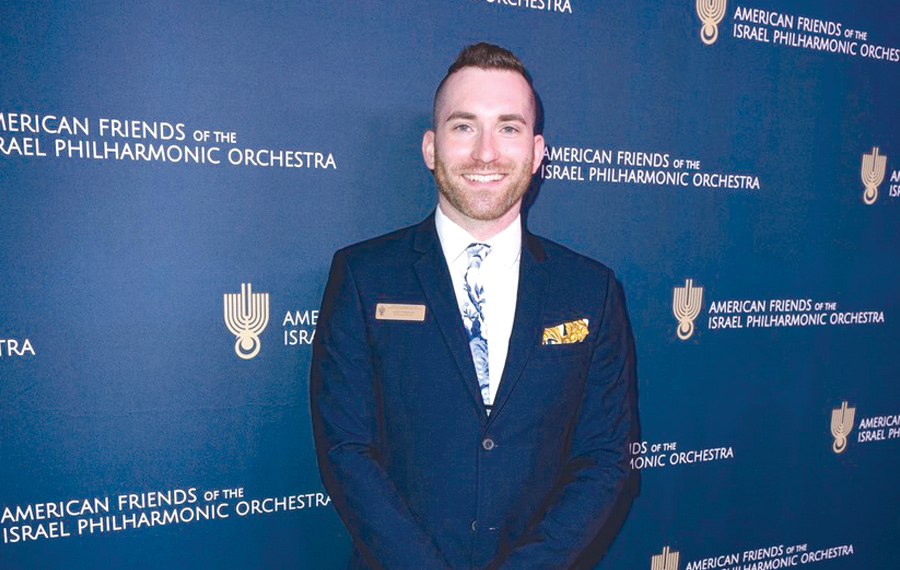
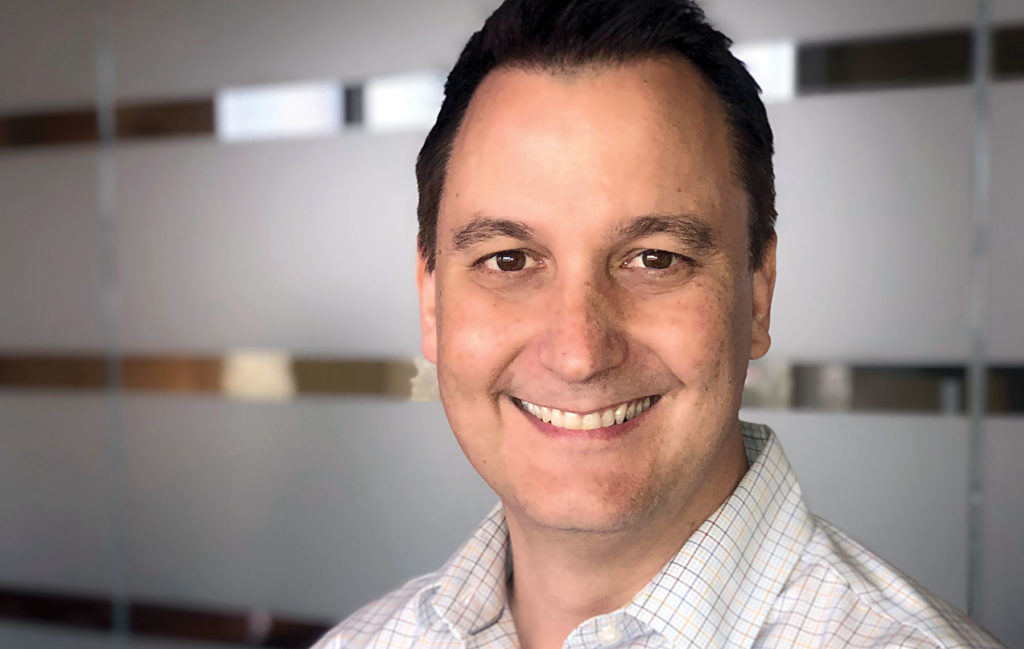
Justin Pressman, the West Coast director of the American Friends of the Israel Philharmonic Orchestra. Photo courtesy of the American Friends of the Israel Philharmonic Orchestra

The West Coast director of the American Friends of the Israel Philharmonic Orchestra (AFIPO), which supports the Israel Philharmonic Orchestra and helps sustain the cultural institution’s future.

Pressman was previously the West Coast associate director of AFIPO, a position he held since December 2018.  The development professional has worked with the Los Angeles Chamber Orchestra, Cleveland Orchestra’s Miami Residency, New World Symphony and the Castleton Festival (Va.). As a Fulbright scholar, he studied orchestral and opera  conducting in St. Petersburg, Russia, and received his bachelor’s degree in music from the University of Miami in classical trumpet performance.

He is originally from Chagrin Falls, Ohio.


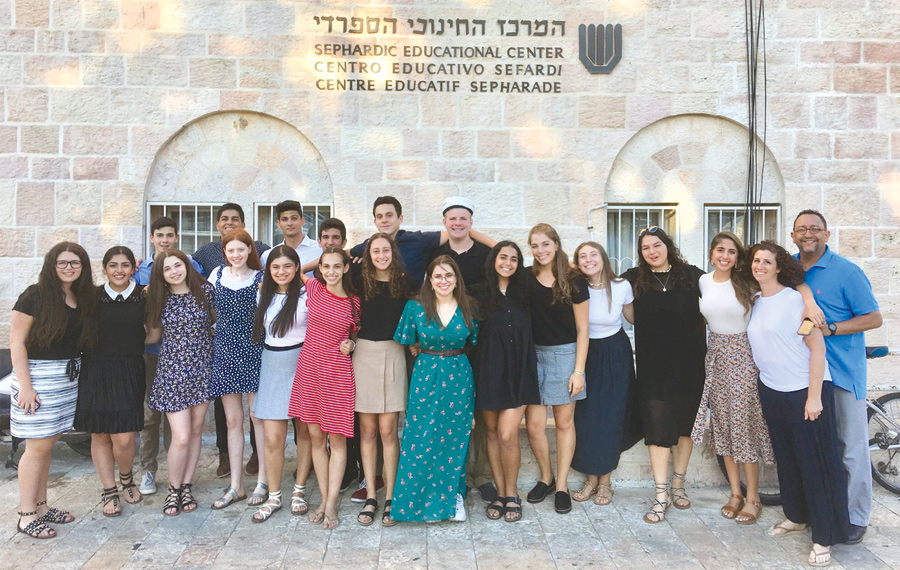
The Sephardic Education Center’s (SEC) latest Hamsa Israel Teen Leadership cohort comes together for a group photo in Israel, joined by SEC Director Rabbi Daniel Bouskila (far right). Photo courtesy of the Sephardic Education Center

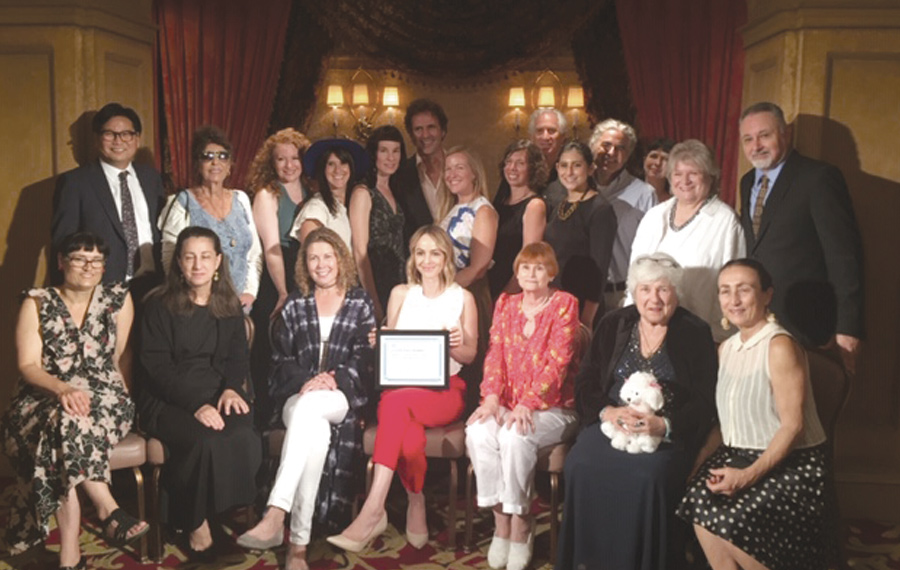
Volunteer committee Save Beverly Fairfax and those committed to preserving the Jewish character of the Beverly-Fairfax district received the 2019 Preservation Award at the Biltmore Hotel in downtown L.A. on July 25 for their successful effort to list the Beverly-Fairfax area in the National Register of Historic Places.

The award from the L.A. Conservancy recognizes a small group of Beverly-Fairfax district residents who have opposed the development of the neighborhood, including the building of McMansions, and want to preserve the area’s Jewish character and history.

“We’re trying to prevent the whole landscape and history from disappearing,” Beverly-Fairfax resident Fred Zaidman, a volunteer in the grassroots effort, told the Journal.

Award recipients include project leads Dale Kendall and Nora Wyman; preservation consultants Katie Horak, Mary Ringhoff and Mickie Torres-Gil; and team members Kathryn Bundy and Brian Harris.

According to the website of the L.A. Conservancy, the Beverly-Fairfax district was one of the few L.A. neighborhoods in the late 19th century that did not prohibit property owners from selling or leasing to minorities, including Jewish Americans. The area “became the destination of many Jewish Americans who migrated from the [city’s] eastside in the 1920s. 

“By 1961, the district was over 60 percent Jewish,” the website says. Many Holocaust survivors settled in the neighborhood, which today “remains largely Jewish.” 

“We have Holocaust survivors and our history in that area,” Zaidman said in a phone interview.

Last month, the group gathered for a celebratory luncheon. Meanwhile, an event publicly recognizing their efforts will take place on Aug. 11, during which L.A. City Councilmember Paul Koretz will present the group with an award. The gathering will also commemorate new historical district signs that will be placed throughout the neighborhood.


Volunteer committee Save Beverly Fairfax and others received the 2019 Preservation Award from the L.A. Conservancy for their efforts to preserve the Jewish history of the Beverly-Fairfax district.
Photo courtesy of Fred Zaidman

The Sephardic Educational Center (SEC) in Jerusalem, under the leadership of Rabbi Daniel Bouskila, successfully completed another cohort of its Hamsa Israel Teen Leadership Program this past July. 

With teenagers from Sephardic communities in Los Angeles, New York and Seattle, the monthlong Hamsa Program features all of the traditional touring, hiking and immersion into Israeli society and culture, celebrates Sephardic Judaism’s culture and history and emphasizes leadership training.

According to its website, SEC is “dedicated to strengthening Jewish identity for youth and young adults and to building a new generation of spiritual and community leaders.”


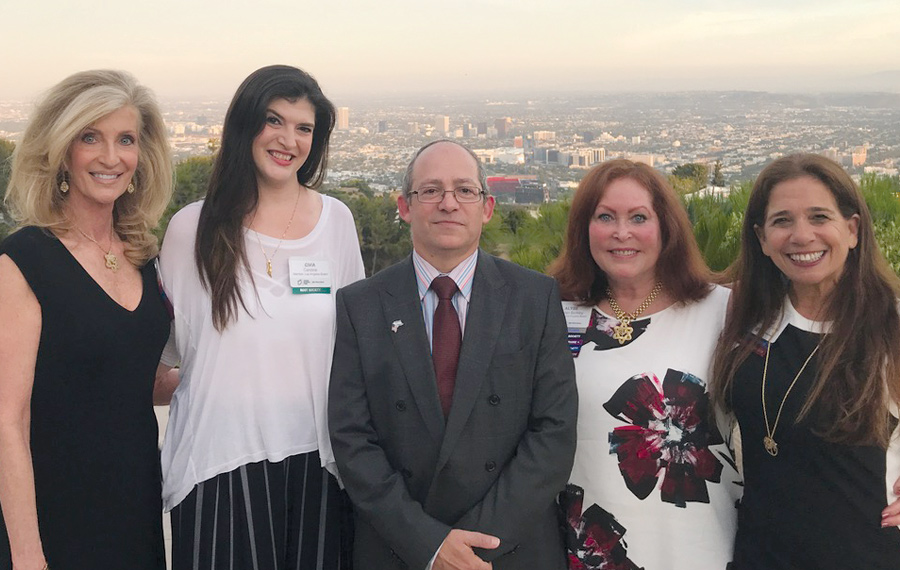
From left: JNF Board Members Carole Shnier and Civia Caroline, Consul General of Israel in Los Angeles Hillel Newman, JNF Los Angeles Board President Alyse Golden Berkley and JNF National Campaign Director Sharon Freedman. Photo courtesy of JNF

Hillel Newman, the new Consul General of Israel to the Southwest United States, attended his first official event since arriving in Los Angeles: an appearance with the Jewish National Fund (JNF). 

The newly arrived diplomat, who began his duties around the beginning of July, participated in an intimate reception with JNF’s board of directors and major donors on July 24 at a private residence in Trousdale Estates in Beverly Hills. 

Attendees included Beverly Hills Mayor John Mirisch, Vice Mayor Lester Friedman and Beverly Hills City Councilmembers Julian Gold and Robert Wunderlich.

The event was the vision of JNF’s National Campaign Director Sharon Freedman, according to the JNF.

“Hillel and I go back to New England, where we became fast friends when he was the Deputy Consul General for that region,” Freedman said. “Los Angeles and the entire Southwest are so lucky to have his vast experience, wisdom and vision here as our Consul General.”

Newman said he was grateful to the JNF for hosting him at the event.

“Thank you to Jewish National Fund for such a warm and beautiful welcome to L.A.,” Newman said. “And thank you for all that you have done and continue to do to make Israel grow and thrive.”

During the event, Newman shared the current state of events in Israel.

“Israel faces both challenges and opportunities today,” Newman said. “There
are also new horizons emerging in fields ranging from diplomacy to innovation.”

The mission of the JNF is to ensure a strong, secure and prosperous future for the land and people of Israel.


Want to be in Movers & Shakers? Send us your highlights, events, honors and simchas.
Email ryant@jewishjournal.com.

Leadership Program, New Consul General Read More »

The Cedars-Sinai Therapist Helping Children Cope With Trauma

Gilroy. El Paso. Dayton. Three mass shootings in less than a week. Many people are feeling overwhelmed, anxious and helpless as the number of mass shootings in the United States to date this year — 250 — surpasses the number of days we’ve had in 2019.  

How do we cope with these ongoing massacres? And is there anything practical we can do?  

At Cedars-Sinai Medical Center, experts have spent the past 38 years helping people deal with trauma through programs that include Share & Care and Stop the Bleed. To date, these programs have helped more than 1,600 people in Southern California cope and even save lives during traumatic incidents. 

Cedars-Sinai marriage and family therapist Jonathan Vickburg, who is part of the Share & Care program, works with children in schools to help them feel safe following tragedies. Vickburg spoke with the Journal about coping mechanisms geared specifically toward children in traumatic times. 

Jewish Journal: When events like these occur, do you see an increase in patients with anxiety?

Jonathan Vickburg: In my private practice, I don’t necessarily see an increase, but I do see every single client starts talking about free-floating anxiety. Even if they are coming here for a different reason, it’s definitely a primary focus and the same thing happens with children in schools, as well.

JJ: What is the age range of children you treat?

JV: [Transitional kindergarten] all the way up to high school — 18- or 19-year-old students.

JJ: I can’t imagine how you talk to kids and teens about these things, especially now since there are more lockdown drills.

JV: Right. Absolutely. And it’s different for different ages and that’s what I tell parents, as well: First of all, it’s important to keep an open conversation. A lot of parents feel like, “Well, if I don’t talk about it, it will protect my child from that.” As we know, with the advent of digital media and social media, kids are going to hear. Maybe not preschool kids but at least elementary, middle and high school students, so I think it’s important to talk about that. I always encourage [parents] to limit screen time. Even for us as adults to see the images and hear the story over and over, it becomes very traumatizing. 

Students will find out about it, so to have a preemptive conversation that’s age appropriate that’s just factual information, not giving graphic details, and giving them an open space to talk about it and answer questions honestly is important. With the older kids, really have a more detailed conversation and give them a chance to discuss it and share their feelings. 

JJ: What is the appropriate way to help someone directly involved in a traumatic incident?

JV: I think that is the opportunity where we get to practice our empathy skills. Even though we don’t know what they are going through, we can use our imagination to sit with them in that moment; by giving them that time and attention, it’s really important. With kids, and with adults, too, it’s important to maintain their habits. Having a schedule helps us feel safer. If somebody knows somebody who was involved in the shooting, there’s the trauma of “this can happen to me,” but there’s also that grief. It becomes much more complex and complicated trauma.

JJ: Do these routines help kids cope with their own emotions?

JV: That’s a conversation I also have with parents. It’s important for them to be there for their kids and it may help a little bit but they can’t just rely on that. Parents need to find their own ways to cope so their free-floating anxiety isn’t being transferred onto their kids. The message that’s sent is [if] the parents are really unable to control emotions and are afraid to go out in places, if the world is unsafe for my parents, then I know that it is really unsafe for me. So it’s really important for parents to take care of themselves and have those conversations, whether it’s [through] religion, a therapist, close friends, activities, whatever they can do so they can be there for their child. 

JJ: Can you talk about Cedars-Sinai’s Share & Care program?

JV: Suzanne Silverstein started it. We realized a lot of kids throughout the schools have different traumas, different issues that come up, whether it’s grief and loss, bullying, dealing with anger and just dealing with feelings. Lately, there’s been a lot more anxiety just with testing and other issues that come up, so it’s a way through art therapy for kids to process their feelings and talk about it. It’s a 12-week program with the school.

JJ: How many schools have this program?

JV: Right now, we have 26 schools we are in and we have 30 schools where we connect by sending information. We try to put our arms around the whole school community, so we have means for our principals. We will meet with teachers, have parent workshops and have counselors in the schools meeting with kids.

JJ: You’re also a magician. Why is it important that people have a creative outlet? 

JV: I think all of us need to find that little creative outlet. For some people, it’s not creativity, it’s an engineering and logical outlet, but [it’s] that element of self-care. It becomes about imagination and wonder that you can have with a kid. I see it with my kids I work with, too, when they are doing art or when they are building something with clay. All of a sudden, they are present and in the now and able to connect in a much different way.

The Cedars-Sinai Therapist Helping Children Cope With Trauma Read More »

Spiff Up Your Cutlery With These DIY Painted Wooden Spoons

Plain wooden spoons are rather utilitarian — they serve their purpose but they’re nothing to rave about. Spiffy them up with a paint job, however, and you’ve got some colorful accent pieces for the kitchen. And if you keep a kosher kitchen, painting the handles will help designate different spoons for meat and dairy. But be sure to paint only the handles. Even though we’re using nontoxic paint, we don’t want the painted portion of the spoons touching any food.

What you’ll need:
Wooden spoons
Masking tape
Acrylic paint
Paintbrushes
Baking sheet

1. With masking tape, mask off the area on the spoon you wish to paint. I recommend the top three inches of the spoon handle. Press the tape down securely so paint won’t seep through.

2. Apply acrylic paint with a paintbrush. Place the spoons with the handles up in a glass or vase to dry. When the paint is dry, remove the masking tape.

3. Paint accents such as stripes or dots on the handle. I decided to paint one gold metallic stripe around the base of the painted portion, using tape to mask off the stripe. When dry, remove the tape.

4. To cure the paint, place the spoons on a baking sheet in a cold oven. Heat the oven to 350 degrees, and bake the spoons for 25 minutes. Turn off the oven, and leave the spoons in the oven until they have cooled. Wait three days before using, and hand wash only.


Jonathan Fong is the author of “Flowers That Wow” and “Parties That Wow,” and host of “Style With a Smile” on YouTube. You can see more of his do-it-yourself projects at jonathanfongstyle.com.

Spiff Up Your Cutlery With These DIY Painted Wooden Spoons Read More »

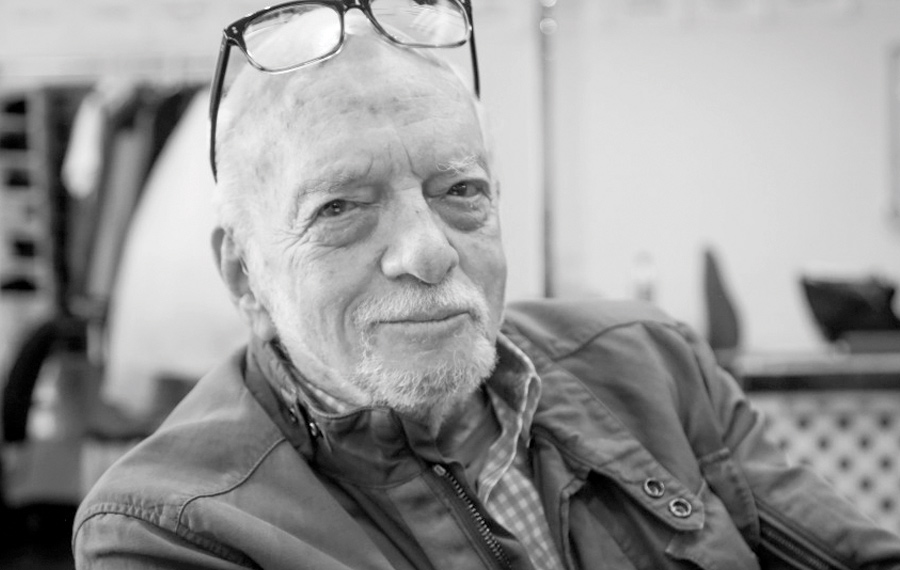
‘Fiddler on the Roof’ Producer Hal Prince, 91

Legendary Broadway producer and director Hal Prince died July 31 in Reykjavik, Iceland. He was 91.

Prince had a hand in some of  Broadway’s landmark productions, including “West Side Story,” “The Pajama Game,” “Damn Yankees,” “Evita” and “The Phantom of the Opera.” He also was the primary force behind what became known as the “concept musical” (productions born of an idea or a message as opposed to a story) in shows such as “Cabaret,” “Company” and “A Little Night Music.” 

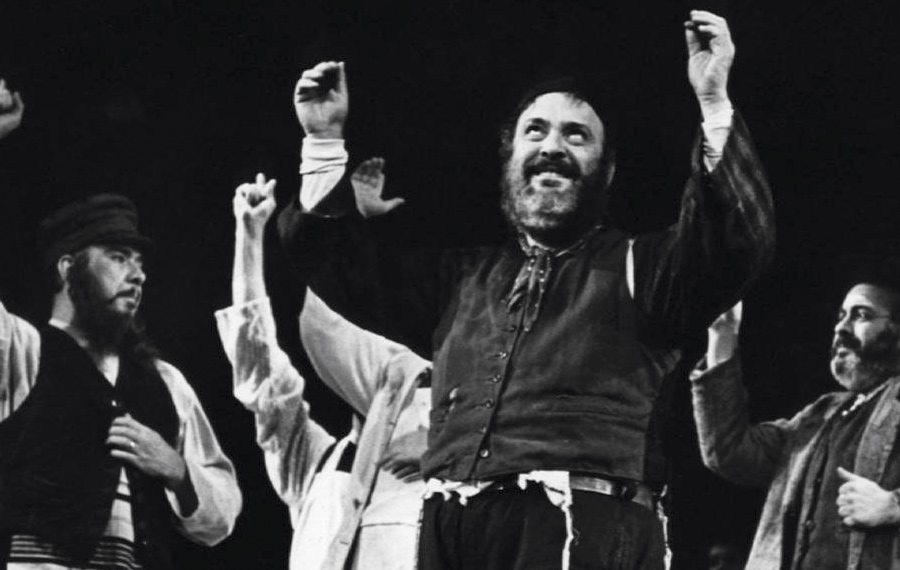
For Jewish audiences, Prince is best known for producing the 1964 hit “Fiddler on the Roof.” Based on the short stories of Sholem Aleichem, it was shunned by some investors as being “too Jewish” to reach a mainstream audience, but the initial Broadway production, directed and choreographed by Jerome Robbins, ran until 1972. With 3,242 performances, it held the record for longest-running musical until 1979 when it was supplanted by “Grease.” 

Prince was born Harold Smith Jr. in New York City on Jan. 30, 1928, the son of Harold Smith Sr. and Blanche. His parents divorced when he was a young boy, and his mother quickly remarried Milton Prince. Both his birth and adoptive fathers were stockbrokers and the Prince family was well-off. In his memoir, “Contradictions,” Prince described his upbringing as “privileged, upper-middle, lower-rich class, Jewish, both parents of German families which settled here soon after the Civil War.” 

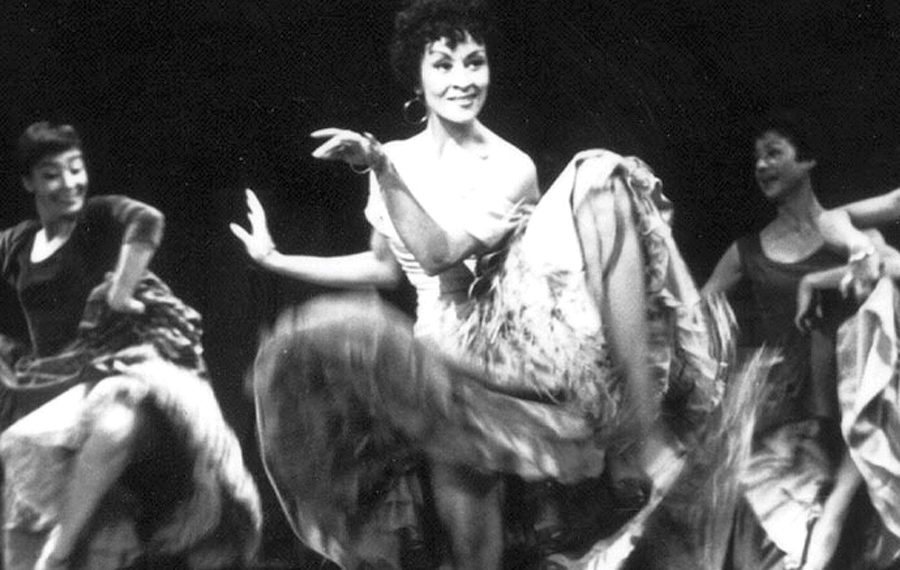
West Side Story

Prince’s mother was a regular theatergoer and Prince caught the bug. He attended the University of Pennsylvania with an eye to becoming a playwright. But after graduating at 19, Prince got a job working for George Abbott, one of Broadway’s pre-eminent director-producers. He answered phones and made deliveries before he was drafted into the Army and served for two years in post-World War II Germany. On his return to the United States, he went back to work for Abbott, eventually becom-ing an assistant stage manager for 1952’s “Wonderful Town.”  

“His openness to things he didn’t immediately respond to was one of the things that made him such an ideal collaborator.” — Stephen Sondheim

Composer Stephen Sondheim, who worked with Prince on nine productions (starting with 1957’s “West Side Story,” which Prince co-produced), said Prince “learned the business from the ground up, so he knows how to order a pair of shoes, which many producers don’t.”

Prince befriended Richard Griffith, another stage manager, and they joined forces to produce shows. They were a success from their first production, 1954’s “The Pajama Game.” They optioned Richard Bissell’s comic novel “7½ Cents,” commissioned Richard Adler and Jerry Ross to write the score, hired a talented but little known young choreographer by the name of Bob Fosse, and hired Abbott to direct. It was a hit, running over 1,000 performances and winning the Tony Award for Best Musical, the first of Prince’s record-setting 21 Tonys. 

Fiddler on the Roof

Prince went on to produce “Damn Yankees” a year later, “Fiorello!” in 1959, “A Funny Thing Happened on the Way to the Forum” in 1962 and “Fiddler” in 1964. He branched out to directing in the early 1960s and had his first directorial hit with 1968’s “Cabaret.” Prince came up with the idea of having a leering, white-faced Emcee introduce the numbers and keep up a steady patter, a role that made Joel Grey
a star. 

The 1970 hit “Company” was the first Sondheim work Prince directed. They would work together on five more shows: “Follies” (1971), “A Little Night Music” (1973), “Pacific Overtures” (1976), “Sweeney Todd: The Demon Barber of Fleet Street” (1979) and “Merrily We Roll Along” (1981). 

By the 1980s, Prince had left the “concept musical” behind, and with “Evita” (1979)
and “The Phantom of the Opera” (1986), both featuring hit Andrew Lloyd Webber scores, ushered in the era of musical spectaculars. He returned to edgier material, reuniting with the songwriting team of John Kander and Fred Ebb, whom he had worked with on “Cabaret,” for 1993’s “Kiss of the Spider Woman.”

He produced a hit revival of “Show Boat” in 1994 and his final credit was “Prince of Broadway” in 2015, a revue of songs from his past productions. 

The New York Times interviewed a dozen Broadway stars about Prince, and many spoke of how he coaxed the best work out of them by giving them the freedom to try new things. Sondheim praised Prince’s “openness to things he didn’t immediately respond to,” calling it “one of the things that made him such an ideal collaborator.” Patti LuPone, who played the title role in “Evita,” remembered Prince pulling her aside to tell her not to worry when rumors she was being replaced were published. Sarah Brightman, who starred in the original producton of “Phantom,” said Prince “gave me a lot of confidence because he actually trusted what my line of thought was.”

On July 31, the lights on all the marquees in New York’s Theater District were dimmed in Prince’s honor. 

Prince is survived by his wife, Judy Chaplin (whom he married in 1962); his son, Charles; daughter, Daisy; and three grandchildren.

‘Fiddler on the Roof’ Producer Hal Prince, 91 Read More »

Rosenberg Finds the Poetry in Life and the Bible

Like many readers, I first encountered David Rosenberg in “The Book of J,” a provocative study of the passages in the Hebrew Bible that are attributed by biblical scholars to the source known as “J.” His co-author, Harold Bloom, famously argued that J might have been a woman; Rosenberg contributed a fresh and felicitous translation of the Hebrew words and phrases that she contributed to the Bible. Since then, I have come to know and admire Rosenberg’s body of work as an editor, poet, translator and biographer, including “A Poet’s Bible,” “Abraham: The First Historical Biography” and “An Educated Man: A Dual Biography of Moses and Jesus.”

Now Rosenberg looks back on his own rich and accomplished life in “A Life in a Poem” (Shearsman Books). To call his book an autobiography, however, understates the scope and depth of what he has accomplished using the raw material of words on the printed page. While it is certainly a “dossier of self-interrogation,” to borrow one of the author’s intriguing phrases, “A Life in a Poem” also is a tapestry whose vivid strands are drawn from both high culture and popular culture, both the intimate personal experience of the author himself and the tumult of history. 

“If you asked me what I wanted to be at age 6, it was the back alley scrap man (he had a horse and interesting junk); at 14, it was Tony Curtis (I was an understudy at Detroit’s Vanguard Theatre),” Rosenberg muses. When it came to soul, he assumed that it was “merely what my Brady grade-school classmate, Aretha Franklin, would soon be associated with.” The notion that soul was deeply rooted in religion did not occur to Rosenberg “until I began translating psalms in the early ’70s.” 

“A Life in a Poem” is a tapestry whose vivid strands are drawn from both high culture and popular culture, both the intimate personal experience of the author himself and the tumult of history.

Indeed, it is the Bible that remains the touchstone of Rosenberg’s life and work, and much of the poetry in “A Life in a Poem” is inspired by or, often, extracted from the Bible. He wants us to approach the Bible as a work of human authorship: “What you get is human history condensed into the drama of Israel,” he muses. “What you won’t get are answers to your anxieties about belief, faith, and the afterlife — those questions must be left at the door.” 

Rosenberg reduces (or elevates) the whole of the Bible into the realm of poetry: “It’s my contention that, more than a story or history, your reading of the Bible requires you to accept it as a poem,” he writes. And Rosenberg says the same of his own life story: “Anyone’s life is a story but life itself is a poem,” he proposes. “While I look at my personal history from a different angle in each chapter of this book, I always come back to the Bible and to a defense of poetry.”

Similarly, Rosenberg urges us to see and hear the flesh-and-blood human beings who were the authors of the Bible. “The latter prophets do not fail to make themselves characters in their authorship,” he writes. “I was quite aware of this when, not quite 13, I read from Isaiah for my bar mitzvah haftarah. I practiced the text for a year, spellbound by Isaiah’s crying, which I heard in the plaintive tone of the rabbi at my Zaydeh’s graveside when I was eight, singing ‘El malei rachamim’ to help the soul find its way to heaven.”

Rosenberg’s assumptions about the human authorship of biblical writing may be off-putting to some religious Bible readers, but he remains untroubled by the whole question. “Does one have to believe a Creator to hear Jonah’s song?” he asks, referring to his translation of the Book of Jonah (“Behind me / it was the end of the world for me — and yet”). “Billie Holiday in her stylings or the original Dada poets don’t stop making poetry; their work intuits creation and a belief in their existence.” Characteristically, he finds a commonality between the prophet and the blues singer: “So I would ask, Is there really much difference between belief in existence and belief in — or wish for — immortality, a soul that comes from and returns to nonexistence?”

“A Life in a Poem” also serves another function; it is nothing less than an index of Western civilization. Thus, for example, Rosenberg characterizes a 1990s science fiction film titled “Deep Impact” as both “an ordinary piece of pop culture” and “a major Montaignean radish,” which is only the starting point for a search for the meaning of life as it is lived in the apprehension of death (of the individual, the species, the planet or the cosmos), not only in the movie itself but also “Montaigne’s essays, Shakespeare’s plays, Freud’s theories, and the latest literary novel.”

Rosenberg is not a secularist; in fact, he embraces all artifacts of the human hand and the human mind as potential sources of spiritual meaning or, as he puts it, “the knowing that is numinous.” He compares the prehistoric cave drawings at Chauvet to the passages of Scripture that depict “Adam and Eve when they’re speaking with the Creator, or Abraham questioning God on the way to Sodom and Gomorrah, or Jesus addressing God the Father from the cross.” As “created beings,” we are impelled to imagine “the Creator,” he insists, and we are inspired to create “existential representations of something more than ourselves.” And he affirms: “That is what I mean by religion.”

As a young writer, I was both informed and inspired by the memoirs of Nikos Kazantzakis (“Report to Greco”) and Henry Miller (“The Colossus of Maroussi”) and, in a larger sense, the novels, essays and short stories that amount to an autobiography of Isaac Bashevis Singer. David Rosenberg’s “A Life in a Poem” belongs on the same shelf as these precious books, and that’s where I will put my copy of his latest work.


Jonathan Kirsch, author and publishing attorney, is the book editor of the Jewish Journal.

Rosenberg Finds the Poetry in Life and the Bible Read More »

The Dangerous Affair that is Mossad Spy Thriller ‘The Operative’

While CIA and MI6 spies have long been beloved by moviemakers, the secret agents of Israel’s Mossad are having a cinematic moment as the protagonists of such films as “Operation Finale,” “The Red Sea Diving Resort” and the forthcoming “Spider in the Web.” 

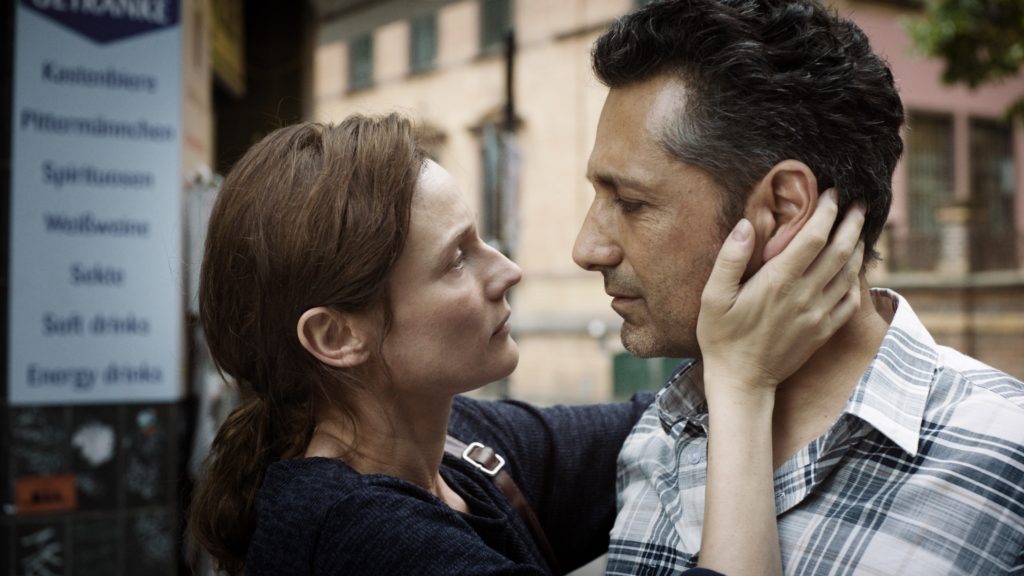
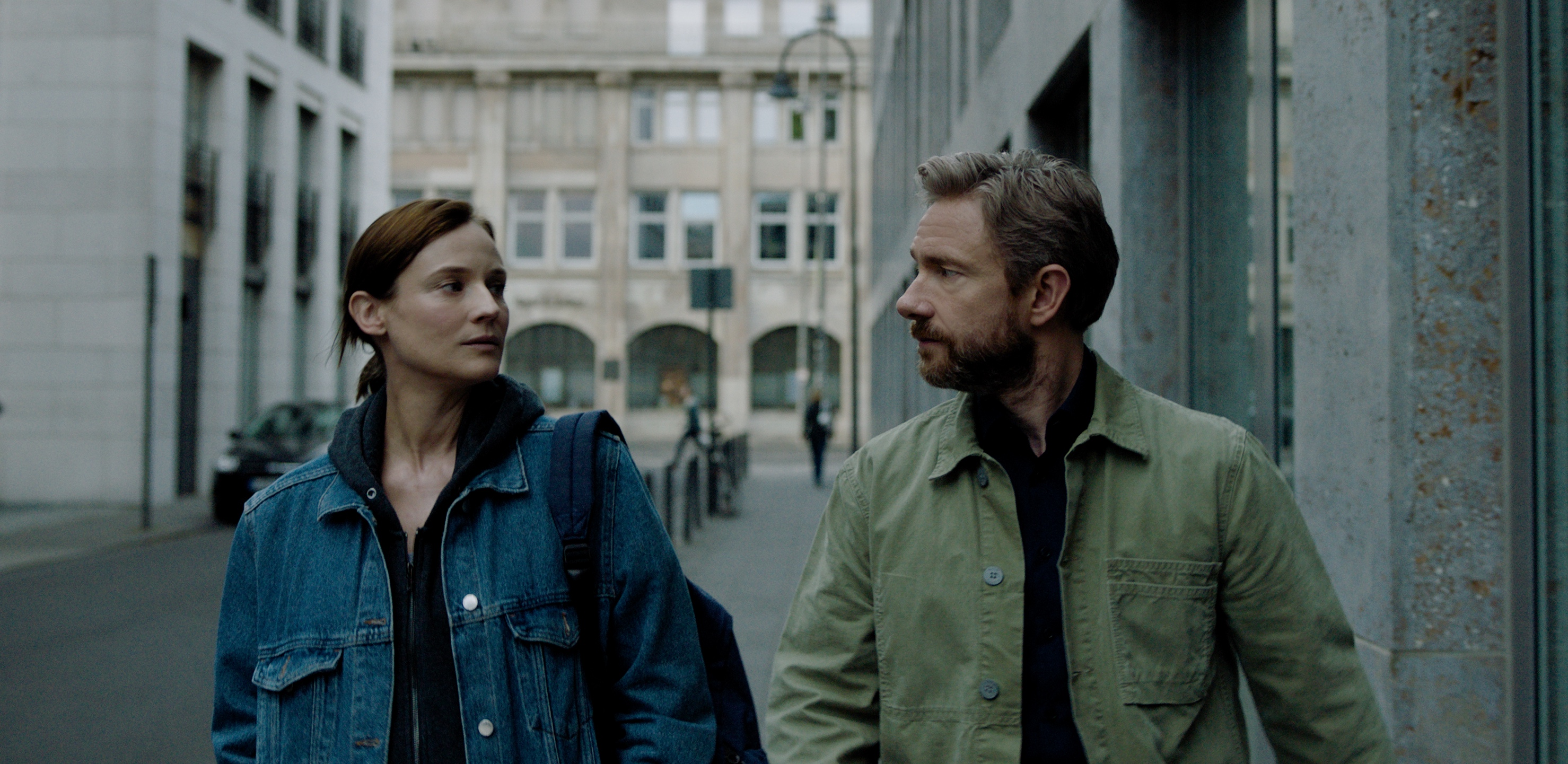
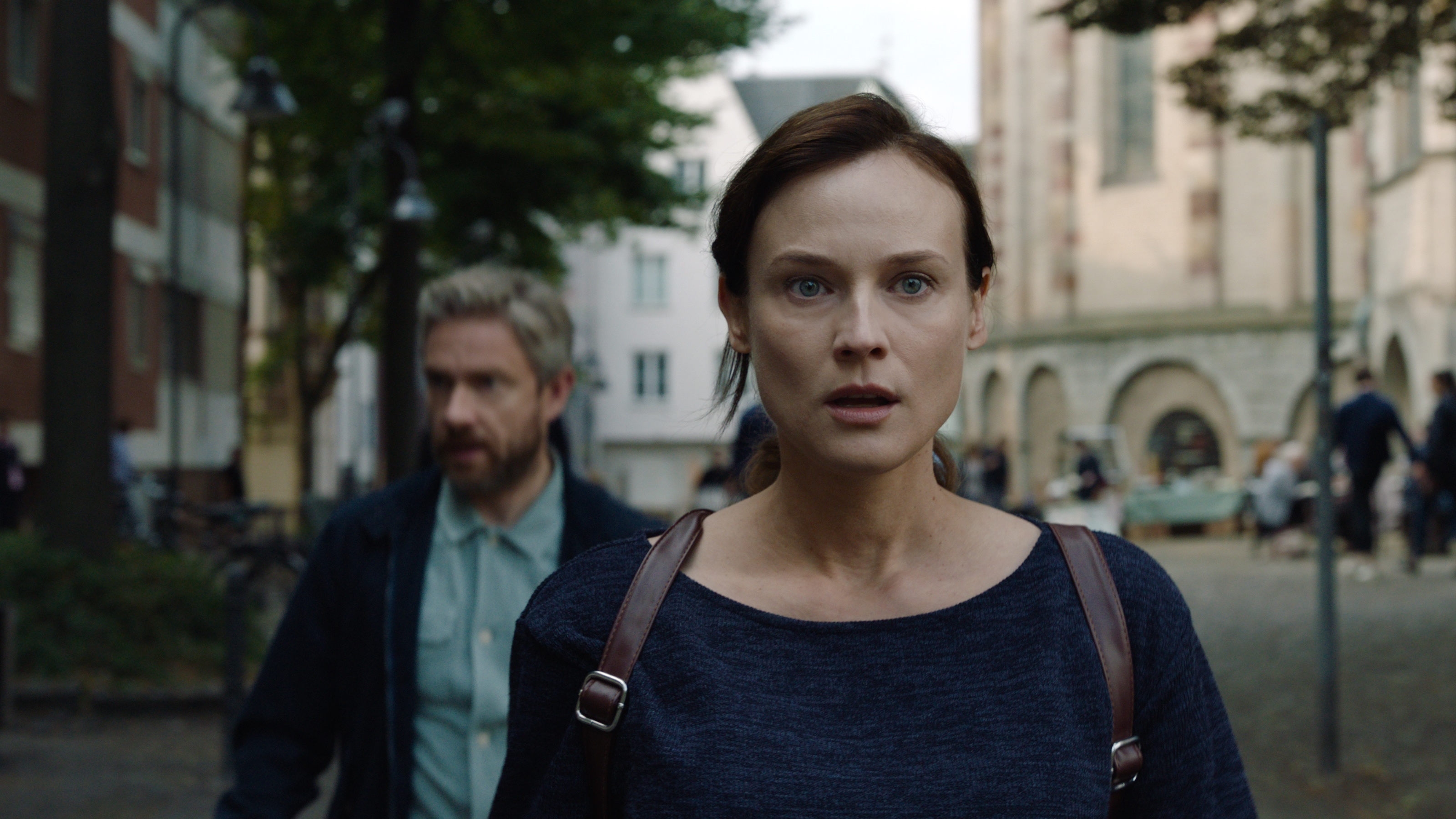
Writer-director Yuval Adler’s “The Operative” is the latest in the subgenre, spinning a suspenseful story about a woman (Diane Kruger) working undercover for the Mossad in Tehran, her handler (Martin Freeman) and her target (Cas Anvar), an electronics company mogul. Her mission is to use the target to transfer faulty nuclear components to Iranian intelligence, but it’s compromised when the two begin an affair. 

Don’t come expecting flashy heroics à la James Bond or Jason Bourne, Adler told the Journal. “It’s more personal. I think a movie is most interesting when it shows you something about human nature and relationships.”

Adapted from the novel “The English Teacher” by Yiftach R. Atir, “it’s a psychological espionage story that explores spy craft from the first-person perspective of a spy on the ground in Iran,” Adler said. “It shows spying like it really is, not all chases and guns. There’s something about the idea of somebody who assumes an identity and lives a fake life in a different country and what that means. What I loved about the book was how realistic it was in showing the minutiae of long-term espionage work. I connected to the story emotionally and especially to the main character, Rachel. And I liked the fact that it is told from two different perspectives.”

“Don’t come expecting flashy heroics à la James Bond or Jason Bourne. It’s more personal. I think a movie is most interesting when it shows you something about human nature and relationships.” 

— Yuval Adler

Adler needed to make substantial changes in plot, structure and character to bring the book to the screen, but the fundamental idea is the same, he said. For research, he consulted Mossad agents and handlers “about the details of running an asset and the deep psychological aspect of it.” Ever since his Ophir (the Israeli Oscars) Award-winning 2013 debut film, “Bethlehem,” about an Israeli intelligence officer and his Palestinian asset, “people in the intelligence community have wanted to meet me,” he said.

Diane Kruger, Martin Freeman in “The Operative.” Photos by Kolja Brandt/Vertical Entertainment

It took Adler a couple of years to secure funding from European and American sources for “The Operative.” He then shot the film in less than 10 months on location in Germany, Israel, Bulgaria and Iran. To shoot in Tehran, he had to send his German cinematographer under the auspices of a shell company to obtain second-unit footage. As an Israeli, Adler couldn’t enter the country. He found parts of Sofia, Bulgaria, with similar architecture to stand in for Tehran in scenes with the actors. 

Although he came late to filmmaking, Adler dreamed about it as a teenager. “When I was 16, 17, 18, all I thought about was making films,” he said, but after his Israeli army service he detoured into math and physics studies at Tel Aviv University. He moved to New York at 23 to get his doctorate in philosophy from Columbia University, also studying art and photography. “That was my way back to film,” he said.

Aside from a five-year period when he returned to Israel and made “Bethlehem,” Adler has spent most of his adult life in New York, where he lives with his wife and two children, ages 10 and 8 1/2. Born in Herzliya, Adler said, “I feel more Jewish in America than in Israel,” but added he visits Israel two or three times a year because “it’s who I am. I believe you are your heritage.” 

Martin Freeman, Diane Kruger in “The Operative.” Photos by Kolja Brandt/Vertical Entertainment

Adler’s paternal forebears, from Austria, Prussia and Alexandria, Egypt, arrived in Palestine in the mid-19th century, and his mother’s Zionist family emigrated from Bulgaria in the early 1930s. He describes his Jewish upbringing as “totally secular” but revealed a strong interest in Judaism and Torah from an intellectual, literary and historical point of view 

His upcoming projects veer far from the world of Mossad spies. He’s currently editing “The Secrets We Keep,” a drama set in post-World War II Europe starring Joel Kinnaman and Noomi Rapace. “When it came to me at the end of last year, it was about Jewish Nazis and the Holocaust, but I did rewrites and it’s now more about war crime,” Adler said. 

He also has written a script for what he calls “a romantic sex comedy” with the working title “Pussy,” and he’s trying to buy the film rights to a crime drama. 

Equally interested in writing and directing, he’d like to make more action films and write more personal stories. Although his interest in espionage remains, “I’m trying to branch out and do different types of things,” Adler said. “I feel that I just started.”

“The Operative” is now in theaters.

The Dangerous Affair that is Mossad Spy Thriller ‘The Operative’ Read More »

‘Hippie Woman Wild’ Memoir Takes Jewish Women’s Theatre

In the late 1960s and early 1970s, as part of a scattershot back-to-the-land movement, hundreds of communes cropped up throughout the U.S. Young men and women who had taken the measure of the country — war, recession, consumerism, middle-class values — and found it wanting, settled most of the communes. Each was different, but they all shared the dream of a rural paradise where they could dig, plant and build a world of their own making. 

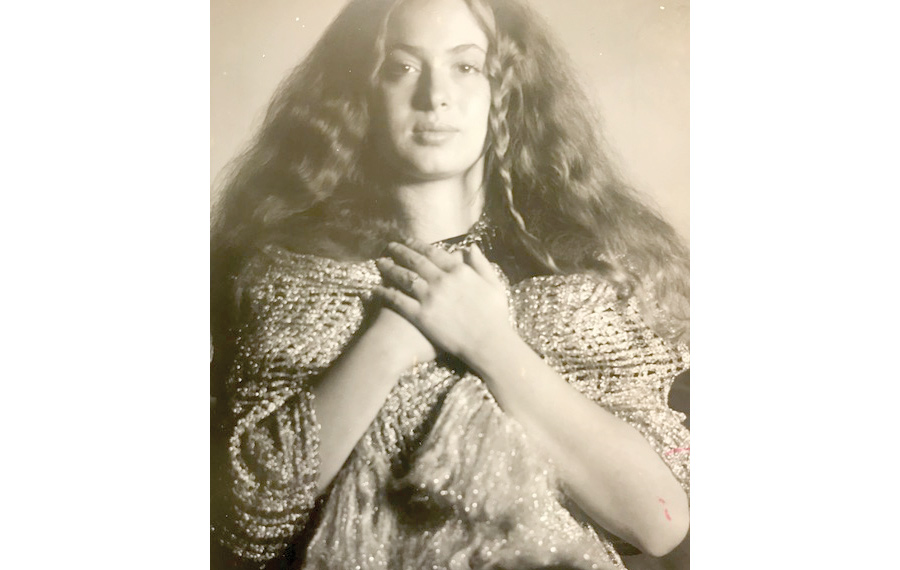
In a recently published memoir titled “Hippie Woman Wild,” Carol Schlanger describes — in hilarious and at times cringingly honest detail — the struggles, loves and joys of living in a commune in rural Oregon in the early 1970s. Her experiences in two locations — first on a piece of leased property then on land that Schlanger bought — involved roughly a dozen people doing their best to survive a hardscrabble life, doing whatever they had to, whether it was (illegally) growing marijuana on nearby government land or using a ruse to obtain food stamps.

On Aug. 11, Schlanger — an actor-writer who lives in L.A. and in Oregon — will perform an excerpt from her book at the Jewish Women’s Theatre (JWT) at the Braid in Santa Monica, and answer questions about her experiences.

Before being in a commune, Schlanger (who wrote that she was a “not-so-nice Jewish girl” back then), was a graduate student at Yale Drama School, where she met a “stoner cowboy” from Texas, Clint Helvey, who was at Yale’s architecture graduate school. 

“Clint was much more hippie-ish than I was,” Schlanger said. “I was pretty straight. I had turned down marijuana my whole life, really focused on my work.” Schlanger told the Journal that Helvey introduced her to LSD and to the possibility of living a different kind of life.

After an irony-laced, rebellious interaction with the school’s dean contributed to her getting kicked out of Yale, Schlanger moved back to New York, her hometown, where she found acting work. Helvey joined her. “Clint didn’t like living in New York,” she said, “His friends were in Oregon, starting a commune, so he left and begged me to come with him. I didn’t want to go. My career was starting to take off. I knew I’d miss it. But I also missed him. … So I went.”

In Oregon, Schlanger found “an anarchist situation, a free-flowing place with no dogma, no leaders. The only rule was ‘You can’t tell anybody else what to do …’ ” 

There was a core of people who stayed, others came and went. For Schlanger, the crisis came when the commune was “raided by a motorcycle gang. Since it was an open-door policy, [the bikers] were welcomed. … I didn’t like that, so I said, ‘That’s it, I want my own place. Clint and I will have a Tarzan and Jane life, it’ll be really gorgeous, there’ll be waterfalls, we’ll live as a man and woman should live.’ ”

With help from Schlanger’s family, Schlanger and Helvey bought a piece of land in a different part of Oregon. “It was very remote,” she said. “There was no electricity, no running water, no road that you could use except with a four-wheel drive. Nothing around for hundreds of acres.”

After moving to the land they’d bought, Helvey, to Schlanger’s dismay, invited the previous location’s core group to join them. “I was furious that Clint invited them,” Schlanger said. “But without them, I never would have survived at all. … When you’re in remote circumstances, you’re all in the same foxhole.”

 “I didn’t have a lot of skills. I was kind of a crappy hippie. At first, I didn’t know how to chop wood or how to bake. I couldn’t sew. I got lost in the woods.” 

— Carol Schlanger

Growing up in a fairly affluent Jewish home in New York as an only child, Schlanger said, “I’d never done my own laundry, and all of a sudden I was doing laundry for 12 people. … I can’t say I loved that part of it very much, but I loved the sharing.” 

But it didn’t always feel like Eden. 

“You miss things,” Schlanger said. “You miss hot water. Something that would take five minutes in the outside world would take you two days, so you had to have patience. … You had to chop down a tree just to cook beans. You stop taking things for granted. When I’d go away from the commune and be able to take a hot shower, that was like a miracle. I’d be in ecstasy.”

Schlanger said that for the most part, they learned to take care of their own medical needs, but when her first child, a son, was about to be born, Schlanger rejected giving birth in a remote area with no doctor and Helvey drove her to a hospital. She said she made that choice because communal living had “cracked open” her mind, “but not to the point of becoming scrambled.” 

Food was always an issue. In the excerpt Schlanger performs at JWT, she goes to a government office to get food stamps. In the waiting area, there’s a woman with a baby and Schlanger makes a deal: If she can borrow the baby for the interview, she’ll give the woman some food stamps. 

The woman agrees. With a baby she’s never seen before in her arms, Schlanger pretends to be “a slow-witted backwoods woman who’s got four kids and a blind husband who’s a goatherd.”

Success! Schlanger gets a life-saving stack of food stamps. When she gives the baby back to the mother, Schlanger peels off some food stamps for the woman, who’s not satisfied with her cut. As Schlanger hurries away, the woman yells out: “Jew!”

Schlanger shrugged off the slur. “Without those food stamps, we would have had to eat a lot of squirrel. … Look, I didn’t have a lot of skills. I was kind of a crappy hippie. At first, I didn’t know how to chop wood or how to bake. I couldn’t sew. I got lost in the woods. But by getting food stamps, I helped the others survive. And it was fun being an actress for a few minutes.”

After a couple of years, the commune dissolved, as most others did. Schlanger, Helvey and their toddler — named, you guessed it, Huckleberry — moved on to the next phase of their lives. 

“I learned a lot there,” Schlanger said. “Most important lesson: How to read bear scat. If it’s fresh, there’s a bear nearby. Scat size tells you if the bear’s big or little. I may be the only woman on the Westside who can read bear scat. I’m proud of that!” Schlanger laughed heartily at her own joke. 

As Schlanger’s friend actor Henry Winkler has written about her, “Carol can’t say a sentence — she can’t write a sentence — without making you laugh.” n

“Hippie Woman Wild” performance and author talk with Carol Schlanger is 10 a.m. Aug. 11 at the Braid, Jewish Women’s Theatre. 

‘Hippie Woman Wild’ Memoir Takes Jewish Women’s Theatre Read More »