fbpx

August 10, 2018

Missouri State House Candidate Who Praised Hitler Wins GOP Primary

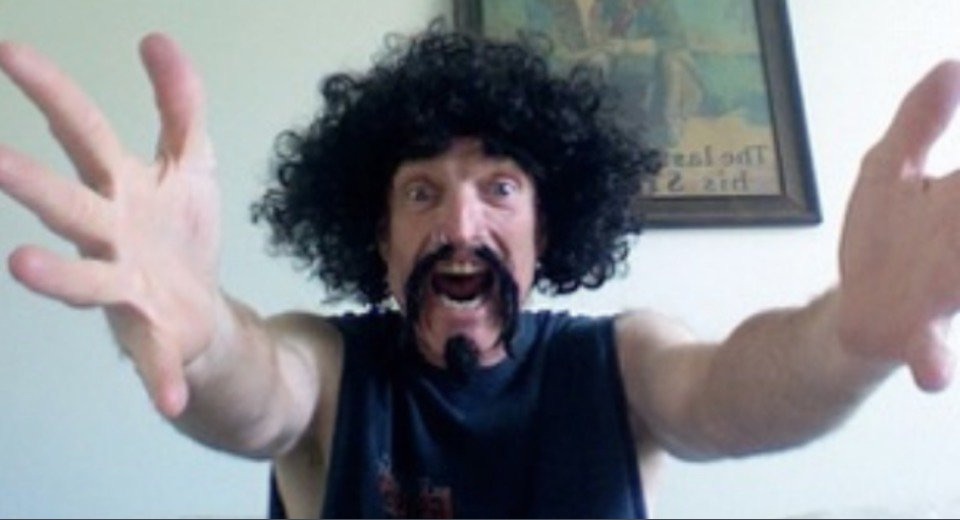
Steve West, who has uttered numerous anti-Semitic statements, including praise for Adolf Hitler, won a GOP primary in Missouri state House race on August 7.

West has issued his anti-Semitic statements through his radio and YouTube channel persona “Jack Justice,” where he wears a curly-black wig and faux facial hair. During his radio broadcast on January 23, 2017, West said, “Unfortunately, Hitler was right about what was taking place in Germany. And who was behind it.”

When confronted by the Kansas City-Star about his Hitler comment, West initially denied that he made the statement at all, but when the Star provided proof to him, West claimed that the full context of his remarks show otherwise:

He said Islam is a political movement masquerading as a religion and that it’s trying to create an autocratic theocracy in the U.S., and that it should be stripped of all benefits religions receive.

“Jewish people can be beautiful people, but there’s ideologies associated with that that I don’t agree with,” he went on. “Jews today are a remnant of the tribe of Judah that rejected Christ.”

West again asked to speak about issues related to the job of a state representative. When asked about Jewish people in Missouri, he said, “Well, maybe they shouldn’t vote for me.”

West has made several other anti-Semitic comments under his Jack Justice persona, most notably that “Jewish cabals” are behind Planned Parenthood’s practice of “harvesting baby parts.” He has also promulgated the classic conspiracy theories that “Jews control the media…Jews control the legal system” and that Jews are “compromised” to Israel because of their Jewish faith. West has also claimed that “Jews who are involved in Republican politics are grooming America, just as a pedophile grooms his victim and grooms his victim’s family as they are preparing the way for them to violate those children.”

West’s campaign website also alleges that there is some sort of conspiracy to use sodium fluoride to poison water and argues that getting vaccinated should be optional.

He won the GOP primary for the House with nearly 50 percent of the vote, easily defeating three other candidates in the primary. The Missouri Republican Party has denounced him.

“Steve West’s shocking and vile comments do not reflect the position of the Missouri Republican Party or indeed of any decent individual,” the party said in a statement. “West’s abhorrent rhetoric has absolutely no place in the Missouri Republican Party or anywhere. We wholeheartedly condemn his comments.”

West’s opponent, incumbent state Democrat Rep. Jon Carpenter, told The Pitch, “This is anti-Semitism, Islamophobia, homophobia, and racism to a degree that truly shocks the conscience. It is my hope that folks who voted for [West] in the Republican primary weren’t aware of any of this stuff. I sincerely hope that’s true.”

Karen Aroesty, who is the Anti-Defamation League (ADL)’s regional director in St. Louis, had a similar reaction.

“I’m trying to get sense of why he flew under the radar, and I’m not sure I have a great answer,” Aroesty told the Star.

H/T: Jewish Telegraphic Agency (JTA)

Missouri State House Candidate Who Praised Hitler Wins GOP Primary Read More »

Popsicle Stick Star of David Photo Banner

Popsicle sticks are one of the most versatile tools in my craft stash. While it might be tempting to buy a case of popsicles and eat them all for the sticks, it’s much easier (and healthier) to buy a pack of sticks at the crafts store. They’re available in various sizes, and they even come pre-painted in different colors. Here, I’ve used these colored popsicle sticks to make individual Stars of David that are strung together into a banner. And each star doubles as a picture frame. This would be a great decoration for the upcoming High Holy Days, or as a classroom banner displaying photos of each student. 

What you’ll need:
Popsicle sticks
Glue
Plastic rhinestones
Photo
String or yarn

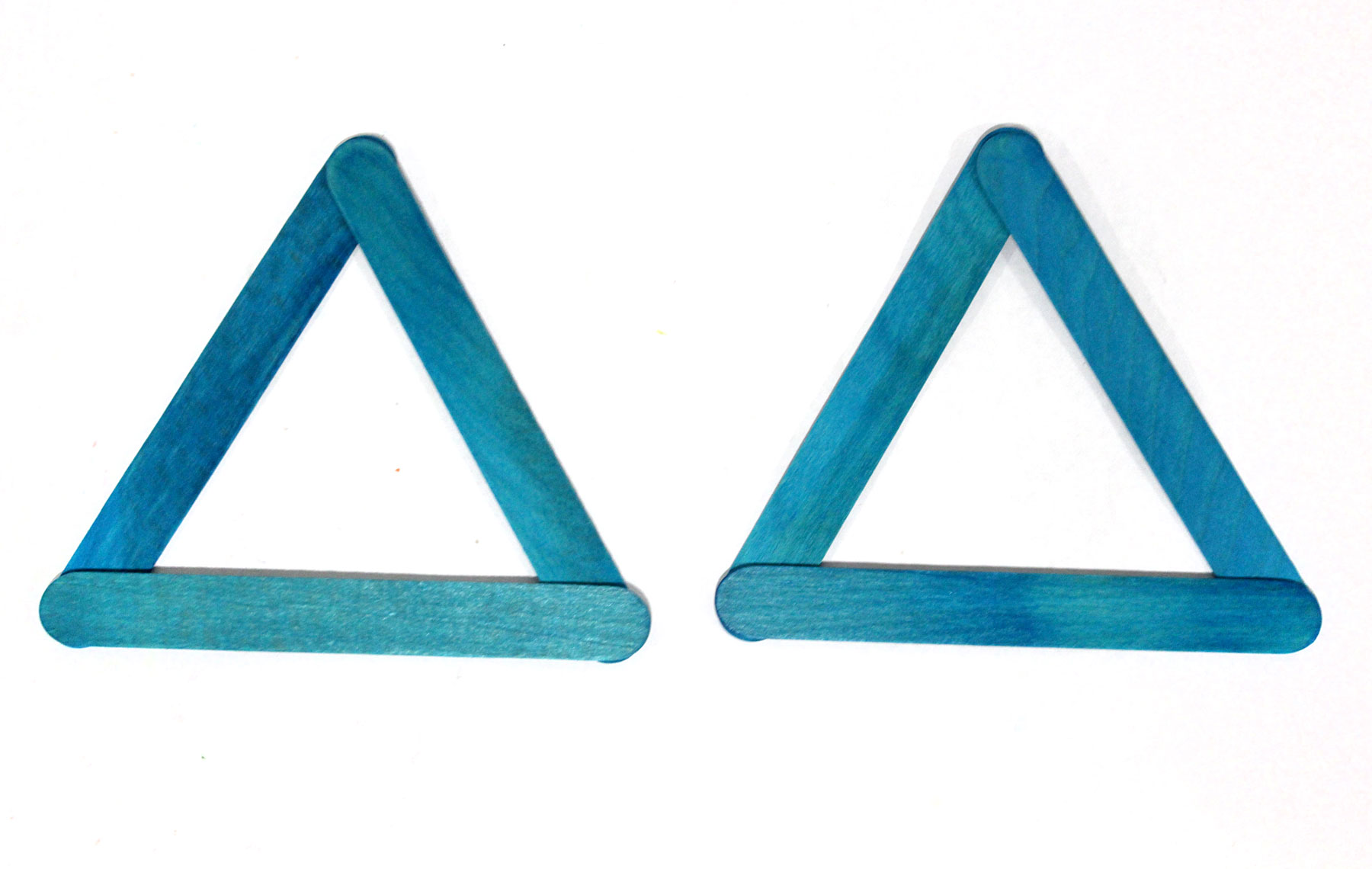
1. Glue three popsicle sticks together to form a triangle. Do this twice so you have two triangles.

2. Place one triangle on top of the other into a Star of David formation, and glue the two triangles together.

3. Glue a rhinestone at each point of the star. This step is optional, but the rhinestones add some nice bling.

4. Cut a photo that will fit in the opening of the star, and glue or tape it to the back. Then run a string through the stars to hang on the wall.


Jonathan Fong is the author of “Flowers That Wow” and “Parties That Wow,” and host of “Style With a Smile” on YouTube. You can see more of his do-it-yourself projects at jonathanfongstyle.com.

Popsicle Stick Star of David Photo Banner Read More »

‘Basterds,’ Beach Club and Sci-Fi Elul

FRI AUG 10

SHABBAT ON THE TOWN
While the lobby of Beth Chayim Chadashim on Pico Boulevard is undergoing a renovation, members of the LGBT congregation venture across the city to a variety of venues to celebrate Shabbat. Pan Pacific Park is this week’s destination, in an easily accessible corner of the park. The Shabbat service emphasizes meditation, music and togetherness. Connect with nature and with each other. Children are welcome. Free. 7–9 p.m. Pan Pacific Park, 7600 Beverly Blvd., Los Angeles. (323) 931-7023. bcc-la.org.

INTERNATIONAL SHABBAT
A Shabbat service delivers international flavor at Wilshire Boulevard Temple as foreign-born members of the congregation relate stories of their Jewish lives abroad before they emigrated. Jewish music from around the world enriches the international environment. An international oneg Shabbat follows. 6–7 p.m. Free. Wilshire Boulevard Temple, Irmas Campus, 11661 W. Olympic Blvd., Los Angeles. (213) 388-2401. wbtla.org.

SAT AUG 11

MOVIE IN THE PARK
Bring pillows and blankets and spread out on a large grassy lawn for the outdoor screening of director Quentin Tarantino’s 2009 film, “Inglourious Basterds,” about a young Jewish refugee who plots revenge in German-occupied France after witnessing Nazis slaughtering her family. The woman seeks to avenge her family when Nazi military leaders convene at a theater she operates while a group of American Jewish soldiers, the Basterds, approach the scene. Their paths cross. Doors 5:30 p.m., music 7 p.m., movie 8:30 p.m. Arrive by 5:30 p.m. for free admission to the Autry Museum for all event ticket holders. $8–$21. The Autry in Griffith Park, 4700 Western Heritage Way, Los Angeles. (213) 267-4393. eatseehear.com.

SUN AUG 12

COMMUNITY SERVICE DAY
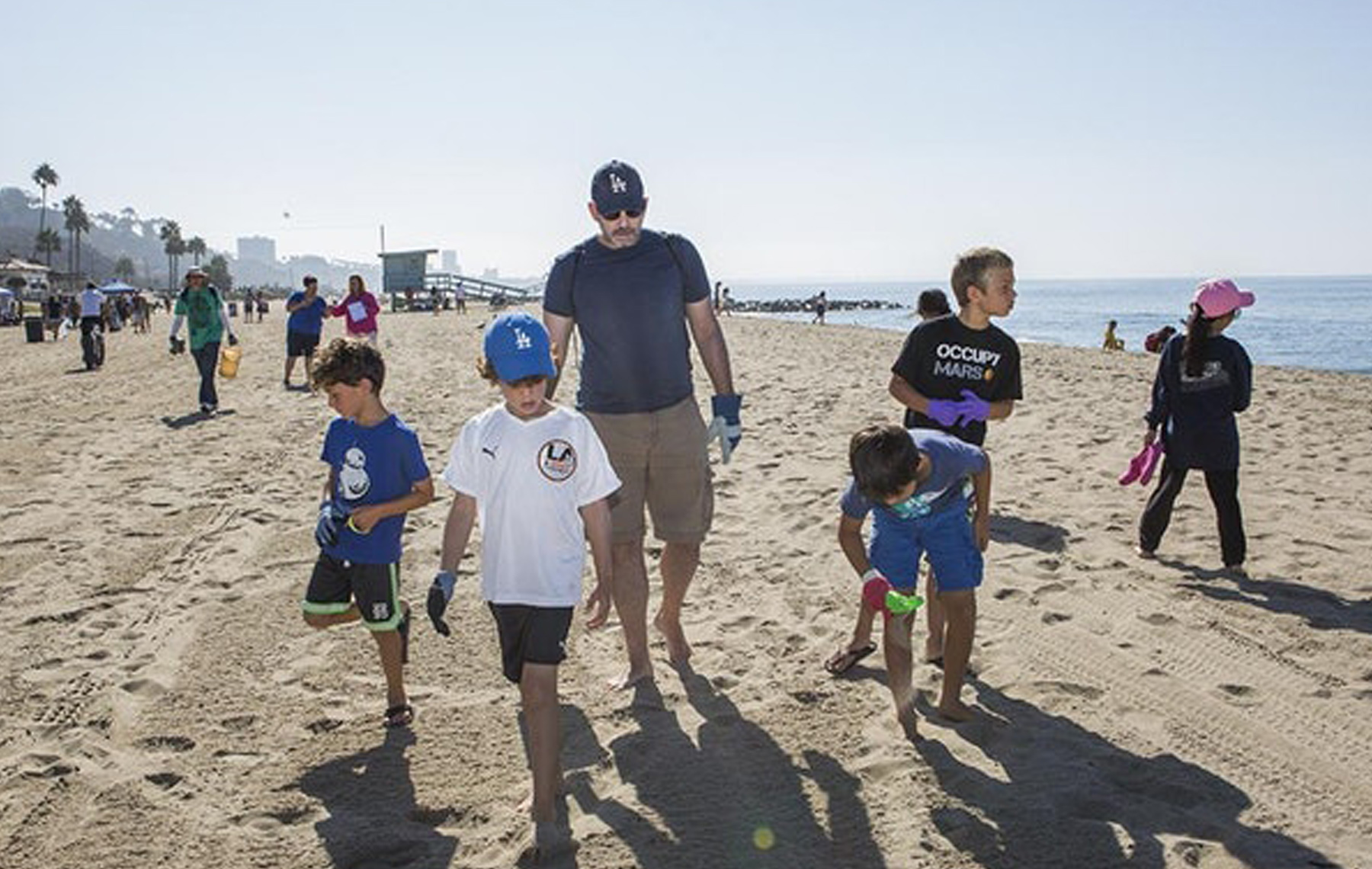
Join the Jewish Federation of Greater Los Angeles for Community Service Day, featuring several opportunities for making a difference across the city. Volunteers join Heal the Bay for a morning of beach cleanup; bring donations of new or like-new items and create customized gift bags for Baby2Baby; or participate in an interactive back-to-school assembly line with low-income Hollywood Community Housing Corporation residents. Heal the Bay: 10 a.m.–noon. Lot 4 South, south side of Hotel Casa del Mar, 1910 Ocean Way, Santa Monica. Baby2Baby: 10 a.m.–noon. Baby2Baby Warehouse, 8439 Steller Drive, Culver City. Volunteers ages 7 and over. Wear comfortable clothes and closed-toe shoes. Hollywood Community Housing Corporation: 8:45 a.m.–12:30 p.m. Mariposa Apartments, 5020 Santa Monica Blvd., Los Angeles. (323) 761-8000. jewishla.org

RANDY NEWMAN
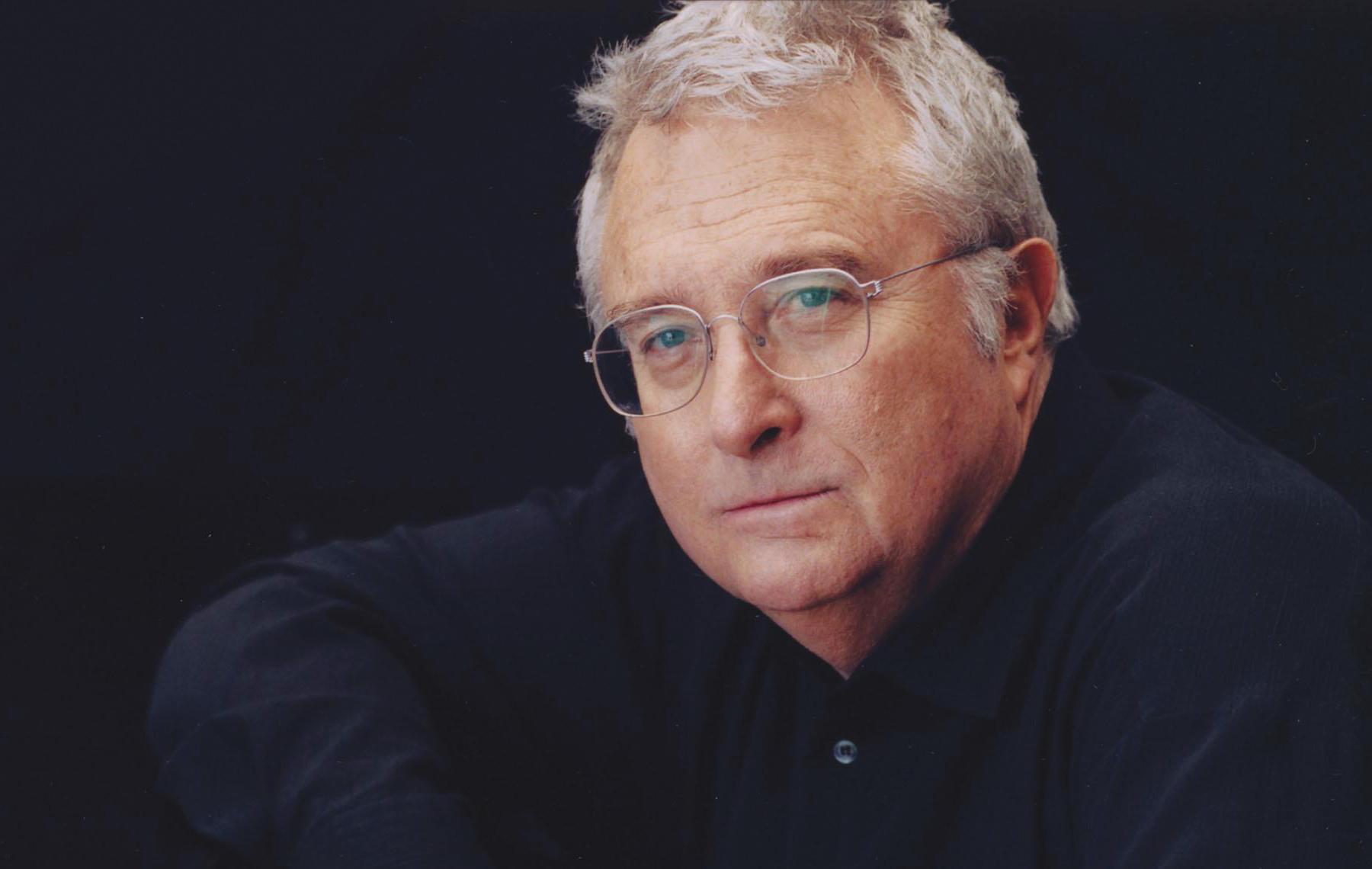
Songsmith Randy Newman’s catalog includes the classic tunes “Short People,” “I Love L.A.” and “You’ve Got a Friend in Me.” At the Hollywood Bowl, the legendary songwriter performs songs from each of his 11 studio albums, featuring accompaniment by the Hollywood Bowl Orchestra and his own band. 7:30 p.m. $14–$70. Hollywood Bowl, 2301 N. Highland Ave., Hollywood. (323) 850-2000. hollywoodbowl.com.

KOSHER BEACH CLUB VENICE
Before summer ends, enjoy a kosher breakfast party at the beach. Bring fruit or kosher/gluten-free snacks and freshly squeezed juice. Yogi and author Marcus Freed leads an optional yoga and meditation session incorporating spirituality, kabbalah and water. Organized by Pico Shul. 10 a.m.–2 p.m. Free. Venice Fishing Pier. 1 Washington Blvd., Marina del Rey. picoshul.org.

“SHARQIYA”
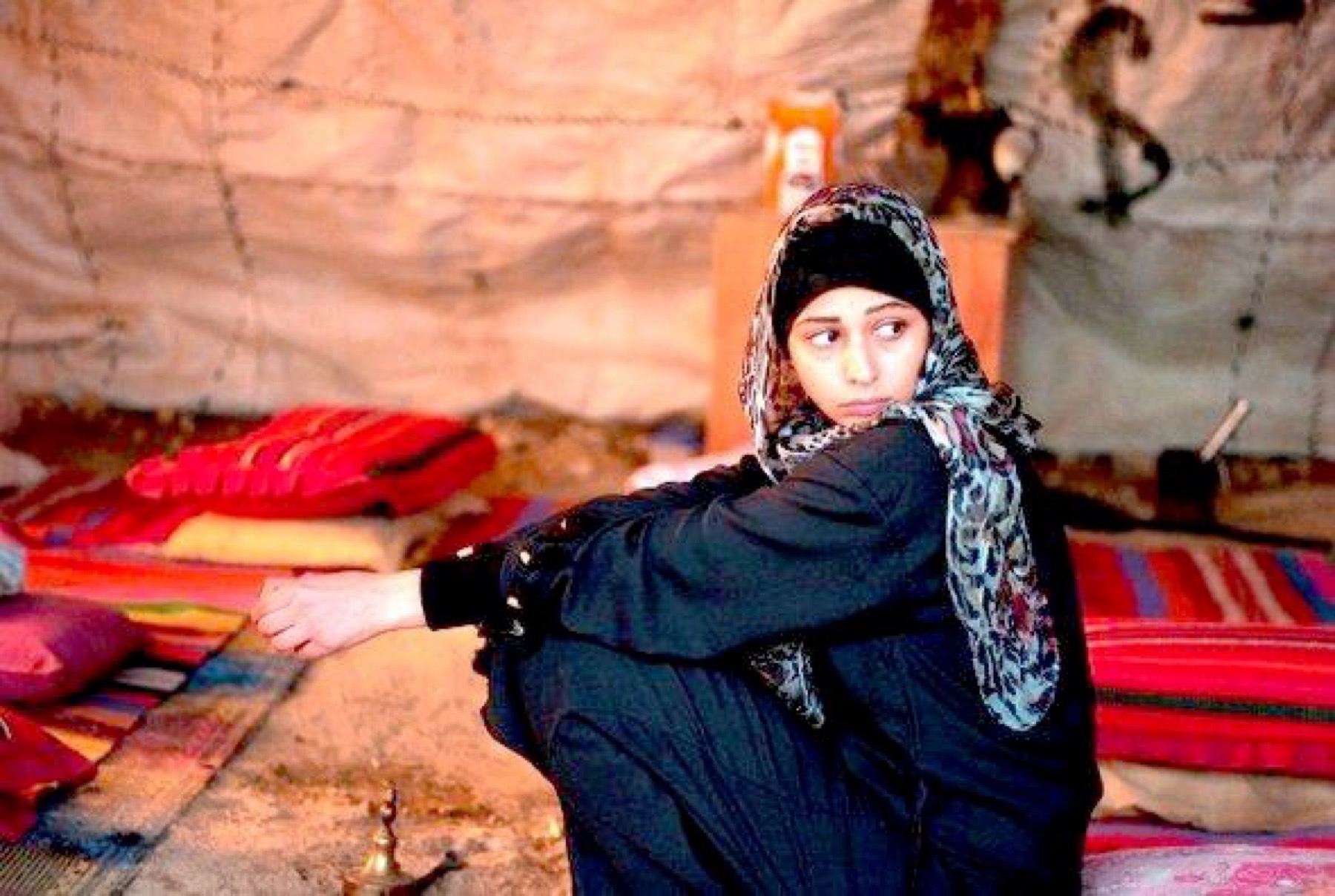
Will a Bedouin family that has occupied the same modest plot of land on the edge of the Negev Desert since the days of the Ottoman Empire be able to overcome an Israeli government order and retain its home? That is a central question in the Arabic- and Hebrew-language documentary film, “Sharqiya,” which will be shown at Beit T’Shuvah in a program organized by the Beit T’Shuvah Sisterhood. A Q-and-A session with director Ami Livne follows the screening. 2 p.m. Free. Beit T’Shuvah, 8847 Venice Blvd. (310) 204-5200. beittshuvah.org/event/sharqiya.

JEWISH BOYLE HEIGHTS
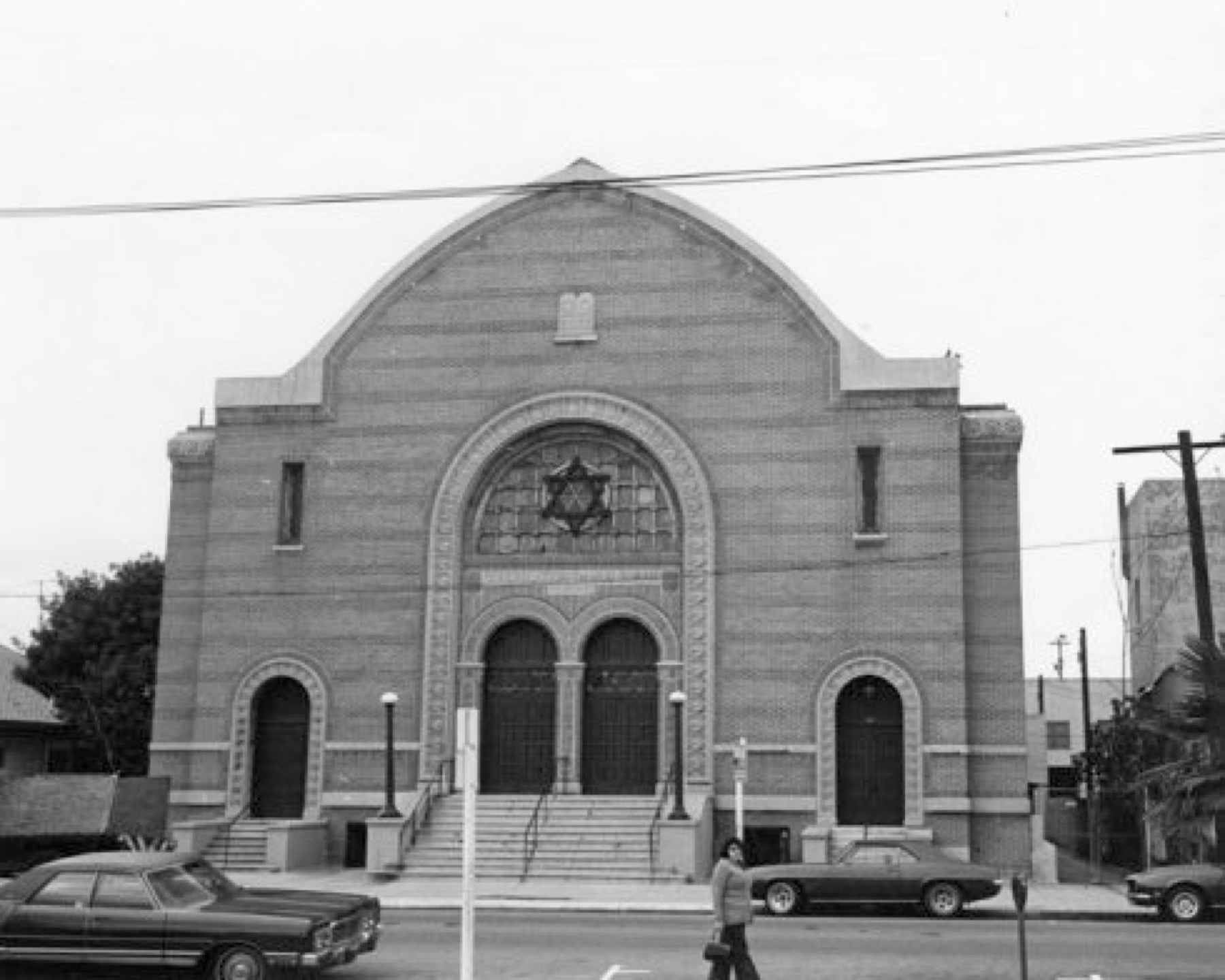
Shmuel Gonzales, known as the Barrio Boychik, leads a late-morning walking tour of Boyle Heights, once the largest Jewish community west of Chicago. The event evokes memories of the long-ago days when Brooklyn Avenue, the Breed Street Shul and the rest of Boyle Heights formed the beating heart of the Los Angeles Jewish community, before Brooklyn Avenue became Avenida Cesar Chavez. 10:30 a.m.–12:30 p.m. $20. Children 13 and under free. Limited to 20 participants. Meet in front of the Breed Street Shul, 247 N. Breed St., Los Angeles. Contact shmuel.gonzales@outlook.com to register.

“HOW HITLER WAS MADE”
Author and documentarian Cory Taylor’s 2018 book, “How Hitler Was Made: Germany and the Rise of the Perfect Nazi” examines the dark, little-known years of the Nazi dictator’s emergence between the end of World War I in 1918 and 1924. Taylor, an Emmy winner who writes nonfiction, discusses the revelations in his book, emphasizing the manipulation of true information and propaganda. 3–4:30 p.m. Free. RSVP required. Los Angeles Museum of the Holocaust, 100 S. The Grove Drive, Los Angeles. (323) 651-3704. lamoth.org.

TUE AUG 14

PREPARING FOR HOLIDAYS
In the run-up to the High Holidays, the egalitarian IKAR community holds preparatory house parties over three consecutive nights. Tuesday’s shindig doubles as a house-warming party at IKAR’s new digs. On Wednesday and Thursday, the group heads to the San Fernando Valley and to the Eastside, respectively. Don’t miss the evenings of learning, conversation, food and kid-friendly activities, featuring IKAR rabbis and fellow IKARites stretching their minds, hearts and souls. Aug. 14: 5:30 p.m. Free. RSVP required. IKAR event space, 1729 S. La Cienega Blvd., Los Angeles. Aug. 15: 7 p.m. Valley location provided upon RSVP. Aug. 16: 7 p.m. Eastside location provided upon RSVP. (323) 634-1870. ikar-la.org.

WED AUG 15

‘The Ripple Effect”
An award-winning documentary spotlights the intense day-to-day struggle to keep arts education alive for inner-city children when other subjects are given higher priority. “The Ripple Effect” is shown at Congregation Kol Ami in an evening organized by the Center for Spiritual Learning–Los Angeles. 7–8 p.m. Free. Congregation Kol Ami, 1200 N. La Brea Ave., Los Angeles. (323) 606-0996. kol-ami.org.

EXPLORING ELUL

Favoring a nontraditional method for studying the month of Elul, Adat Ari El Rabbi Jessica Yarkin — a fan of the futuristic British sci-fi series “Red Dwarf” — uses that show as a launching pad for teaching the community about the High Holy Days. This is the second of a three-part weekly discussion titled “Explore Elul … in Space!” Learners 17-and-up. 7:30–9:30 p.m., Adat Ari El, Wynn Meeting Room, 12020 Burbank Blvd., Valley Village. (818) 766-9426. adatariel.org.

THU AUG 16

HAPPY HOUR
Nonprofits Masa Israel Journey and Jewish Big Brothers Big Sisters of Los Angeles (JBBBSLA) hold a young professionals summer happy hour. Mingle with other Jewish young professionals, network and learn about mentoring opportunities in your area and Israel experiences. Masa Southwest Regional Director Avital Khazanov and JBBBSLA staff will be on-hand to share more about their organizations. Appetizers served. Drinks available for purchase. 6:30–9:30 p.m. Free entry. The Parlor Hollywood, 7250 Melrose Ave., Los Angeles. (323) 761-8675. jbbbsla.org.

CHALLAH BAKE
All you knead is love — so says Chai Lifeline, an organization supporting families with children suffering from cancer and other chronic illnesses. This challah bake at a private home in Beverly Hills raises funds for the international organization’s West Coast office. 7:30 p.m. $100 suggested donation. 515 N. Alpine Drive, Beverly Hills. RSVP to danalabib@gmail.com. chailifeline.org.

RANKY TANKY
Named after a Gullah expression that roughly translates to “work it” or “get funky,”  Ranky Tanky builds upon the musical sounds of the South Carolina low country. The quintet boasts gospel-style vocals, jazzy trumpet solos and African rhythms. Its performance at the Skirball Sunset Concert series comes nearly a year after the release of its eponymously titled album, which soared to the top of the jazz charts. Expect a concert both playful and spiritual. Evening begins at 6:30 p.m. with a DJ set by Ajay Ravi. 8 p.m. concert. Free. Skirball Cultural Center, 2701 N. Sepulveda Blvd. Los Angeles. (310) 440-4500. skirball.org.

‘Basterds,’ Beach Club and Sci-Fi Elul Read More »

Paris Chansons Finds A Diverse Following

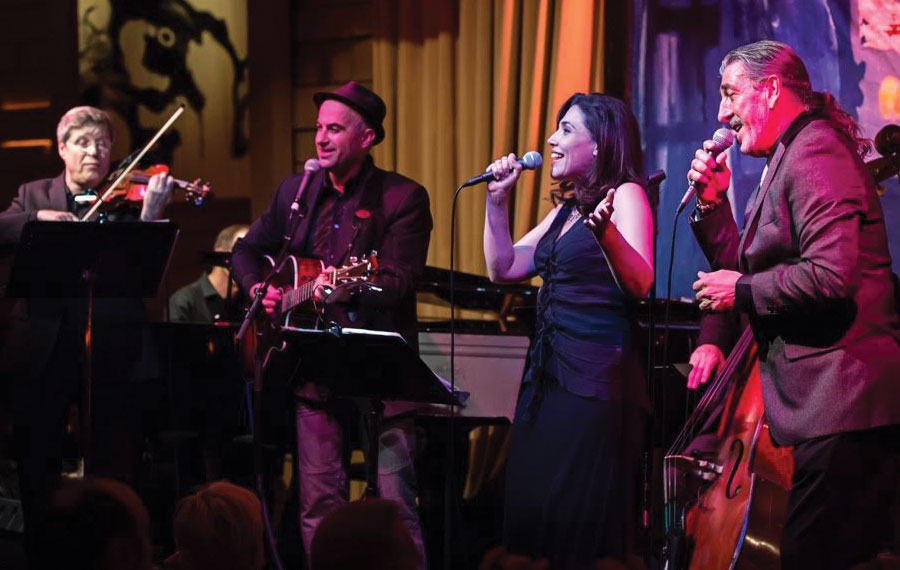
Six years ago, Julia Kantor’s longtime synagogue, Ohr HaTorah in Venice, expanded and added a cafe and performance space called Sophos. Kantor, a Sherman Oaks resident and amateur singer, thought it would be nice to organize an evening of French music to support the congregation, where her Russian-born husband Jacob, is a lay cantor.  

“I’ve always loved French music,” Kantor, who was born in Ukraine, but studied in France during college, explained. “I’ve always felt like I was French in a former life.” 

Kantor’s husband shares her passion for the likes of Jacques Brel, Charles Aznavour and Edith Piaf, and was immediately on board. Kantor then reached out to fellow Ohr HaTorah members – pianist Jeff Lams and violinist Endre Balogh. Ohr HaTorah Executive Director Meirav Finley recommended she contact Encino-based Max Cohen, a Moroccan native who had spent 25 years living in Israel. Cohen, 60, had never performed a day in his life, save for a recent sing-a-long at the temple, but Finley had been impressed by his voice at that event.

And so, Paris Chansons was born. (“Chansons” means “songs” in French.)

For the first performance at Sophos Cafe, 150 people showed up. The following show drew an even larger crowd.

“It was a shock to us,” Kantor said. “We had struck some kind of cultural chord. [Apparently] there is an extremely broad range of people from all over the world who have a very deep connection to the songs we perform.” 

“I’ve always loved French music. I’ve always felt like I was French in a former life.” — Julia Kantor

Many people, the group learned, had heard those songs as kids growing up in Lebanon, Syria, the former Soviet Union, and even Israel, where many of the pieces had been translated into Hebrew. 

With several successful shows behind them, Kantor said she knew she wanted to “take this to the next level” and make Paris Chansons a professional group. She asked Lams, the pianist, who has worked with artists such as Donna Summer and Rita Coolidge, if he would be her mentor. He agreed, and “we spent some time honing the sound and creating charts, so any musician could come in,” Kantor said. They then added drummer Sinclair Lott and bass player Adam Cohen to the ensemble.

Paris Chansons’ first professional gig was at the Catalina Jazz Club in Hollywood in the summer of 2013, and it sold out. The band has also performed at the Sofitel Hotel in Beverly Hills and is a regular act at Vibrato Grill, jazz icon Herb Alpert’s restaurant and concert venue in Beverly Glen. A recent tour has taken the group to Phoenix, Minneapolis, Las Vegas and Chicago. This fall, Paris Chansons plans to hit New York for the first time.

Making this all the more remarkable is the fact that several members have day jobs. Kantor is a marriage and family therapist who also teaches parenting classes. Her husband provides closed captioning for television shows, and Cohen works in the fabric industry as a sales manager.

Kantor is quick to point out that Paris Chansons, whose shows often include a couple of Russian, Italian or Hebrew songs, and even the occasional original, is not a cover band. 

“It is very important to us that we bring something fresh to people,” she said. “They are hearing the song that is very familiar to them, that they have a personal relationship with. But they are hearing it in a completely new way. We might add a gypsy feel to it or a melody line that is unique, or a different vibe.”

Kantor said she and the band thrill to the energy exchange that occurs with the audience when they perform. “When they are up on their feet and dancing and singing with us, it’s so beautiful. Especially in this time of so much division, when I see people from so many different cultures united and we are the catalyst for that, it’s incredibly rewarding.

“People are singing along together and there is harmony and unity,” she said. “Who would have thought that French music is this common denominator that would bring them together?”


Paris Chansons will be performing at the Vibrato Grill on Aug 12. 

Paris Chansons Finds A Diverse Following Read More »

L.A. Teens at Yom NCSY, Club Z Launch Event

California teens took part in a recent NCSY trip to Israel.

Thirty-eight Jewish teens from Los Angeles were among about 2,500 NCSY summer program participants who attended Yom NCSY, an evening of celebration and inspiration at the Latrun Tank Museum in Israel on July 25.

Many of the L.A. youths traveled with the Anne Samson Jerusalem Journey, which provides an opportunity for public school and unaffiliated teens to explore sites in Israel. The event marked the 20th anniversary of the NCSY summer program, which is named for Samson, a local philanthropist who died in 2013.

The gathering included young people from 15 different NCSY summer programs in Israel, the U.S. and Europe, who met
with newly installed Jewish Agency Chairman Isaac Herzog. They enjoyed Jewish music from New York-based DJZJ, singers Eitan and Shlomo Katz and other Israeli singers. 

“Yom NCSY represents the very essence of what NCSY Summer is all about,” NCSY Summer Director David Cutler said. “At the event, it doesn’t matter what your religious background is. It’s about a united, nonjudgmental,
encouraging environment celebrating our shared connections in the home of the Jewish people. The palpable energy, cheering, singing and dancing has made this the highlight of the summer.”

Formerly known as the National Conference for Synagogue Youth, NCSY is the international youth movement of the Orthodox Union. According to its website, NCSY’s programs are designed to provide Jewish teens with a strong connection to their Jewish roots through inspiration and leadership skills.


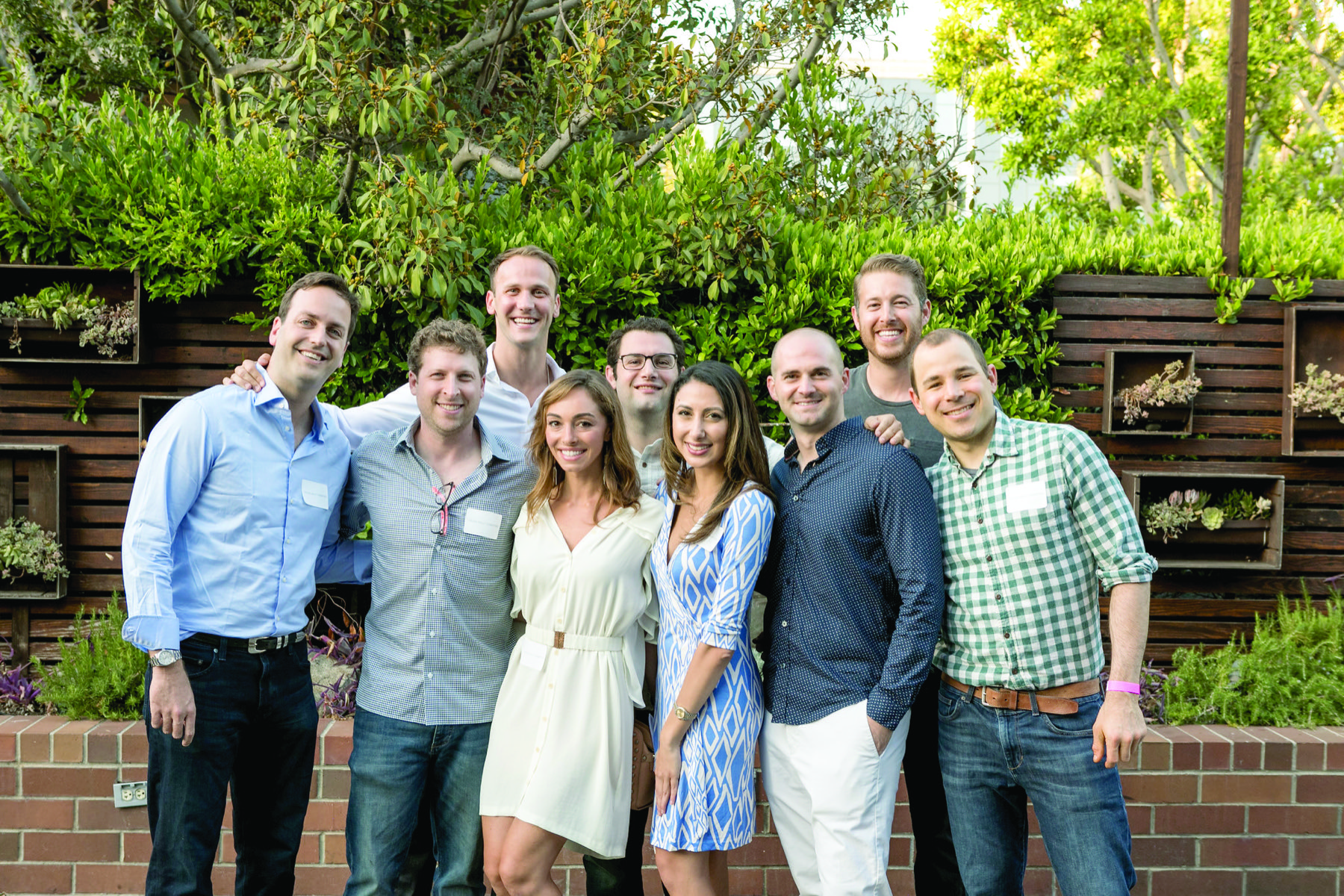
From left: Eliot Rushovich, Josh Eichenstein, Warren Coughlin, Marlyse Scherr, Daniel Barkin, Rojean Kashanchi, Stephen Rischall, Ari Rumennik and Evan Lindenmayer were among the young adult leaders of The Jewish Federation of Greater Los Angeles Summer Soirée 2018.

The Jewish Federation of Greater Los Angeles’ annual Summer Soiree was held on Aug. 1 at Tiato in Santa Monica, bringing together more than 500 young Jewish Angelenos for a night of music, drinks, games, art and summer fun.

The soldout event raised over $15,000 through ticket sales for Federation’s Save Our Survivors campaign, which provides urgent and essential in-home care to more than 3,000 Holocaust survivors living in poverty in Los Angeles.

The Summer Soiree is Federation’s biggest event of the year for young adults. It is part of an effort to provide opportunities for young adults in their 20s and 30s to redefine and reimagine Jewish life and build community through social and networking events, leadership programs, travel opportunities and other activities.


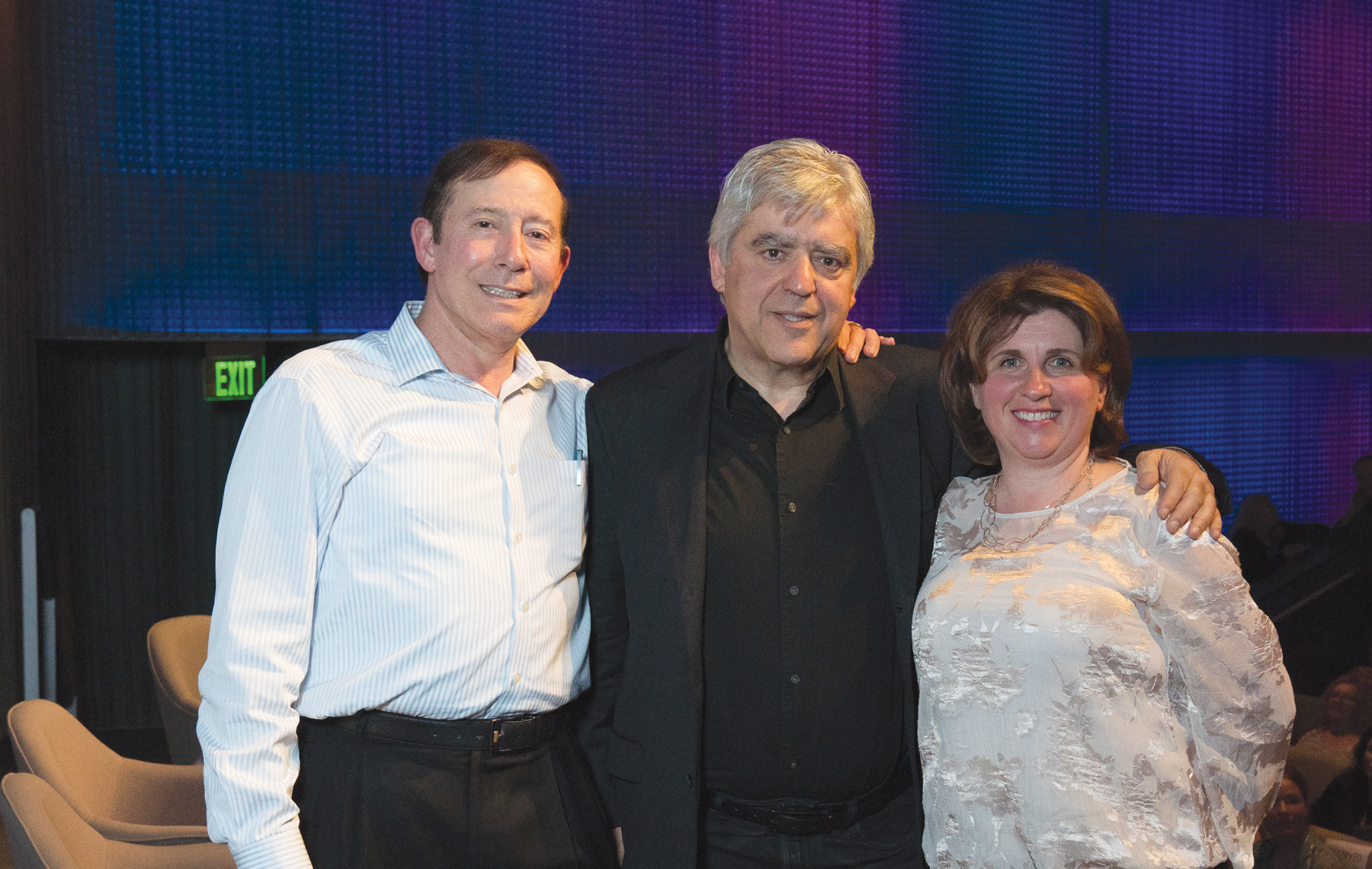
From left: Israeli-American Council National Chairman Adam Milstein, Jewish Journal Publisher and Editor-in-Chief David Suissa and Club Z Executive Director Masha Merkulova at Club Z Los Angeles launch event.

Israeli-American Council National Chairman Adam Milstein, Jewish Journal Publisher and Editor-in-Chief David Suissa and Club Z Executive Director Masha Merkulova participated in a discussion about Zionism during an evening celebrating the launch of the Los Angeles chapter of Club Z, a Zionist youth movement.

The Aug. 2 event, “Zionism: A Love Story,” was held at the Museum of Tolerance before an audience of about 150 people. The panelists discussed Zionism, their dedication to Israel and engaging tomorrow’s Jewish leaders.

“Club Z is thrilled to be open for business in Los Angeles,” Merkulova said. “We are meeting a critical need for high school students by bringing them together around
their Jewish identity, developing their leadership skills and creating a powerful network of proactive and effective advocates.”

Based in Northern California, Club Z has sought to engage Jewish teenagers whose parents emigrated from the Former Soviet Union, and it is now expanding its programming to other Jewish communities in the United States. 

Milstein, an Israeli-American philanthropist, said he is optimistic Club Z will help increase pride for Israel among young people. “Club Z is inspiring the model for the next generation in the Russian Jewish community that is engaged, philanthropic and Zionistic,” he said.

On display at the gathering was an exhibition examining the period leading up to the creation of the State of Israel in 1948, titled “The Birth of Israel: 18 Months That Changed Jewish Destiny.” Attendees also enjoyed a private tour of the museum’s Anne Frank exhibit.


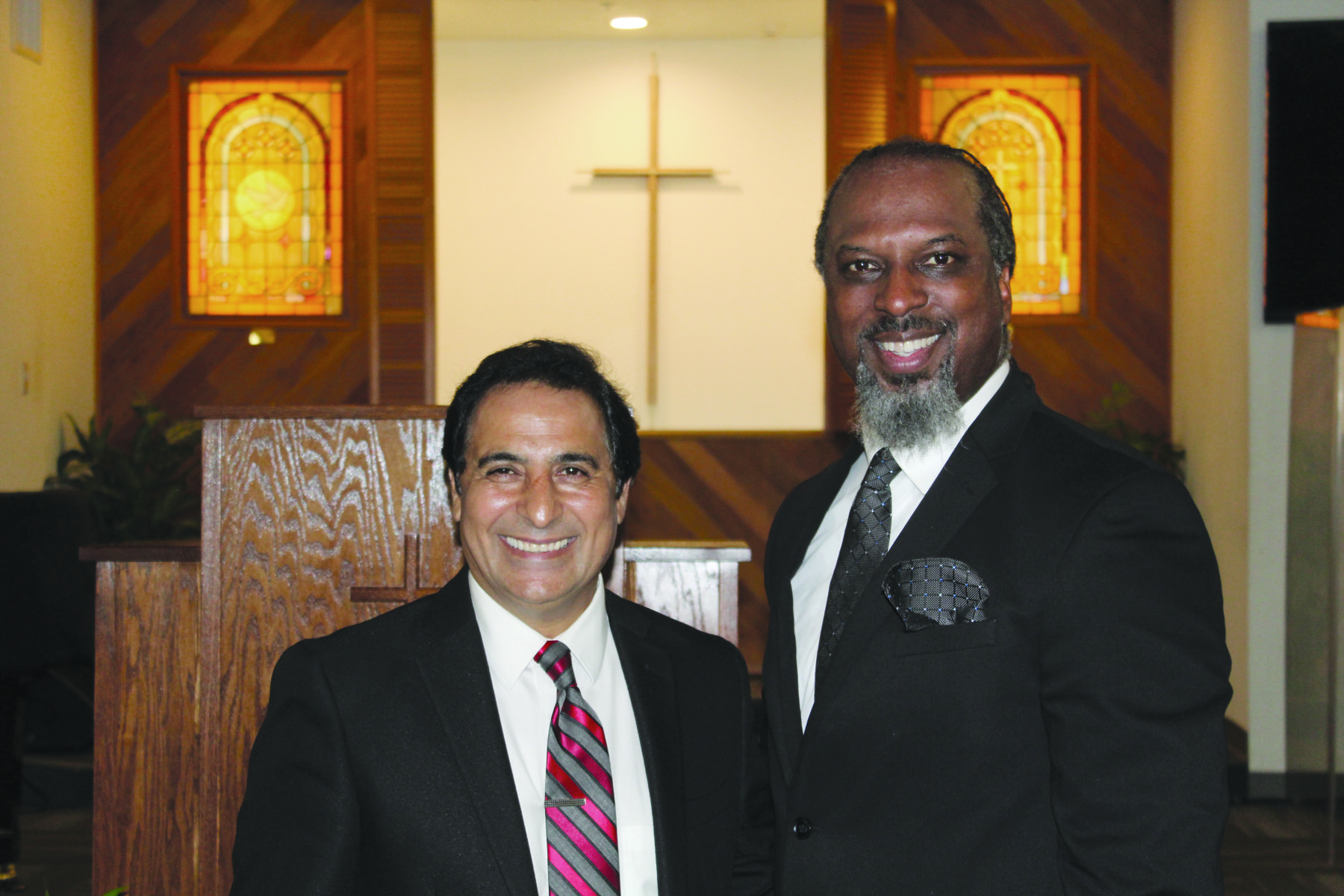
From left: Pastor Rasoul Heidari of the Persian Worshipers of Christ church and Pastor Dumisani Washington, national diversity coordinator for Christians United for Israel.

Nearly 40 Los Angeles-area Iranian Christians gathered at Persian Worshipers of Christ church in West Hills on July 29 for a pro-Israel speaking event organized by the Christians United For Israel (CUFI) nonprofit organization.

CUFI’s national diversity coordinator, Pastor Dumisani Washington, the keynote speaker, said the event was the first effort by his organization to reach Iranian Christians living in the United States with a message to support Israel. He said the event was successful because of the congregation’s existing love of Israel and excitement about CUFI’s efforts to strengthen the U.S.-Israel relationship.

“The Persian Worshipers of Christ church are wonderful people, committed to preaching the gospel to the people of Iran and fostering peace with Israel and all people,” Washington said.

The majority of the church’s members are Muslim converts to Christianity. Their pastor, Rasoul Haidari said their affection for Israel stems from a biblical mandate.

“We as Iranians have nothing but love for Israel and the Jewish people because we believe the Bible where God says to Abraham, ‘Those who bless you will be blessed and those who curse you will be cursed,’ ” Haidari said.

According to community estimates, about 14 small Iranian churches are located in Los Angeles and nearly 10,000 Iranian converts to Christianity live in Southern California. Haidari said his church regularly broadcasts Christian religious and anti-Iranian regime programming via social media platforms to millions of people in Iran who are secret converts to Christianity and support Israel. Washington said CUFI has plans for more pro-Israel events with various L.A.-area Iranian churches in the coming months and hopes to take those churches’ leaders on a 2019 Israel trip.

— Karmel Melamed, Contributing Writer 


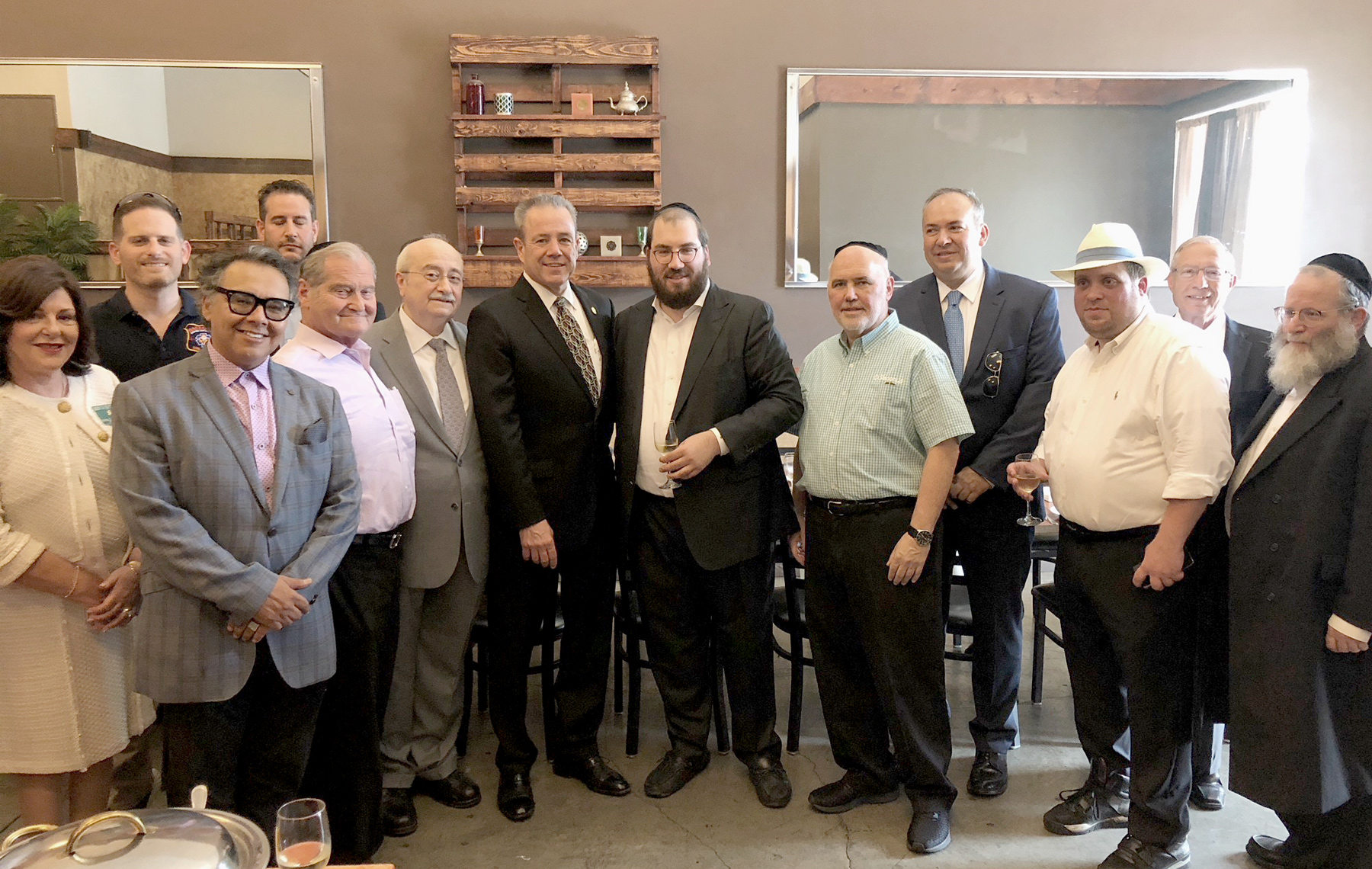
From left: Los Angeles Police Department Chief Michel Moore (seventh from left) and Joseph Herzog (eighth from left) attended a luncheon congratulating Moore for his recent appointment to LAPD police chief.

Los Angeles Jewish community members welcomed new Los Angeles Police Department Chief Michel Moore during a July 29 luncheon at the Shefa Melrose restaurant.

About 30 people attended the gathering hosted by Joseph (Motty) Herzog, general manager of Herzog Wine Cellars, and his wife, Ruchel.

Moore, a 36-year veteran of the LAPD, was sworn in as chief on June 28, succeeding Police Chief Charlie Beck, who retired.

The gathering included a discussion of local community issues. Andrew Friedman, an attorney and president of La Brea-area synagogue Bais Naftoli, told the Journal that he asked Moore if he would work to provide more security for the Orthodox community on Shabbat, when its members walk to synagogue. Friedman said the new chief indicated he would. “He understands the special needs of the Orthodox community,” Friedman said.

Other attendees included L.A. County Commissioner Howard Winkler; chaplain Shirley Friedman; Bikur Cholim President Hershy Ten; Rabbi Yonah Landau, president of Tomchei Shabbos, and Dr. Irving Lebovics.

L.A. Teens at Yom NCSY, Club Z Launch Event Read More »

AMCHA Report: Anti-Israel Harassment ‘More Likely’ to Create Hate Toward Jews on Campus Than ‘Classic Anti-Semitism’

A new report from the AMCHA Initiative has determined that anti-Israel harassment on college campuses in 2017 were more likely to create an antagonistic environment against Jewish students on campus than “classic” anti-Semitic incidents.

AMCHA concluded that while “classic anti-Semitic incidents” such as two swastikas drawn on a library desk at Macalester College vastly outnumbered the anti-Israel incidents (205 to 71), only 23% showed “intent to harm” while 94% of anti-Israel incidents showed such intent.

Of that 94% of anti-Israel acts, 76% involved the “personal targeting” of pro-Israel students, with some examples being Students for Justice in Palestine (SJP) targeting the Claremont Progressive Jewish Alliance president at Pomona College as “a proud racist” on social media based on her support of Israel and a handbook created by anti-Israel activists on Tufts University campus claiming that by supporting Israel, Hillel is endorsing “a white supremacist state.”

Forty-four percent of the anti-Israel acts with intent to harm involved attempts to censor pro-Israel speech, such as when anti-Israel students attempted to prevent people from entering a speech by Israeli United Nations Ambassador Danny Danon at Columbia University; the anti-Israel students also heckled Danon several times throughout the speech.

“When Israel’s ambassador to the UN, Mr. Danny Danon, came to speak at an SSI event, BDS [Boycott, Divestment and Sanctions] activists blocked the entrance to the auditorium, physically preventing people from entering and intimidating those who managed to get in,” a Columbia student told AMCHA. “During the ambassador’s 25-minutes speech, the BDS activists disrupted him seven times with calls to Boycott Israel…the BDS activists’ message was clear: The only freedom of speech worthy of protection is their own. Those who disagree, or dispute their view of the world, would be violently disrupted.”

AMCHA also determined that anti-Israel incidents with intent to harm were “6.5 times more likely to have multiple perpetrators than classic anti-Semitic incidents with harmful intent, and 7 times more likely to have perpetrators with affiliations to on-campus or outside groups.”

“Taken together these data suggest that in 2017, Israel-related anti-Semitic incidents were considerably more likely to 16 contribute to a hostile environment for Jewish students than incidents involving classic anti-Semitism,” the report concludes.

The AMCHA report included some student testimonials as well.

“For every swastika, there’s a million little conversations that go on that are much more harmful than that,” a William and Mary College student said. “Everyone can get behind, ‘Alright, there’s a swastika. That’s ridiculous, that’s not OK. But for the little conversations that are more political in nature people just assume that it’s OK to say, ‘Well, you’re a Zionist, so I don’t like you,’ and that’s part of our culture.”

A UC Davis student told AMCHA, “I’ve had foul and intolerable words yelled at me while I’m studying because I had a sticker of Israel on my laptop. When Arab-Israeli Diplomat George Deek came to speak on campus, anti-Semitic students shouted, ‘Death to Jews’ at my friends and me. I’ve known Jewish students who are afraid to speak up in class against anti-Semitic professors because they’re afraid of what might happen to their academic reputations.”

Additionally, a University of Illinois Champagne-Urbana student told AMCHA that anti-Israel students have compared Zionists “to the KKK, to violent fascists and accused of perpetuating white supremacy all because we believe that the Jewish people have a right to self-determination.”

The report argues that such anti-Israel sentiments are often allowed to grow on college campuses due to many administrators looking the other way.

“University administrators rarely recognize anti-Zionist harassment as a form of unlawful discrimination, because they see it as motivated by political considerations rather than ethnic or religious ones,” the report states. “In addition, when acts of classic antisemitism occur on campus, many in the campus community are sympathetic with Jewish students and stand in solidarity with them, but this is not the case when acts of anti-Zionist harassment occur. Few in the campus community are sympathetic to the plight of pro-Israel students, and many are even complicit in creating a hostile environment for them.”

Read the full report here.

AMCHA Report: Anti-Israel Harassment ‘More Likely’ to Create Hate Toward Jews on Campus Than ‘Classic Anti-Semitism’ Read More »

Osher Bar & Grill: L.A.’s First Glatt Kosher Sports Bar

With its family-style smooth wood tables, sleek bar, industrial beams, exposed-brick walls and 13 large television screens, Osher Bar & Grill looks like it could be a regular sports bar in Anytown USA. It even serves up pub grub including beer-battered onion rings, chips and guacamole, and Buffalo wings.

However, what sets Osher apart from similar establishments is that it’s Los Angeles’ first fully glatt kosher bar and grill, situated smack dab in the Pico-Robertson neighborhood, on a corner of Pico Boulevard and South Bedford Street.

Osher opened in May in the space formerly occupied by O’Woks. Owners Yoni Rappaport and Kfir Kamelgard — best friends and former college roommates from Rutgers University in New Jersey — are just 29 years old. 

There are actually four partners in the business (all of whom are modern Orthodox), including Kamelgard’s father, Joe, who is Osher’s main investor and shareholder, and chef Alexander Remer, who has spent 30 years working in both kosher and nonkosher restaurants on the East Coast. 

“We had always planned on doing something in the industry,” Rappaport said. “At Rutgers, we wanted to open up a diner on the campus and then do a bar afterward.”

But after the duo graduated, Kamelgard moved into finance while Rappaport went into the restaurant industry. It took seven years before they fulfilled their dream of having a restaurant together. 

Rappaport was the opening general manager and beverage coordinator for the first kosher sports bar in Teaneck, N.J., called the Teaneck Doghouse, and he and Kamelgard wanted to open something similar in Los Angeles that was a little more up-market.

“Not call it the Doghouse,” Rappaport quipped. 

That feel they were looking for is reflected in Osher’s menu, which includes beer-battered chicken poppers with a maple bourbon aioli, and fresh pappardelle pasta with beef cheeks, red wine sauce and watercress.

Chef Remer said he likes to call his food “New American” cuisine. “Postmodern cooking is how I think of it,” he said. “I try to focus on food items that have sentimental and nostalgic reactions — comfort food. But on the flip side, we’re reimagining those foods.”

Remer cited Osher’s burger as one example. “We grind our meat in house. We use the best meat and local produce. We’re not coming off as pretentious or highbrow, but we serve that burger with a cherry jam, a jalapeño aioli and flash-fry fennel, as opposed to onions.”

Osher is a Hebrew homonym. On the one hand it means happiness, but on the other it means success and wealth.” — Yoni Rappaport

And it’s not just the restaurant and its “postmodern” food that are new in the neighborhood. Osher’s hechsher (kosher certification) is the first in the area to be supervised by North American Kosher. 

While the independent kashrut label was established two years ago, it’s under the auspices of Rabbi Aharon Simkin, who has spent almost 30 years in the business. Over the course of his career, he has worked with the Orthodox Union (OU), Kehilla Kosher (which merged with OK Kosher Certification in 2015) and KOF-K Kosher Certification.

Simkin’s first introduction to Osher was when he met Joe Kamelgard at services at Beth Jacob Congregation in Beverly Hills, where they both pray. Simkin was friends with the late Rabbi Zushe Blech, the former Midwest regional director of the OU who went on to start his own kashrut supervision business and provided the certification for the Doghouse. 

“Joe had some questions about kashrut supervision for the restaurant, and he asked me to come and meet with him, Kfir and Yoni,” Simkin told the Journal over dinner at Osher. “And we had this common connection with Rabbi Blech.”

“We were looking for someone who had a good knowledge of modern kashrut and the industrial side of the industry,” Rappaport said. Had Osher received certification from OK Kosher, he added, the restaurant would not have been allowed to cater a wedding with mixed dancing, and he and his partners would not have been permitted to also open a nonkosher restaurant, among other things.

“We just wanted someone who was focused on the kashrut — the food, the drink and basics for operating a kosher restaurant,” Rappaport said. 

Simkin said he had no problem delivering on those things. “I am a strict hechsher,” he said. “We have a Jewish chef in the kitchen, which means we can also do Beit Yosef cooking, which is what the Sephardim require.” (Beit Yosef rules on what constitutes kosher meat are stricter than Ashkenazi requirements.)

“The other reason having Rabbi Simkin is so great,” Rappaport said, “is because he has the industrial background, in the same way Rabbi Blech did. He’s more willing to look into things and he has more contacts.”

Osher has taken advantage of Simkin’s knowledge to expand the restaurant’s craft and tap beers, because there’s a limited certified list.

“Some people assume certain beers are kosher, but that’s not the case,” Rappaport said. “Especially in a meat restaurant, because a lot of breweries use dairy products for flavoring and texture.”

Despite the relatively new name of North American Kosher, Rappaport said Osher’s owners have received little pushback from the community. “We are stricter than most places, actually, even when it comes to what we require of our mashgiach (supervisor in the kitchen),” he said. “If we open on a Saturday night, we make sure that we don’t ask him to be here less than 30 minutes after Shabbat goes out.”

Simkin said his North American Kosher supervises about 100 companies worldwide, including the Unique Pastry dairy café in Tarzana, and he hopes to expand on the West Coast.

“I think it’s really important to have an independent kosher certification agency here,” Simkin said. “And I’m competitive. I don’t have to pay rent for several floors of office space in Manhattan, so I don’t have to charge as much.”

Most importantly, he said, he can enforce Jewish law while still creating “a system of supervision that is tailor-made for a particular company, which is what we’ve done [with Osher].”

Rappaport concurred, saying he enjoys working with a smaller company. “You get much more personal attention, which really works for us and it ensures our practices are transparent,” he said.

The whole thing makes him happy — which brings us to the name of the restaurant. Osher, in Hebrew, means happiness. 

“We didn’t want something generic,” Rappaport said. “Kfir was born in Israel and his mother had these four blocks when he was a kid with these letters that spelled out Osher. It’s a Hebrew homonym — on the one hand it means happiness, but on the other it means success and wealth. And we see that as the transactional nature of a restaurant.

“We provide happiness and, hopefully, in return we get a modicum of success and wealth.”

Osher Bar & Grill: L.A.’s First Glatt Kosher Sports Bar Read More »

The Day(s) the Rabbis Got Arrested

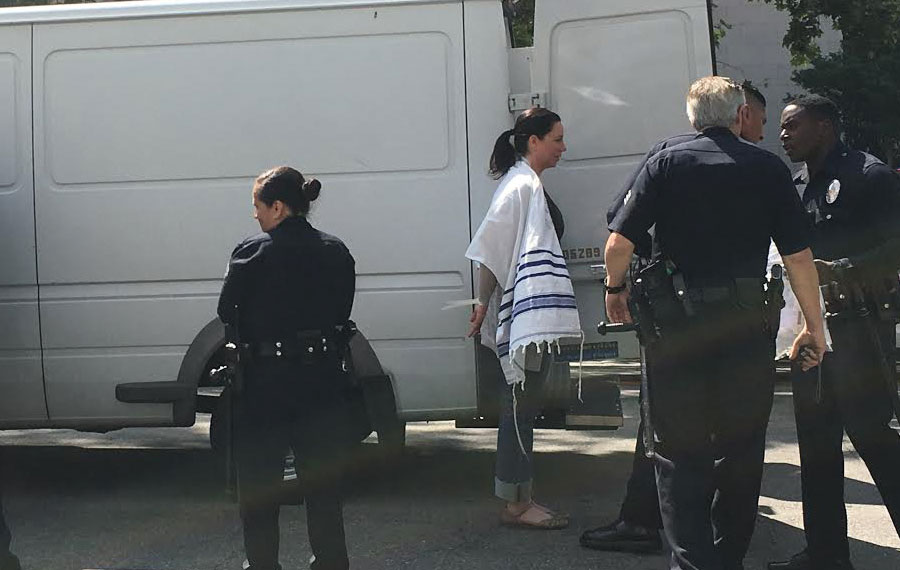
In June, a group of Jewish, Christian and Muslim clergy stood in lines and joined hands in an act of civil disobedience outside the Los Angeles downtown courthouse. Several were arrested. The purpose: to show moral outrage for immigration policies that detained children who entered the U.S. illegally. But does a rabbi getting arrested make an impact on the issue?

Civil disobedience has been a tool of nonviolent protest for centuries, practiced by figures such as Mohandas Gandhi, Rosa Parks and Martin Luther King Jr. In the 1970s and ’80s, according to the Center for Jewish History, activists from the American Soviet Jewry movement frequently picketed Soviet consulates to raise public awareness, “often deliberately getting themselves arrested by the police to amplify their message.” And since the November 2016 U.S. election, protests on issues such as immigration, health care reform, gun reform and more have proliferated. 

Rabbi Jonathan Klein, executive director of Clergy and Laity United for Economic Justice (CLUE), which organized the June protest, said that civil disobedience is about “building movements and creating a more significant voice for conscience, and on some level demystifying political processes. People are afraid of activism, but we need our activists right now.”

“It’s an important statement to be willing to say, ‘I’m putting myself on the line for something,’” said Rabbi Sarah Bassin, associate rabbi of Temple Emanuel of Beverly Hills, who was also arrested at the action.  

Klein said, “The policy of separating children, ripping them from families and making them foster children, needs people of conscience to say, ‘This is detestable.’ Having those who are impacted by deplorable policies know that they have allies out there in the faith communities re-energizes and reinvigorates their own commitment to their struggle,” he said.

“It’s an important statement to be willing to say, ‘I’m putting myself on the line for something.” – Rabbi Sarah Bassin 

“It sparks a discussion in the community, and that gets them focused on the issue and really considering the moral questions behind it,” Bassin said.

Protest fatigue is a consideration, however. “From the beginning of this administration, we knew we’d be in this fight for a long time,” Klein said. “Civil disobedience is one instrument in a toolkit that is meant to have longevity. It’s a marathon, not a sprint.”

Some of the protesting rabbis are accountable to congregations, as well. Bassin notified her board president and the temple’s public relations and communications staff of her intent to protest, and of the possibility that she might be arrested. 

“I know I’m going to touch a nerve for people and that’s intentional,” said Bassin, who meets with congregants who are troubled by her protests to discuss their concerns. “Sometimes we disagree, but we’re able to have a civil discussion and maintain a relationship on the other side of it.”

“A lot of people are looking at clergy to know if they are really ‘in this’ with the community or not,” Klein said. “Sometimes religious leaders have to lose their comforts in order to lift everyone up out of the trenches and the mire. We model that by taking action.” 

However, he added that they always make sure the demonstration is as safe as possible for everyone. Sometimes law enforcement is consulted in advance. 

“The actions are done with a lot of kavod (honor) toward law enforcement,” Bassin said. “We understand the position we’re putting them in. The best we can do is be as respectful and kind as possible and remember their humanity.” 

“I heard that inside the LAPD jail some officers were saying positive things, such as, ‘glad you’re doing this,’ and ‘it’s so un-Christian [to deport children],’” Klein said.

As Bassin was taken to the police van on that June day, she said, one officer whispered, “Thank you for what you’re doing. This is very important. I’m with you.” 

In the end, she said, “This breaks down the dichotomy of ‘us’ and ‘them.’ This is a moral issue that we’re trying to raise awareness of in the larger community, to get people to be a little bit more brave, to speak up and take action themselves.”

The Day(s) the Rabbis Got Arrested Read More »

Artist of the Week: August 10, 2018

William Meyers
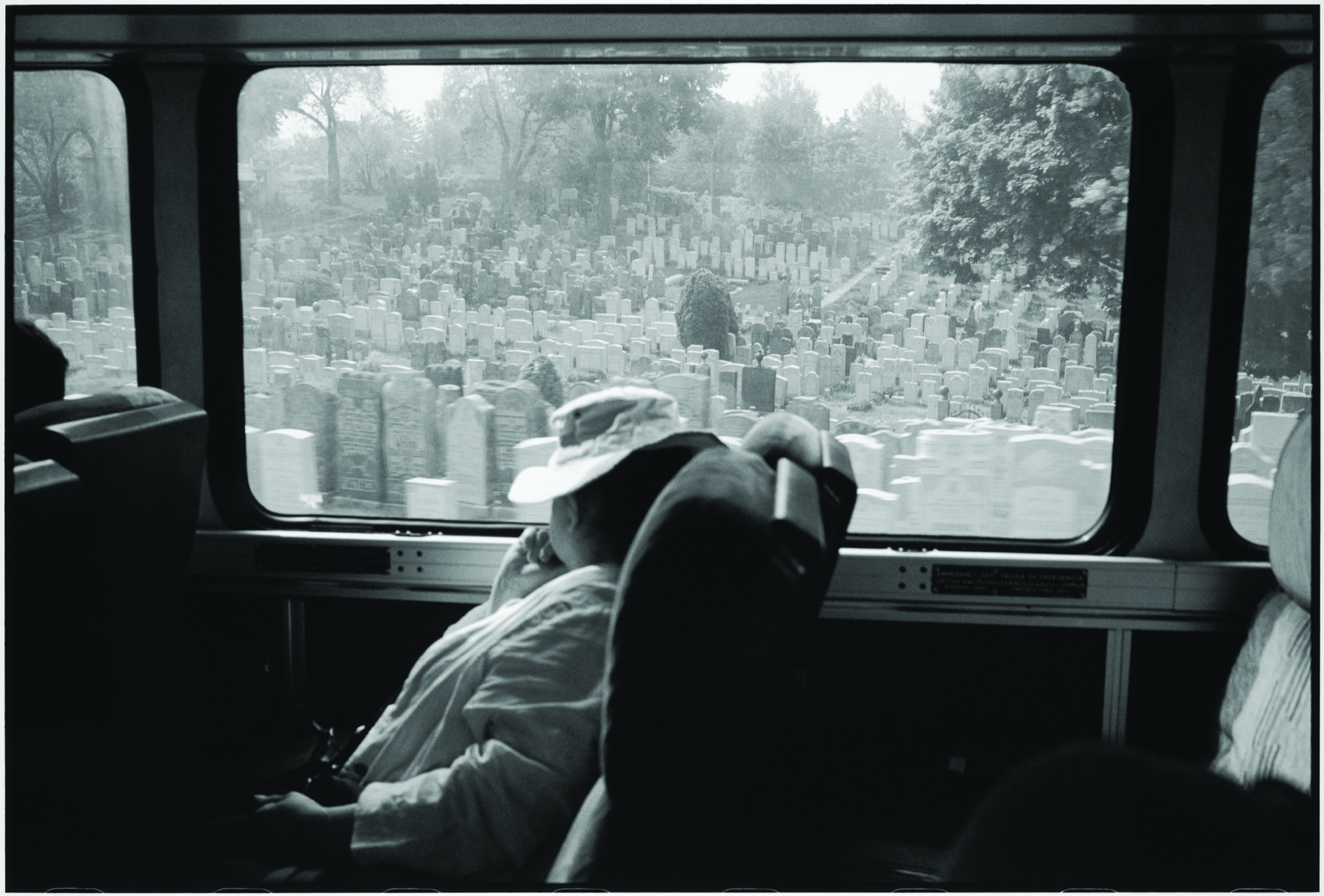
“Glendale, Queens, May 4, 2001”

This photo is part of the series “Outer Boroughs: New York Beyond Manhattan.” Through compelling streetscapes, Meyers pays tribute to the outer boroughs, filling a void in the photographic tradition of the changing city. The New York Public Library acquired the series for its permanent collection in 2008, and it was published as a book by Damiani in 2015. 

Artist of the Week: August 10, 2018 Read More »

Critics of Nation-State Law Misunderstand Israel’s Constitutional System

Israel’s new nation-state law has elicited a storm of criticism since it passed on July 19. Some of this criticism is justified; a law that manages to unite virtually the entire Druze community against it, despite this community’s longstanding support for Israel as a Jewish state in principle, clearly wasn’t drafted with sufficient care, as even the heads of two parties that backed the law (Jewish Home’s Naftali Bennett and Kulanu’s Moshe Kahlon) now admit. Nevertheless, much of the criticism stems from a fundamental misunderstanding of Israel’s constitutional system.

Israel doesn’t have a constitution. What it has is a series of Basic Laws to which the Supreme Court unilaterally accorded constitutional status. Many people, myself included, disagree with that decision, inter alia, because constitutional legislation should reflect a broad consensus, whereas many Basic Laws were approved by only narrow majorities or even minorities of the Knesset. Nevertheless, both sides in this dispute agree on one thing: Each Basic Law is merely one article in Israel’s constitution or constitution-to-be. They cannot be read in isolation, but only as part of a greater whole.

Consequently, it’s ridiculous to claim that the nation-state law undermines democracy, equality or minority rights merely because those terms don’t appear in it, given that several other Basic Laws already address these issues. The new law doesn’t supersede the earlier ones; it’s meant to be read in concert with them.

Several Basic Laws, including those on the Knesset, the government and the judiciary, detail the mechanisms of Israeli democracy and enshrine fundamental democratic principles like free elections and judicial independence. There are also two Basic Laws on human rights, both of which explicitly define Israel as a “Jewish and democratic state.”

Of these human rights laws, the more important is the 1992 Basic Law: Human Dignity and Liberty. It includes general protections like, “There shall be no violation of the life, body or dignity of any person as such” and “All persons are entitled to protection of their life, body and dignity,” as well as specific protections for liberty, property and privacy. Though the law doesn’t mention “equality” or “minority rights,” the courts have consistently interpreted it as barring discrimination on the eminently reasonable grounds that discrimination fundamentally violates a person’s dignity (the one exception, which all legal systems make, is if discrimination has pertinent cause, like barring pedophiles from teaching).

It’s ridiculous to claim that the nation-state law undermines democracy, equality or minority rights merely because those terms don’t appear in it, given that several other Basic Laws already address these issues.

Granted, there are things this law can’t do, such as breaking the rabbinate’s monopoly on marriage and divorce, because it explicitly grandfathers all pre-existing legislation. But it applies to all legislation passed after 1992.

Thus to argue that the nation-state law is undemocratic because it doesn’t mention equality or minority rights is like arguing that the U.S. Constitution is undemocratic because Articles I and II confer broad powers on the legislature and executive without mentioning the protections enshrined in the Bill of Rights. Everyone understands that the Constitution’s provisions on governmental power aren’t supposed to be read in isolation, but in concert with the first 10 amendments, so there’s no need to reiterate those rights in every other article. Similarly, the nation-state law isn’t meant to be read in isolation, but only in concert with other Basic Laws enshrining Israel’s democratic system and basic human rights. Thus there’s no reason for it to reiterate protections already found in those other laws.

Nor are any of the law’s specific provisions undemocratic. For instance, the provision stating, “The right to exercise national self-determination in the State of Israel is unique to the Jewish people” doesn’t deprive Arabs of individual rights within Israel, nor does it bar the possibility of Palestinian self-determination in the West Bank and Gaza, which aren’t part of the State of Israel. The only thing it prohibits is an Arab state within Israel’s borders, which is problematic only if you favor replacing Israel with another Arab state.

As for the provision making Hebrew the state’s only official language, many other democracies also have a single official language despite having large minorities with different mother tongues. For instance, 17 percent of the United States’ population is Hispanic, only slightly less than the 21 percent of Israel’s population that’s Arab, yet Spanish isn’t an official language in the U.S., and few people would argue that this makes it undemocratic.

Indeed, Israel’s new law goes much further than many other democracies in guaranteeing minority language rights, thanks to one provision according Arabic “special status” and another stating that nothing in the law “undermines the status enjoyed by the Arabic language in practice before this Basic Law came into effect.” The latter provision actually preserves Arabic’s status as an official language de facto. It may have been stupid not to preserve it de jure, as well, but “stupid” isn’t the same as “undemocratic.”

All of the above explains why even the heads of the Israel Democracy Institute — a left-leaning organization usually harshly critical of the current government — said at a recent media briefing  that the law “doesn’t change anything practically,” “won’t change how the country is run” and is merely “symbolic and educational.”

The law was meant to solve a specific constitutional problem: The courts have frequently interpreted the Jewish half of “Jewish and democratic” at a “level of abstraction so high that it becomes identical to the state’s democratic nature,” as former Supreme Court President Aharon Barak famously said. Yet no definition of “Jewish” can be complete without recognizing that Judaism has particularist, as well as universal, aspects because it’s the religion of a particular people with a particular history, culture and traditions. By emphasizing some of those particularist aspects, the law is supposed to restore the intended balance between the Jewish and democratic components of Israel’s identity. But it doesn’t eliminate those democratic components, which are enshrined in numerous other Basic Laws, nor was it intended to do so.

I’m skeptical that the law will achieve its intended purpose, but I see no good reason why it shouldn’t exist in principle. Israel isn’t just a generic Western democracy; it’s also the world’s only Jewish state. And its constitution-in-the-making should reflect both halves of its complex identity.


Evelyn Gordon is a journalist and commentator living in Israel.

Critics of Nation-State Law Misunderstand Israel’s Constitutional System Read More »