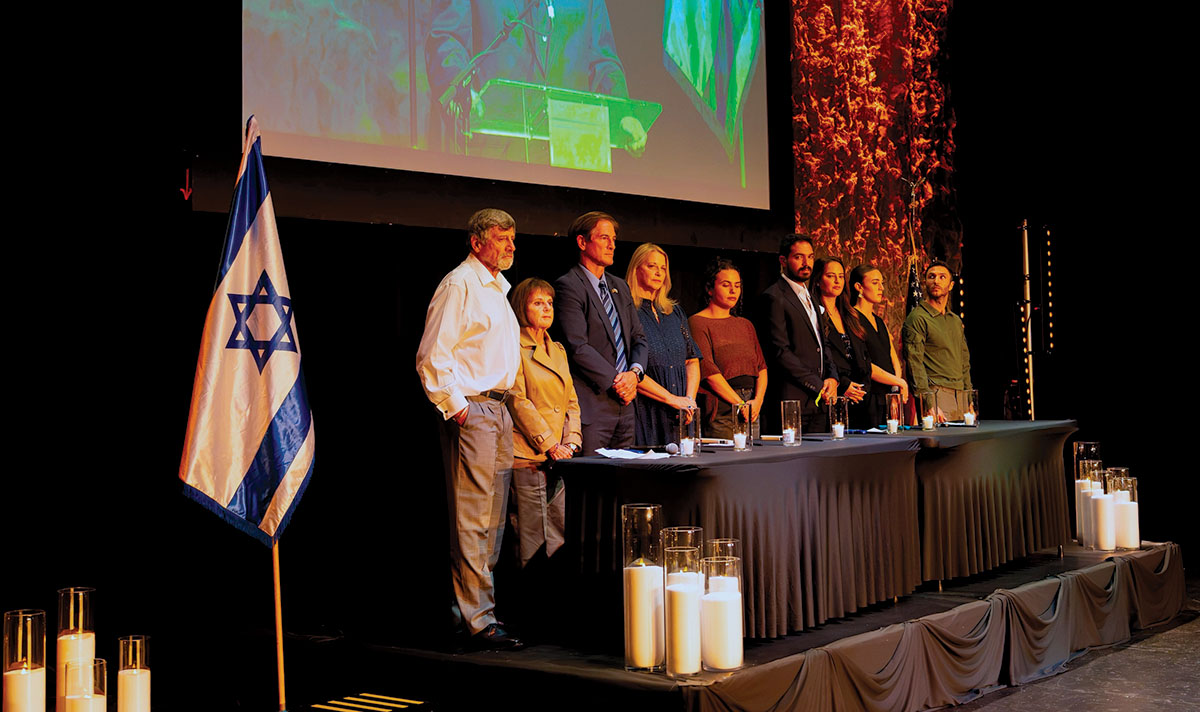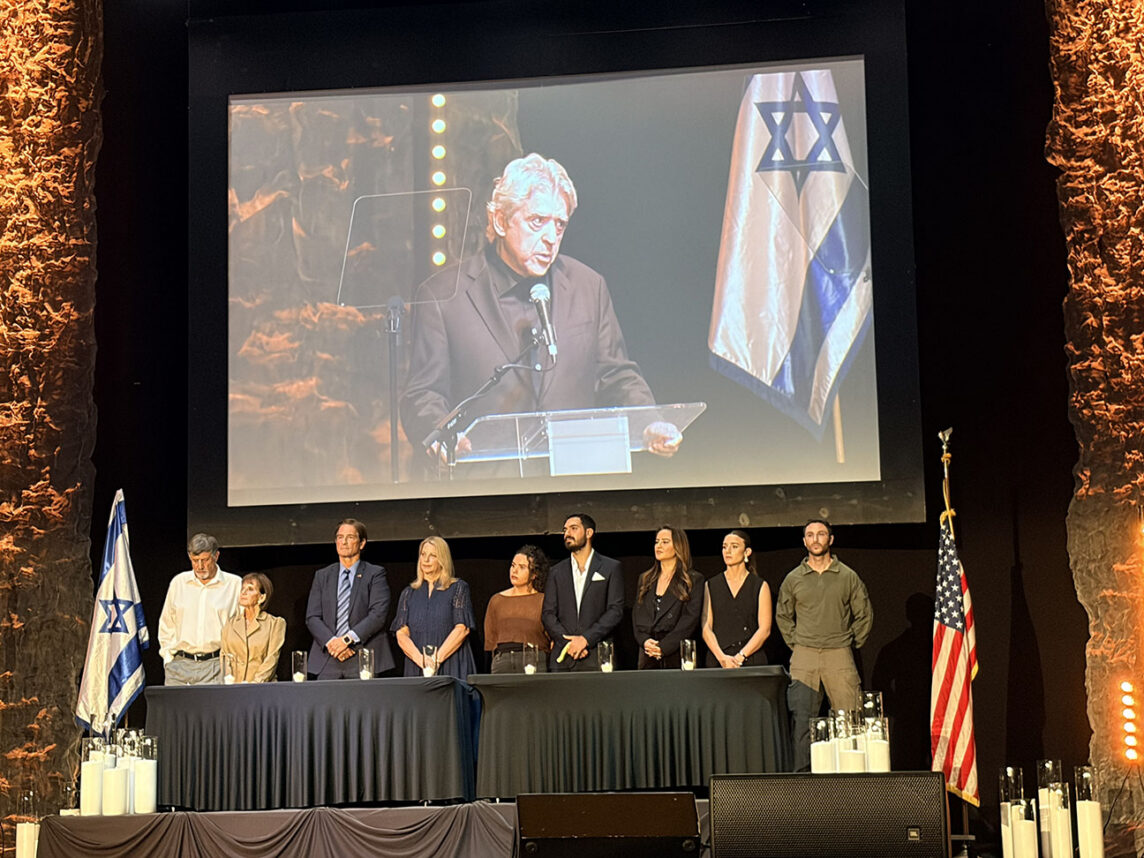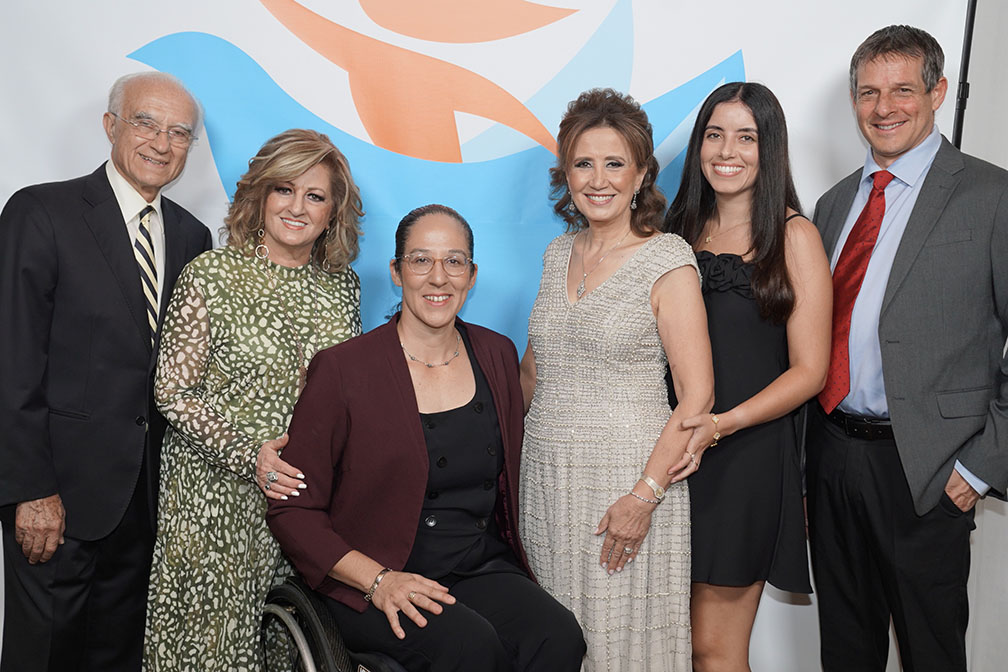
Princess Lalla Hasna was the honoree at the Gala called Salute to Morocco: Honoring a Dynasty of Tolerance. The sister of Mohammad VI, King of Morocco, represented the Moroccan Royal Family at the Hilton Hotel in November 2019, where over 500 people attended the Em Habanim Sephardic Congregation event.
It was there that Rachel went up to David Suissa, editor of the Jewish Journal and announced that she’d love to see more Sephardic recipes in the paper. His answer was “Be my guest!”
She asked me to be her partner in crime and in February 2020 our first article “Sabbath Stew Two Ways: Moroccan Dafina and Iraqi T’bit” appeared in the Journal.
The Sephardic Spice Girls were launched.
Every week, we publish a recipe, a photo, some cooking tips and a little bit of culinary and personal history. We share these articles on our social media accounts and we have been awed and inspired by the response. We receive so many messages from people who are excited to find the recipes that their mothers and grandmothers made. It brings us such joy to know that we have encouraged people to try these recipes.
My grandparents left Iraq when my mother was seven years old. Rachel was seven years old when her family emigrated from Morocco to Los Angeles. Our connection to the lands of our heritage grows more tenuous with the years.
What began as an ode to our mothers and grandmothers has become an important effort to preserve our family recipes and the culinary traditions of the Sephardic and Mizrahi lands for the next generation. Our daughters tell us how grateful they are that our recipes are a search bar away.
When people ask if we’re worried about running out of recipes, our answer is an adamant no. Our list of recipes to tackle just grows longer and longer. However this week, we have revisited Dafina, albeit with a simplified twist.
Dafina, a Judeo-Arabic word meaning “covered” or “smothered,” is the Shabbat stew of the North African Sephardic Jews.
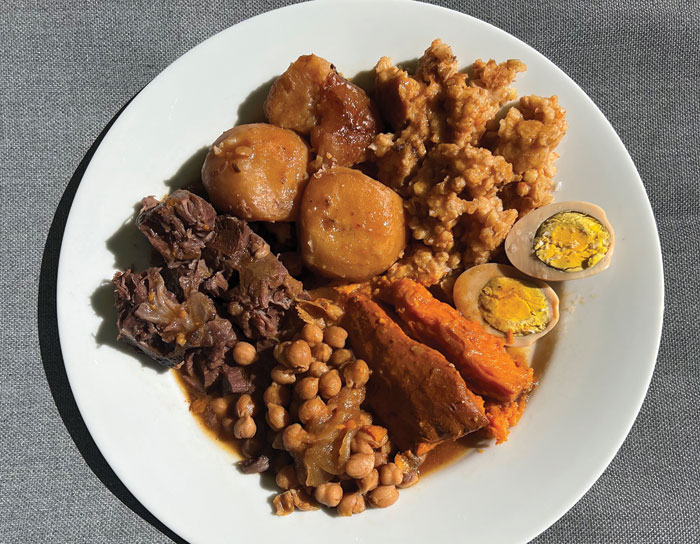
Dafina, a Judeo-Arabic word meaning “covered” or “smothered,” is the Shabbat stew of the North African Sephardic Jews. Also known as hamin, adafina, skhina or La Daf, this recipe is an ingenious way to solve the challenge of serving hot, delicious food without breaking the prohibition of cooking on the Sabbath. The dish is a scrumptious layering of meat, rice, wheat berries, garbanzos, onions, garlic, potatoes and sweet potatoes flavored with dates, prunes, cinnamon and nutmeg. Traditionally cooked in a huge pot in the Ferhan, the community oven, modern cooks usually make theirs in a crockpot or a low oven. Either way, the slow cooking results in a deliciously smoky caramelized flavor. Of course, we can’t forget the whole roasted brown eggs “huevos haminados.”
The original recipe calls for fatty cheek meat and marrow bones, rice and wheat berries, meatloaf and “orisa.” Rachel has found that eliminating the marrow bones cuts the fattiness but not the flavor. Making just rice or just wheat berries eliminates a step (and wasted food). And she decided to drop the meatloaf and keep the “orisa.”
Next time you’re hosting a Shabbat lunch, make a big pot of Dafina. We promise it will be delicious.
And here’s to many more delicious recipes!
Rachel’s Dafina
1 16 ounce bag garbanzo beans,
soaked overnight
1 whole head of garlic, unpeeled with
top cut off
2 pounds boneless cheek meat (any
fatty meat will work)
3-4 marrow bones (optional)
12 small red potatoes, washed
2 large sweet potatoes, peeled & halved
1 large onion, peeled and halved
2 pitted dates
1 tablespoon honey
Salt and pepper
Olive oil
Water
1 dozen eggs, rinsed
Assemble:
- In a large pot or crock pot, place the garbanzos, garlic, meat, potatoes, sweet potato, onion, dates and honey.
- Season well with salt, pepper and a drizzle of olive oil.
- Add water to cover the ingredients halfway up the pot.
- Over medium heat, cook for 1-2 hours.
Orisa
Served along side Dafina
1/2 cup of olive oil
2 large onions,chopped
2 large sweet potatoes, cut in large pieces
1 large head garlic, whole and unpeeled
1 tablespoon paprika
1 teaspoon pepper
1 teaspoon cumin
2 chicken bouillon cubes
Cayenne pepper or harissa, to taste (optional)
4 cups of water
2 cups wheat berries or regular wheat, soaked overnight
- In a small pot or crockpot, heat olive oil over medium heat. Add onions and sauté until golden.
- Add sweet potato, garlic, spices and cayenne or harissa and stir well.
- Add 4 cups of water and wheat berries and bring to a boil.
- Lower heat, cover and cook for one hour.
- Cook overnight in a crockpot set to low or on a hot plate or in a low oven, next to the dafina.
Rice
1-2 cups white rice, soaked and rinsed
2 tablespoons avocado or vegetable oil
Salt and pepper
1/4 teaspoon cinnamon
1/4 teaspoon turmeric
1/2 cup currants or raisins
Toss all the ingredients and place in a cloth bag.
Final steps:
- After cooking the stew, add the cloth bag with rice and eggs to the pot. Simmer one more hour.
- Just before Shabbat, add more water if needed and bring to a boil. Cook in crockpot set to low or on a hot plate or an oven set to 250°F. Cook dafina until lunch time next day.
To serve:
- Remove rice from cloth bag into a bowl.
- Remove eggs, peel and cut in half, sprinkle with salt on a plate.
- Carefully remove sweet potatoes, and potatoes, place on a large platter, drizzled with the juices on top.
- In a large bowl, ladle the meat and beans with lots of the broth.
Sharon Gomperts and Rachel Emquies Sheff have been friends since high school. They love cooking and sharing recipes. They have collaborated on Sephardic Educational Center projects and community cooking classes. Follow them on Instagram @sephardicspicegirls and on Facebook at Sephardic Spice SEC Food. Website: sephardicspicegirls.com/full-recipes