










As independent voters, we will no longer be forced to pretend that the zealots in our party must be tolerated in the name of “party unity.”

No matter how stressful or anxious life gets, gratitude is the saving grace, the one virtue that can give us the strength to keep going.
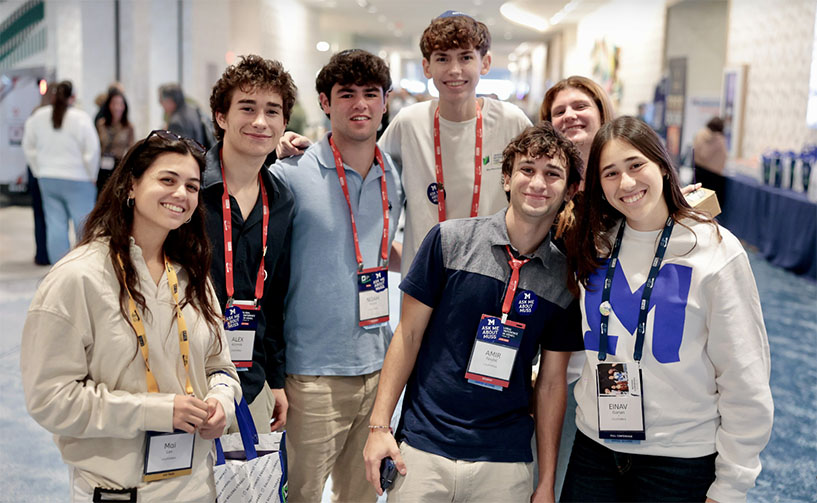
It marked 125 years since the inception of the organization and its commitment to building up the land of Israel.
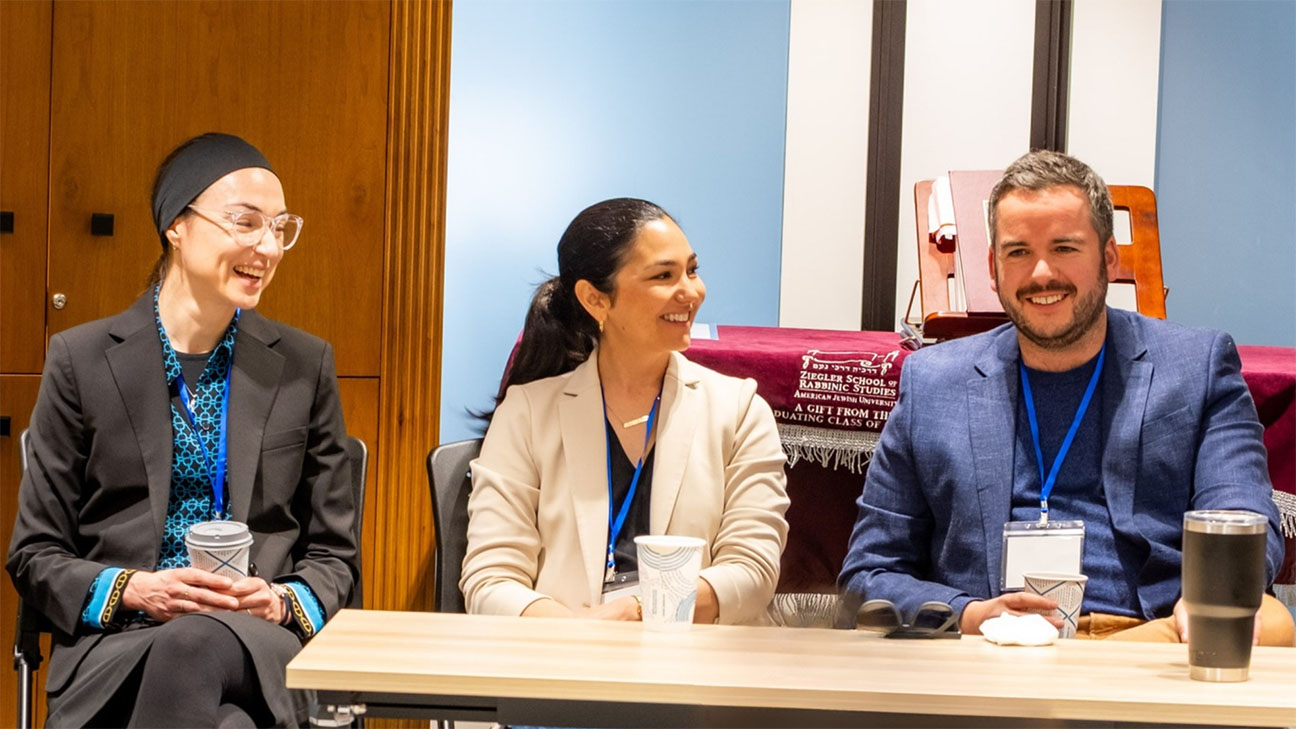
The curriculum will also address contemporary challenges facing Jewish communities, including antisemitism and the responsible use of artificial intelligence and digital media.
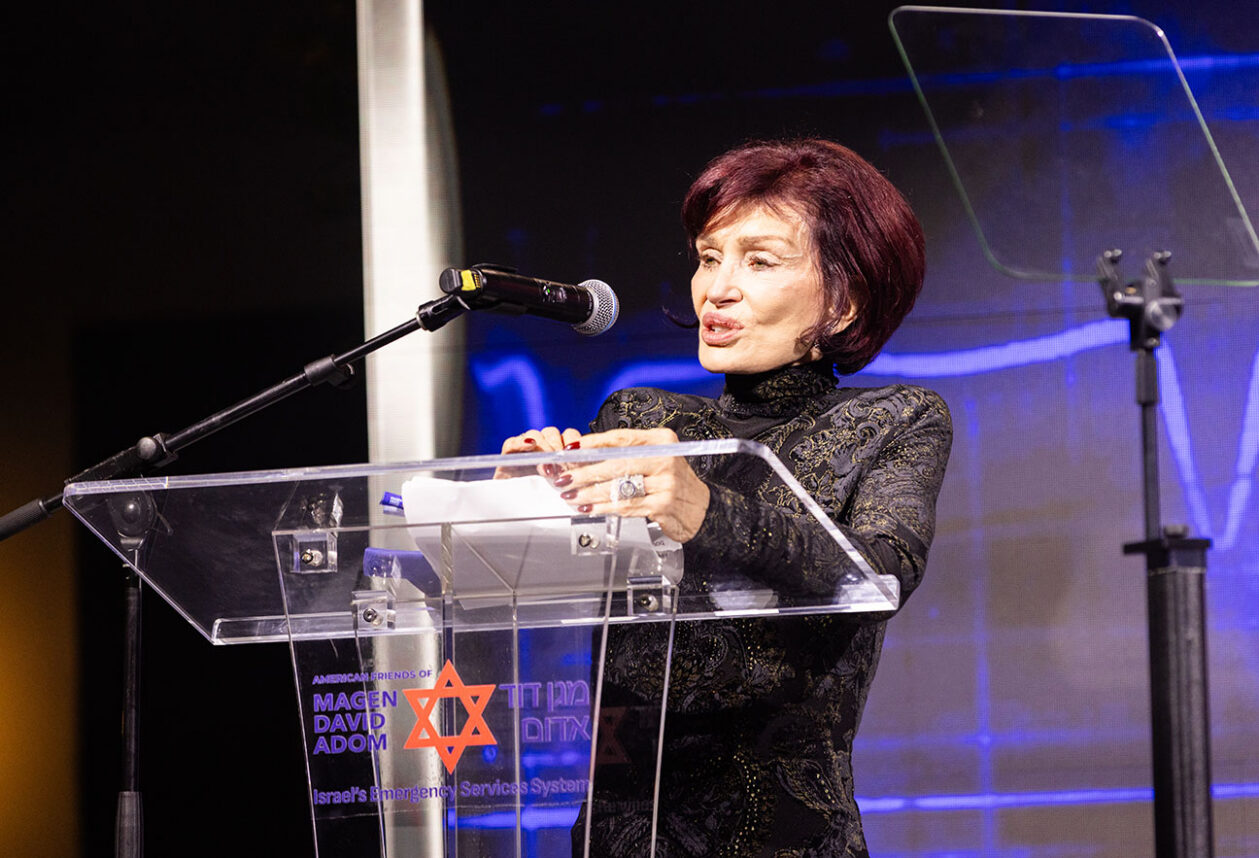
Osbourne spoke candidly about antisemitism, her own Jewish roots and what she sees as an increasingly hostile world for Jews

What if Jewish communities throughout the West prepared themselves to engage in self-help, fearlessly fighting back, even in the face of numerical disadvantages?

Isaac is not merely a blind man with insight; he is a blind man who has seen beyond this world.

Second of two parts

Notable people and events in the Jewish LA community.

See who’s in the cast.

Let us not compare child to child. God will remind us; there are ample parental blessings for each child to receive.



A story of bipartisan support that gradually became a story of one-party support, until it flips entirely and becomes once again a story of consensus – this time, of bipartisan opposition.

When we’re tempted to ask, Lamah zeh anochi? — Why am I here? What’s the point? — we can remind ourselves of the extraordinary goodness that exists in the world. And, even more importantly, we can become part of it.

Throughout the years, David has donated millions of dollars to numerous causes, but FIDF has always held a particularly special place in his heart.

Boulou has deep roots in Djerba, but is treasured in all Tunisian Jewish kitchens, where it is baked for the holidays and special occasions.

We mourn on Oct. 7, but Nov. 8 gave us something to celebrate: a community that showed up, on its feet, public and proud. Now we need to make that response a habit.

Who’s got time to crack up in these crazy times? Well, I do.

JSU is a network of Jewish culture clubs in public and secular private high schools in North America, and it’s a program of NCSY, the international youth movement of the Orthodox Union.
