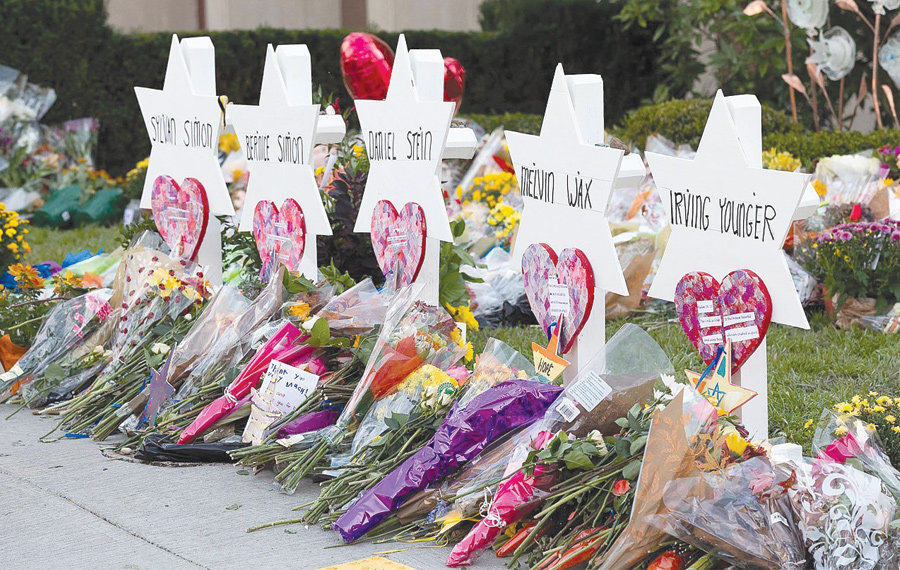
This past Oct. 25 Shabbat was promoted as the second #ShowUpForShabbat, as the one-year anniversary of the universal response to the Pittsburgh massacre at the Tree of Life synagogue, in which a gunman murdered 11 Jews who were worshipping on Shabbat morning.
Last year, after the tragedy, my congregation at Adat Shalom in West Los Angeles participated in the first #ShowUpForShabbat. As rabbi of Adat Shalom, I was so proud of our community’s continued response. We committed to fundraising for Tree of Life synagogue, then we made a contribution on behalf of our entire community last year in an effort to help Tree of Life rebuild.
However, this past Shabbat, I decided not to encourage my community to participate in the #ShowUpForShabbat anniversary. I reached my decision based on several factors. An anti-Semite murdered those 11 Jews simply because they were Jewish. They were together in the Tree of Life synagogue on Saturday, Oct. 27, 2018, because they valued the Jewish tradition and the worship of Shabbat. They should be remembered according to the Jewish tradition, especially in synagogues, which means their yahrzeits should be marked in the coming days and weeks, even if that seems less than convenient, not fitting in with our weekends.
The very notion this tragedy should be remembered according to the American secular calendar is an insult to the Jewish identities of these cherished souls. America was supposed to protect their ability to worship. America was supposed to protect their safety. It was anti-Semitism here in America that cut short their lives. Their lives must be remembered and must be honored according to the Jewish tradition, according to the Jewish calendar.
This past Shabbat, we also marked my gramma Fay Zelman’s yahrzeit as a family and as a community. Gramma Fay, along with my other three grandparents, all were prevailers of the Shoah. They chose to immigrate to the United States because they believed it would provide a safe haven for their children. They understood America to be a shield from the old disease of anti-Semitism.
“Solidarity means we use all our resources, all our influence, all our access to power to accomplish real change to benefit Jews across this country.”
It would be a profound disappointment for them to learn this assumption simply is no longer true.
I recently read an article on JerusalemPost.com written by Ron Kampeas titled “Nearly 9 in 10 American Jews Say Antisemitism Is a Problem in US.” Has anything changed since the murders at Tree of Life synagogue? Poll information conducted by the Anti-Defamation League in 2017, before the tragedy in Pittsburgh, reveals that not only has there been a spike in anti-Semitic occurrences, there also has been a spike since 2014 in the American Jewish community wanting the government to play a role in combating anti-Semitism.
Has anything changed?
Have we, as American Jews, demanded any change in this country in the past year? Have we, as American Jews, influenced a different rhetoric from politicians in our own government (left or right) when it comes to anti-Semitic speech, which includes anti-Israel speech? Have we, as American Jews, accomplished any sweeping security change that protects all Jews in synagogues or Jewish day schools, that allocates resources from communities of plenty to those still lacking? Have we, as American Jews, begun to encourage a change in atmosphere in this country that pushes anti-Semites back into the shadows of society where they belong?
Do you sense that our society has changed at all since Pittsburgh — or since Poway? Do you read about routine anti-Semitic incidents in New York? Anti-Semitic hate crimes in New York are up 63% over last year. Have we all just adjusted to the new normal? If so, how can we possibly tolerate this new normal? This past Shabbat, we read the Torah’s warning: “Your brother’s blood cries out to Me from the ground” (Genesis 4:10).
Can the new social media tactic of #ShowUpForShabbat dent the onslaught of anti-Semitism, one of the oldest diseases in the world? Is there any meaning in this new virtual solidarity? With an issue as serious as violence against Jews, we cannot afford to confuse a trending hashtag with true solidarity. Solidarity means a true dedication despite inconvenience. Solidarity means an actual coming together of Jewish community for all our sakes. Solidarity means we use all our resources, all our influence, all our access to power to accomplish real change to benefit Jews across this country.
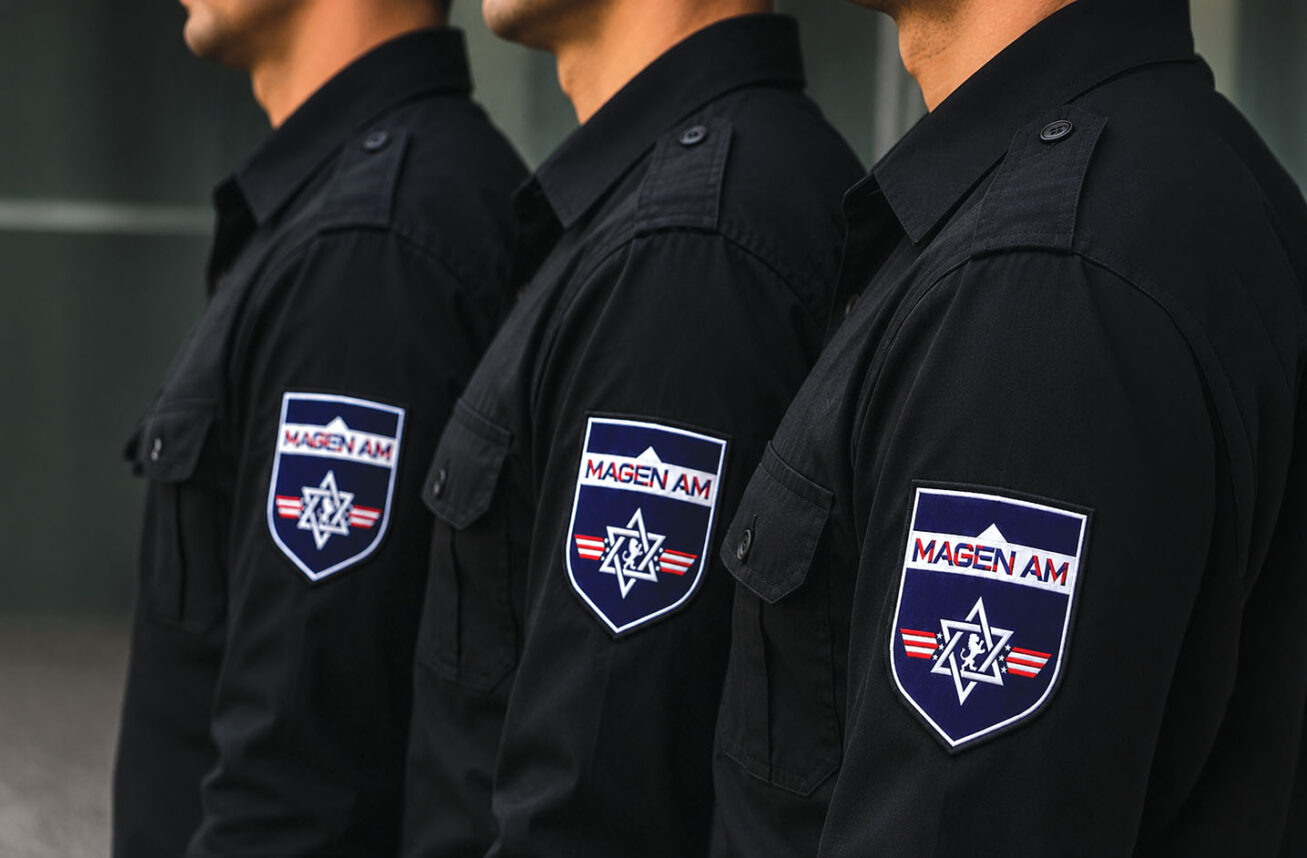
It is time to double down on our Jewish identities. We must attend synagogue and build community, not because of hashtag campaigns, but because it has always been our best path forward. We must begin robust conversations about how we can best provide security for all Jewish communities in the country. We have to demand from our politicians, whether we’re on the left or the right, that they refrain from stereotypes or dog whistle rhetoric that singles out the Jewish people — which ultimately creates a toxic environment of anti-Semitism in America. We must focus on what is meaningful in our lives as Jews, such as family, community, and our traditions and heritage — not on what is trending on social media at the moment.
Beginning today, let’s begin a bigger conversation about protecting Jewish life in America. Let’s devote ourselves to protecting Jewish dignity here in America. Let’s invite thinkers with serious ideas into the conversation to help us problem-solve. We have to stop, reflect and change the way in which we speak about anti-Semitism. We must wake up today in order to protect our American Jewish tomorrow.
Rabbi Nolan Lebovitz is a rabbi at Adat Shalom in Los Angeles.