Dr. Dagmar Weiler, whose Bridge of Understanding program sponsors tours to Germany for American Jewish students and young professionals, wants to make one point perfectly clear:
“What we are offering are not memorial trips to the past but a chance for first-hand encounters with today’s Germany, warts and all,” she says.
Such face-to-face meetings are vital, she believes, as a reality check for both Germans and American Jews, who wrestle, often obsessively, with the Nazi era and its legacy.
Bridge of Understanding was launched in 1993 by the Office of German-American Cooperation at the German Foreign Ministry, and Weiler has been the project’s director almost from the beginning.
But for a faint German accent, the perky Weiler comes across at times as more American than the Americans. She received her doctorate in U.S. history from Washington State University, with a focus on the labor movement in the South, is up on the latest slang and loves baseball.
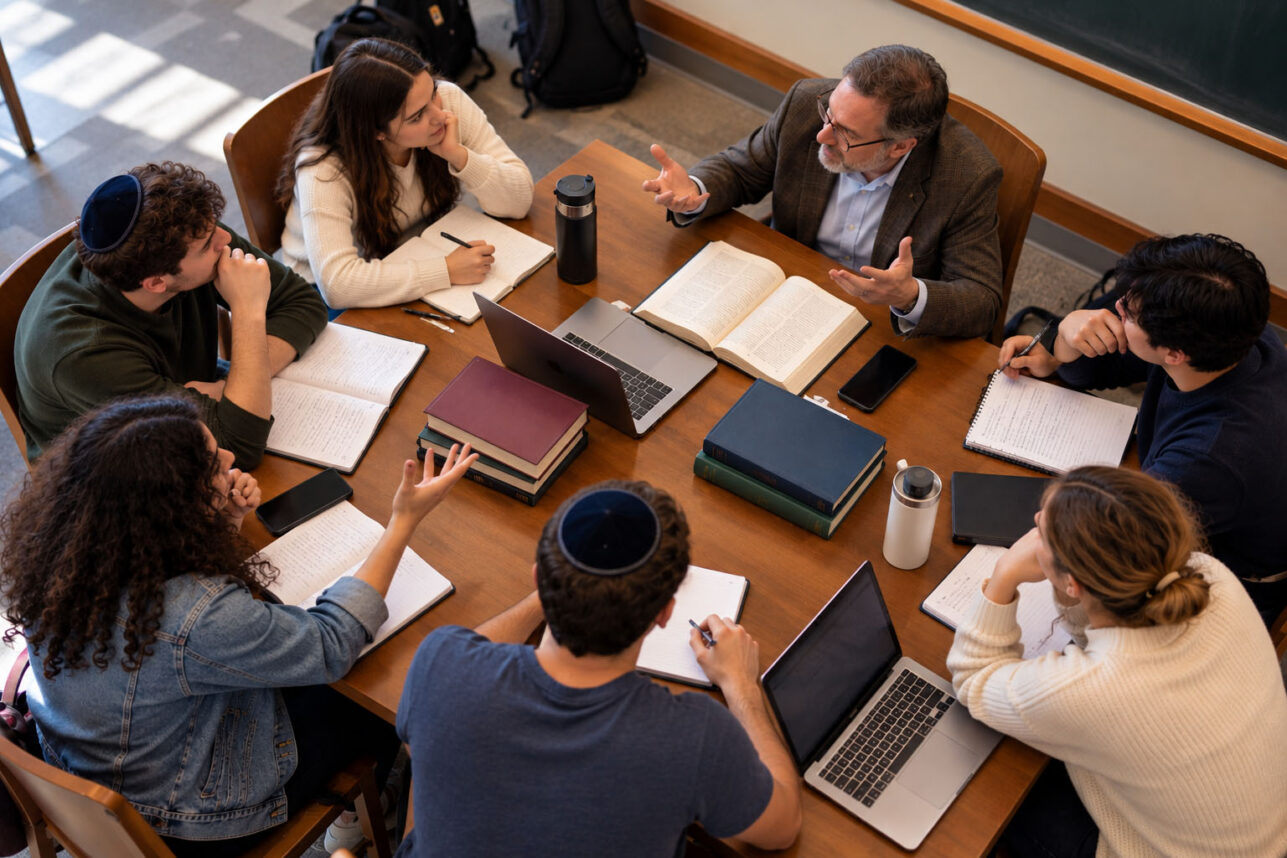
A typical Bridge tour, largely underwritten by the German government, lasts three weeks and consists of some 20 people with similar interests. The initial trips were for college students affiliated with Hillel, but now are tailor-made for young Jewish legislators, journalists, rabbis and rabbinical students and professional community workers.
Bridge, with a $500,000 annual budget, generally organizes six such tours during the year.
Although the trips concentrate on contemporary Germany, with its Jewish communities and large foreign minorities, the past cannot be ignored entirely. There are usually visits to the memorial sites at the Dachau or Sachsenhausen concentration camps, with talks by survivors.
So far, participants in the program have come mainly from the East Coast, and Weiler says that the main purpose of her current trip was to establish ties with West Coast institutions.
Weiler met with leaders of Mazon, a hunger-fighting organization, and the Board of Rabbis, but her main host was Dr. Steven Windmueller, director of the Irwin Daniels School of Jewish Communal Service at the Hebrew Union College-Jewish Institute of Religion.
Windmueller views the Bridge program as a likely test run for many of his students who plan careers with international Jewish communal organizations, such as the Joint Distribution Committee and the American Jewish Committee.
“The Jewish world is getting smaller,” he observes, and Germany in particular, with the fastest growing Jewish community in Europe, “is not just the story of the past, but also of the future.”
Additional information on Bridge of Understanding,headquartered in Munich, is available on its Web sitewww.bridge-understanding.de or by e-mail to