It has been 25 years since two biographies about Jews were nominated for an Emmy Award in the same year. In 1982, “Oppenheimer,” about nuclear physicist J. Robert Oppenheimer, competed in the limited series category, and “A Woman Called Golda,” about former Israeli Prime Minister Golda Meir, won for Outstanding Television Movie.
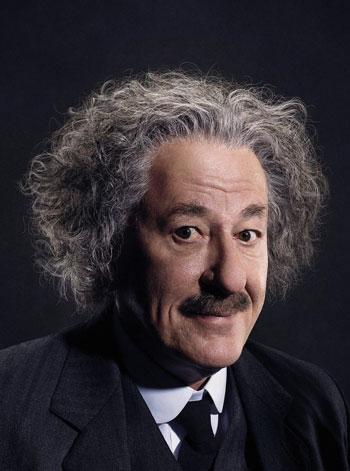
This year, “Genius,” the National Geographic Channel miniseries about physicist Albert Einstein, and the HBO’s movie “The Wizard of Lies,” about Ponzi scheme mastermind Bernie Madoff, are in contention in separate categories. Geoffrey Rush and Robert De Niro, the non-Jewish actors who play them, were nominated for Outstanding Actor in a Limited Series or Movie.
These Jewish subjects are on opposite ends of the angel-devil spectrum, although much of “Genius” depicts Einstein’s failings as a husband and father, skewing the halo a bit. Given its historical context, Jewish themes of anti-Semitism and the rise of Nazism are prevalent throughout the miniseries.
“The Wizard of Lies” does not portray Madoff’s Jewish side at all, unlike the 2016 two-part miniseries “Madoff,” which starred Richard Dreyfuss and left no doubt about his religion. There was a Jewish wedding, and points were made about Madoff defrauding Jewish individuals and organizations, including Hadassah and the Elie Wiesel Foundation.
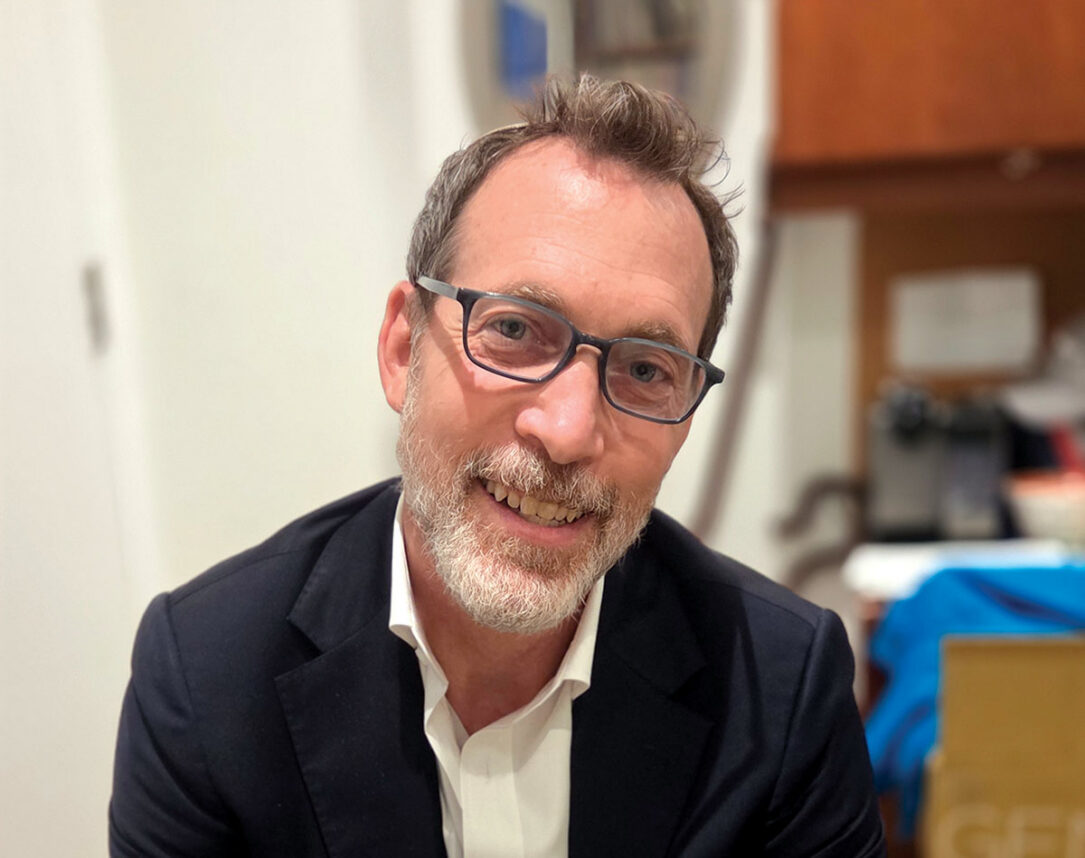
Vincent Brook, an author and lecturer in the UCLA School of Theater, Film and Television, and an expert on film and television history and Jewish history in Hollywood, watched both Madoff bios.
“I thought it was significant that they didn’t play up the Jewishness at all in ‘Wizard of Lies.’ The word ‘Jewish’ was mentioned maybe once,” said Brook, who is Jewish. “It wasn’t, ‘Here’s this money-grubbing Jew.’ In the Dreyfuss version, it played a bigger role.” He found Dreyfuss’ portrayal more convincing, “not that a non-Jew can’t play a Jew, but Dreyfuss is Jewish and looks Jewish,” he said.
“We were very careful not to portray this as an anti-Semitic story. It’s a global story … a much bigger story,” “Madoff” executive producer Linda Berman told the Journal in January 2016.
But just the idea of showcasing a “bad Jew” gives anxiety to many members of the tribe. (Imagine how Muslims and Arabs must feel, given the number of times they are portrayed on screen as terrorists or sinister characters.)
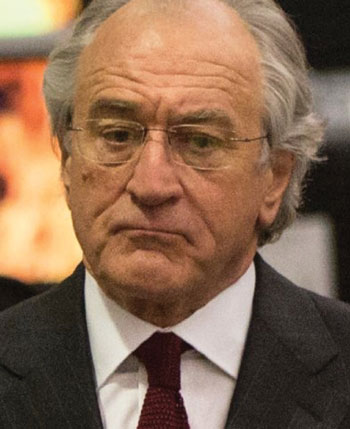
Although “Wizard of Lies” “didn’t play the J card,” as Brook put it, depicting Madoff at all raises the larger issue of anti-Semitism and how it’s handled in Hollywood.
“Anti-Semitism still exists, but it’s taboo to be open about it,” Brook said. “Hollywood is cognizant of being politically correct. In movies and TV now, if you show a minority character in a negative light, you can be assured that there will be a good character from that minority for balance. It’s good that there’s sensitivity about it. It makes up for a long history of the opposite being the case.”
There’s another element at play that affects how Jews are portrayed, if they’re portrayed at all. While Jews may not “control the media,” as the oft-repeated fallacy goes, Jews do fill production and executive ranks in Hollywood, particularly in television.
“They don’t want to rub Jewishness in the face of the non-Jewish majority,” Brook said. “There’s still that sensitivity among Jewish producers about being ‘too Jewish,’ and it’s often expressed in casting and subject matter.”
He shared an enlightening anecdote. “Fairly recently, I heard a Jewish TV producer talking about casting calls and ‘He’s too J,’ meaning he looks too Jewish,” Brook said. ‘You’d think that these days it wouldn’t be a big deal, but it is.”
The Emmys have recognized movies and miniseries with Jewish themes and protagonists over the years. But almost all of them have starred non-Jews in their leading roles.
In the 1982 TV productions, Ingrid Bergman played Meir and Sam Waterston played Oppenheimer. Ben Kingsley has portrayed both Moses and Nazi hunter Simon Wiesenthal. Ian McShane played British statesman Benjamin Disraeli. And most controversially, pro-Palestinian actress Vanessa Redgrave was cast as Jewish Auschwitz prisoner Fania Fenelon in the Emmy winner “Playing for Time.”
More rarely, there have been Jews playing Jewish heroes: Peter Strauss as Eleazar Ben Yair in the Emmy-nominated “Masada” and Alan Arkin as the leader of a concentration camp breakout in “Escape From Sobibor.”
The Primetime Emmy Awards will be broadcast on CBS at 5 p.m. Sept.17.