I’ve been visiting the elderly since long before I reached the age of bat mitzvah. It started when my sister and I would visit our grandmother z”l in San Francisco in the summer. She lived in an apartment across the hall from Mrs. Louie, an elderly widow who lived alone. On a regular basis, she would send the two of us across the hall for a visit.
I don’t know that Grandma ever told us why she had us go talk to Mrs. Louie. She never mentioned the word mitzvah when she sent us, any more than she mentioned it when we visited the Wertheimers, who I thought had the coolest furniture ever. It wasn’t until years later that I realized the Wertheimers were morbidly obese, and they had to have special furniture because the regular kind wouldn’t hold their weight. Grandma never mentioned the words “obese,” or “fat,” or “overweight,” any more than she ever used the word “mitzvah,” or ever implied we were doing anyone a favor by visiting. It’s just what we did.
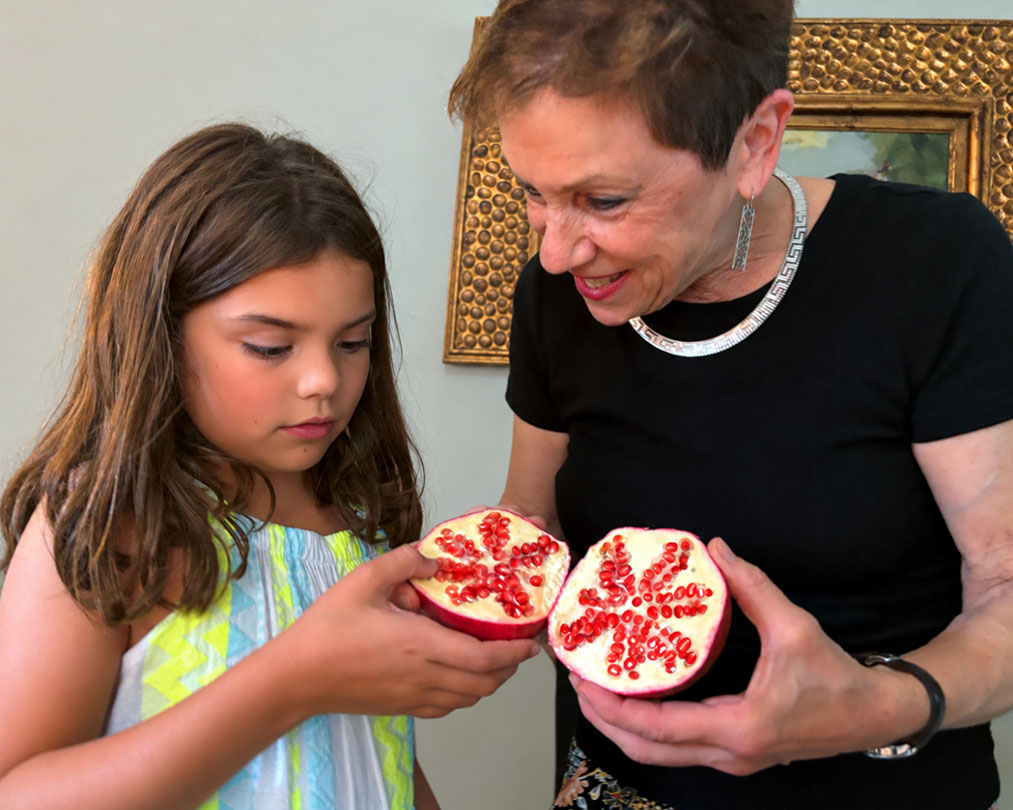
A couple of years before I was trained by the Bay Area Jewish Healing Center to be a spiritual care provider, I began visiting an elderly congregant named Susi who was confined to a wheelchair and wasn’t able to get out much. After I was trained, I started visiting other people. Elderly people.
And the thing about visiting elderly people is this: They die. They may live for a few years; you may, like with Susi, get to visit them for as many as five years or more. But that doesn’t solve the problem. Because the more time you have with them, the better you get to know them, the more they become a part of your life, and it hurts when they die, even though you know going in it’s going to happen.
It’s madness to set yourself up like this, to get to know and love someone, with the full realization that they’re approaching the end of their life. You’d have to be crazy or masochistic or something to do it on purpose.
Still, it’s an incredible privilege to visit people near the end of their life. It’s an honor to have spent time with a woman who was rescued on the Kindertransport, to speak with a man who fought for the US during World War II, to hear about ballroom dances and teenage plans to run away to pre-Israel Palestine, and dinner parties, and the time they first met the person they would later marry.
Every minute spent with a person in hospice is a treasure, even when the person is so far into dementia they are not capable of holding a conversation with you.
And when they die, like Susi did last weekend, it’s sad. It’s wrenching. I’m reminded again how it’s sheer madness to put myself in a position to feel this pain, predictably, serially, on purpose.
Yet at the same time, I wouldn’t trade a moment of it; not a moment. And I won’t hesitate to do it again, the next time I get an offer to visit another person embarking on this journey.
—————-
“Like” the“>follow me on Twitter.