
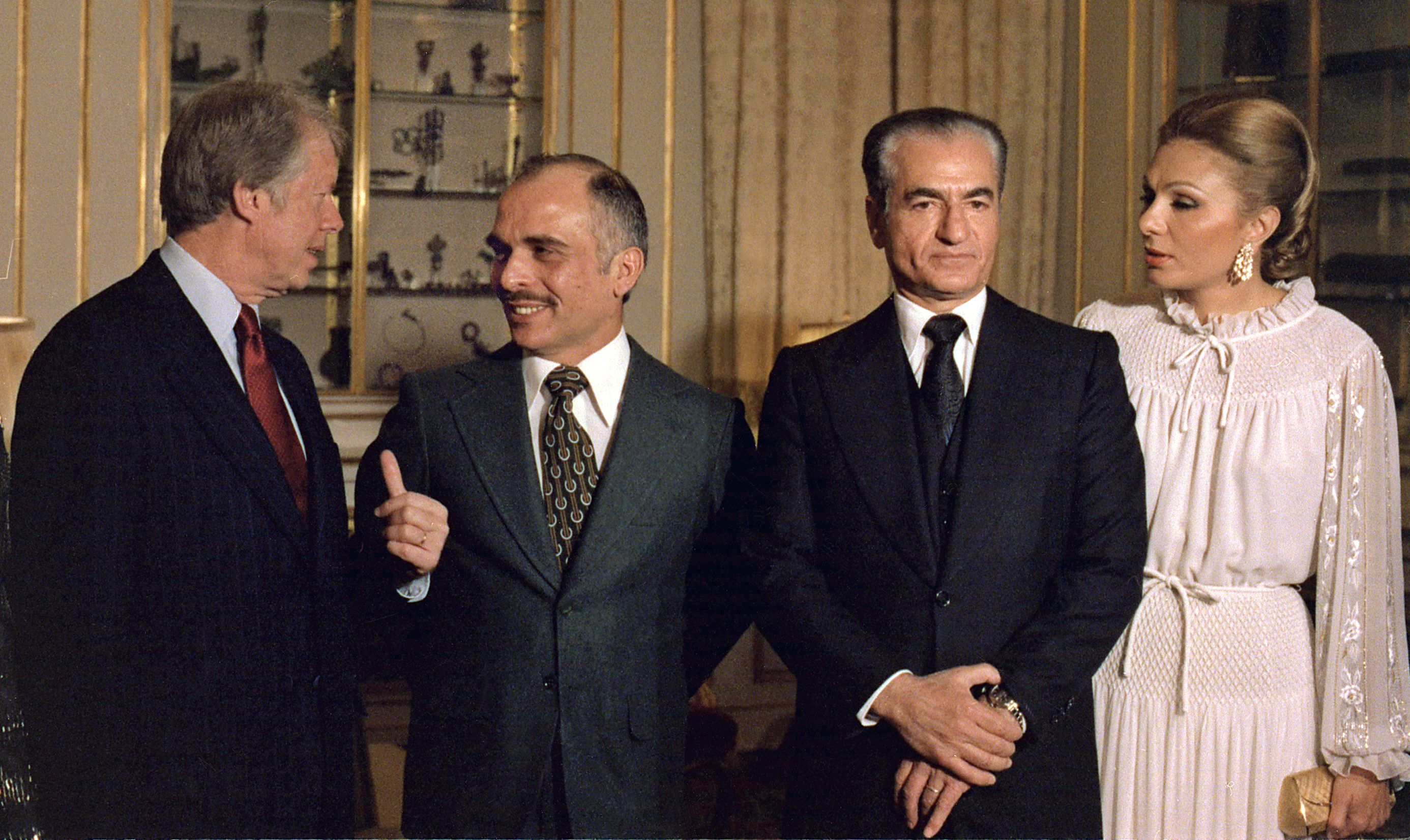
The death of the Shah of Iran, Mohammad Reza Pahlavi, in 1980 had profound consequences in shaping the Middle East today, yet there was some mystery surrounding the circumstances of his death. A new film is being released that explains how the declining health of the Shah led to his departure and death, and that it could have been avoided had the Shah received proper treatment.
The documentary “A Dying King,” which was written and directed by Bobak Kalhor, consists of interviews from the many doctors treating the Shah who explained that he had been living with cancer for six years prior to the Iranian revolution. The Shah suffered from a rare type of leukemia known as chronic lymphocytic leukemia, which was diagnosed by French doctors only after the Shah noticed a lump in his spleen while water skiing.
Due to the Shah’s paranoia of his people viewing him as weak, only a handful of people knew he was dealing with cancer; even his family didn’t know. But the Shah’s declining health from the cancer inhibited his ability to lead the country, and was a driving factor behind his decision to leave Iran when the revolution was brewing.
The Shah bounced around various countries, including Mexico, Morocco, the Bahamas the United States and Egypt. His health deteriorated to the point where his cancer had turned into a more severe form of lymphoma, and eventually his spleen had to be removed. But, according to the documentary, the surgeon who removed the Shah’s spleen accidentally snipped off part of his pancreas because the spleen was never drained, causing an infection. He eventually succumbed to his ailments in July 1980.
“A Dying King” suggests that the Shah could have prevailed from his illness had the doctors properly treated him and had his presence in different countries not become such a major issue. For instance, Iran demanded that the U.S., which was treating the Shah in New York at the time, extradite the Shah back to Iran in exchange for the hostages that had been taken in the American embassy. The Shah was sent to another country instead.
“A Dying King” adds an additional piece to the puzzle of how the Shah lost his throne in Iran, an event that reverberates to this day.