fbpx

Tu b’Av: Sunday, Aug. 6 (evening) to Monday, Aug. 7, 2017

[additional-authors]
August 2, 2017

BACKGROUND

Tu b’Av is the 15th day of the month of Av. It’s an ancient holiday dating back to the time of the Second Temple in Jerusalem, during which unmarried girls would wear white and dance in the vineyards to capture the attention of single men searching for brides. Tu b’Av marked the beginning of the grape harvest; Yom Kippur, when the girls would return to the vineyards, marked the end.

The first mention of the holiday occurs in the Mishnah, where Rabban Shimon ben Gamliel wrote that Tu b’Av and Yom Kippur were the most joyous Jewish holidays. Various explanations are offered about the timing of the date, including that it is when members of the tribes of Israel were permitted to marry women from other tribes.

TRADITIONS

Today, Tu b’Av is dubbed the “Jewish Valentine’s Day,” and is celebrated that way in Israel. It is the occasion for many weddings, as well as singles and matchmaking events in the Jewish community.  There is little in the way of traditional observances, although the Tachanun (confession of sins) is not said during daily prayers.

SPECIAL FOOD

There are no official Tu b’Av foods, but some people will make heart-shaped foods and use grapes to commemorate the holiday of love.

Source: MyJewishLearning.com, Jewish Food Experience

Did you enjoy this article?
You'll love our roundtable.

Editor's Picks

Latest Articles

Antisemitism, Deicide, and Revolution

The United States Conference of Catholic Bishops did a remarkable thing: It issued a memorandum to all American Catholic bishops urging them to prepare their teachings carefully during this Easter period and ensure that they accurately present the Church’s positive teachings about Jews.

Chametz Is More than Crumbs in the Corners of our Homes

Chametz is also something that gathers in the corners of our being, the spiritual chametz that, like the physical particles we gather the night before Passover, can infect, wither, influence and sabotage us as we engage with others.

Alpine Flavors—a Crunchy Granola Recipe

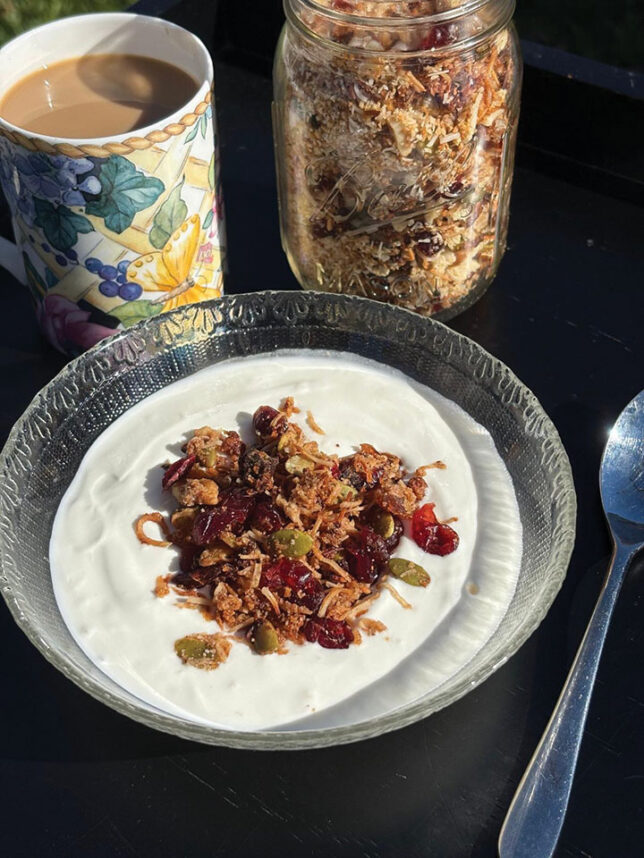
Every Passover, I prepare a truly delicious gluten-free granola. I use lots of nuts and seeds (pistachios, walnuts, almonds and pumpkin seeds) and dried fruits (apricots, dates and cranberries).

Pesach Reflections

How does the Exodus story, Judaism’s foundational narrative of freedom, speak to the present? We asked local leaders, including rabbis, educators and podcasters, to weigh in.

Rosner’s Domain | Be Skeptical of Skeptics, Too

Whoever risks a decisive or semi-decisive prediction of the campaign’s end (and there is a long list of such figures on the Israeli side as well as the American side) is not demonstrating wisdom but rather a lack of seriousness.

When We Can No Longer Agree on Who Is Pharaoh

The Seder asks us to remain present to the tension between competing fears and obligations. It does not require choosing one lesson over the other, but rather, it creates space for us to articulate our concerns and listen to the fears and hopes that shape others’ views.

Pesach at War. Leaving Fast, Leaving Slow.

Freedom, it would seem, is erratic; it happens in fits and starts, three steps forward and two steps back. Freedom is a leap into the unknown, driven by a dream. We will figure it out in time.

More news and opinions than at a Shabbat dinner, right in your inbox.