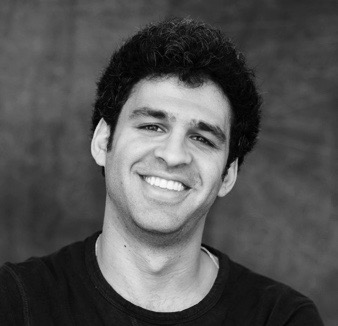
Mark Benthien, communications director of the Southern California Earthquake Center (SCEC), is not optimistic that social media will help much in the event of an earthquake.
He worries that just as phone lines and electricity went down following the 6.7 magnitude Northridge earthquake of 1994, a quake today could cause the Internet to crash — which would mean no tweeting.
“An interesting aspect of this is, yes, social media, but will you be able to tweet? And what will people do if they become reliant on social media for communicating if they can’t get online and … don’t have other ways [of communicating]?” Benthien said.
Nobody knows for sure what role social media might play in the event of another large earthquake. But opinions abound about how platforms such as Twitter and Facebook might be employed should one happen.
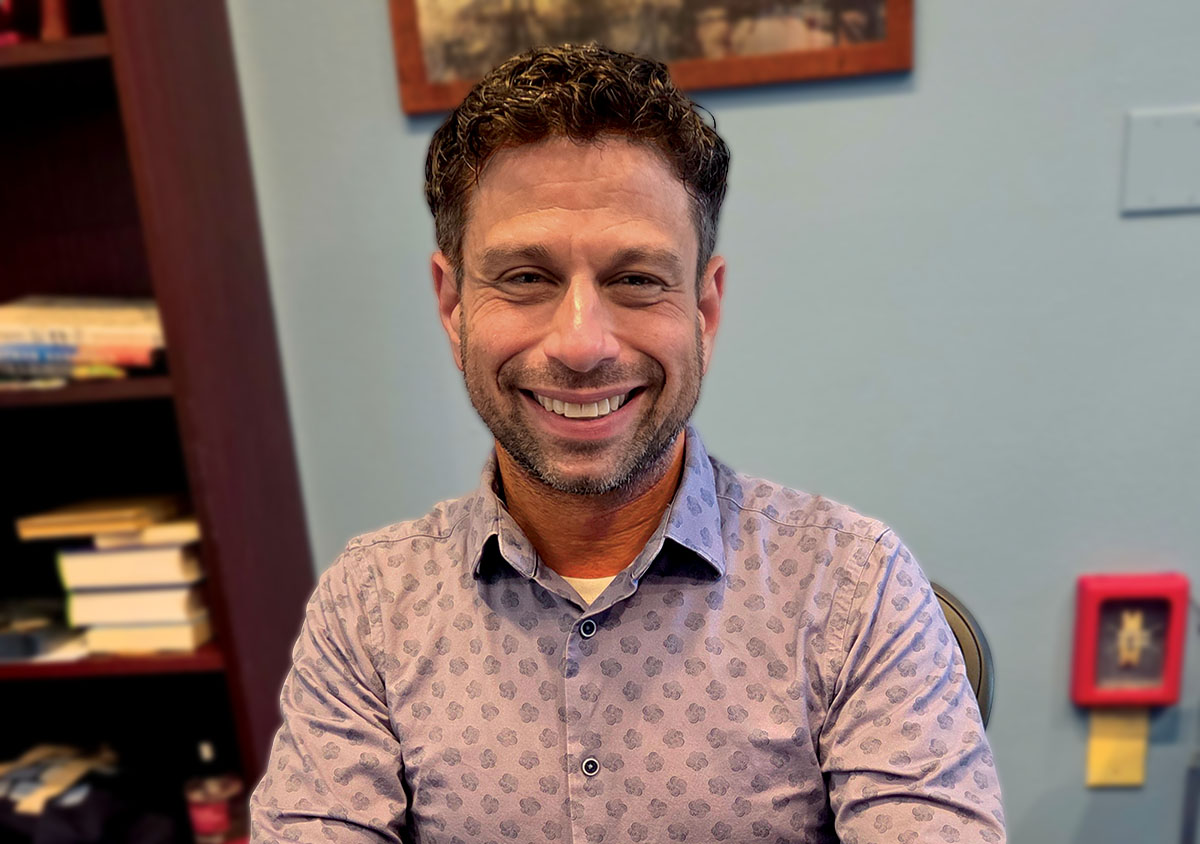
Rabbi Dan Moskovitz, senior rabbi at Temple Sholom in Vancouver and formerly of Temple Judea in Tarzana, is a technology aficionado, and he agreed with Benthien.
Moskovitz worries that people overestimate the usefulness of social media. “It makes the assumption that you’re going to have connectivity the way you do now. It’s a false assumption,” Moskovitz said. “You’re not going to have that connectivity. At the very least, the networks will be overloaded, and, in the worst case, they will be down.”
However, Josh Rubenstein, a board member of Temple Judea and chief meteorologist at the television stations CBS 2 and KCAL 9, believes social media will ensure that people are well informed about what is happening around them.
“I think social media will be crucial for both the public and media. … As a broadcaster, this is invaluable in relaying the information. As a citizen you can share your story, or information so that others can benefit from it,” Rubenstein said.
There are other roles social media could play beyond sharing information. Recent news events like the Boston Marathon bombing and Hurricane Sandy have shown that, in the event of mass casualty incidents, people tweet or post about their emotions.
Likewise with an earthquake, it is common to witness the news feed on Facebook or Twitter filling up with messages such as, “Did anyone else feel that?” Such posts offer information as to where the quake was felt, but they also reflect people’s need for community in the face of an unsettling experience, said Esther Kustanowitz, a Los Angeles-based social media consultant and writer (Ha’aretz, “My Urban Kvetch”).
“It’s more than just saying, ‘Hey, was that what that was?’ It’s [also] saying, ‘… Are you OK? I’m OK, but I would [also] really love to be connected with you on that,’ ” she said.