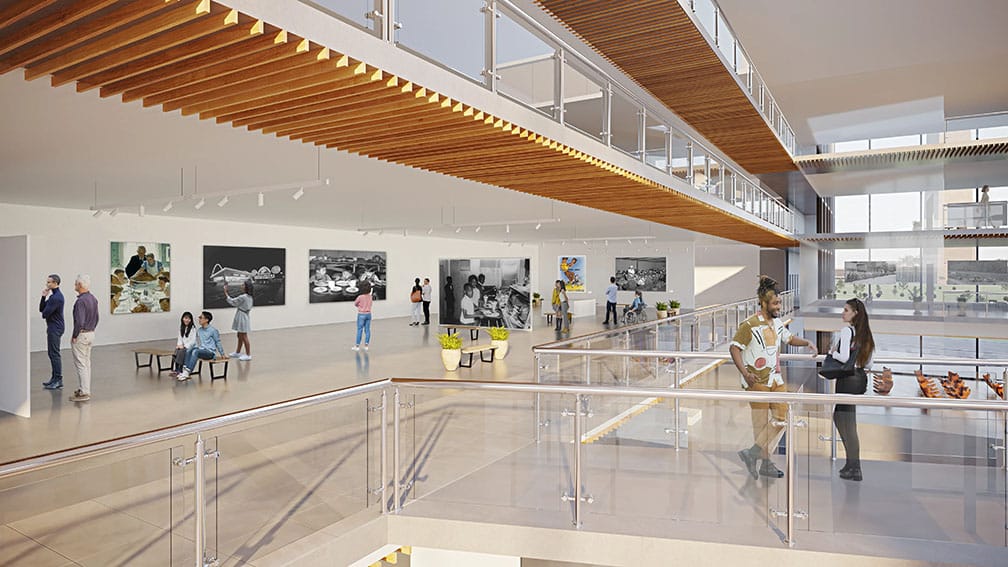
On March 9, MAZON: A Jewish Response to Hunger opened the virtual doors to The Hunger Museum™. This unprecedented exploration into the social and political history of hunger and food insecurity in America illuminates “how our nation almost ended hunger, and how we can work together to do it again,” according to MAZON.
“As Jews, every year we go through the entire history of the Jewish people, and we don’t really reflect much on the history of hunger in America, even those of us working in the anti-hunger movement,” Abby J. Leibman, MAZON’s president and CEO, told the Journal. “Looking back at our … robust history would allow people to see the reality of what people’s lives were before and what they are now, so that we can begin to envision a future that is one of food justice.”
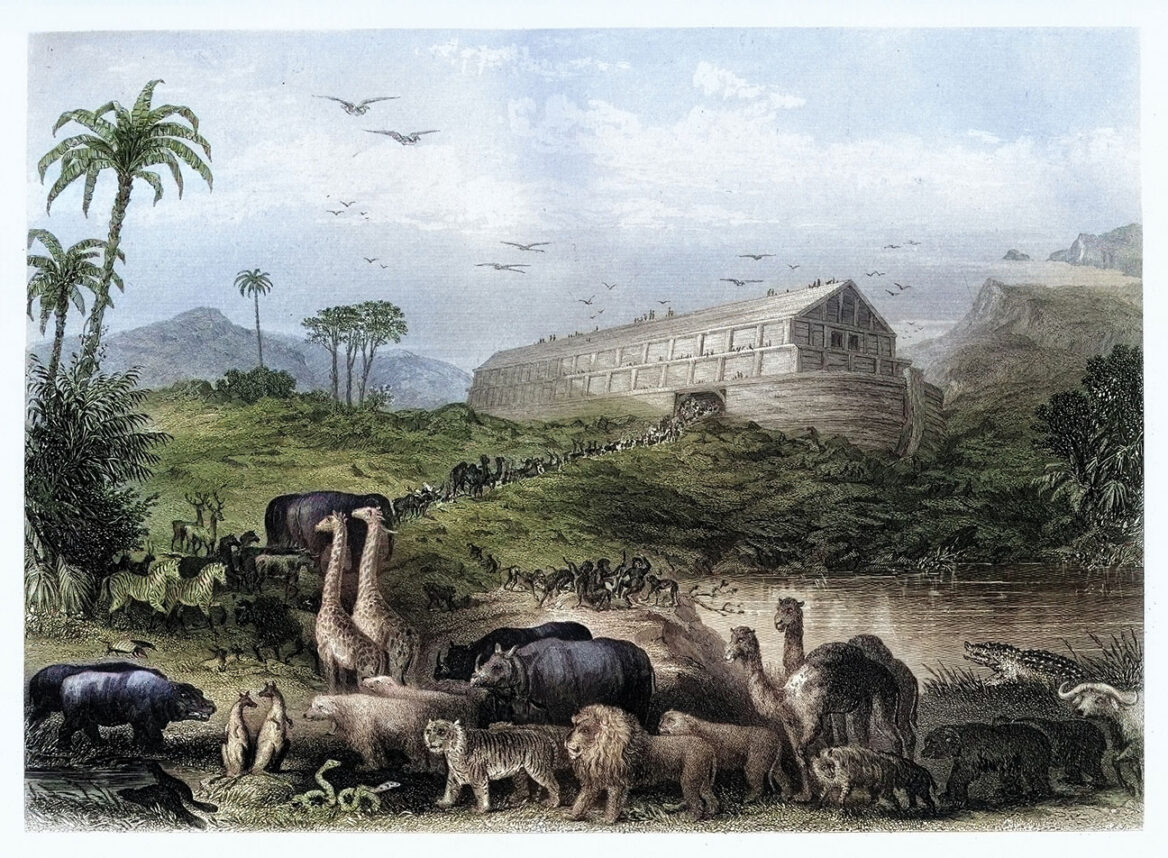
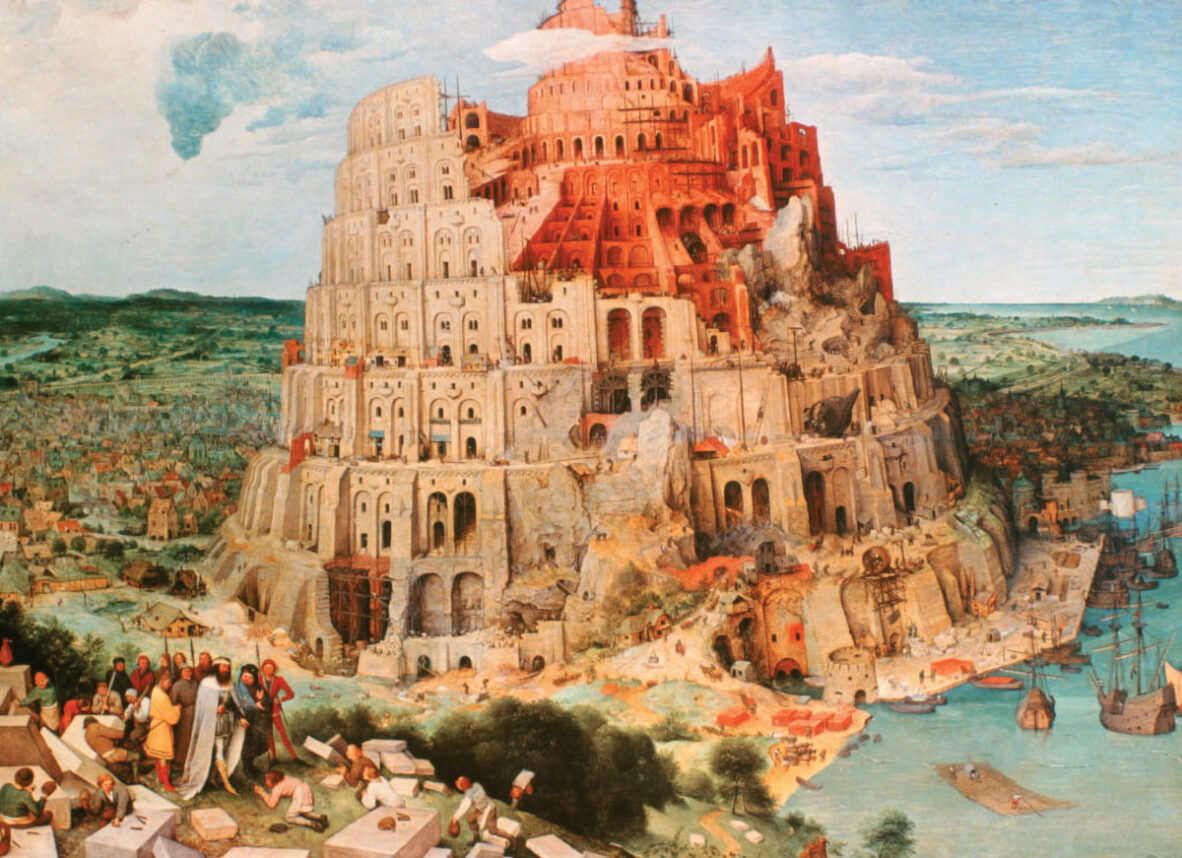
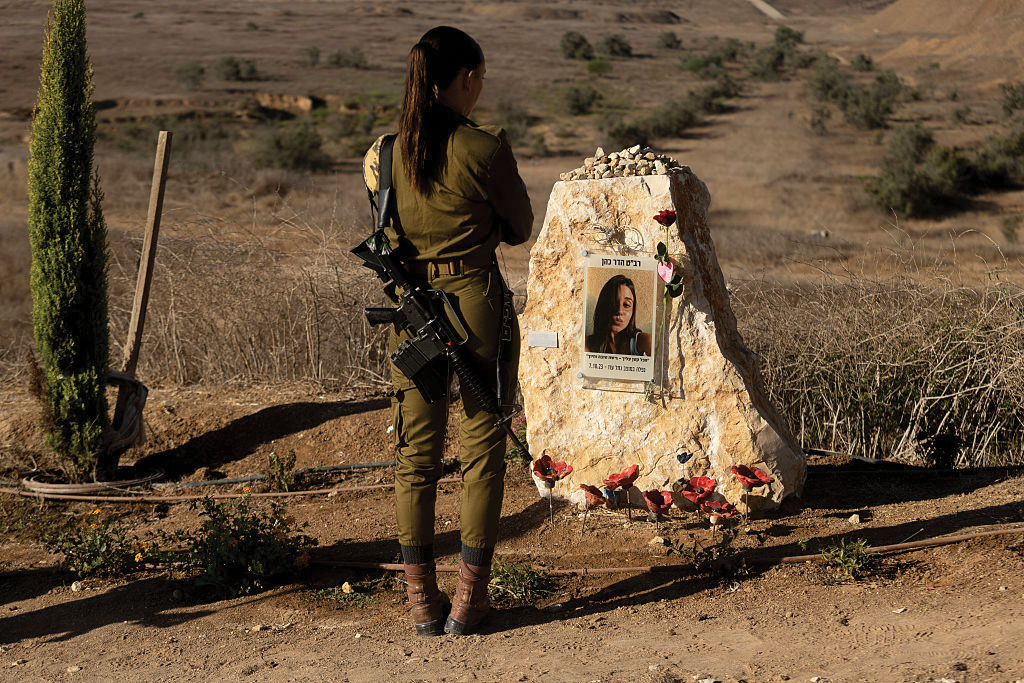
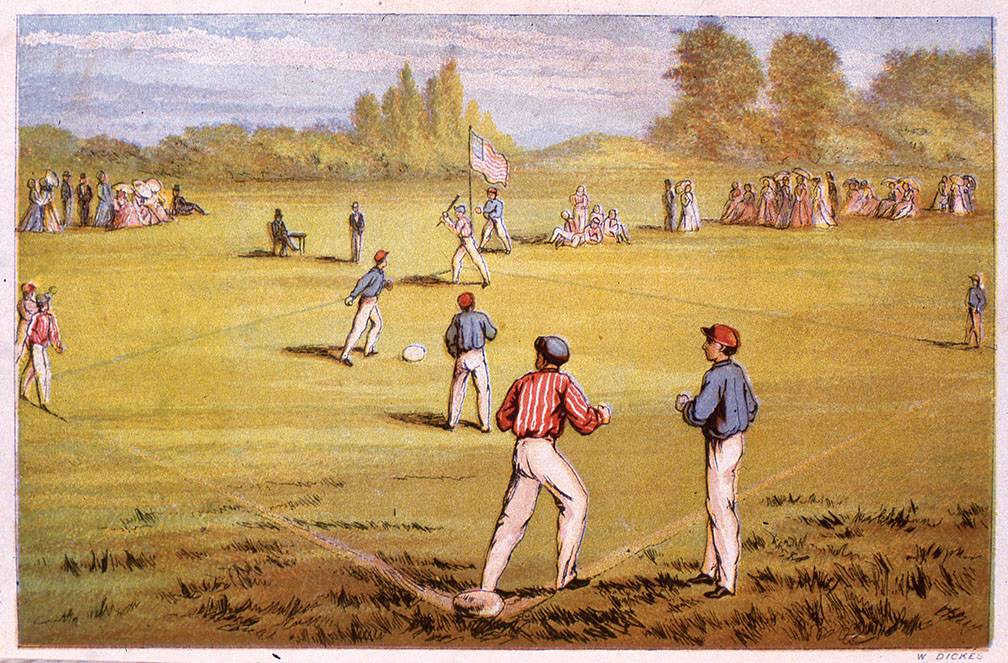
The Hunger Museum, which is freely accessible to anyone with the internet, immerses visitors into the story of more than 100 years of hunger and anti-hunger public policy in America. Through six galleries of historical content, and hundreds of artifacts, the museum’s exhibits illuminate the political, economic and cultural influences of various eras.

Inspired by Jewish values and ideals, MAZON is a national advocacy organization working to end hunger among people of all faiths and backgrounds in the United States and Israel. When MAZON examined the history of hunger in America, they wanted to provide a well-rounded context. The past is more than just military, political and economic history.
“There’s culture, the arts, pop culture,” Leibman said. “There’s issues of war, weather and population growth, etcetera. You have to look and see everything that’s swirling around to understand what was driving hunger, and then what impact we could have on it.
“Hunger is scary, stubborn, but — most importantly — solvable,” U.S. Congressman Jim McGovern, a central leader of today’s anti-hunger movement, stated in a press release. “The Hunger Museum will help visitors understand that through better public policy, local food sourcing and systematic change, we can create a future where every family has access to nutritious meals.
Nearly three years in the making, The Hunger Museum utilizes groundbreaking technology to deliver a powerful virtual experience. While MAZON’s home base is Los Angeles, their ultra-modern virtual museum space is symbolically located in Washington, D.C. It sits in the shadow of the Washington Monument, between the U.S. Holocaust Memorial Museum and the U.S. Department of Agriculture.

“The Hunger Museum is purpose-built by architects for immersion and interactivity,” Naama Haviv, MAZON’s vice president of community engagement, told the Journal. “By designing a virtual 2.5-D, rather than a 3-D VR [virtual reality] museum, we’ve made it as accessible as possible so that every American can experience this journey by just going online.”
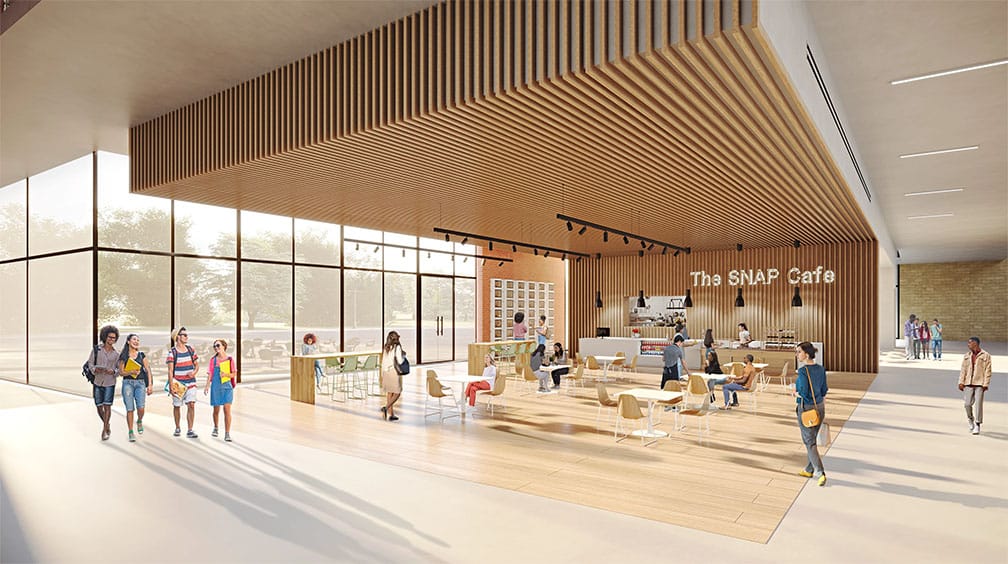
Additional nuances of the space include the SNAP Café, where museum-goers can try to purchase a meal within the national average benefit (a modest $2.03 per person per meal) for the Supplemental Nutrition Assistance Program (SNAP, formerly food stamps). Also, near the building’s multi-story sunlit lobby is a towering Wishing Tree, where visitors can leave a wish to end hunger, as part of a feature modeled after Yoko Ono’s peace project.

“We envision The Hunger Museum serving as a deeply engaging learning resource for Jewish schools and other educational institutions, teaching the history of how we almost ended hunger in America, and inspiring people to help end hunger once and for all,” Haviv said.
MAZON plans to bring The Hunger Museum to educators and schools nationwide for custom tours, as well as to use along with companion curriculum materials, teaching all ages and backgrounds.
“The Hunger Museum is a digital representation of our Jewish values.” Rabbi Joel Pitkowsky
“The Hunger Museum is a digital representation of our Jewish values,” MAZON’s Board Chair Rabbi Joel Pitkowsky stated in a press release. “It will help enlighten people across the country, and the world, through an unbelievably intuitive platform and user-friendly format with text, photos, and videos that will transport visitors across the decades, allowing them to see how events led to other events that together formed the anti-hunger movement.”
The Hunger Museum is a cultural and learning space, a visual experience of social justice. Said Leibman, “It demonstrates what this country can be when we are at our best, how the lessons of history can inform our future, and what that can mean for those who struggle with hunger in America.”
To visit The Hunger Museum, go to HungerMuseum.org.