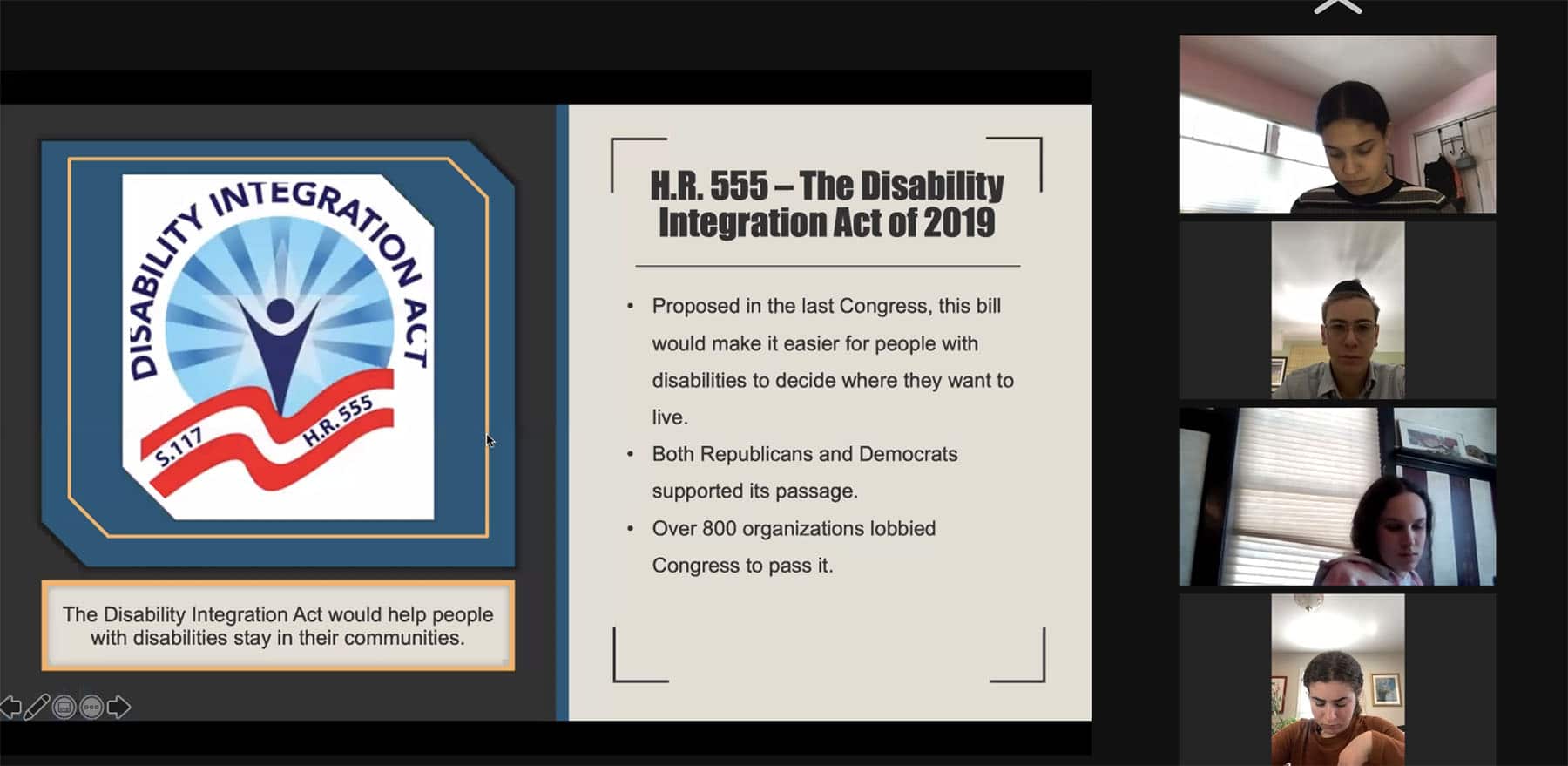
Nearly 40 teens from across the United States met virtually this month to receive training focused on making Jewish communal life more inclusive for individuals with disabilities. Yachad, the Orthodox Union’s (OU) organization for individuals with disabilities, organized the sessions which coincide with Jewish Disabilities Awareness and Inclusion Month (JDAIM) celebrated annually in February.
After attending two of the virtual training sessions— the first on Feb. 7 and the second on Feb. 21— teen-participants received a certificate as an “inclusion ambassador” to help their schools and communities become more inclusive environments for individuals with disabilities.
Participants from the United States hailed from California, New York, New Jersey, Maryland, Massachusetts, Illinois, Ohio and Texas. Ethan Frankel from YULA High School for Boys represented Los Angeles. Three teens from Vienna, Austria also joined the program.
“This year, as we looked for a meaningful way to celebrate Jewish Disabilities Awareness and Inclusion Month, we focused on training teens to serve as communal inclusion ambassadors to better lead their communities in being more accessible for individuals with disabilities,” Rebecca Schrag Mayer, director of Yachad New York, said. “The future of the Jewish community is one that welcomes and includes everyone, and these teens will help us usher in that stage.”
“The future of the Jewish community is one that welcomes and includes everyone, and these teens will help us usher in that stage.”
After taking on the role of president for the Yachad L.A. chapter, Frankel, 17, told the Journal he attended the virtual awareness training so his education on disability awareness and activism could strengthen. Involved with the organization since the 9th grade, Frankel said the genuine friendships he’s made impact the way he looks at making a difference.
“[One of the speakers at the training said they] didn’t like how people would be friends with her out of chesed (loving-kindness) or pity or just to be nice,” he said. “At Yachad, you form real relationships with kids with disabilities, have inside jokes. I have inside jokes with my friends at Yachad…We both bring happiness out of the relationship. It’s important to form friendships and relationships over just doing chesed (loving-kindness).”
During quarantine Frankel has set up multiple virtual and socially-distant programs for Yachad students so that relationships could continue to flourish during the pandemic. The two day-long training sessions consisting of guest speakers, group discussions and community reflections with peers his age helped equip Frankel and the other students with the necessary tools to advocate for Jews with disabilities in his community.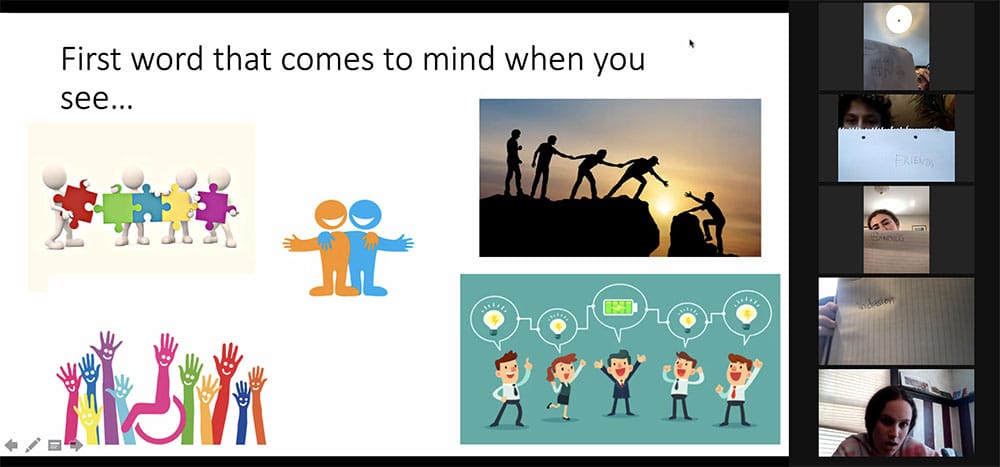
Since 1983, Yachad has connected thousands of Jews with and without disabilities together through Shabbatons, summer programs and year-round activities. With chapters located in the U.S., Canada and Israel, the org continues to host monthly programs for all age groups, in addition to providing inclusion and disability training.
The organization also offers counseling services, extensive parent support services, sibling services, vocational training and job placement, Israel Birthright trips for people with mobility and special learning needs and lobbies for pro-disability legislation on the local, state and federal levels.
Following the training program, Frankel wants the Jewish community— especially Jewish institutions—to understand that creating an inclusive space involves listening and taking the time to make Jews with disabilities feel welcome.
“It’s important not to get frustrated,” Frankel said. “Something may not be a challenge for you but it may be for someone else and it’s important to recognize [that] and raise them up positively.”
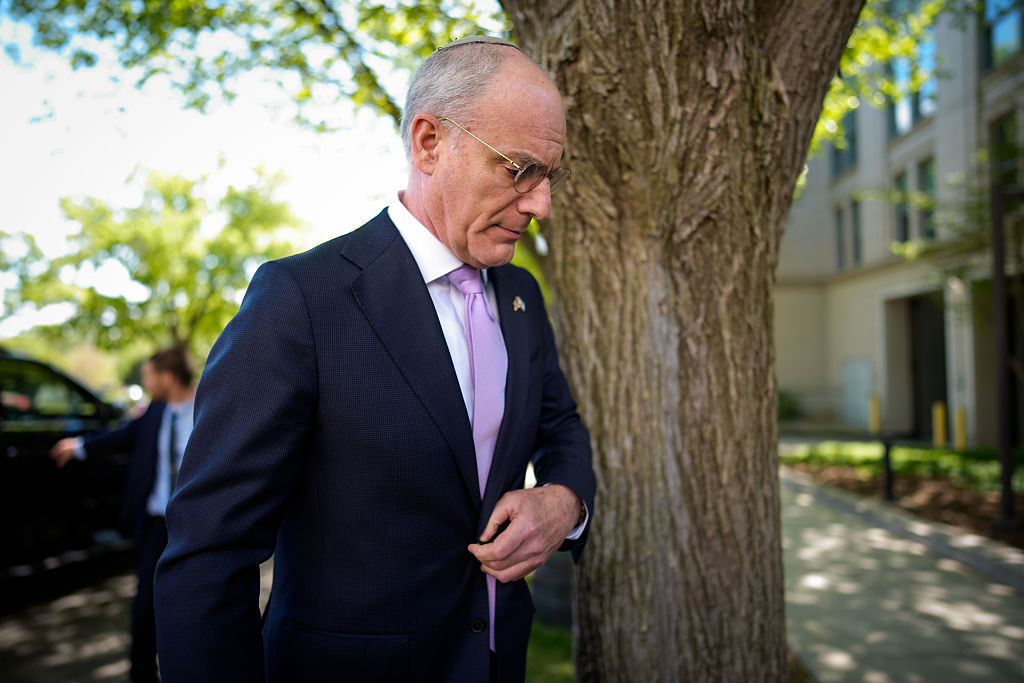
Orthodox Union Executive Vice President Rabbi Moshe Hauer said students like Frankel have the opportunity after their certification to take what they’ve learned at Yachad’s training and make their communities stronger for everyone.
“Our sages teach us that Kol Yisrael Areivim Zeh LaZeh (we are all responsible for each other),” Hauer said. “Throughout a year marked with constant surprise obstacles, Yachad’s team has put together virtual and in-person COVID-19 compliant programs that kept their members feeling connected despite the lockdowns and closures. We are inspired by their commitment to making sure that so many individuals with disabilities feel connected and a sense of belonging within our community.”
To learn more about the training programs and Yachad visit their website.