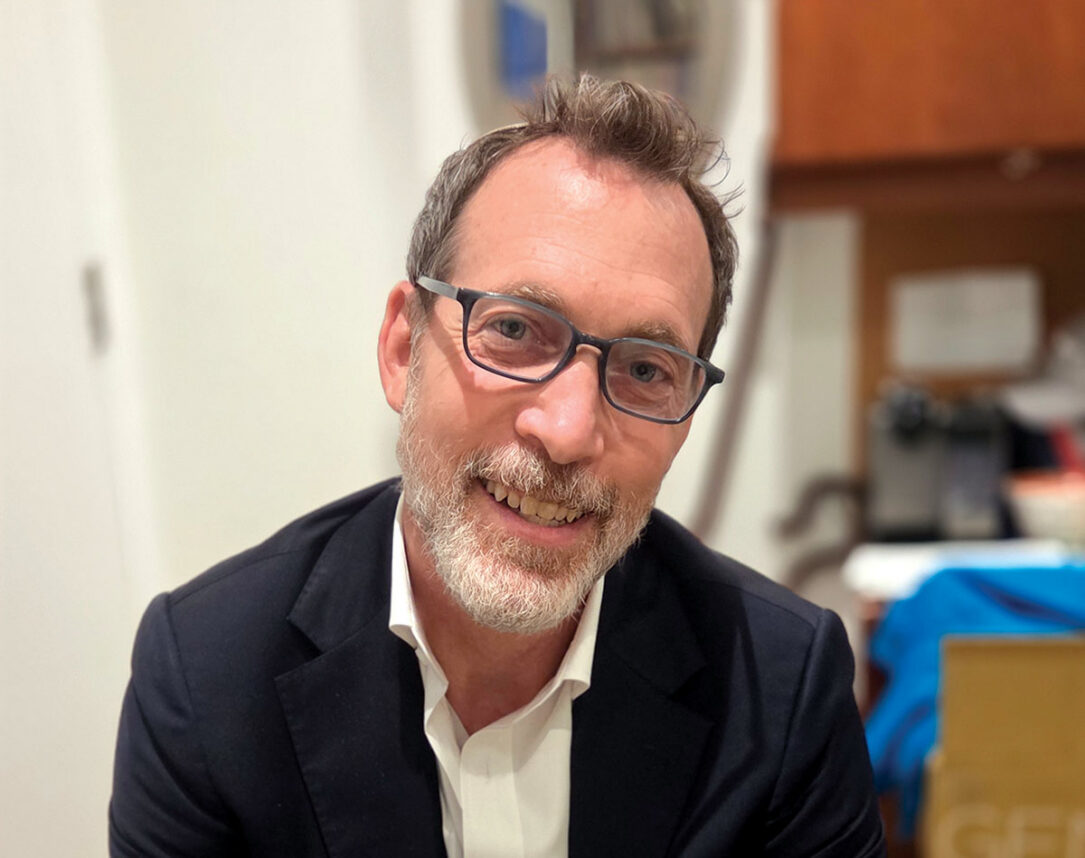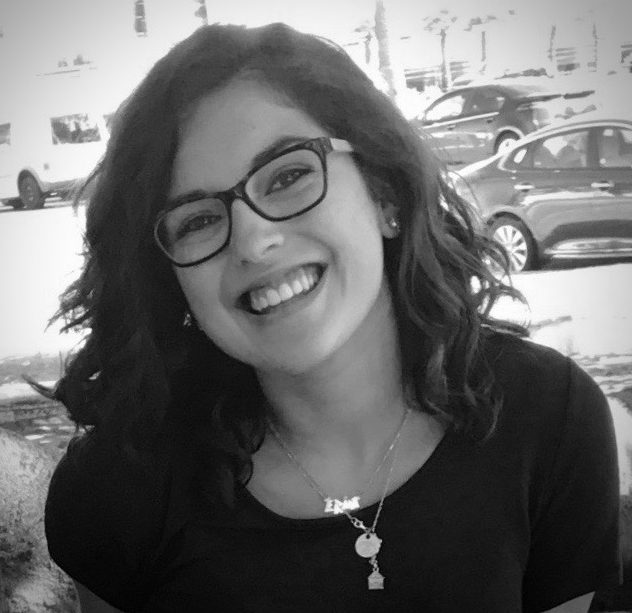

Robby Hoffman sees what she wants in life and takes it, even if it’s a prime corner table at the Intelligentsia coffee shop in Silver Lake. Sipping on her Americano, the self-described ex-Chasidic queer stand-up comedian and writer says she discovered her passion for stand-up after graduating from McGill University, where she studied business.
Due to her sheltered upbringing, she had never heard of the great comedians of the 1980s and ’90s, so “I had this unique experience of falling in love with stand-up [while] at the same time learning about it,” Hoffman told the Journal.
Leaving behind her Orthodox life, Hoffman said, “I watched Ellen [DeGeneres] specials for the first time.” Seeing Eddie Murphy perform, she said, “They should do something with this guy. He’s amazing.”
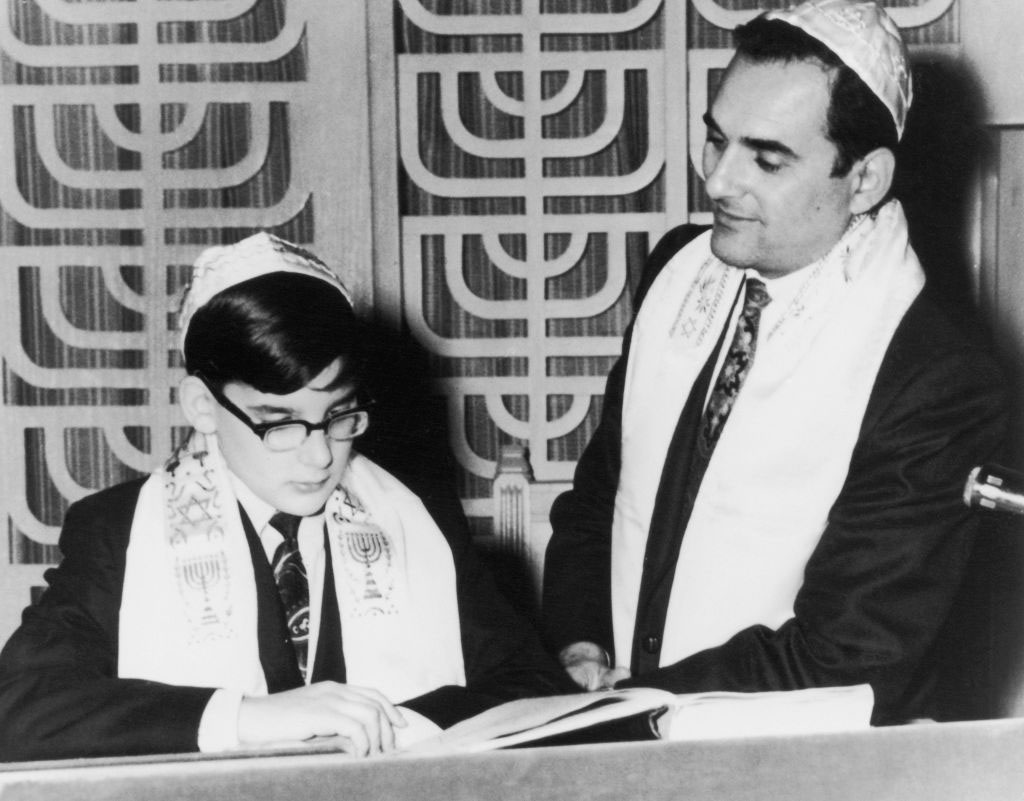
The seventh of 10 children, Hoffman was raised by a single Chasidic mother — first in Brooklyn and then in Montreal in the mid-’90s. She said her relationship with Judaism felt “forced” growing up because it was something she was told to do. In Montreal, Hoffman said the family became less observant, or what she terms “Lubavitch Conservative.” She also felt alienated because she was gay and her Jewish school was closed-minded, so she walked away from Judaism. But she found her outlet in comedy.
After performing amateur bits for friends at dinner parties about subjects like bus passes, her mother and school lunches, Hoffman realized her stories could be transformed into a cohesive set.
“In that moment, I did say I was gonna do stand-up,” Hoffman said, adding that her friends “didn’t look at me like I was crazy or anything; they just were kind of, ‘Oh, yeah, that makes sense.’ ”
After performing amateur bits for friends at dinner parties about subjects like bus passes, her mother and school lunches, Hoffman realized her stories could be transformed into a cohesive set.
Today, Hoffman says she recently returned to her Jewish roots and is “very Jewish and very gay.” She still draws on her unique upbringing in her routines, including everything from growing up poor and becoming tired of eating pizza all the time to eating more dried apricots than regular apricots, to trying to catch the bus. She also uses her sets to talk about her religious upbringing and life as a gay woman in Los Angeles.
“[Coming out] was fine,” she said. “I wasn’t Orthodox by then. I was outed at 18 at school [in Montreal], so I knew my family would maybe start to find out, and so I just told my mother, ‘Hey, Ma, I’m gay. I have a girlfriend. She’s blonde.’ And she’s like, ‘Does she want to come for Shabbos?’ And I said, ‘Nobody wants to come.’ It went really, really well. It was cool.”
Professionally doing stand-up for eight years now, in 2018 Hoffman was named one of Comedy Central’s “Up Next” comedians and appeared on Conan O’Brien’s “Comics to Watch” list. She has a one-hour stand-up special, “I’m Nervous,” recorded by Crave TV, and also has provided her TV talent in the writers’ rooms of “The Chris Gethard Show,” the Netflix series“Workin’ Moms” and PBS’ “Odd Squad,” for which she received a Daytime Emmy Award in 2019.
It’s a far cry from her first stand-up routine at an art loft in Montreal, shortly after she graduated from McGill. Hoffman recalls the performance, saying at the time she was a “good girl” who had never been exposed to copious amounts of cigarette smoke and alcohol, unless it was a kosher bottle of wine. She said she almost fainted, which led to her walking offstage, unable to finish her set.
After pulling herself together, she asked the stage manager if she could try again but was told to come back another time. She did and eventually became a club regular. “It was unreal,” she said. “It was a great workshop.”
It’s also where Hoffman, who now has lived in Los Angeles on and off for three years, said she found her voice. “People are always talking in comedy about finding their voice,” she said. “I think that’s what I had first.”
That voice has propelled her in a male-dominated industry.
“Men would tell you what you should be doing. They love to do that,” Hoffman said. “I was funny right away. I’m confidently saying that just because it’s the truth. After that first botch of a show, I came in hot. And people would say, ‘You can’t be funny until 10 years in.’ It’s like this thing that male comics [say] to make themselves feel better about where they’re at.”
At a time when streaming services now release dozens of comedy specials monthly, Hoffman is excited to be working in this new era of stand-up.
“We get to be like music,” she said. “You might be into rock, you might be into hip-hop, you might be into R&B. Comedy gets genres now. You might be into absurdist comedy, slapstick comedy. It’s exciting. We are in another big era [of comedy] where now there are a lot of women. We are really here and we are really funny. And we always have been.”
Check out Robby Hoffman’s upcoming gigs at her website, @RobbyHoffman on Instagram and @iAmRobbyHoffman on Twitter.