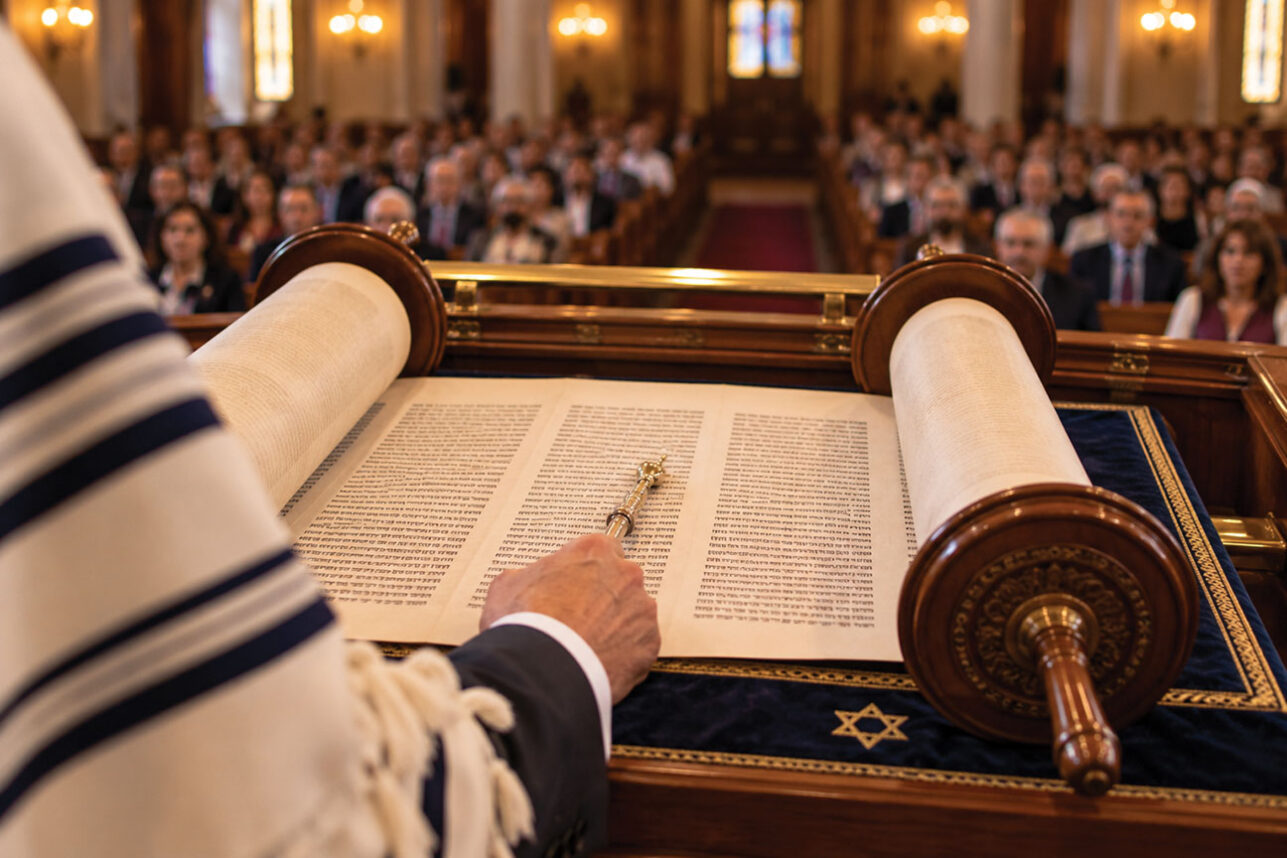
Rain and clouds greeted Southern California’s annual Holocaust Remembrance Day, while sunshine welcomed a gathering of World War II veterans and the Shoah survivors whom they liberated from concentration camps.
“Our remembrance ensures that the truth never will be forgotten; this time it might not happen to Jews but to other minorities in the world,” said Holocaust survivor and philanthropist Jona Goldrich, chair of the Los Angeles Holocaust Monument at Pan Pacific Park in the Fairfax District. The monument was seen by some of the 2,000 private and public school students who came to the park’s May 5 Yom HaShoah event.
Three days later, the Museum of Tolerance and the Simon Wiesenthal Center hosted about 600 people for a short March of Gratitude down Pico Boulevard, honoring Allied veterans. In contrast to the rainy, emotionally darker Yom HaShoah event, the march’s generally upbeat mood and sunny weather played perfectly last Sunday — the 60th anniversary of Europe’s liberation on May 8, 1945, V-E Day.
Rabbi Marvin Hier, Simon Wiesenthal Center dean and founder, noted that Holocaust and V-E Day gatherings — separated by just three days each May — reflect the world during World War II.
“Soldiers on the one hand, survivors on the other,” he said.
One distinction between World War II’s 50th and 60th anniversary events has been the toll of the 10 years between 1995 and now. About 50 survivors stood up at the Pan Pacific Park event, and the Museum of Tolerance gathering honored concentration camp-liberating veterans approaching their 90s.
“I’m getting older; I’m 87 years old and it’s getting difficult,” said Maurice Weinstein, a jeweler who served in Belgium’s independent brigade with Allied forces. “I lost all my family to the Germans.”
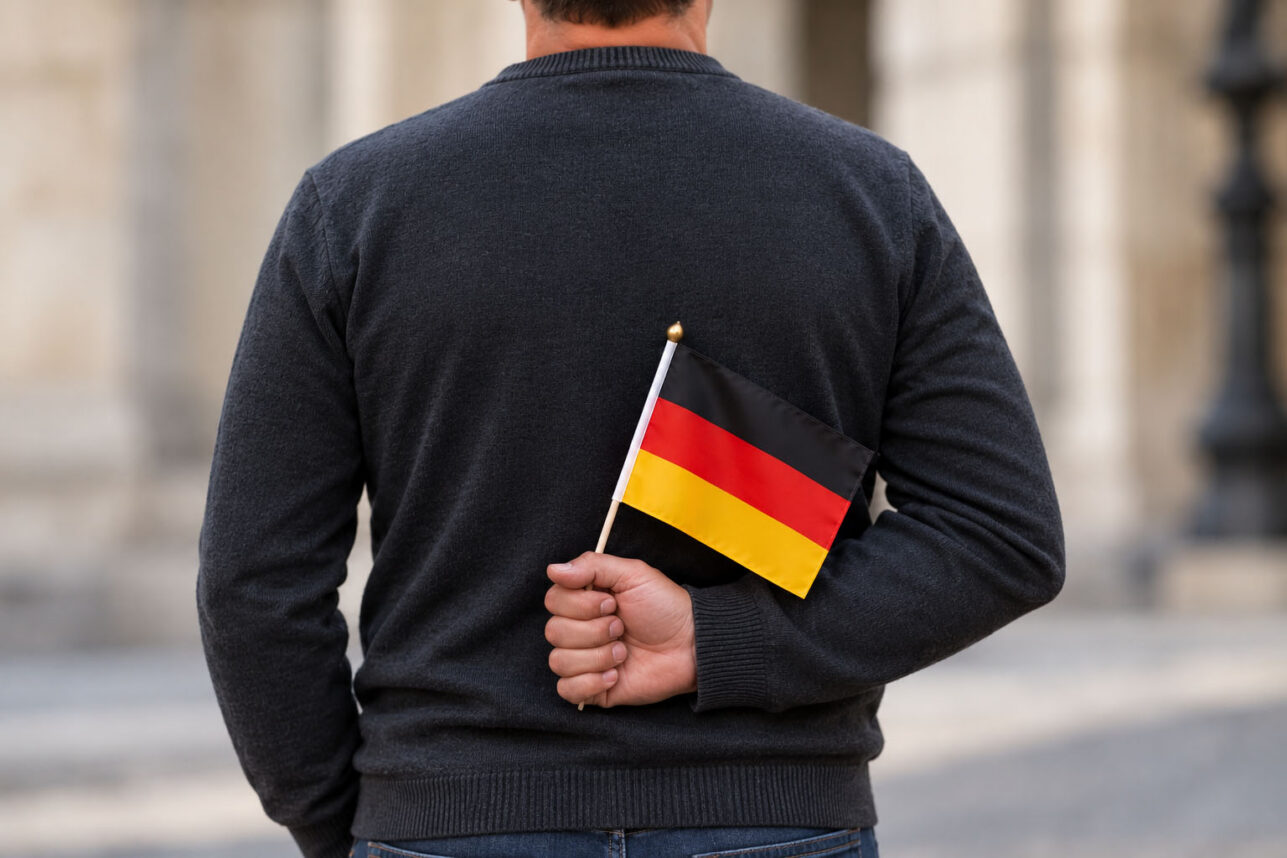
Attending the Holocaust and V-E Day events were Belgian, Croatian, French, German, Hungarian, Israeli, Latvian, Lithuanian, Polish and South African diplomats. Also walking in the V-E Day march was Hans Wendler, the consul general of Germany in Los Angeles.
“I come here, of course, with mixed feelings. Nobody likes to celebrate the defeat of one’s own country, but we have to accept the bitter truth that the Germans were not able to liberate themselves from the Nazis,” said Wendler, whose prior diplomatic postings included Germany’s embassy in Israel. “I have come here to express my gratitude that the Allies sacrificed so much blood to liberate us from the Nazis.”
Both remembrance events had political overtones dominated by the current L.A. mayor’s race. Like at the V-E Day remembrance, Los Angeles Mayor James Hahn spoke at Pan Pacific Park, saying; “We’re here in one place showing that humanity can do better.”
Mayoral candidate and Los Angeles City Councilman Antonio Villaraigosa presented a veterans’ proclamation at the V-E Day gathering and, like Hahn, spoke there and at Pan Pacific Park. But at the park event, Villaraigosa was not listed in the official printed program as a speaker. Instead, he spoke after the mayor and was introduced as speaking “on behalf of the City Council” — a curious choice of words, because the council as a whole usually is represented by City Council President Alex Padilla, who was at that same Shoah remembrance.
State Insurance Commissioner John Garamendi, a Democrat running for lieutenant governor next year, took a veiled swipe at Republican Gov. Arnold Schwarzenegger’s praise last month for the self-appointed “minutemen” patrolling Arizona’s border.
“The brown shirts of Nazi Germany in the 1930s and the minutemen of America today both targeted minorities,” he said.
The governor did not attend the Museum of Tolerance or Pan Pacific Park events but he issued a proclamation declaring May 1-May 8 as “Days of Remembrance.”