
The conventional wisdom in journalism is that if you don’t have angry readers, you’re doing something wrong. I can’t tell you how often I’ve heard this line — “If you get angry letters from the right and angry letters from the left, then you must be doing something right.” It’s as if having angry readers has become a badge of honor, an inevitable sacrifice for a greater good.
As much as I understand that sentiment, I still ask myself: Is it possible to please all segments of the Jewish community when you run a community paper? This question weighs on my mind because I love every segment of our community, and I like the idea of trying to please and nourish all of them.
It’s as if you are all guests at my Shabbat table, and I want you to enjoy the experience.
Of course, pleasing people was a lot easier when I was in the advertising business, which is all about making consumers feel good about buying a product.
But journalism is different — you can’t avoid controversial and divisive issues. I saw this when I started writing my weekly column 11 years ago. I still wanted to please my readers, but I held some strong views, which often would diverge sharply from the views of many of those readers.
So, I had to balance my need to please with my need to be honest. In searching for that sweet spot, I tried to express my opinions without triggering anger or animosity.
How do you provoke thought without provoking anger?
I reached out to people who had different worldviews, religiously and politically. I listened. I engaged. I wrote about them. I told their stories.
When I wrote political columns that displeased my friends on the left, it wasn’t uncommon to hear: “Hey, David. I didn’t agree with your last column, but I enjoyed reading it.” (That, by the way, is one of the best compliments you can give a writer.)
Occasionally, I would get a nasty letter. It could be from one of my buddies on the right (“Suissa, don’t go left on us!”) or a stranger from the left (“You right-wingers just don’t get it!”). But these were surprisingly rare.
Over the years, I grew to enjoy this weekly dance. I also learned the art of timing. Some moments, I learned, are just not conducive to unpleasant arguments. The Shabbat table is one of them. We have the whole week to argue. Shabbat is a great time for bonding. And I bonded with Jews from across the political and religious spectrum. I’m sure the Moroccan food helped.
I was gliding along comfortably in this weekly rhythm, when, one day, the stakes suddenly rose. I was offered the position of editor-in-chief at the Journal. So, after 11 years of being responsible for only 800 words a week, I would now be responsible for … about 30,000.
Oy.
If you think it’s difficult to please readers with one column a week, try it when you’re held responsible for 50 or more pages a week. How would I pull this off?
The real challenge, I have learned, is this: How do you appeal to all segments of the community without serving up mush and fluff? How do you provoke thought without provoking anger? How do you deal with the most sensitive issues without being divisive?
Ultimately, of course, you will be the judge.
From my end, after three weeks on the job, I can share a few insights.
First, when you’re dealing with controversial issues, it’s a good idea to print both sides of the argument in the same edition — and on the same page. This conveys instant impartiality. Publishing opinions without opposing views only nourishes the anger of those in the opposing camp.
Second, it’s important to find voices who struggle with the truth. These voices don’t claim to have all the answers. They value doubt. They consider all sides of an argument before leaning to one side. They’re not easy to pigeonhole.
Third, and not surprisingly, it’s crucial for a community paper to be all-inclusive. This is especially true in a city with the diversity of Los Angeles. I can say I’m blessed to have tasted this diversity for the past decade as I’ve written my weekly column. Now, I get to “cash in” on all those coffees and lunches and salons and Shabbat dinners with Jews from across the spectrum. I’m making a lot of phone calls.
Diversity, however, doesn’t apply only to people; it’s also about the subjects we cover. That’s something else I’m learning: We’ve become so obsessed with one subject — politics — we seem to lose sight of how much more this world has to offer.
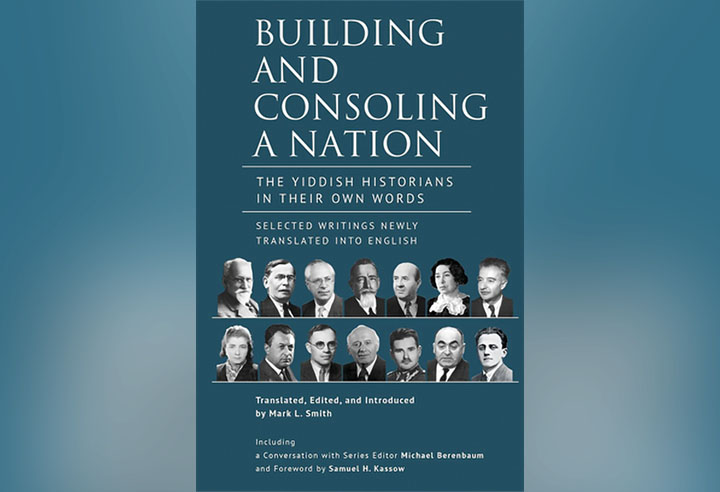
As you’ll see in this week’s issue — where we cover topics ranging from current events to history to culture to Torah to food — we take this diversity seriously.
We don’t want to just be a mirror, we also want to be a window.
Needless to say, diversity in a Jewish paper includes the Jewish tradition.
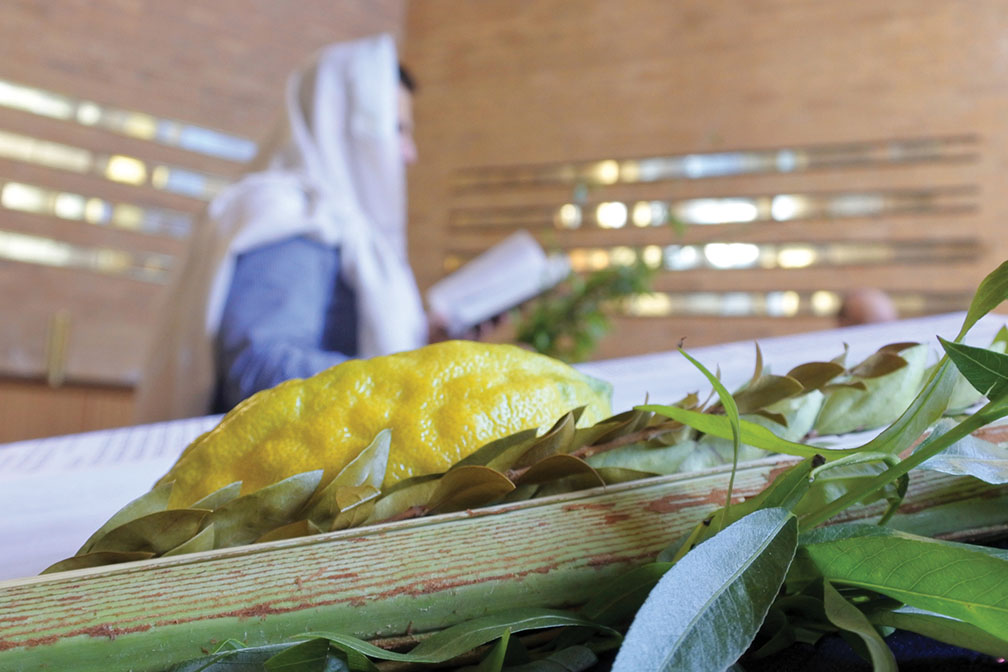
I will write a separate column one day on the intersection of Judaism and journalism. For now, I want to leave you with this thought: Even though the majority of our readers may not sit around a Shabbat table every Friday night, we still want to celebrate the beauty of that ritual, as well as other rituals of our Jewish tradition.
In other words, we don’t want to be just a mirror, we also want to be a window. We want to challenge our readers to look beyond their own customs and traditions, whatever those are. Challenging our readers to open their minds to new ideas may not always be comfortable, but it’s another way we think we will please you.
Shabbat shalom.