HIAS was established 135 years ago to protect Jewish refugees who were fleeing the pogroms of Czarist Russia. Today, we remain true to our original mission of refugee protection. We are helping people who have fled their countries because their lives were in jeopardy due to who they are or what they believe.
[Abraham H. Miller: HIAS should return to its roots]
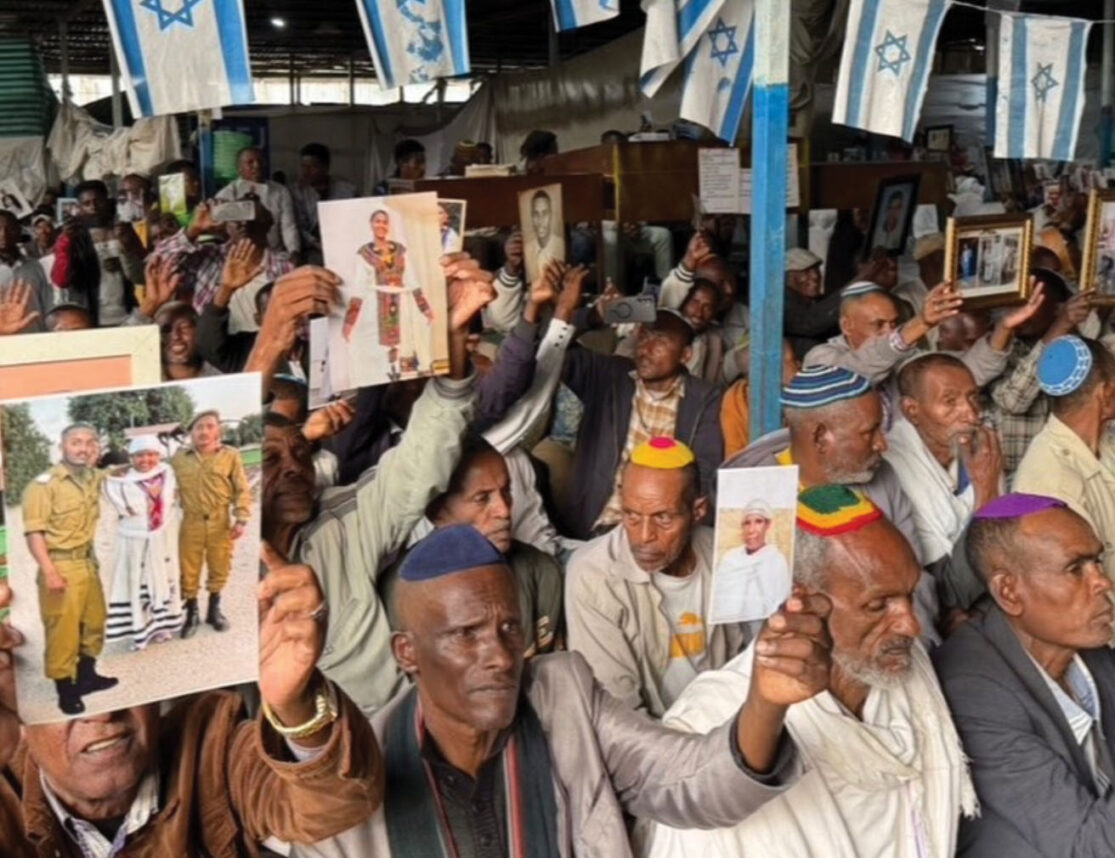
When there are refugees who are Jewish, HIAS is still there to make sure they receive help. In the past year, HIAS brought Jews from Iran, the Middle East, Ukraine, and other parts of the former Soviet Union to safety and freedom in the United States.
Yet, some in our community continue to ask, why are we helping refugees fleeing genocide, even when they are not Jewish? Thankfully, the Torah provides us with a clear answer.
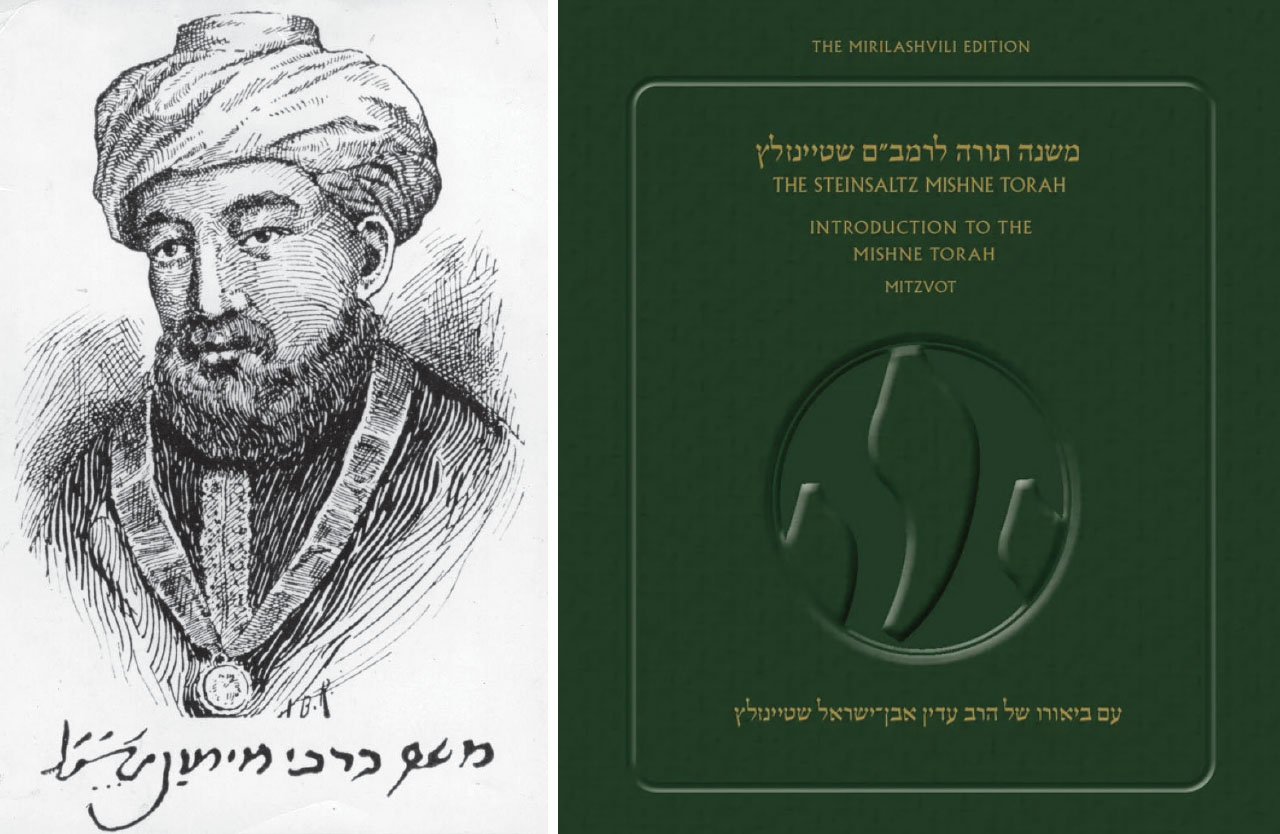
Our most sacred text delivers a universal message about Jewish commitment to human rights and refugee protection. We read 36 times about the commandment to love the stranger as ourselves, for we know the heart of a stranger, as we were once strangers in the land of Egypt.
Assisting refugees of all faiths and ethnicities is not just a fulfillment of the values imbued by our holiest scripture, it’s a recognition of our people’s own Exodus experiences. The American Jewish community’s very existence is rooted in the windows of time when the United States opened its doors to refugees. Remaining silent while others seek the same opportunity to live in safety would be morally reprehensible.
With the largest number of refugees and displaced persons in recorded history, our mission is as relevant as ever—because of our roots. That is the only reason HIAS does what it does. Not for profit, but out of love and a commitment to our Jewish-American values.
Yes, HIAS (along with eight other mostly faith-based agencies) does receive government funding to subsidize these efforts, but we do not make a profit. HIAS’ local resettlement sites receive $2,075 per refugee with which we must pay our staff and overhead while providing the refugee with transportation, a fully furnished apartment for three months, a kitchen stocked with food, English lessons and cultural orientation, a cash allowance, assistance with school enrollment, and job placement services. There is no profit; we rely heavily on local volunteers and private donations.
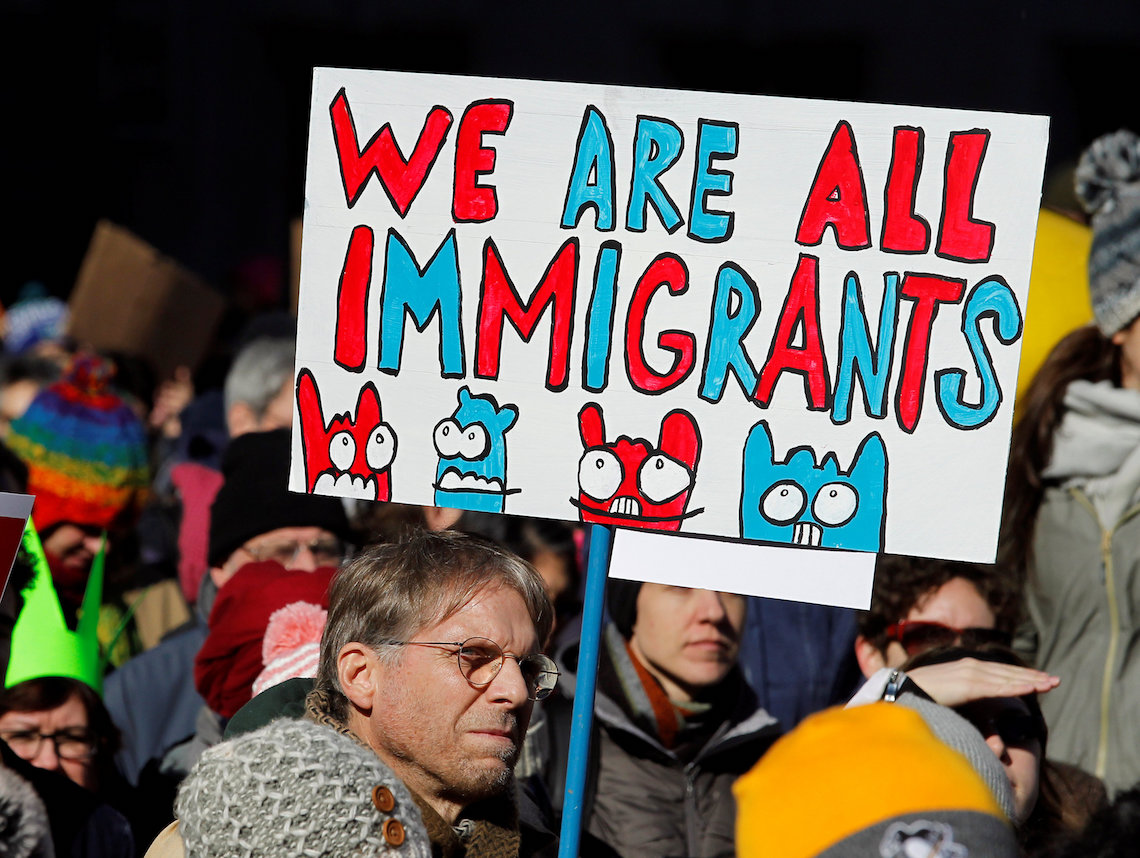
An America that does not welcome refugees is not an America that most American Jews recognize. Just ask the hundreds of congregations, nearly 2,000 rabbis, or thousands of supporters who attended our National Day of Jewish Action for Refugees.
We will not stand on the sidelines as Muslim refugees are turned away just for being Muslim, just as we could not stand idly by when the U.S. turned away Jewish refugees fleeing Europe during the 1930s and 40s. When we say, “Never again,” we mean never again for everyone.
We cannot protect ourselves by being only for ourselves. We can only protect ourselves by protecting and implementing universal principles of human rights. If we acted only when Jewish refugees were in danger, as opposed to constantly advocating for the protection of all refugees, it wouldn’t only wrong, it would be a rejection of our refugee roots.
Mark Hetfield is the President and CEO of HIAS, the global Jewish nonprofit that protects refugees.