One of the blessings of the New Year is that it encourages us to see old things in new ways.
Take the word “hate.”
The word captures the alarming rise in animosity toward Jews and Israel.
Why did Hamas massacre 1200 Israelis on Oct. 7? Because they hate Jews.
Why do Iranian mullahs dream of eradicating the Jewish state? Because they’re filled with hate for Israel.
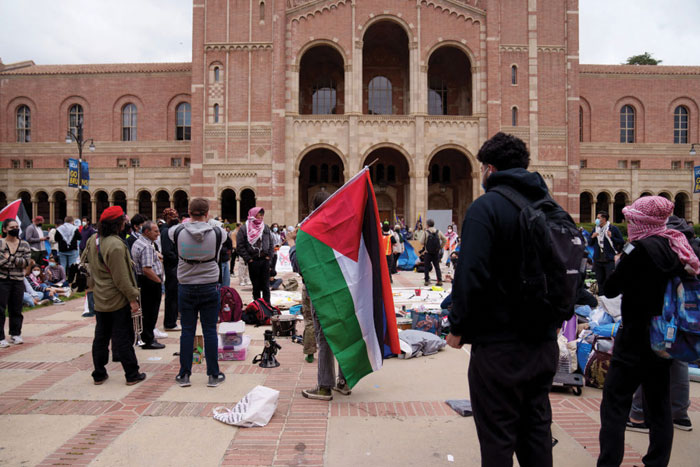
Whether it’s on college campuses or fashionable movie festivals or in U.N. bodies, the assault on Jews and the Jewish state is colored with hate.
In that view, hate is an exterior threat.
But with the introspection we go through during the Holy Days, we can see that hate is also an inside threat. It’s a personal act. We reflect on the moments during the past year when we may have gotten carried away with hate and anger, and we atone.
Since the introspection is so personal, we’re also more conscious of what can lower us and what can elevate us.
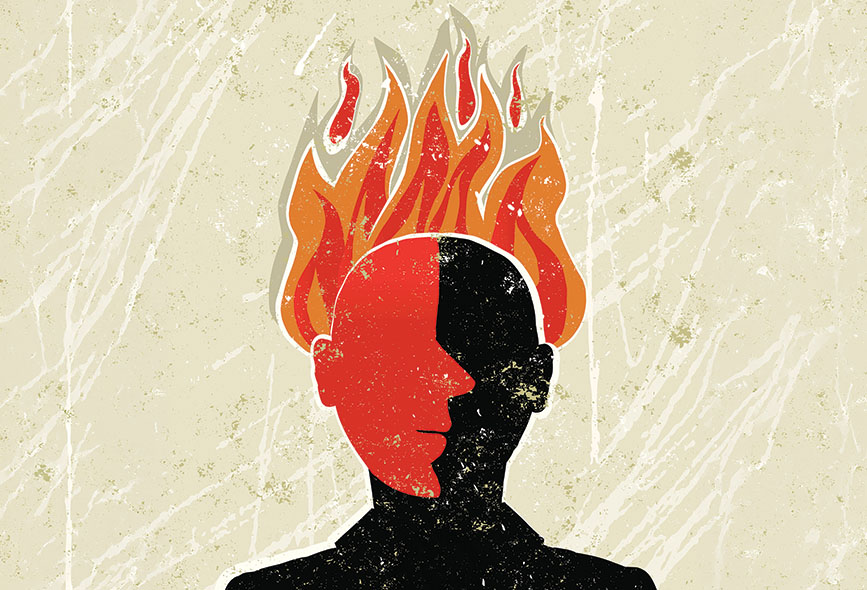
Hate lowers us. It diminishes us. It can even destroy us.
“To be free, you have to let go of hate,” the late Chief Rabbi Jonathan Sacks wrote. “Hate harms the hated, but destroys the hater.”
Sacks argued that allowing resentment to define one’s identity prevents true liberty. We must live with the reality of hate but not live in it.
“The wisdom of Moses’ command not to despise Egyptians still shines through today,” Sacks wrote. “If the people had continued to hate their erstwhile oppressors, Moses would have taken the Israelites out of Egypt but would have failed to take Egypt out of the Israelites. They would have continued to be slaves, not physically but psychologically. They would be slaves to the past, held captive by the chains of resentment, unable to build the future.”
The Rabbi’s teaching suggests a new look not only at hate but at Jew-haters.
Yes, they’re a threat.
Yes, it would be better if there were fewer of them.
Yes, we must stay vigilant and confront them.
But do we want to hate like they do? As we confront the haters, we ought never forget that “hate destroys the hater.”
“The Jewish people have lost more than most nations have ever built,” More Edge Insight posted on X. “We are not just any people. We are one of the elders. We have outlasted empires that once thought they would last forever. Babylon. Rome. The caliphates. The Third Reich. They are chapters. We are the book.
“There are still only about 16 million of us in a world of 8 billion. We have one small country we never stopped belonging to. The most widely read book in human history is a book about our people. We are loud. We are proud. And we will never apologize for still being here after so many tried to make sure we wouldn’t be. That is why some cannot stand us. Not because we are powerful. Because we survived them. Because their civilizations rose by the sword and vanished, and we are still lighting candles on Friday night.”
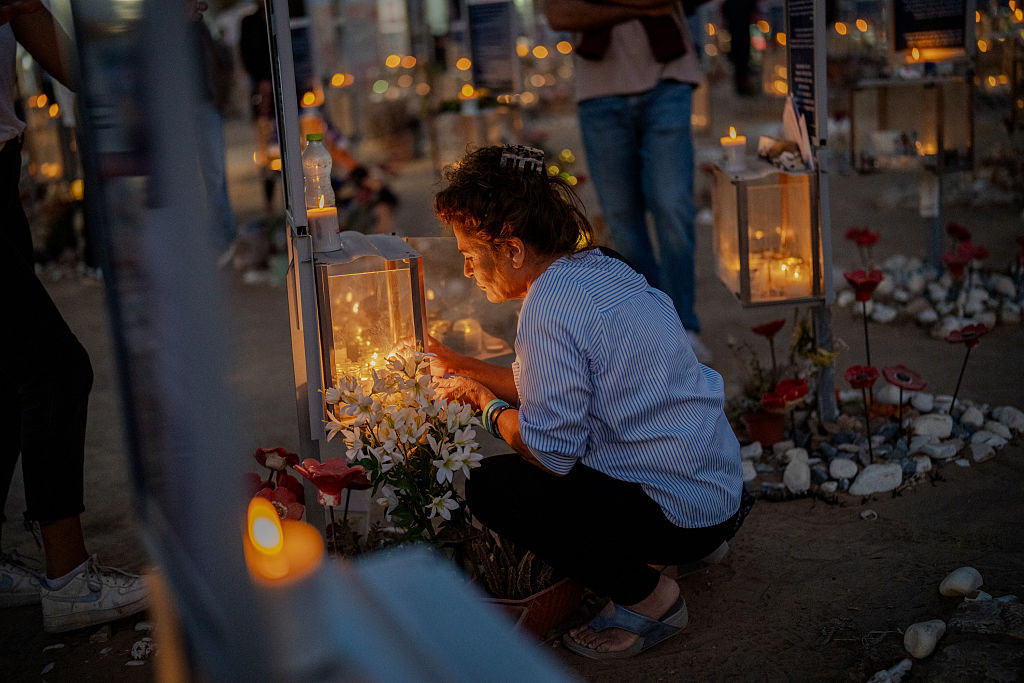
They hate, we light Shabbat candles.
While it’s natural to bemoan the hate that comes our way, we can be grateful that we’re not the ones doing the hating; that we’re not allowing hate to corrode our souls; that we still have the wisdom to be happy.
“Because gratitude is the key to happiness, anything that undermines gratitude must undermine happiness,” Dennis Prager wrote in last week’s Rosh Hashanah cover story.
Dennis, who has written a book on happiness, taught that hate and resentment can only undermine gratitude, which can only undermine our happiness.
If ever there was a silver lining for the alarming rise in Jew-hatred, let it be the karmic prospect that the act of hating undermines the happiness of the haters.
Happier than the haters?
I’ll take that any day.