Jewish holidays are not meant to be hit and run affairs. After we go through the rituals and reflect on the lessons of a holiday—whether it is Passover, Succot, Hanukkah, Rosh Hashanah or any other-—we’re not supposed to just “move on.” We’re meant to internalize the lessons and incorporate them into our everyday lives.
The Kotzker Rebbe once commented that “keeping” the Shabbat also means “keeping it with us” during the week, when it matters most. If Shabbat is meant to reconnect us with our better and holier selves, we ought to aspire to that higher state in our daily lives.
Rosh Hashanah, the Jewish new year, has a specific purpose— to serve as our individual and annual moral accounting where we commit to not repeat the sins and mistakes of the past.
The problem is that human nature makes it easy to forget. We forget our sins, we forget our commitments, we forget our promises to God.
That’s why we ought to welcome any opportunity to refresh our memories.
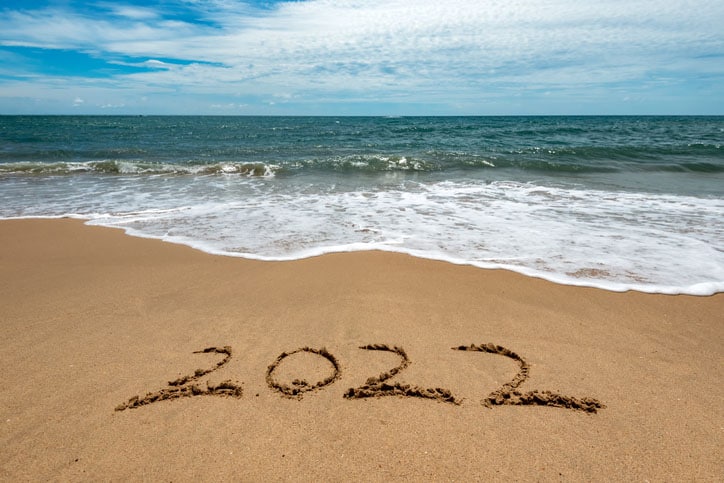
As we enter 2022, the secular new year offers such an opportunity. Instead of simply making new year resolutions, we can check in with our Rosh Hashanah resolutions from three months ago and make a personal assessment: Have we followed through on our promises and commitments? Have we improved as we said we would?
Have we followed through on our promises and commitments? Have we improved as we said we would?
In his commentary on this week’s parsha, Matthew Schultz writes:
“Much better to be a part of the world, to be mixed up in it, to be porous. To be so means that we are capable of change, of being confronted by the other, of being addressed by God. To be so means we are capable of teshuvah—repentance—and real transformation.”
Our ability, our innate power, to repent, transform and renew ourselves is a crucial component of the Jewish new year, one that is always worth revisiting.
So, as we say goodbye to 2021 and welcome 2022, let’s include a review of our Rosh Hashanah resolutions from 5782. And let’s not be too hard on ourselves if we fall short. We’re on a journey with many twists and turns and stops and rest areas.
It’s surely divine timing that this year, we will count down the secular year during the Jewish day of rest.
One of those sublime rest areas is Shabbat. It’s surely divine timing that this year, we will count down the secular year during the Jewish day of rest. I can’t think of a better time to revisit the annual ritual of personal renewal than during our weekly day of renewal.
May we continue to renew ourselves in 2022, and may we remember to keep the Holiday lessons with us in our everyday lives, when they matter most.
Shabbat shalom and Happy New Year.