
Making sense of today’s oddities might be easier if one could put them in the context of 19th-century romantic novels, which depict that era’s social mores of class and caste, and the tragedies that befall those who take them all too seriously.
The rigid social classes of the 1800s have been replaced with an equally rigid system of “intersectionality,” whereby a person’s power and privilege are determined by the amount of melanin in their skin. Those on the lower rungs of the new caste system must adhere to intersectional ideology in order to compensate for being born with the “wrong” skin color. Strict adherence results in high-society acceptance and a scar-free reputation. A person with high melanin tones is encouraged to opine about any subject — unless their views fall outside accepted dogma.
Jussie Smollett, the “Empire” actor, is accused of taking these new rules too seriously by falsely reporting himself as the victim of a racially motivated attack. Apparently, no one told him there are still lines that can’t be crossed. And really, why would he think there would be? He only took intersectionality to its logical conclusion.
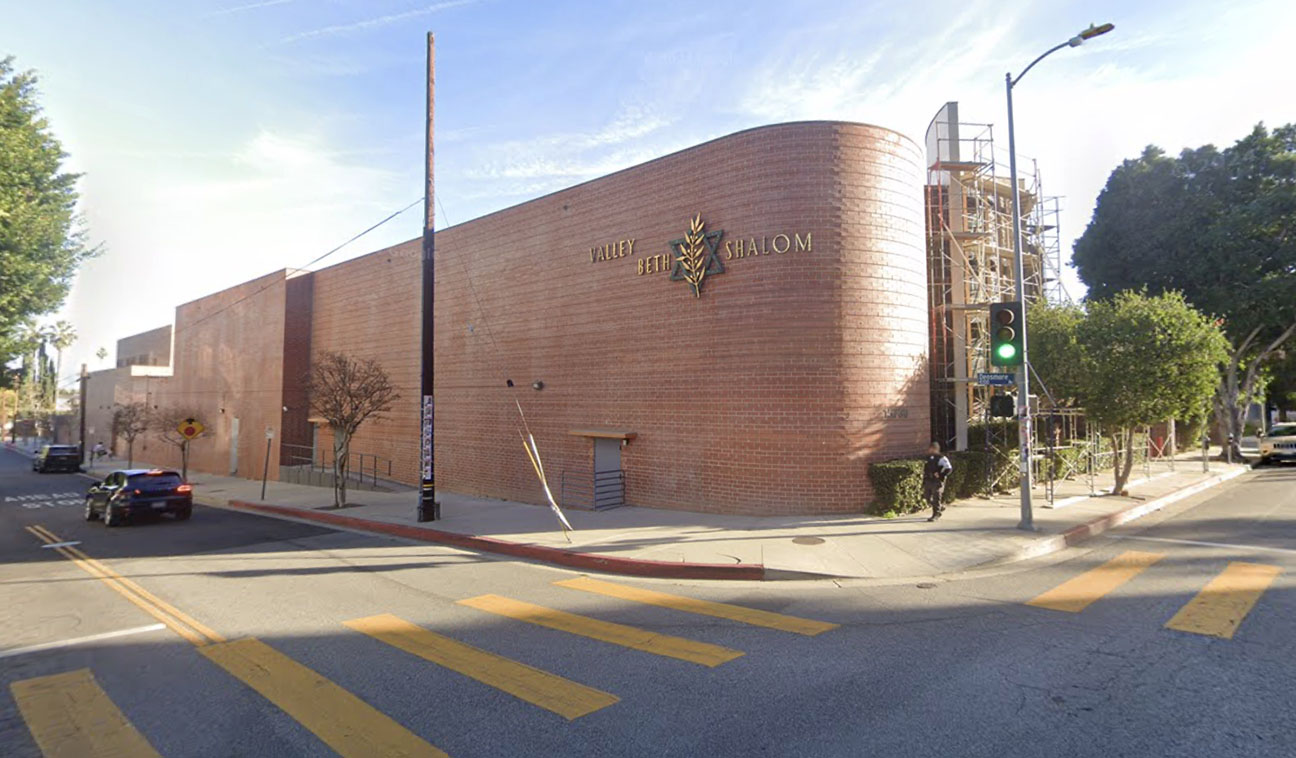
Meanwhile, this new era’s tragicomedies are hitting Jews who are desperate to fit in. Despite the melanin in our skin, we are constantly being told that we are white, white, WHITE! As such, we must take our place in the back of the room, at a separate table, in constant repentance. We are told we have no say in anything, even — especially! — if the subject is anti-Semitism. We are encouraged to malign one another as viciously as possible. Malign a fellow Jew, gain a status point.
“The whole point of suddenly making Jews white, white, WHITE is that we are then incapable of being targets of racism.”
It’s not surprising that such attitudes have contributed to soaring increases in reports of anti-Semitism. Yes, it is illegal in the intersectional guidebook to make a connection between the new caste system and anti-Semitism. After all, the whole point of suddenly making Jews white, white, WHITE is that we are then incapable of being targets of racism.
I know I will be duly punished for this column, both by my fellow Jews (eager to score a week’s worth of status points) and non-Jews (eager to be, well, anti-Semites). But it’s hard to look at the anti-Semitic incidents in New York City alone — reaching almost 50 in less than two months — and not come to this conclusion.
Perhaps the saddest part of this intersectional nightmare is how it threatens to take us back to a less-perfect time. My son and his friends are living Martin Luther King Jr.’s dream. They gather at school or in Central Park, unaffected by one another’s skin color or ethnicity. The other day, as I watched them playing football with two boys from Mexico, I kept thinking of the film “The Perfect Game,” about a group of Mexican boys in the 1950s who struggled against racism when they came to the United States to play baseball.
We have come so far since the ’50s, and yet intersectionalists are desperate to take us back. Why? I can only guess. But perhaps they need to revisit what real racism was so they can understand the horrific damage they’re doing right now.
Regardless, as Jews — because we’re Jews — we need to end this intersectional farce. As New York Times columnist Bari Weiss said during a recent speaking engagement at a Manhattan synagogue, Jews on the left no longer have the luxury of staying silent. Just as important, we need to regain pride in our heritage and our values that have brought so much light into the world. “We are used to being powerless,” Weiss said. “We now need to learn how to use our power — to create a Judaism of affirmation. This will light a fire in every Jewish soul.”
And if it doesn’t, Weiss warned with a reference to anti-Semite Jeremy Corbyn, who has been gaining power as the leader of Britain’s Labor Party: “A slow, insidious Corbynism is coming to America.”
Karen Lehrman Bloch is an author and cultural critic living in New York City.