Last spring, as I was walking alone to a Shabbat dinner in Pico-Robertson, no car was in sight when I stepped off the curb at Livonia Avenue and Pickford Street.
Then suddenly, there was.
In an instant, a driver of an SUV ran the stop sign and made a hard left turn. I remember putting up my hand to signal the driver to stop and the blinding light of its headlights shining through my fingers. I remember thinking, “I’m going to get hit.” And I did.
The SUV sped off.
The police said I was thrown 30 feet and left, gushing blood, in the street. The paramedics weren’t sure I would live.
The way I landed was miraculous. While the impacts of the collision broke, fractured or bruised nearly every part of me, my head didn’t hit the ground.
Today, I look as if no such thing ever happened. I’ve had a near-full recovery, except for what the incident left behind: the trauma of post-traumatic stress disorder.
On Yom Kippur we beg for life, fasting and praying to be sealed for another year. But do we engage in simple safeguards to treasure and protect the life we’ve been blessed with?
In the busy Pico-Robertson neighborhood, we act as if we’re in Mea She’arim, Jerusalem, where cars are prohibited on Shabbat. We have an abundance of speeding cars, and yet, on any Shabbat or Yom Tov evening, you see people walking down the middle of the street — families are pushing baby carriages, men in dark suits are strolling, and teenagers are goofing around.
When I asked a man why he was so engaged, he said he liked unwinding from the week and feeling the kedushah (holiness) in this way. A lovely thought, but our neighborhood is not a pastoral place, where humans are supreme over cars for even one day a week.
As the survivor of a horrific act, I have four essential lessons I’ve learned and want to pass on:
1. Do not walk in the street. You think you can be seen. You can’t. You think a car can stop fast enough to avoid hitting you. It can’t. You think you can get out of the way of a car fast enough. You can’t. You think this can’t happen to you. It can.
2. Wear reflective gear. We need to literally light ourselves up when we walk from shul in the dark. Since my injury, I’ve passed out hundreds of reflective vests from the 99 Cent Only Store. The recipient puts it on, thanks me profusely, and then never wears it again. Even my close friends who saw me near death think they have no need for such inexpensive, life-saving protection. But we all do. Purchase something reflective and wear it.
3. Memorize a critical emergency number. We used to know important phone numbers by heart, but our cellphones have made that unnecessary. While I was flat on the asphalt, going in and out of consciousness, thinking I would die from a broken rib puncturing my lungs before the paramedics could arrive, I screamed out my son’s phone number.
4. Immediately raise the uninsured/underinsured-motorist rider on your car insurance to the maximum. Los Angeles has more than 500 hit-and-run crashes a week and countless collisions where the drivers don’t flee. Most drivers carry the minimum insurance, which covers virtually nothing. Protect yourself financially.
We say the Shema before we go to sleep, in times of danger and before we die. On that first night at the hospital, I said to God again and again, with every ounce of conviction I could muster, “I’m not saying the Shema. I’m not leaving my children today. I am not dying today. I am not saying the Shema!”
It was my way to fight for my life.
And so, I ask: If God continues to bless you with more delicious, sacred, holy life, will you fight for your life, the lives of your family, and community?
I would like to be the last person injured by a driver in Pico-Robertson. Let’s all do the simple things that prove we choose life.
$25,000 Reward for Hit And Run The LAPD posted a $25,000 reward for information leading to the identification of the driver. We believe the car is a grey/silver Honda CRV SUV 20017/18. For more information and to be of assistance go to www.hitandrun90035.com
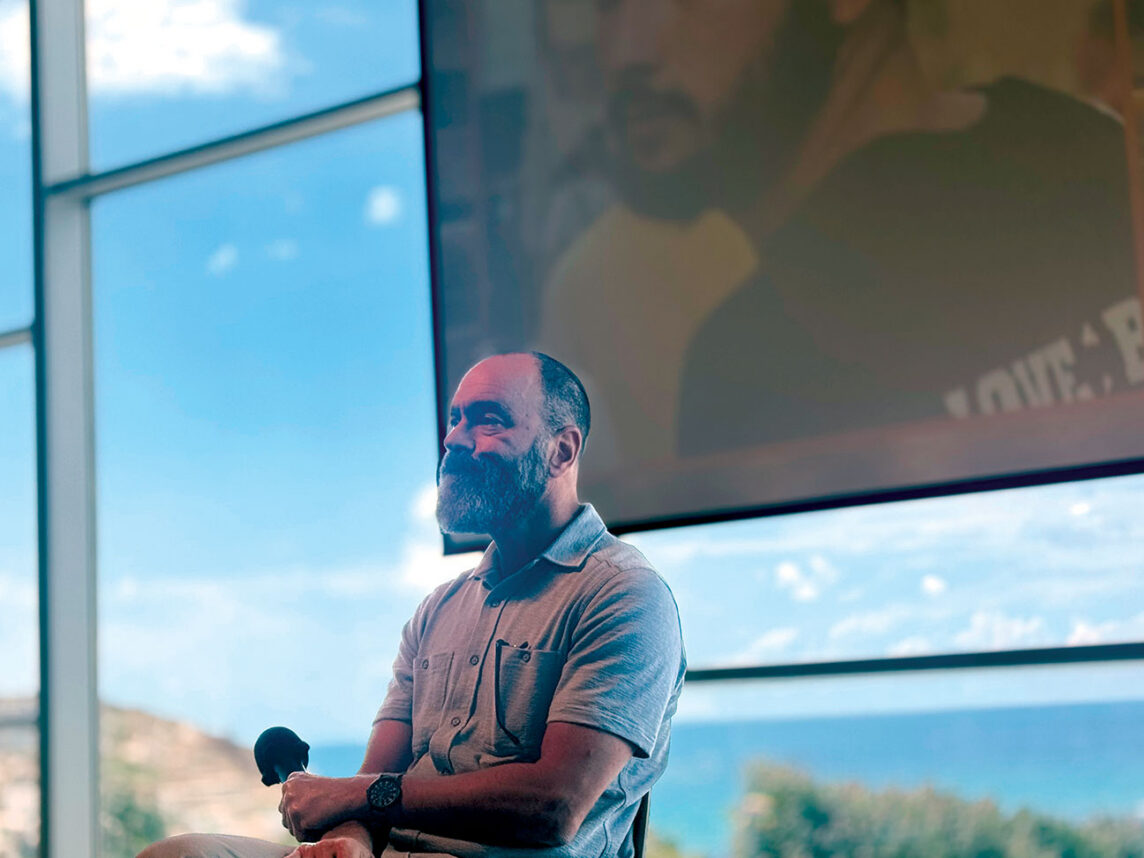
Sherri Ziff is a life coach, writer and motivational speaker.