
Last week I had a Zoom preschool class and a Zoom funeral on the same day. Each required a lot of muting and behind the scenes conversations making sure everyone in front of the camera acted appropriately.
I’ve learned how to Zoom semi-effectively. I know how to quickly clean the corner of my room people can see, to blow dry my hair for a nice occasion, to have good lighting, and to always wear some form of pants (pajamas are totally acceptable) on the bottom…just in case. In an instant humans have adapted to social life online and I’m wondering how awkward it will be when we’re allowed to do it in person again.
At first when society suddenly shut down there was a determined excitedness for how we would revel in having our restaurants and theaters back open, how we couldn’t wait to do EVERYTHING we were missing out on. As the weeks dragged on though I wondered if these things would be like riding a bike, would we remember how to do it, after being away from the world for so long? Or would we even have the same enthusiasm and interest in them once the ease of virtual half-attendance has become a habit.
Strangely, while there’s often no real excuse for not being able to join a social Zoom (I mean what other plans could you possibly have?) people are still totally fine excusing themselves. I’ve even had a friend tell me she was signing off to go watch TV. I don’t think she would have left an in-person coffee date so abruptly using those words, though she may have wanted to!
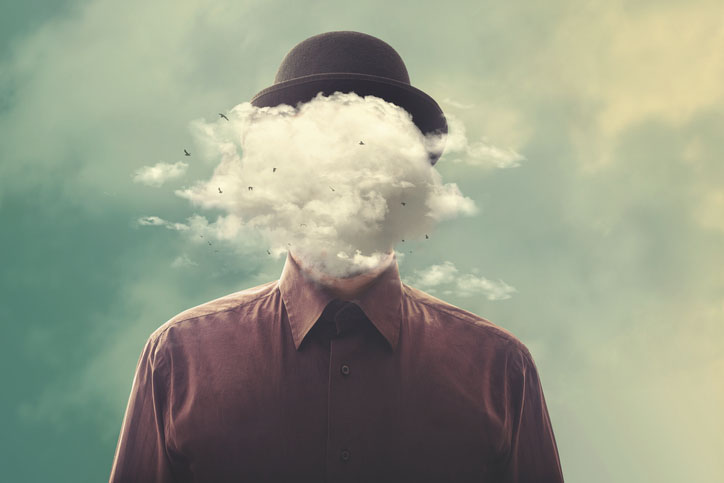
Older generations have always been quick to malign how we live attached to our phones, texting at meals and scrolling social media in meetings and classes when they drag. On Zoom you can get away with a lot more, especially if you’re muted. For a lot of us it’s created this detached atmosphere that I find tiring and most virtual interactions leave me feeling a bit more sad and a bit more alone than I did before I signed on.
So when “this all ends” will the pleasantries and warmth of in-person exchange return with it? Or will we all become accustomed to this awkward semi-there state of life? In the short term, even when we are able to see one another outside a screen there will literally be a physical barrier still between us, a face mask. Of course right now we’re in survival mode, it’s a luxury to contemplate these things, but when the time comes (and God willing it will!) I hope we’ll remember how to hug, how to linger, and how to just be together again.
Marion Haberman is a writer and content creator for her YouTube/MyJewishMommyLife channel and Instagram @MyJewishMommyLifepage where she shares her experience living a meaning-FULL Jewish family life. Haberman is currently writing a book on Judaism and pregnancy titled “Expecting Jewish!” released Winter 2019. She is also a professional social media consultant and web and television writer for Discovery Channel, NOAA and NatGeo and has an MBA from Georgetown University.