The Antisemitism We Keep Missing
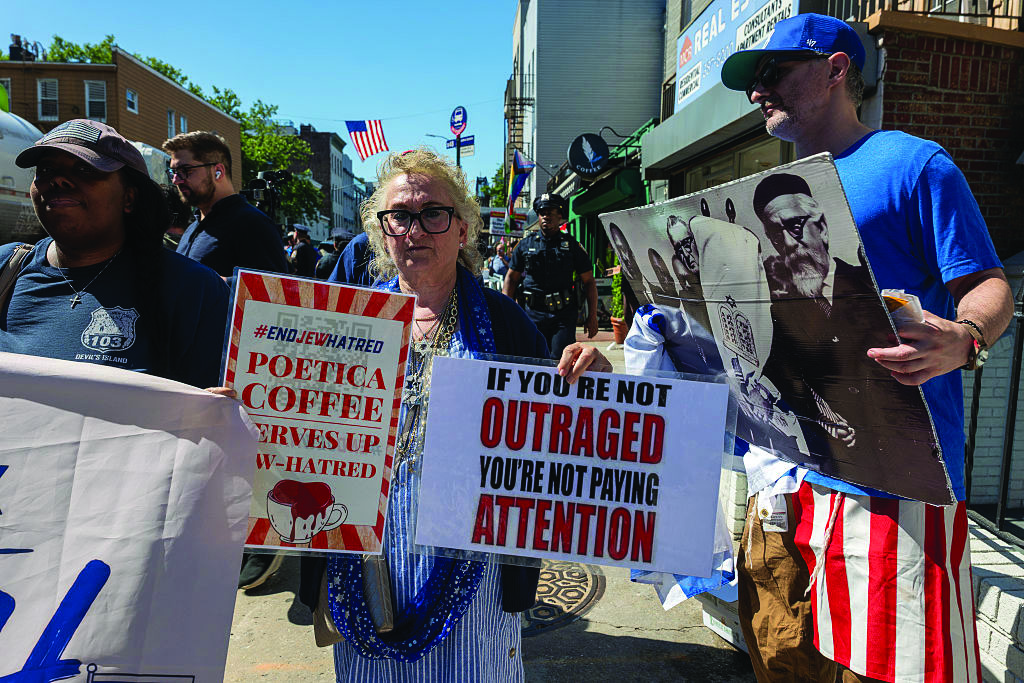
The struggle against antisemitism will be won, or lost, in the everyday spaces where people decide who belongs.

The struggle against antisemitism will be won, or lost, in the everyday spaces where people decide who belongs.

There is something in this people, covenanted to justice, to memory, to one another, that is impossible to extinguish.
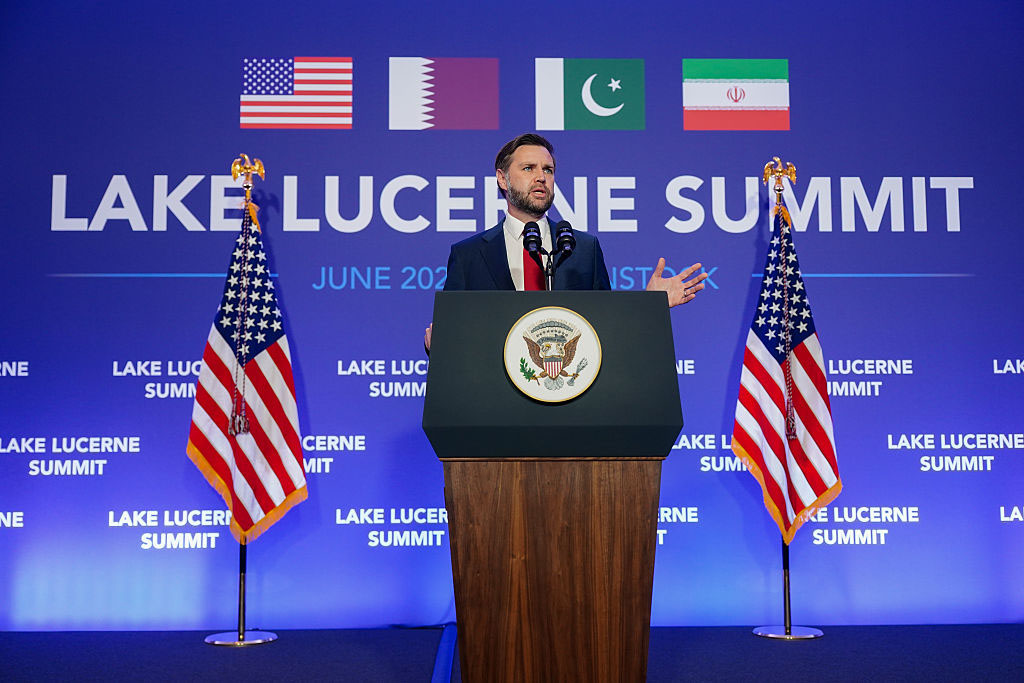
Americans – and Israelis in particular – are not reacting to spin, or to partisan framing, or to media distortions. They are reacting to the text of the agreement itself, and to what has followed it.

Almost overnight, Yair Golan transformed from a retired general into one of the most talked-about politicians in Israel.

Beyond the on-field excitement of global soccer lies a deeper opportunity: to draw hard-earned lessons from the nations that have long dominated the beautiful game.

America is not modern Israel’s creator, and Israel is not America’s dependent. The two nations have influenced one another and benefited from one another, but the deepest roots of that relationship predate them both.
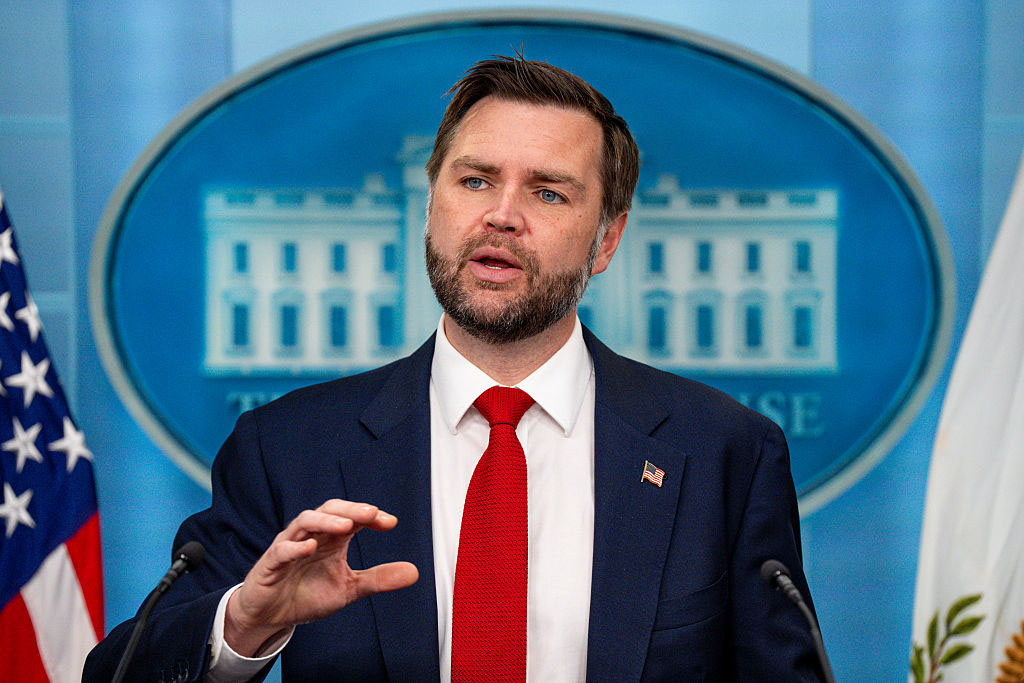
Vance is not the first political leader to lose his temper because somebody, somewhere, criticized a policy of his. And it’s not the first time the vice president has tried to bully an American ally through the tactic of public shaming.
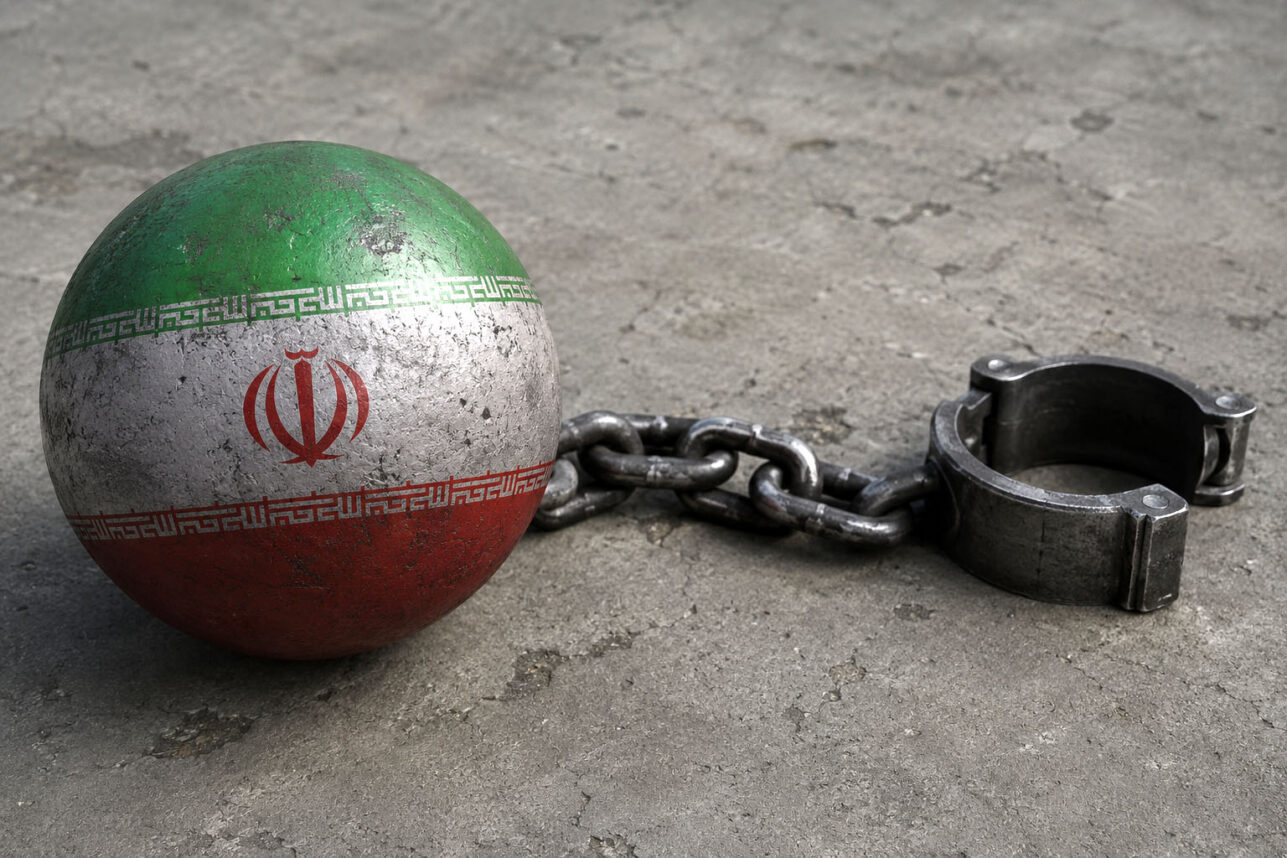
Trump has done himself no favors with this MOU. His “art of the deal” is now defrocked as a fairy tale.
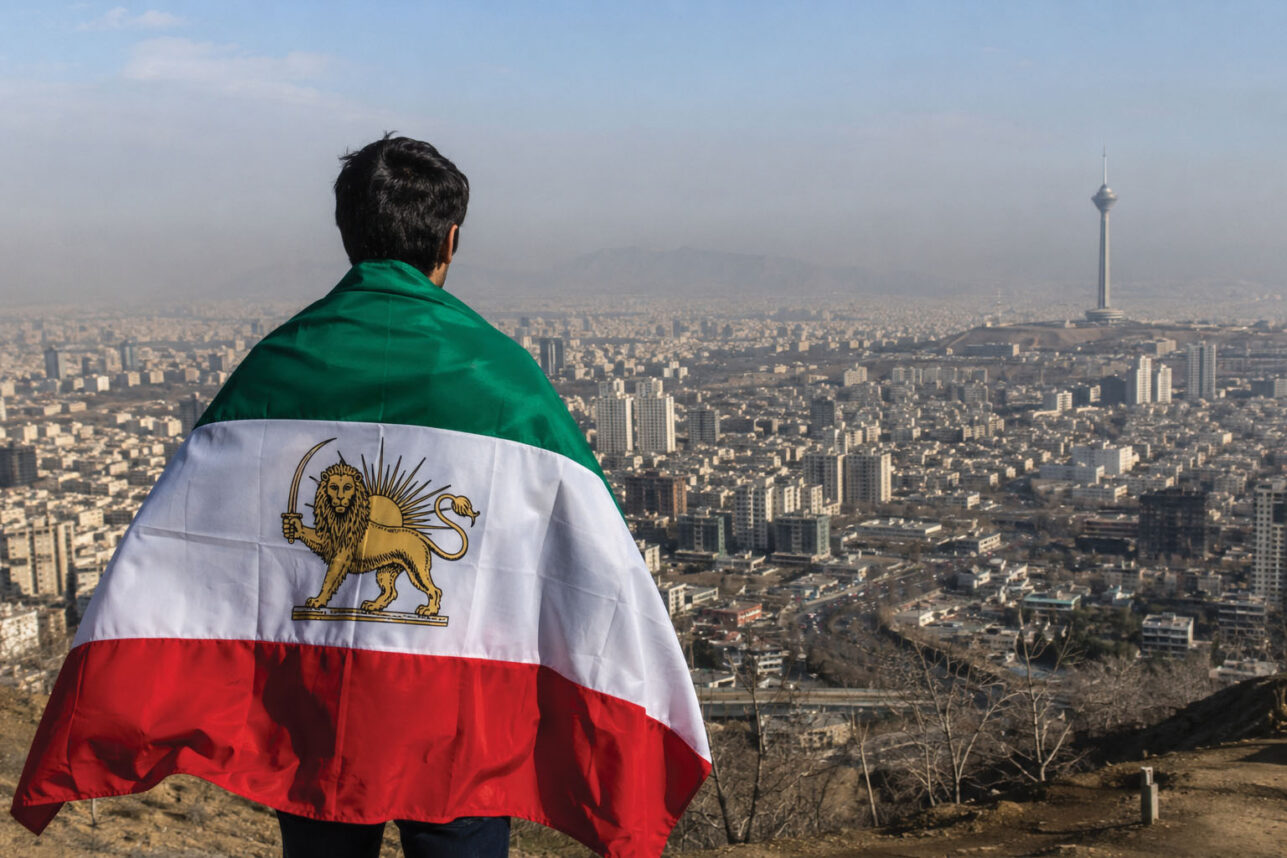
As details emerge about a signed agreement between the United States and Iran, there still may be room to protect the Persian people from Tehran’s despots, the Lebanese from Hezbollah, Yemenis from the Houthis and Gazans from Hamas.
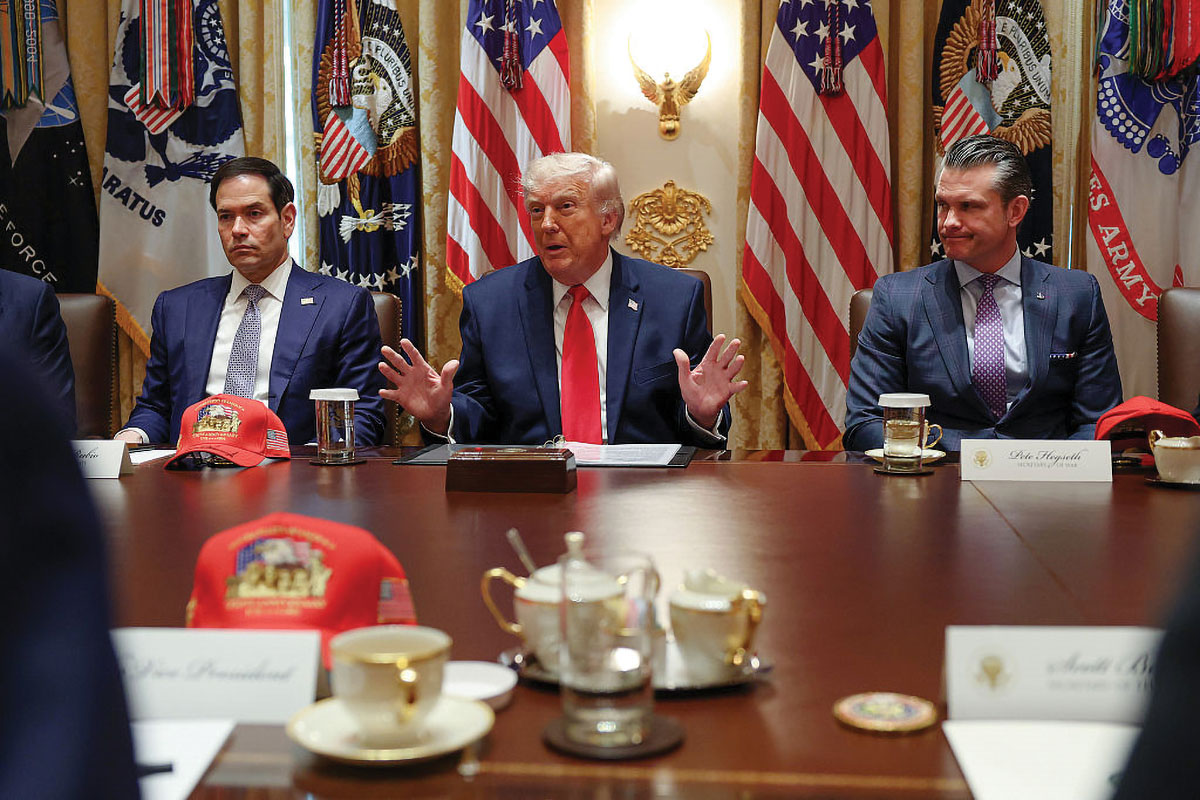
It all depends on one mercurial and imperfect man in the White House. But whether he succeeds or fails, he is leading a free world, much of which no longer understands what it needs to do to survive.