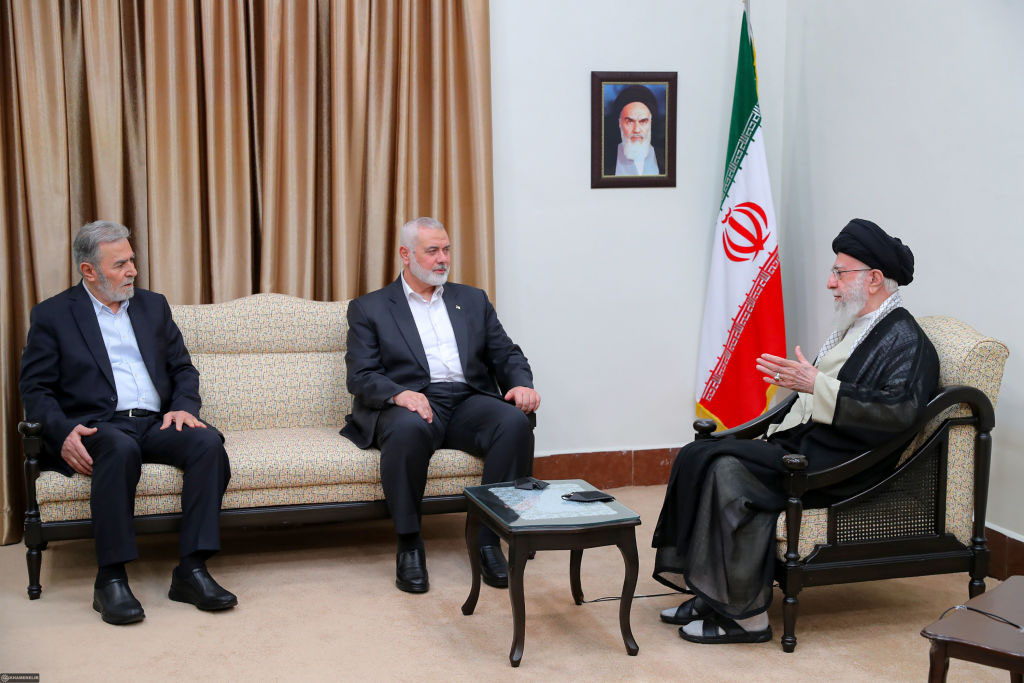
Will Iran Retaliate Against Israel After Assassination of Haniyeh?
Middle East expert Lisa Daftari lays out the possible next moves in the tense Middle East

Middle East expert Lisa Daftari lays out the possible next moves in the tense Middle East
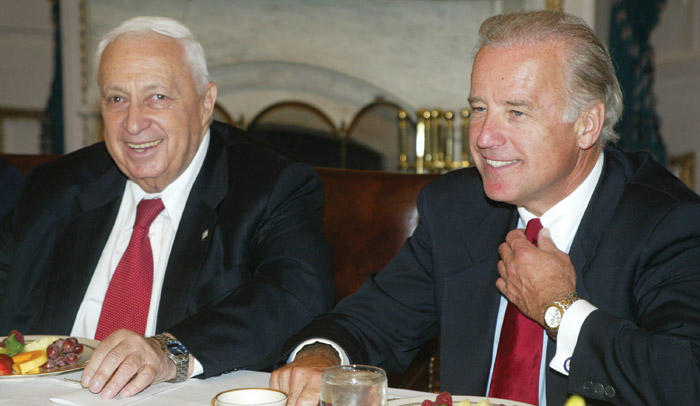
Throughout his political career, the US president has considered himself a Zionist and expressed unwavering support for Israel, no longer mainstream views in his party.
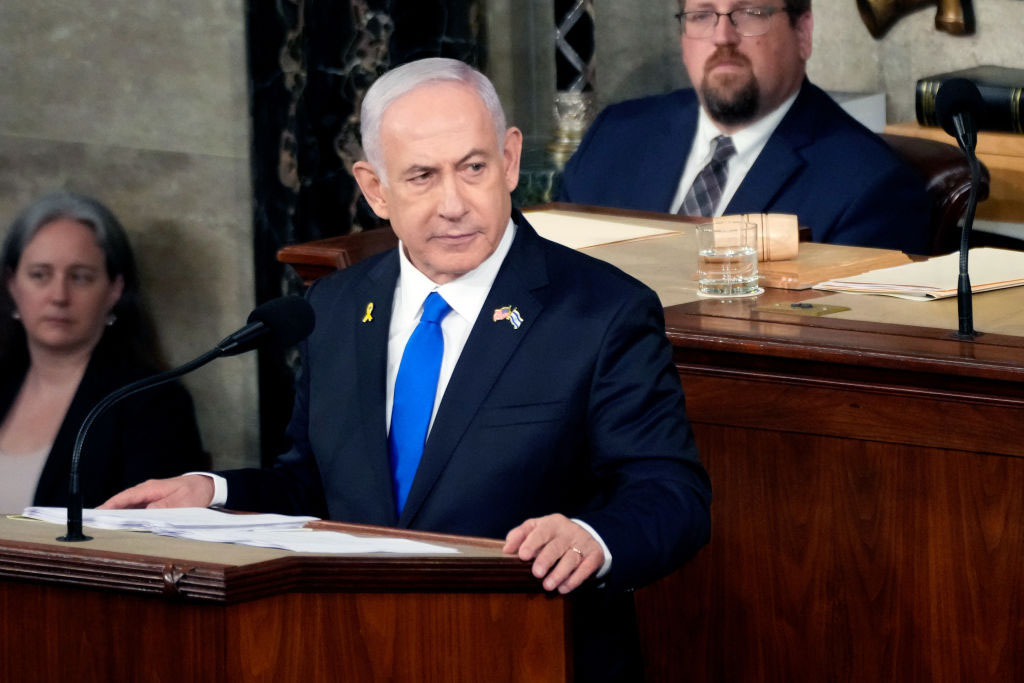
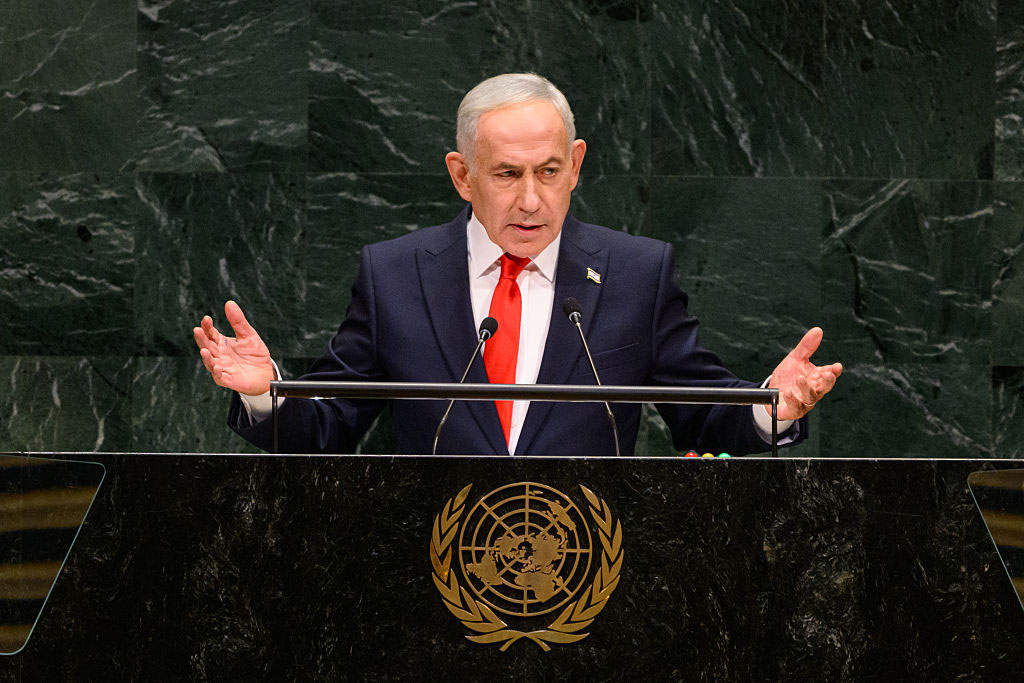
The hardest hitting lines from the prime minister’s July 24 speech

IDF: “Noa Argamani (25), Almog Meir Jan (21), Andrey Kozlov (27), and Shlomi Ziv (40) were rescued in a special operation by the IDF, ISA and Israel Police from 2 separate locations in the heart of Nuseirat after being kidnapped by Hamas from the Nova music festival.”
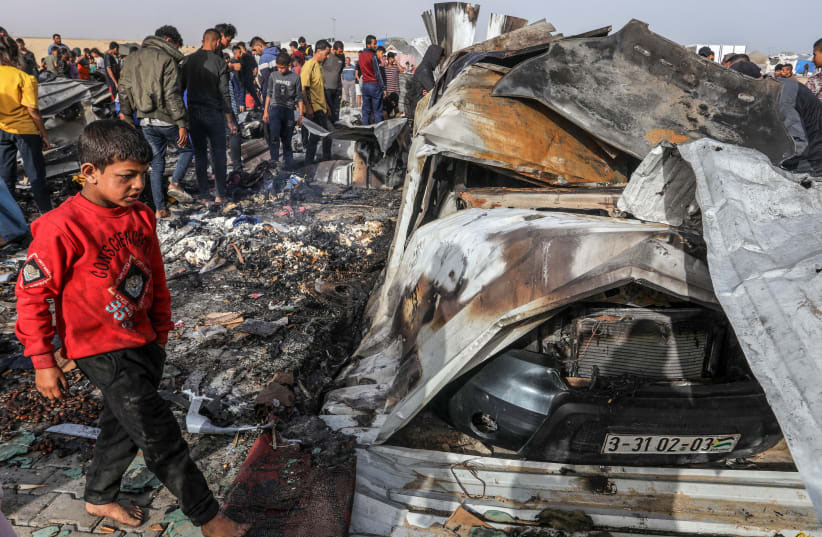
Some sought to contextualize the violence, noting that it was Hamas that started the war and could end it by surrendering and freeing the captives.

Iranian media denied any Israeli missile strike, writing that the Islamic Republic was shooting objects down in its airspace.
The director of Tel Aviv University’s Alliance Center for Iranian Studies advises Israel to exercise restraint in response to Iran’s recent missile and drone strike, suggesting the attack was a strategic maneuver rather than a call to war
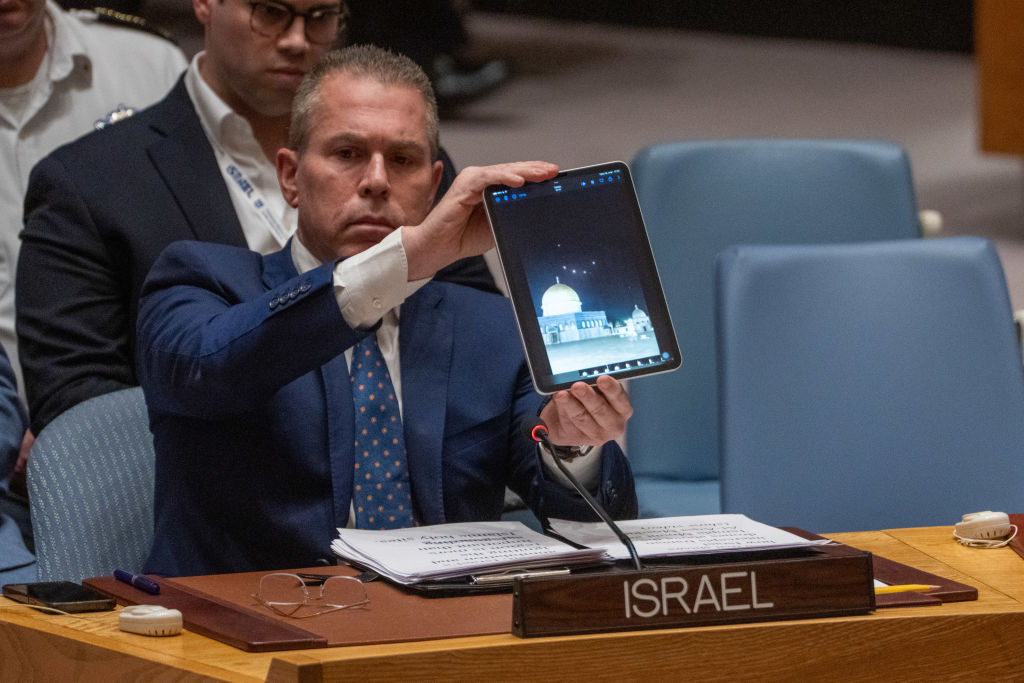
Iran’s attack against Israel is offering a different vision of the Middle East compared to the fragile relations between Israel and Arab countries caused by the Gaza war. Today, they share an interest in curbing Iran’s regional influence.

The IDF is winning the war on the ground, but Israel is losing the war for hearts and minds.
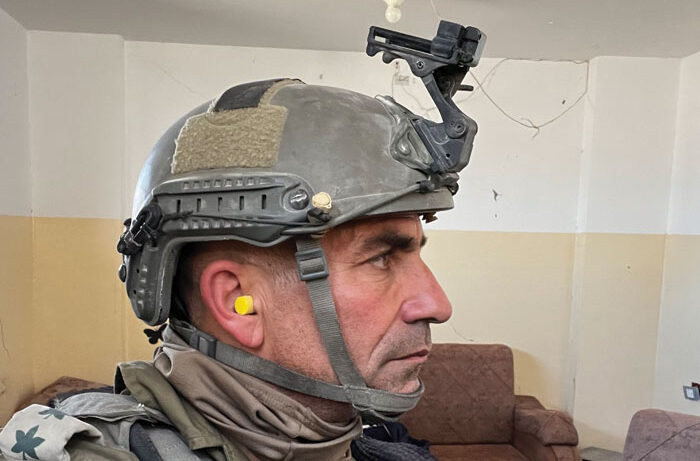
Colonel Golan Vach, a 35-Year veteran of the IDF, talks about dealing with the aftermath of Oct. 7.