Have We Run Out of Words to Describe 2020?
Maybe the truest way to describe the collective trauma of 2020 is simply to admit there are no words, and be at peace with it.

Maybe the truest way to describe the collective trauma of 2020 is simply to admit there are no words, and be at peace with it.
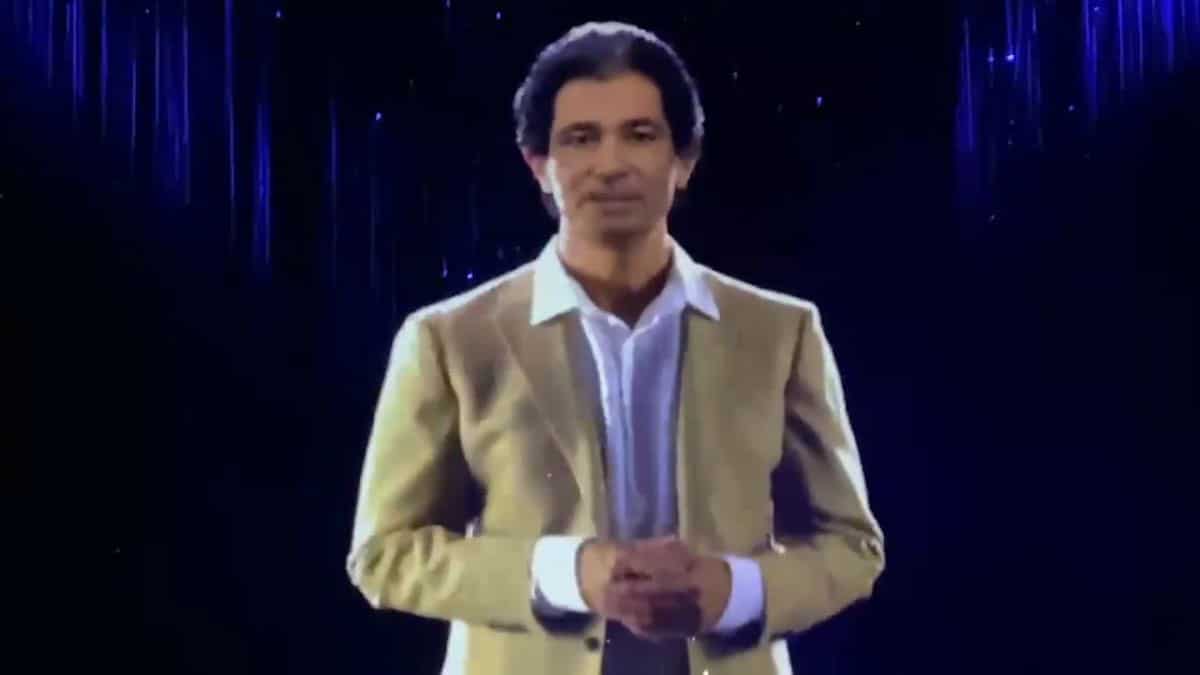
Rapper superstar Kanye West, running as an independent candidate for president of the United States, interrupted his campaign this week to give his wife Kim Kardashian a hologram “performance” from her late father, Robert Kardashian, in honor of her 40th birthday.

If your side wins, don’t crow. If your side loses, don’t cry. Whatever you do, hate quietly. Our country is going through a divisive and traumatic period, but we’ve seen worse and we will muddle through.

This is one way the quarantine year of 2020 has changed us: The most normal thing can feel like a big deal.
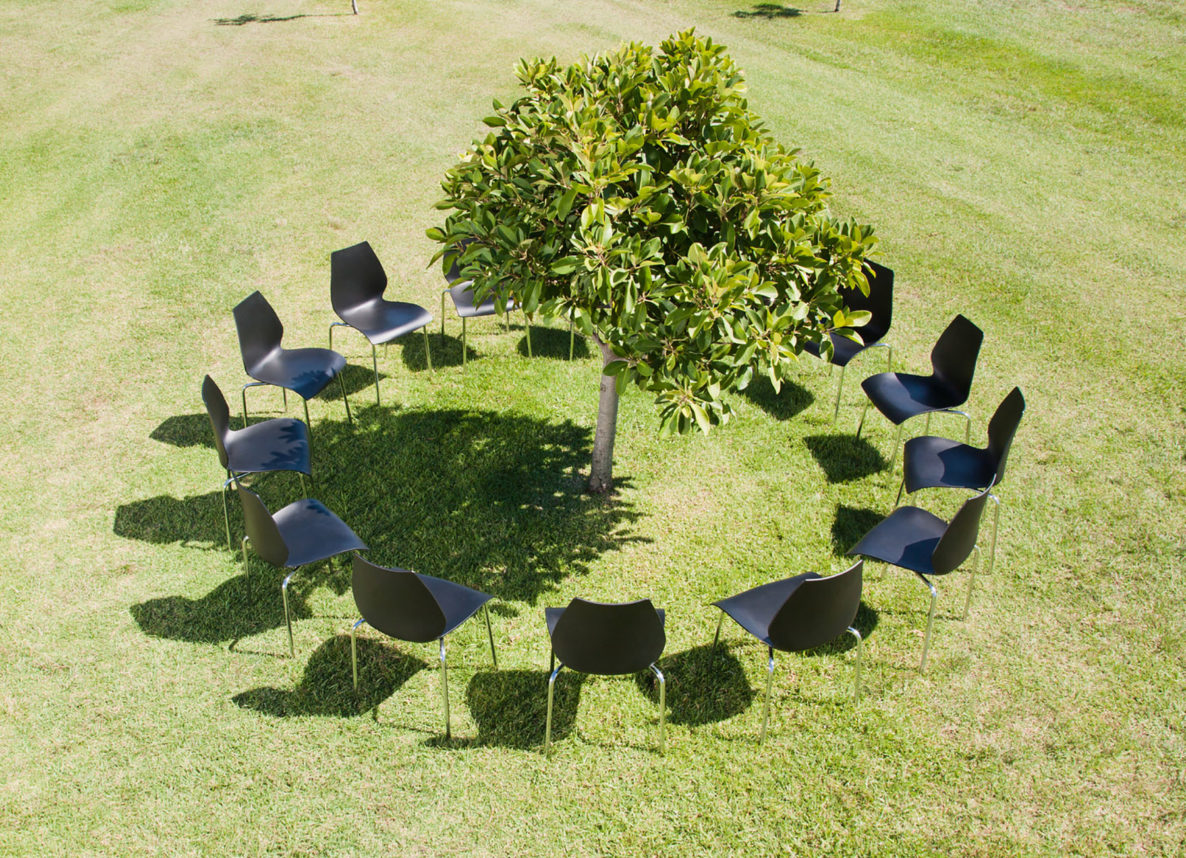
Rabbis and local leaders need to create multiple opportunities for people to meet safely and to stay connected to the very idea of human connection. As we continue riding our digital runaway train, we are getting further and further away from the real stuff of life that no Zoom call can ever replace.

Instead of bemoaning our fate, we can use this unprecedented moment to develop new, more flexible models that better fit our changing world. A good place to start is the creation of multi-use spaces that would increase communal engagement while making Jewish education more affordable.

As an editor, I know that deciding what stories to pursue can be a difficult, contentious decision…But where is the line for deciding to cover a story when the silence is seen as more damning?

The very act of saying that line put the “sun” inside our conversation and kept it upbeat. It also probably guided her day to look for “sunny” things to do and think about.
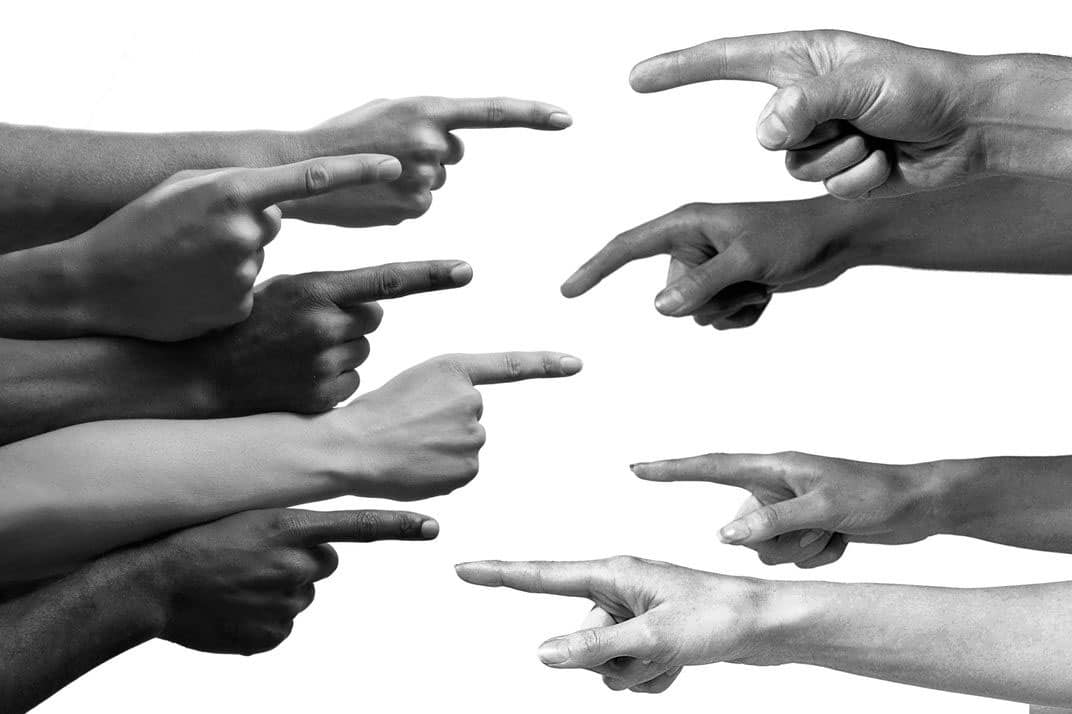
If the coronavirus threatens our physical health and economy, the worship of victimhood threatens the aspirational promise of America. How? By replacing the resiliency and imagination of optimism with the fragile passivity of victimhood.
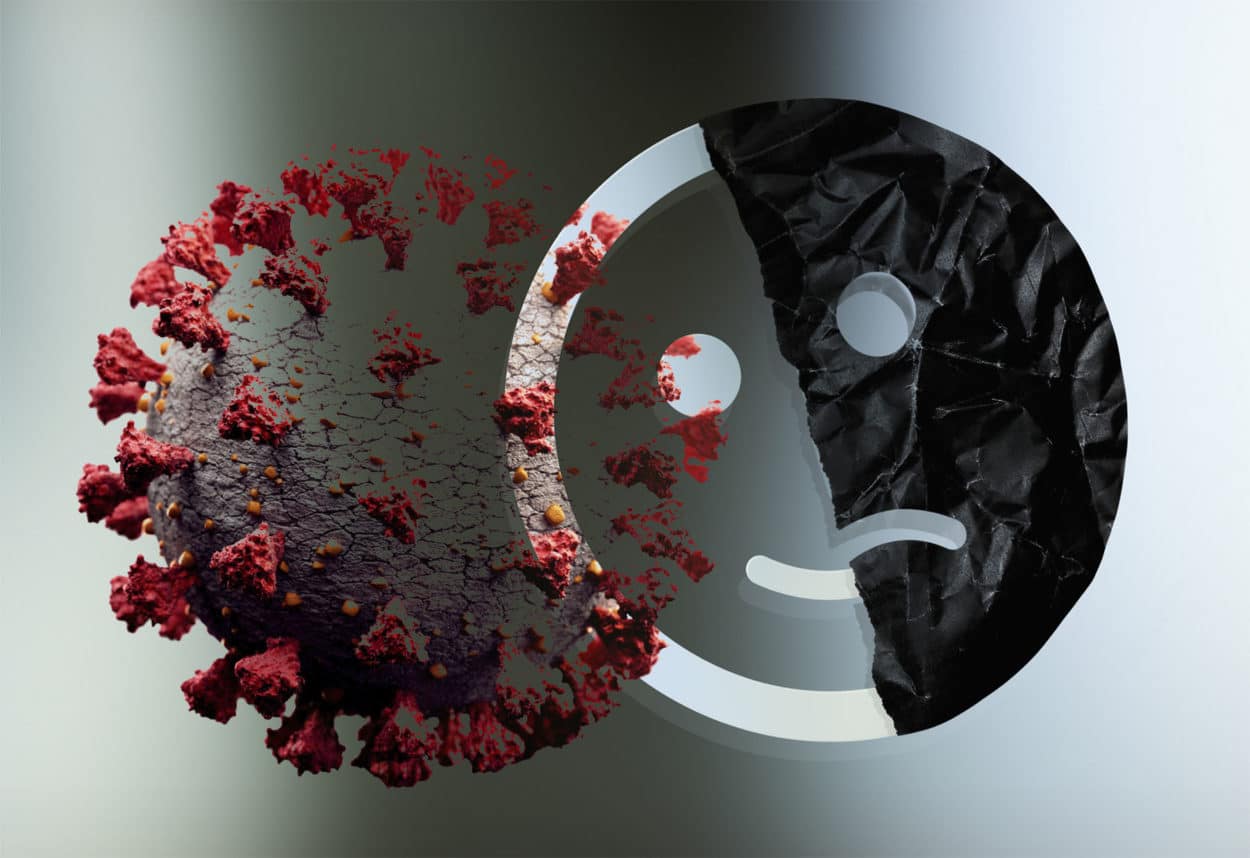
The pandemic era is forcing us to see things we never thought we’d see, and to make choices we never thought we’d have to make.