

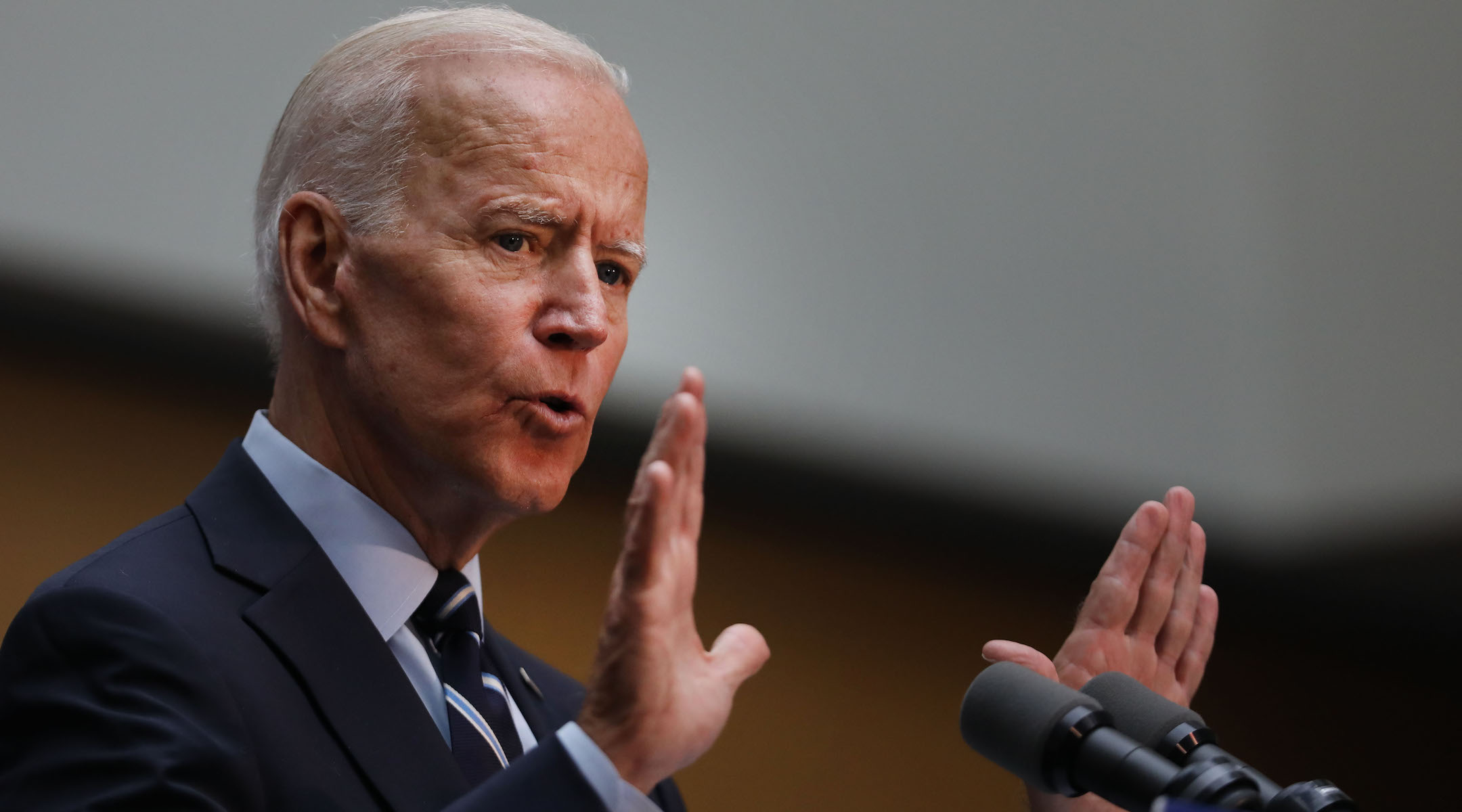
Joe Biden’s sweeping South Carolina victory on Feb. 29 may be the most important state primary election in the history of presidential politics. Jimmy Carter and Barack Obama used Iowa as their first steps toward the White House. Ronald Reagan and Bill Clinton achieved comeback victories in New Hampshire that propelled them toward their presidencies. And both George Bushes relied on the South Carolina firewall to protect their candidacies against threatening challengers.
But none of those men ever faced the near-death experience that Biden has confronted over the past several weeks. After fourth- and fifth-place finishes in Iowa and New Hampshire, his political career appeared to approaching terminal status. His second-place finish in Nevada established a heartbeat. But the size and scope of his win in South Carolina created an unprecedented level of momentum that carried him to a series of Super Tuesday triumphs on March 3 that now have made him a reborn front-runner in the race for the Democratic nomination.
To be clear: This campaign is far from over. Biden is no more a certainty to be his party’s standard-bearer than Bernie Sanders was after the Nevada caucuses, than Pete Buttigieg was after Iowa, than Elizabeth Warren was last fall, than Kamala Harris last summer or Beto O’Rourke last spring. Sanders is a formidable candidate fueled by a relentless online fundraising apparatus, a passionate grass-roots army, and huge levels of support from young people and Latino voters. Michigan and Missouri, the next key states to hold primaries, are very friendly turf for him. So writing off Sanders now would be tremendously premature.
The more likely scenario is an extended battle between these two men, representing two opposing wings of the Democratic Party and two different visions of their party’s and their country’s future. Expect this fight to continue through the end of primary season in June — and possibly to the floor of the convention in Milwaukee in July.
Dan Schnur is a professor at USC’s Annenberg School for Communication and Journalism, UC Berkeley’s Institute of Governmental Studies and Pepperdine University.
































