Is talking to God a prerequisite for being a Jewish leader? If so Adam would have been the first Jewish leader; but he was not. Is being a tzadik, a righteous person a prerequisite for Jewish leadership? If so Noah would have been first Jewish leader; but he was not. It is Abraham in our Torah portion this week who is the first Jewish leader. Abraham is a very contradictory figure. He has two very different experiences and reactions in this week’s portion.
God tells Abraham that He is going to destroy the city of Sodom and Abraham argues with God. Perhaps there are 50 righteous people in Sodom? Maybe 40? maybe 30? Will the Judge of the universe not do justice? In the end of course it turns out that there aren’t even 10 righteous people. Abraham brings Lot his nephew, the one righteous person out of Sodom.
Here we see Abraham fighting for the world and even questioning God, showing justice to the world. Being a blessing to the nations, teaching them justice as God commanded him to. On the other hand, just a few paragraphs later, Abram is told by God to “take your only son and bring him up as a burnt offering.” What does Abraham say? Nothing! Abraham is the dutiful servant of God, spiritually turned it to the Divine and God’s command. Abraham is both very outwardly directed, concerned about the welfare of the world and its nitty gritty, and about being a blessing unto the nations and teaching them justice, about feeding he hungry, saving the people of Sodom and welcoming the stranger yet at the same time Abraham lives a profound spiritual life completely tuned into God, completely dutiful, so much so that he is willing to sacrifice his only son when God says to.
In Moses we see the same thing. He concerns himself with the welfare of the people, getting them food and water, rebuking them, deciding cases of justice between them. He is the leader of the Jews and must concern himself with the structure of the people, the nitty gritty of taking them through the desert. The same Moses goes up on the mountain for 40 days and 40 nights, does not eat or drink for those full 40 days and descends the mountain on such a high spiritual level that he has to wear a veil to protect the people from the the light rays which emerge from him.
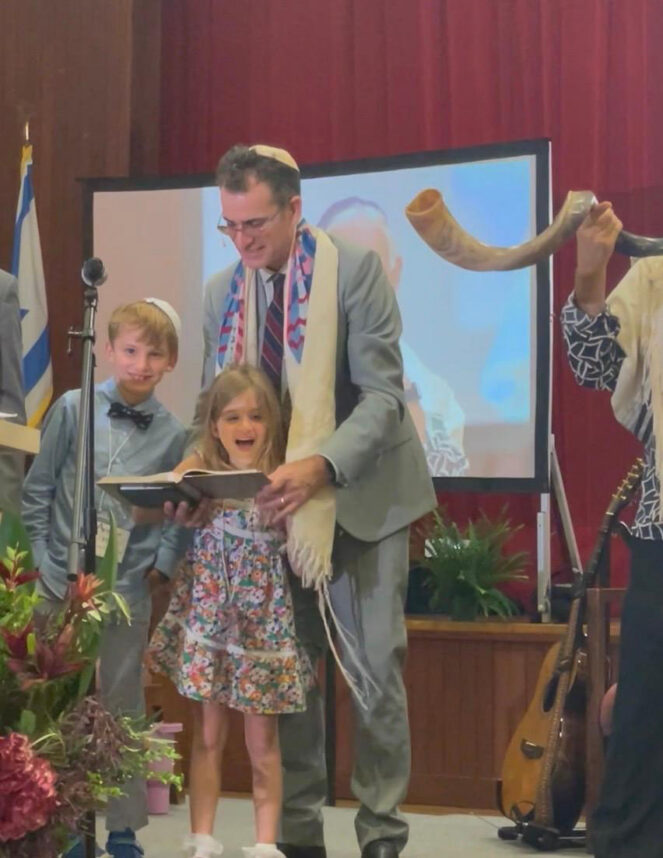
The same is true of Rabbis and Jewish leaders today. The rabbi might have to change the light bulbs in the shul, make peace among congregants, feed the hungry, cloth the naked and council the downtrodden. At the same time we must cultivate a deep, dutiful and elevated spiritual life and relationship to the Divine. It is from that spiritual place that our ability to be a blessing to the nations, to take care of the Jewish people and the world must emerge.