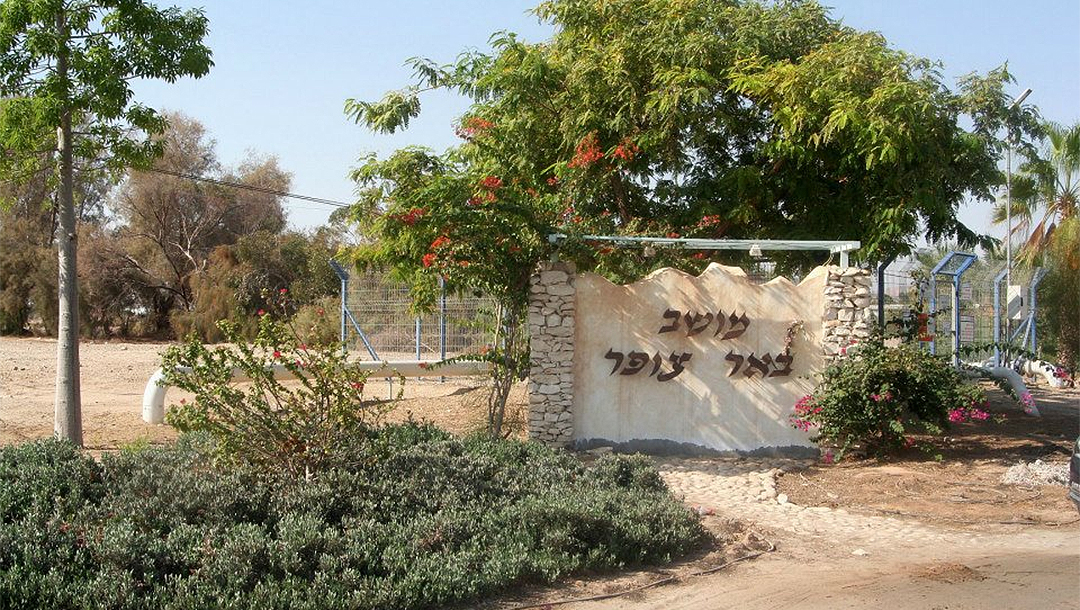
(JTA) — Jordan reclaimed two pieces of land leased by Israel as part of the 1994 peace agreement.
Jordan’s King Abdullah II announced Sunday that Jordan would “impose our full sovereignty on every inch” of the properties known in Jordan as Ghumar and Al-Baqoura, and in Israel as Tzofar and Naharaim, also known as the “Isle of Peace.”
Thousands of Israelis visited Naharaim and its peace park on Saturday for a final look before Israeli troops closed off the territory. Reports said that Jordan would allow farmers to harvest what they planted in Tzofar before completely closing it off.
Jordanian Foreign Minister Ayman Safadi agreed in talks this month with Israeli National Security Adviser Meir Ben-Shabbat only to offer undisclosed financial compensation to farmers forced to relinquish their fields, Channel 13 reported Thursday.
In the leasing agreement that was part of the peace deal, Israeli kibbutzim and towns were allowed to keep about 1,100 acres in Tzofar and Naharaim that belong to Jordan in exchange for arid lands belonging to Israel in the Aravah desert. But the agreement said the deal would be reviewed in 25 years’ time.
Last year, amid a wave of anti-Israeli sentiment in Jordan, the kingdom announced it did not wish to extend the deal, spelling heavy losses to the affected growers. The deal expired Sunday.
The head of the Israeli delegation for negotiations with Jordan said result was “a strained relationship with unresolved issues, but overall a success.”
Elyakim Rubinstein, a former deputy president of the Israeli Supreme Court, who led talks for late prime minister Yitzhak Rabin, spoke about the accord last week at an event in Odessa, Ukraine, organized by the Limmud FSU Jewish learning group.
In addition to the land swap issue, there is “coldness and reluctance” in some areas of relations between the two countries, Rubinstein said. “But there’s tight cooperation on security with a country that has a 300-mile border with Israel. Strategically, that’s a huge success.”